Side-by-Side IQ Profile: Westie vs. Silky
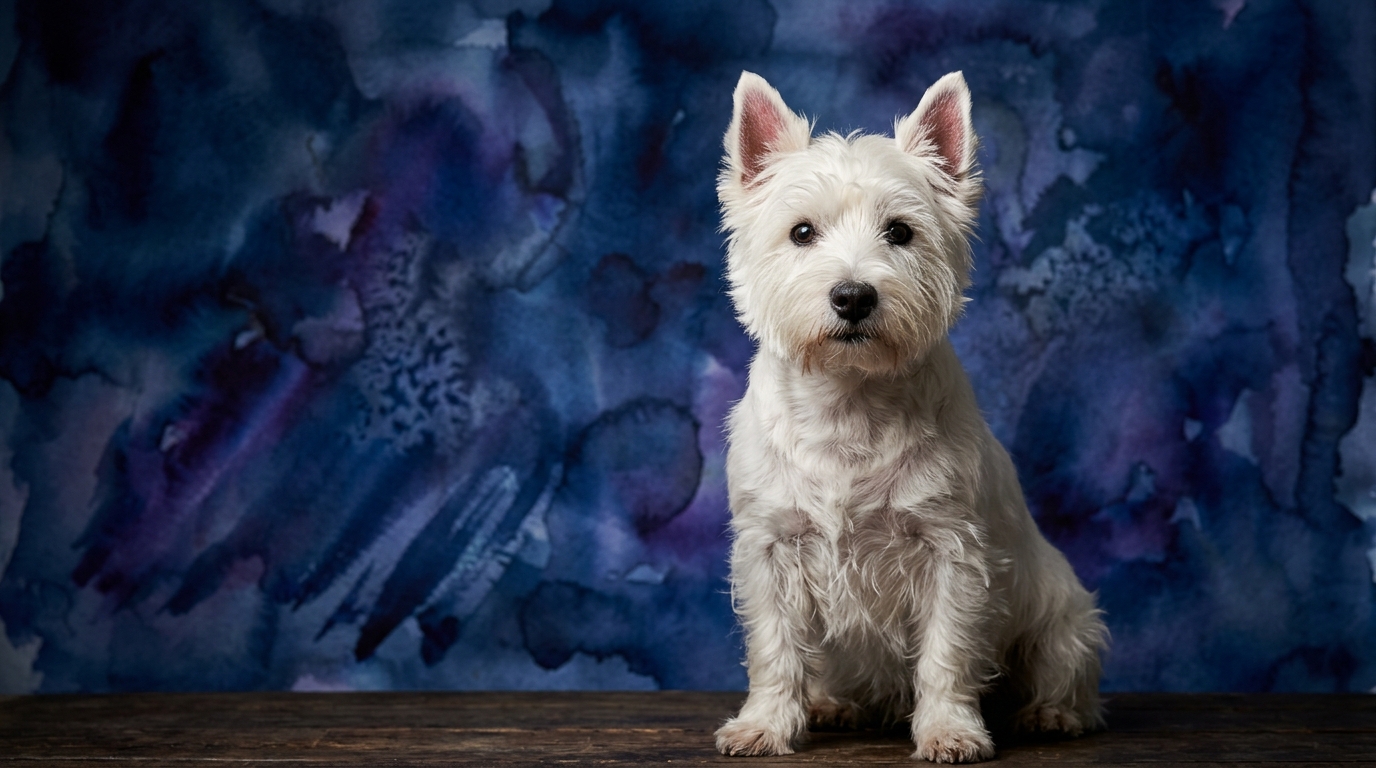
The Cosmic Pet IQ Lab assesses canine intelligence across five critical dimensions, providing a nuanced understanding of each breed's mental aptitude. For the West Highland White Terrier, we observe a Problem Solving score of 3/5, indicating a moderate capacity for independent thought and navigating novel situations. Their Training Speed is also 3/5, suggesting they grasp new commands at a steady pace but require consistent reinforcement. Social Intelligence sits at 3/5, meaning they are moderately adept at interpreting human cues and intentions. Their Instinctive Drive, reflecting their historical working role, is 3/5, indicating a moderate urge for activities like chasing or digging. Notably, the Westie's Memory scores 4/5, suggesting a strong ability to retain learned information and routines over time.
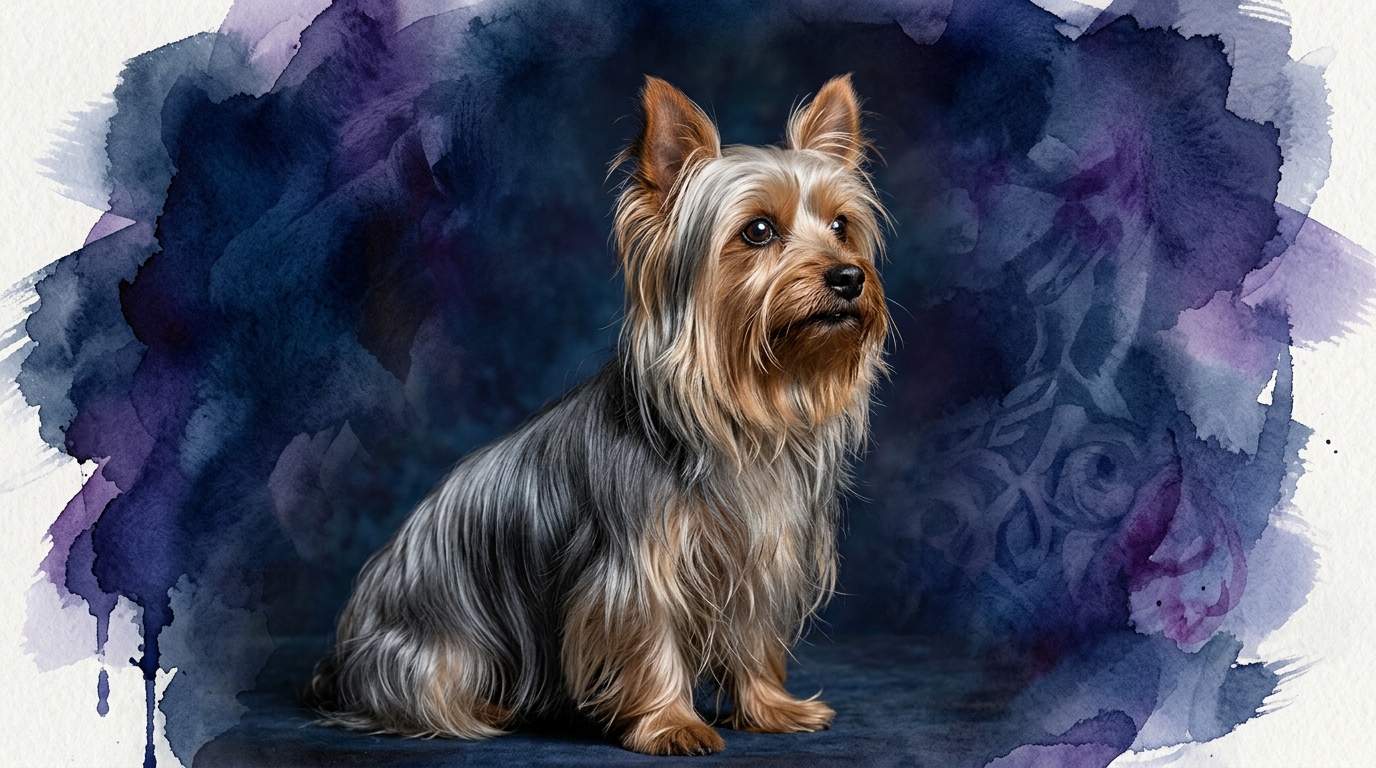
In contrast, the Silky Terrier presents a largely similar cognitive blueprint with one key difference. Its Problem Solving ability is rated 3/5, akin to the Westie, showing a comparable knack for figuring things out. Training Speed is also 3/5, implying a similar learning curve for obedience and new tasks. Social Intelligence matches the Westie at 3/5, indicating a moderate understanding of their human companions' social signals. The Silky's Instinctive Drive is likewise 3/5, reflecting its terrier heritage and a moderate inclination towards ancestral behaviors. However, the Silky Terrier's Memory score is 3/5, placing it a point lower than the Westie in its capacity for long-term retention of specific details and sequences. This subtle distinction in memory is the primary measurable difference in their provided cognitive profiles.
Where the West Highland White Terrier Wins Cognitively
Based on The Cosmic Pet IQ Lab's metrics, the West Highland White Terrier demonstrates a clear cognitive advantage in one crucial area: memory. With a score of 4/5 compared to the Silky Terrier's 3/5, Westies exhibit a superior capacity for retaining learned information, commands, and routines. This enhanced memory translates into several practical benefits; a Westie is more likely to remember complex sequences of actions, recall specific rules even after a period of non-practice, and build upon previous learning more effectively. For owners engaged in advanced obedience, trick training, or those who appreciate a dog that quickly internalizes household protocols, this memory advantage can be significant.
Furthermore, while their individual IQ dimension scores are largely similar to the Silky, the Westie's Coren rank of #47 signifies a recognized aptitude in 'working and obedience intelligence' within a broader canine context. This ranking, even if not directly reflected in every granular IQ score, suggests an overall cognitive framework that has historically been more amenable to formal training and task execution. This robust cognitive foundation, coupled with their stronger memory, positions the Westie as a slightly more formidable and consistent learner over the long term, particularly when mastering intricate behaviors or adapting to evolving household expectations.
Where the Silky Terrier Wins Cognitively
While the Silky Terrier's individual cognitive scores largely mirror those of the Westie, and show a slightly lower memory capacity, its specific application of these traits within a compact, companion-oriented package presents a unique advantage. The Silky's consistent problem-solving (3/5) and social intelligence (3/5) within a smaller frame mean it can navigate complex home environments and social dynamics with the same terrier tenacity, but often with less physical impact. This makes its cognitive profile a 'win' for those seeking a spirited, engaged companion whose mental drive aligns perfectly with apartment living or a less expansive outdoor lifestyle, translating its terrier intellect into highly adaptable companionship.
The Silky's cognitive 'win' can also be seen in its ability to embody the full terrier spirit—including its moderate instinctive drive (3/5)—in a more portable and often more universally accepted size. Its problem-solving skills might be employed to cleverly secure a favorite toy from a tight spot, or its social intelligence to charm its way onto a lap, without the larger physical presence or stronger outdoor drive that a Westie might possess. This adaptability, rooted in its cognitive profile and physical attributes, allows the Silky to excel as a highly interactive and mentally engaging pet in a wider array of domestic settings.
Which is Easier to Train and Why
When evaluating ease of training, both the West Highland White Terrier and the Silky Terrier share a Training Speed score of 3/5, suggesting they will learn new commands at a moderate pace. Neither breed is an instant prodigy, nor are they particularly stubborn learners; consistent, positive reinforcement methods will be key for both. However, the Westie's superior Memory score of 4/5 provides a subtle but significant edge. A Westie is more likely to retain complex command sequences and remember house rules over longer periods, potentially requiring fewer refreshers than a Silky Terrier with its 3/5 memory score. This means that once a Westie learns something, it's more likely to stick.
Both breeds also possess a moderate Instinctive Drive (3/5), a common terrier trait that can present training challenges. This drive means both Westies and Silkies may be prone to chasing small animals, digging, or vocalizing, requiring dedicated training to manage these natural predispositions. Their Social Intelligence (3/5) indicates they are moderately attuned to human cues, but neither is excessively eager to please, meaning motivation needs to be high-value and consistent. While both require a patient and consistent approach, the Westie's slightly better memory might make the long-term retention of a diverse behavioral repertoire marginally smoother, potentially making it the 'easier' choice for owners aiming for a highly polished and reliable obedience partner.
Which Suits Active Owners vs. Relaxed Owners
Considering their shared Instinctive Drive of 3/5, both the West Highland White Terrier and the Silky Terrier require a moderate amount of physical and mental stimulation to thrive. Neither is a couch potato, but neither demands the intense exercise regimen of a high-energy working breed. For active owners, the Westie, with its slightly more robust build and historical background as a vermin hunter, might be a more fitting companion for longer walks, outdoor adventures, or even dog sports like earthdog trials or agility. Its problem-solving skills (3/5) and memory (4/5) make it an engaged participant in structured activities, enjoying the challenge of learning new tasks and navigating novel environments. Owners who enjoy regular, moderate-intensity outings will find a Westie a willing and capable partner.
The Silky Terrier, while still possessing a moderate instinctive drive and problem-solving ability (both 3/5), often adapts more readily to a slightly less strenuous lifestyle due to its smaller size and Toy group affiliation. It still needs daily walks, playtime, and mental engagement to prevent boredom, but its exercise requirements can often be met with shorter, more frequent bursts of activity, or vigorous indoor play. For relaxed owners who still appreciate an engaged and spirited companion but perhaps live in smaller spaces or have fewer opportunities for extensive outdoor adventures, the Silky can be an excellent fit. Its cognitive profile allows it to be highly interactive and mentally stimulated within a home environment, making it a versatile choice for those seeking a balance between activity and companionship.
The Verdict: When to Choose Each
The Verdict
Choose the West Highland White Terrier if you prioritize a slightly stronger memory for training complex routines and appreciate a robust, spirited terrier for moderate outdoor adventures. Its Coren ranking suggests a historically recognized aptitude for learning and obedience.
Opt for the Silky Terrier if you desire a compact companion with a comparable terrier intellect and drive, but one that is perhaps more adaptable to smaller living spaces and a slightly less strenuous exercise regimen. It excels as an engaged, intelligent housemate.
🧠 Find Your Pet's IQ Score
Our Pet IQ Lab assessment covers 25+ tests across 5 cognitive dimensions — personalized to your breed.
Take the Full IQ Test →Frequently Asked Questions
Are Westies harder to train than Silkies?
Both breeds share a Training Speed of 3/5, meaning they learn at a moderate pace. However, the Westie's Memory score of 4/5, compared to the Silky's 3/5, suggests Westies might retain learned behaviors and complex commands more consistently over time, potentially making long-term training slightly smoother.
Do Silkies need a lot of mental stimulation?
Yes, Silky Terriers have a Problem Solving score of 3/5 and an Instinctive Drive of 3/5, indicating a moderate need for mental engagement. They thrive on interactive play, puzzle toys, and consistent training to keep their minds active and prevent boredom, despite their smaller size.
Is one breed more prone to barking due to their intelligence?
Both breeds possess a moderate Instinctive Drive (3/5) and Social Intelligence (3/5), and terriers generally have a tendency to be vocal. While not directly tied to their 'intelligence' scores, their inherent terrier nature and alertness can lead to barking, requiring consistent training and management regardless of breed.