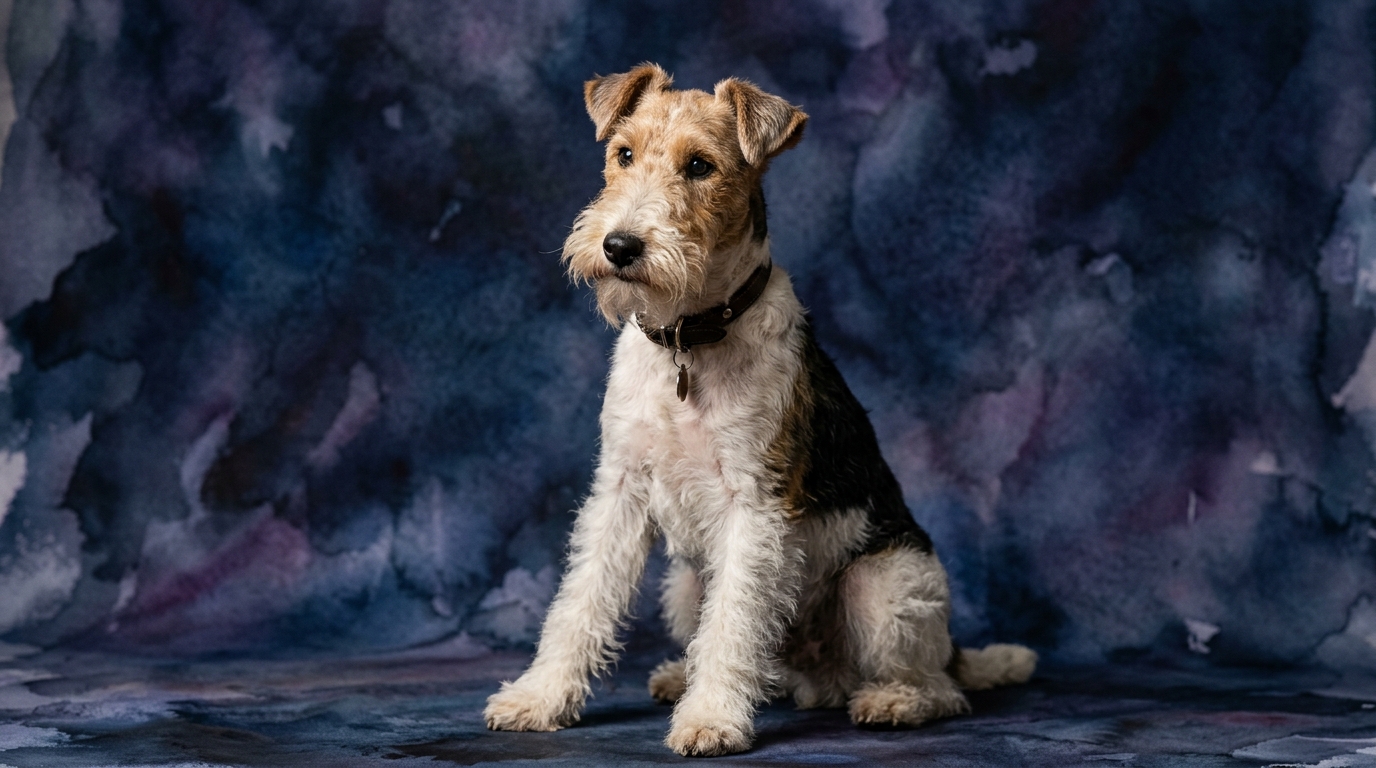
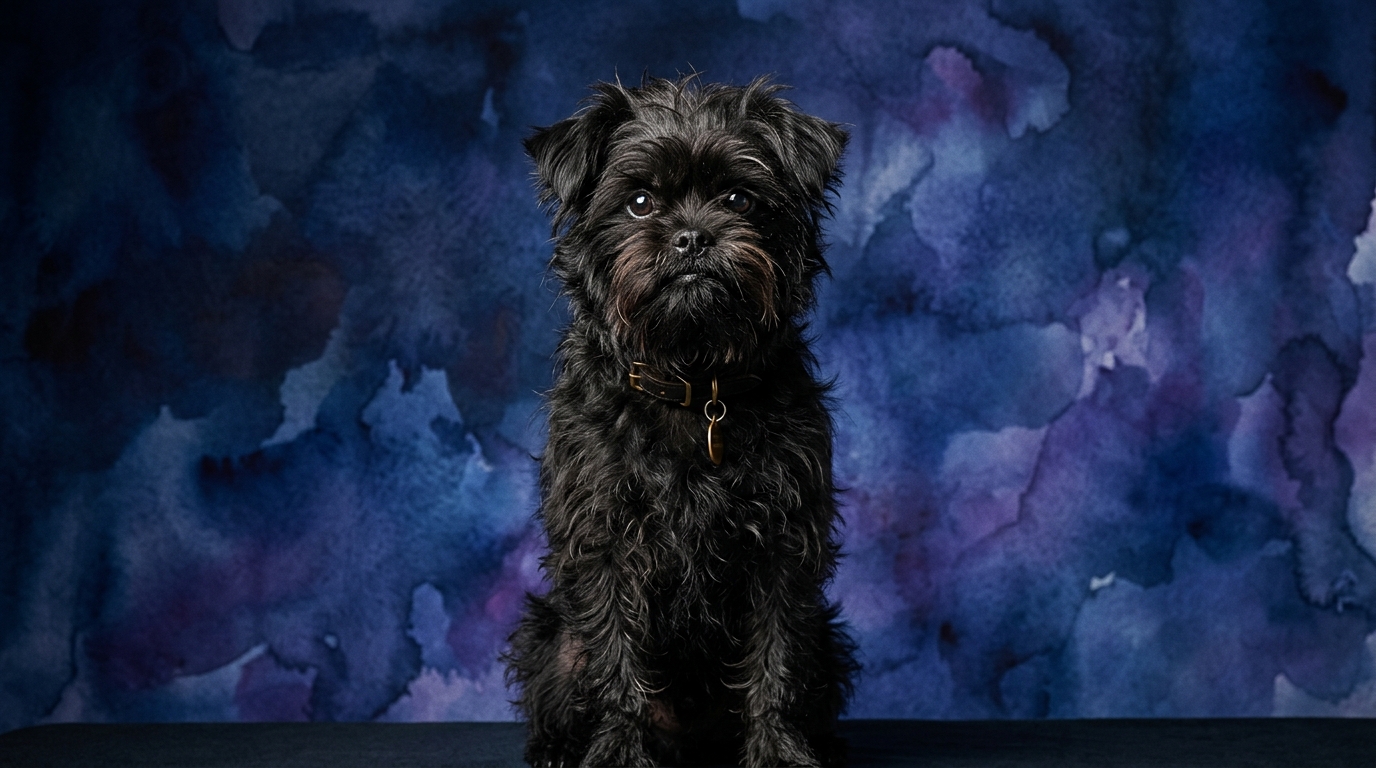
Side-by-Side Cognitive Profiles: Wire Fox Terrier vs. Affenpinscher
At The Cosmic Pet Pet IQ Lab, we evaluate canine intelligence across five key dimensions, each scored from 1 to 5. While both the Wire Fox Terrier and the Affenpinscher register a consistent 3/5 across the board, the expression of these scores is uniquely shaped by their breed histories and inherent temperaments. Understanding these distinctions is crucial to appreciating their individual cognitive landscapes.
The **Wire Fox Terrier (WFT)**, a true terrier at heart, approaches each dimension with a characteristic zest and independence. Their **Problem Solving (3/5)** typically manifests as a practical, often physical persistence. They might methodically work at digging under a fence to reach a perceived 'prey' or figure out how to nudge open a cupboard door through repeated, driven attempts. This isn't about abstract reasoning but rather a tenacious, trial-and-error approach fueled by a goal. Their **Training Speed (3/5)** indicates they grasp new commands at a moderate pace, but their independent nature often means maintaining focus requires consistent engagement and high-value rewards, especially amidst distractions. They learn well, but compliance isn't always their first impulse. In terms of **Social Intelligence (3/5)**, WFTs are adept at reading the dynamics within their immediate family group, responding to familiar cues and moods with enthusiasm. Their understanding is more about pack interaction than nuanced societal subtleties. Their **Instinctive Drive (3/5)** is a defining trait, expressed as a strong urge to chase, explore, and dig, reflecting their historical role as vermin hunters. This drive is a powerful internal motivator that shapes much of their interaction with the world. Finally, their **Memory (3/5)** is reliable for routines, learned behaviors, and people, particularly those associated with strong emotional experiences or consistent training, allowing them to navigate their familiar environment with confidence.
The **Affenpinscher**, a captivating toy breed with a 'monkey-like' expression, interprets these same cognitive scores through a lens of cleverness and domestic focus. Their **Problem Solving (3/5)** often involves more cunning and manipulation within a home environment. An Affenpinscher might cleverly push a small stool to reach a coveted treat on a counter or use its paws with surprising dexterity to retrieve a toy from a tight spot. Their solutions are often ingenious rather than brute-force. Their **Training Speed (3/5)** is also moderate; they learn new commands effectively, often motivated by a desire to please their beloved humans and receive positive reinforcement. In a calm, focused setting, they are attentive learners. Regarding **Social Intelligence (3/5)**, Affenpinschers possess a keen awareness of their family's emotions and household routines. They are highly attuned to their owners, often acting as sensitive barometers of the home's mood and demonstrating a discerning social awareness, sometimes reserved with strangers. Their **Instinctive Drive (3/5)**, while present, is typically expressed as a watchful guardianship and a playful curiosity rather than a relentless prey drive. They might chase a dropped crumb with terrier-like intensity but are generally more focused on their human companions. Their **Memory (3/5)** is solid for daily routines, household rules, and the people they interact with regularly, allowing them to anticipate events and respond consistently within their structured domestic lives.
Where the Wire Fox Terrier Shows Cognitive Strengths
The Wire Fox Terrier's cognitive strengths truly shine in scenarios demanding physical persistence and independent action, often related to their historical working purpose. Their 3/5 instinctive drive, combined with their practical problem-solving ability, makes them particularly adept at tasks requiring sustained effort and a 'never give up' attitude. For example, in scent work or agility challenges where a complex sequence of obstacles must be overcome to reach a goal, the WFT's inherent drive to pursue, coupled with their hands-on problem-solving, often translates into a tenacious performance. They are less likely to become discouraged by initial failures, instead learning through repeated attempts fueled by their strong internal motivation. Their memory (3/5) serves this well, allowing them to recall successful strategies for navigating physical environments or tracking scents over time. This translates to an edge in tasks requiring grit, stamina, and a strong work ethic where a tangible reward or objective is in sight.
Where the Affenpinscher Shows Cognitive Strengths
The Affenpinscher, while sharing identical scores, demonstrates a cognitive advantage in areas demanding nuanced social interaction within a domestic setting and clever manipulation of their immediate environment. Their 3/5 social intelligence, though similar in score, manifests with a unique sensitivity to human emotions and household routines, making them exceptionally good at integrating into family life. They often excel at discerning subtle changes in their owner's tone or body language, adapting their behavior accordingly – whether it's offering comfort, seeking attention, or initiating play. Furthermore, their problem-solving (3/5) often appears more 'cunning' in a home environment; they might cleverly figure out how to retrieve a toy from under furniture using a paw or nose, or strategically position themselves for maximum comfort or attention. This breed often uses its intelligence to navigate complex social cues and achieve desired outcomes through charm and wit, making them masters of their domestic domain.
Trainability: Wire Fox Terrier vs. Affenpinscher
Despite both breeds scoring 3/5 in training speed, the Affenpinscher generally presents an easier training experience for the average owner due to key behavioral differences. The Wire Fox Terrier’s 3/5 instinctive drive, rooted in its terrier heritage, often translates into a strong independent streak and a formidable prey drive. This means WFTs can be easily distracted by scents, movement, or the urge to explore, making sustained focus in training a challenge. Their inherent drive to chase or dig can override their desire to comply, demanding exceptional patience, consistency, and creative motivation from their trainer. WFTs learn quickly but often require a trainer who understands how to harness and redirect their innate drives effectively, making training feel like a negotiation rather than a simple instruction.
In contrast, the Affenpinscher, while also possessing a moderate instinctive drive, is typically more motivated by human companionship and positive reinforcement, often eager to please its primary caregivers. Their social intelligence, focused on family dynamics, makes them more attuned to their owner's expectations and more responsive to direct guidance. While both learn at a similar pace, the Affenpinscher's lower distractibility in a controlled environment and higher intrinsic motivation to cooperate often make the training process smoother and less confrontational. They tend to find satisfaction in the interaction itself and the approval of their human, which can simplify the consistency required for successful training outcomes.
Lifestyle Match: Active vs. Relaxed Owners
For active owners seeking a dynamic companion, the Wire Fox Terrier is often the more fitting choice. Their 3/5 instinctive drive and robust terrier energy demand consistent mental and physical stimulation. They thrive on activities like long, brisk walks, structured playtime, agility courses, earthdog trials, or even simply vigorous games of fetch in a secure yard. Their problem-solving and memory are best engaged when given 'jobs' to do, channeling their natural drive into constructive outlets. Owners who enjoy outdoor adventures, consistent engagement in training, and can provide ample opportunities for exploration and vigorous play will find the WFT a rewarding and enthusiastic partner. Their energy is not merely physical; it's a mental alertness that requires consistent engagement to prevent boredom and potential mischievousness.
Conversely, the Affenpinscher, while certainly not a sedentary breed, generally suits more relaxed owners who appreciate a clever and affectionate indoor companion. Their moderate activity requirements can often be met with regular walks, indoor games, and plenty of interactive playtime with their family. Their social intelligence makes them content to be at the heart of household activities, observing and participating from a comfortable vantage point. They enjoy puzzles and interactive toys that challenge their problem-solving skills in a less physically demanding way. Owners who prefer a less demanding exercise routine but are committed to providing consistent companionship, mental enrichment through puzzles, and positive reinforcement training will find the Affenpinscher a delightful and engaging presence, a true 'lap dog' with a personality.
The Verdict
Select a Wire Fox Terrier if you're an active owner seeking a spirited, tenacious partner for adventures and structured activities, ready to embrace their independent, driven nature.
Opt for an Affenpinscher if you prefer a clever, charming companion for a more relaxed home environment, valuing their social sensitivity and mischievous wit.
🧠 Find Your Pet's IQ Score
Our Pet IQ Lab assessment covers 25+ tests across 5 cognitive dimensions — personalized to your breed.
Take the Full IQ Test →Frequently Asked Questions
Do Wire Fox Terriers and Affenpinschers have similar energy levels?
While both breeds are active, Wire Fox Terriers typically possess a higher, more persistent energy level driven by their terrier instincts, requiring more extensive daily exercise and mental challenges compared to the Affenpinscher's moderate activity needs.
Are either of these breeds good with children?
Both can be good with children, but require proper socialization and supervision; Wire Fox Terriers need children to respect their boundaries and high energy, while Affenpinschers often prefer older, more considerate children due to their smaller size and sometimes reserved nature with boisterous play.
What kind of mental stimulation do these breeds need?
Wire Fox Terriers benefit from puzzle toys, scent games, and structured training that taps into their problem-solving and instinctive drive, while Affenpinschers enjoy interactive toys, trick training, and being involved in family activities to satisfy their social and problem-solving intelligence.