Unpacking the Cognitive Profiles
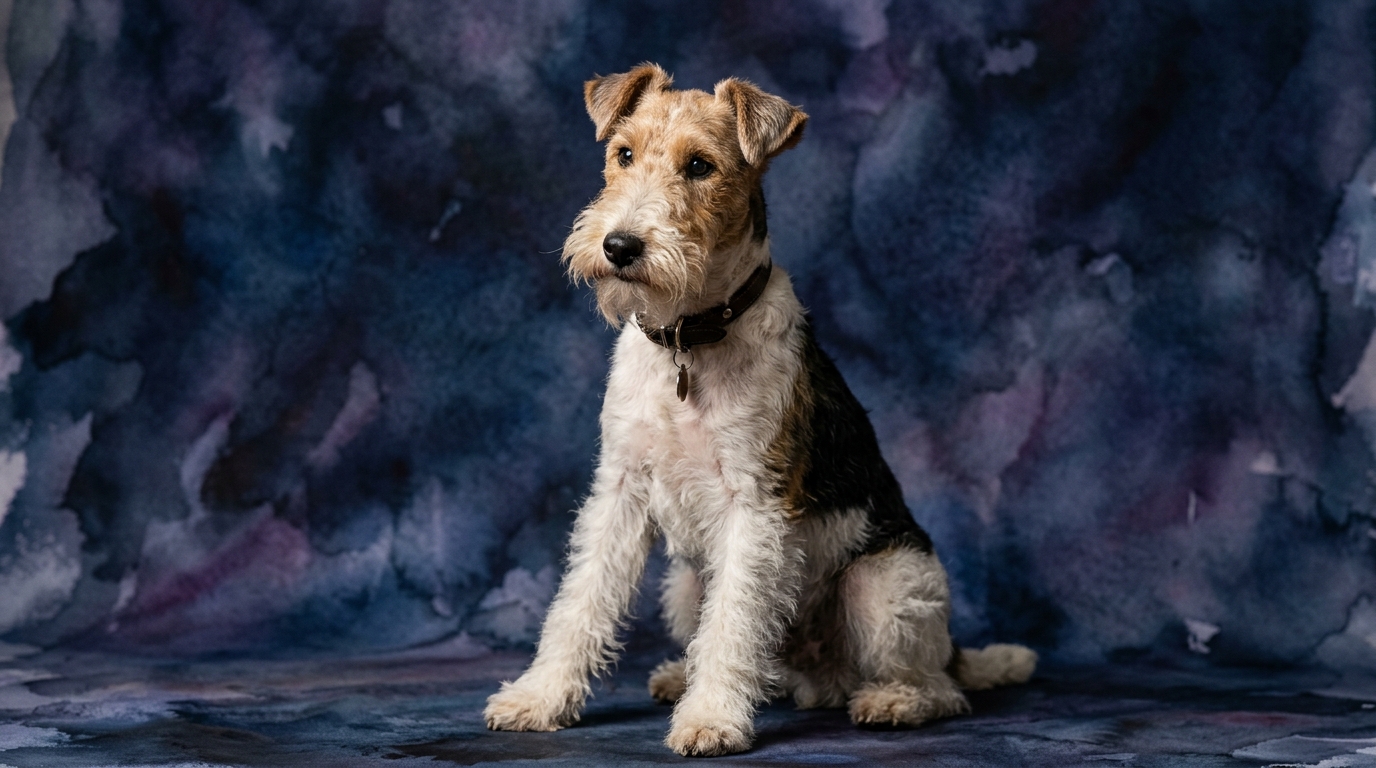
The Wire Fox Terrier demonstrates a solid 3/5 across all cognitive dimensions, indicating a robust and balanced intellect. Their problem-solving at 3/5 often manifests as a bold, investigative approach, physically engaging with challenges and using agility to explore solutions rather than prolonged contemplation. This terrier's training speed, also 3/5, suggests they grasp commands consistently, though their independent nature demands engaging methods to maintain focus. Social intelligence at 3/5 means they are generally adept at navigating various situations with confidence, quickly assessing dynamics. Their instinctive drive, rated 3/5, is a strong undercurrent, expressed through a natural propensity for digging, chasing, and exploring. Finally, their memory, at 3/5, is reliable, particularly for stimulating and rewarding experiences, routines, and locations.
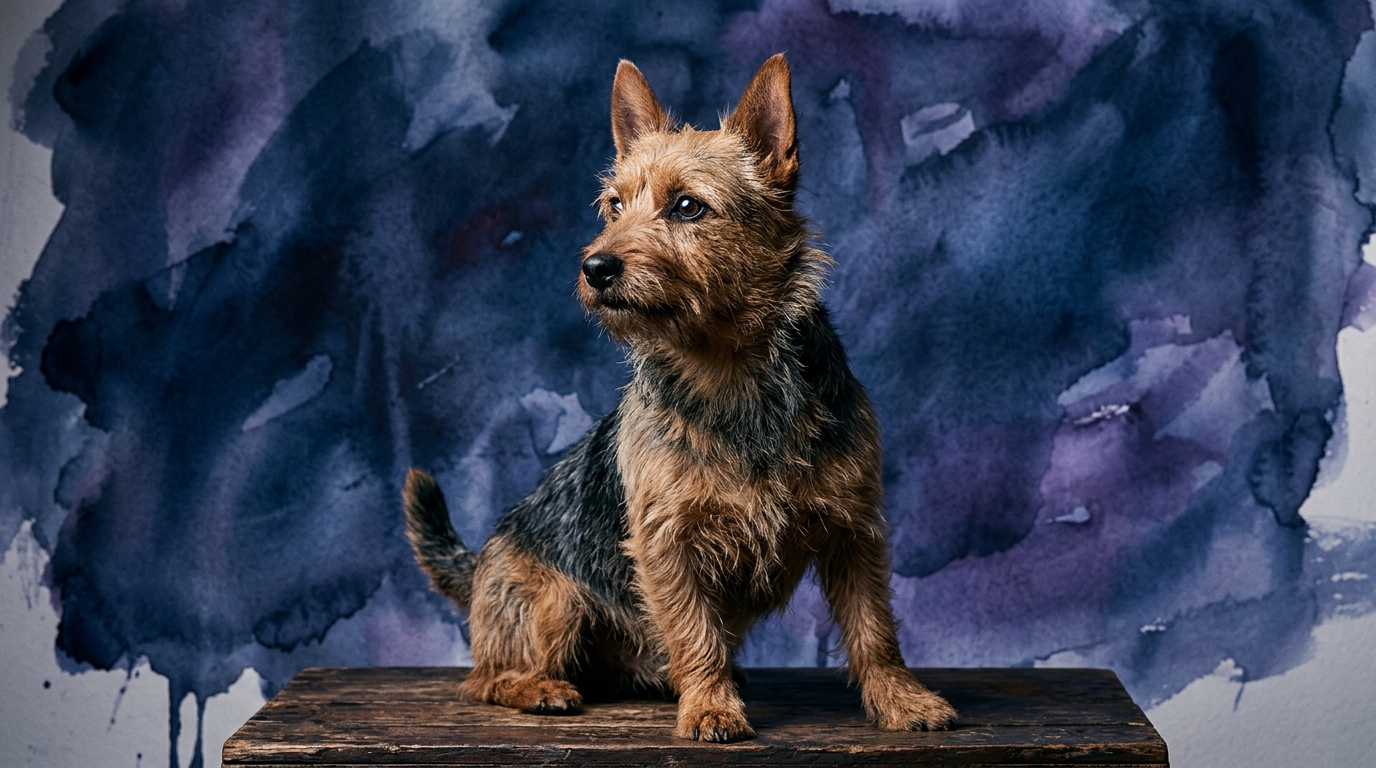
Mirroring the Wire Fox Terrier with 3/5 in every category, the Australian Terrier’s cognitive landscape, while equally capable, presents a different flavor. Their problem-solving at 3/5 is typically characterized by observation and a calculated approach; they might watch a situation unfold before acting, often employing wit and smaller stature. The 3/5 training speed implies a steady learning curve, though their sensitive nature necessitates a gentle, positive reinforcement strategy. Social intelligence, also 3/5, tends to be expressed as strong devotion to their inner circle and a discerning, sometimes reserved, approach to strangers, preferring observation before engagement. Their instinctive drive, at 3/5, is strongly tied to their alert, watchful nature, manifesting as territorial guarding and an innate drive to pursue small prey. Their memory, also 3/5, is particularly strong for familiar routines, home comfort, and the nuances of their owner's expectations.
Wire Fox Terrier's Edge: Bold Problem-Solving and Adaptability
While both breeds share a 3/5 problem-solving score, the Wire Fox Terrier often demonstrates a more robust and persistent approach when faced with a challenge. Their cognitive strength lies in their adventurous spirit; they are less likely to give up on a puzzle or a perceived barrier, employing a trial-and-error method with an almost relentless optimism. This manifests as a willingness to push boundaries, explore new solutions, and physically manipulate their environment to achieve a desired outcome, whether it's figuring out a complex toy or finding a way through a seemingly impenetrable hedge. This boldness translates into a quicker adaptation to novel situations, making them excellent companions for owners who enjoy frequent changes in routine or location.
Their social intelligence, while rated 3/5, allows them to navigate new social dynamics with a distinct self-assurance. They are often the first to investigate a new scent or person, quickly assessing the situation and deciding on an appropriate level of interaction. This confident social processing means they tend to be less fazed by the hustle and bustle of new environments, readily engaging with varied individuals and other canines, provided they are well-socialized. Their memory, also 3/5, seems particularly attuned to adventurous escapades and the locations of exciting discoveries, making them excellent companions for owners who enjoy exploring new trails or engaging in varied outdoor activities.
Australian Terrier's Nuance: Observational Acuity and Deep Bonds
The Australian Terrier, with its consistent 3/5 scores, excels in a different realm of cognitive application. Their problem-solving, while equally effective, often stems from a more observational and calculated approach. Rather than immediate, physical engagement, an Australian Terrier might first assess a situation, learning from previous attempts or observing their human's actions before formulating their own strategy. This thoughtful processing makes them adept at understanding complex routines and anticipating events, often seeming to 'think ahead' in familiar contexts. Their smaller size and agility can then be used with precision to execute their well-thought-out plans, whether it's retrieving a hidden treat or navigating obstacles.
Their social intelligence, also 3/5, is characterized by a deep, discerning loyalty rather than broad social confidence. They form incredibly strong, nuanced bonds with their core family, often appearing to understand their owner's emotions and intentions with remarkable clarity. This cognitive strength means they are highly attuned to subtle shifts in human behavior, making them excellent companions for those seeking a dog deeply connected to their emotional landscape. Their memory, also 3/5, shines in retaining the intricacies of their home environment, family routines, and the specific cues from their most cherished humans, creating a sense of predictability and security that they thrive upon.
Training Dynamics: Engagement vs. Sensitivity
When it comes to training ease, both breeds present unique considerations despite their identical 3/5 training speed scores. The Wire Fox Terrier’s problem-solving and instinctive drive, while valuable, can sometimes translate into a training challenge. Their bold, independent nature means they learn commands quickly, but their willingness to consistently obey often depends on the excitement and novelty of the task. They require highly engaging, varied training sessions to prevent boredom and harness their energetic drive. Without consistent mental stimulation and a clear understanding of boundaries, their 3/5 problem-solving can be directed towards outsmarting their human or finding their own entertainment, which might manifest as digging, chasing, or exploring forbidden areas. Their memory for exciting events also means they are less likely to forget a rewarding 'rule-breaking' experience, requiring diligent consistency from their trainer.
The Australian Terrier, on the other hand, while equally capable with a 3/5 training speed, can be more sensitive to correction and thrives on positive reinforcement. Their deep social intelligence within their trusted circle means they are often eager to please their primary owner, but harsh methods can quickly lead to resistance or withdrawal. Their observational problem-solving means they often learn by watching and connecting consequences to actions, making clear, consistent feedback vital. While their instinctive drive (3/5) is present, it often manifests as vigilance and barking, requiring specific training to manage rather than a constant need for high-octane physical challenges. Their memory for routines and emotional states means they remember positive interactions and gentle guidance well, making them responsive to patient, kind training approaches.
Lifestyle Compatibility: Energetic Ventures vs. Thoughtful Companionship
For owners with an active lifestyle, the Wire Fox Terrier often aligns seamlessly with their energy and desire for adventure. Their robust 3/5 instinctive drive and bold problem-solving capabilities mean they thrive on varied physical activities, from agility courses and long hikes to interactive games that challenge their intellect. They are dogs that appreciate a consistent outlet for their exuberance and curiosity, making them excellent partners for running, exploring new terrains, or participating in dog sports. A relaxed owner might find the Wire Fox Terrier's boundless energy and investigative nature overwhelming, as their lack of sufficient mental and physical engagement can lead their 3/5 cognitive abilities to be channeled into less desirable behaviors around the home.
The Australian Terrier, while still an active breed with a 3/5 instinctive drive, can be a more adaptable choice for owners who prefer a slightly less intense pace, leaning towards thoughtful companionship. They enjoy regular walks, playtime, and mental enrichment, but might be content with a good romp in the yard combined with indoor puzzle games. Their observational intelligence and strong social bonds mean they appreciate being close to their family, often acting as a watchful companion. A relaxed owner who can provide consistent, moderate exercise and plenty of indoor mental stimulation will find the Australian Terrier a rewarding partner. However, it's crucial to note that 'relaxed' does not equate to 'sedentary'; both breeds require daily engagement to prevent boredom and ensure their cognitive and physical needs are met.
The Verdict
Opt for the Wire Fox Terrier if you seek a bold, adventurous companion eager to engage in varied activities and intellectual challenges, and are prepared to match their tenacious spirit with consistent, engaging training. They thrive with owners who embrace an active, explorative lifestyle and can channel their confident problem-solving into productive pursuits.
Choose the Australian Terrier if you desire a deeply loyal, observant companion who thrives on routine and forms strong emotional bonds, and are ready to provide patient, positive training for their sensitive yet watchful nature. They suit owners who appreciate a discerning intellect and can offer consistent, moderate engagement along with dedicated companionship.
🧠 Find Your Pet's IQ Score
Our Pet IQ Lab assessment covers 25+ tests across 5 cognitive dimensions — personalized to your breed.
Take the Full IQ Test →Frequently Asked Questions
Are Wire Fox Terriers better at obedience than Australian Terriers?
Neither breed is inherently "better" at obedience, as both score 3/5 in training speed; their training approach differs. Wire Fox Terriers learn quickly but require engaging, varied sessions to maintain focus against their independent spirit, while Australian Terriers respond best to gentle, positive reinforcement due to their sensitive nature. Consistent, appropriate training methods are key for both.
Which breed is more prone to destructive behaviors due to lack of mental stimulation?
Both breeds, with their 3/5 instinctive drive and problem-solving, can exhibit destructive behaviors if not adequately stimulated. However, the Wire Fox Terrier's bolder, more physically investigative problem-solving and higher energy levels might lead to more overt destructive actions like digging or chewing if their considerable need for mental and physical engagement is unmet.
How do their social intelligences differ in a multi-pet household?
With both scoring 3/5 in social intelligence, their approach differs. Wire Fox Terriers tend to be more outwardly confident and direct, often integrating into multi-pet households with a boisterous, playful demeanor, quickly establishing their place. Australian Terriers, while forming deep bonds with their family, might be more discerning or reserved with new animal companions, preferring to observe before fully accepting them into their trusted circle.