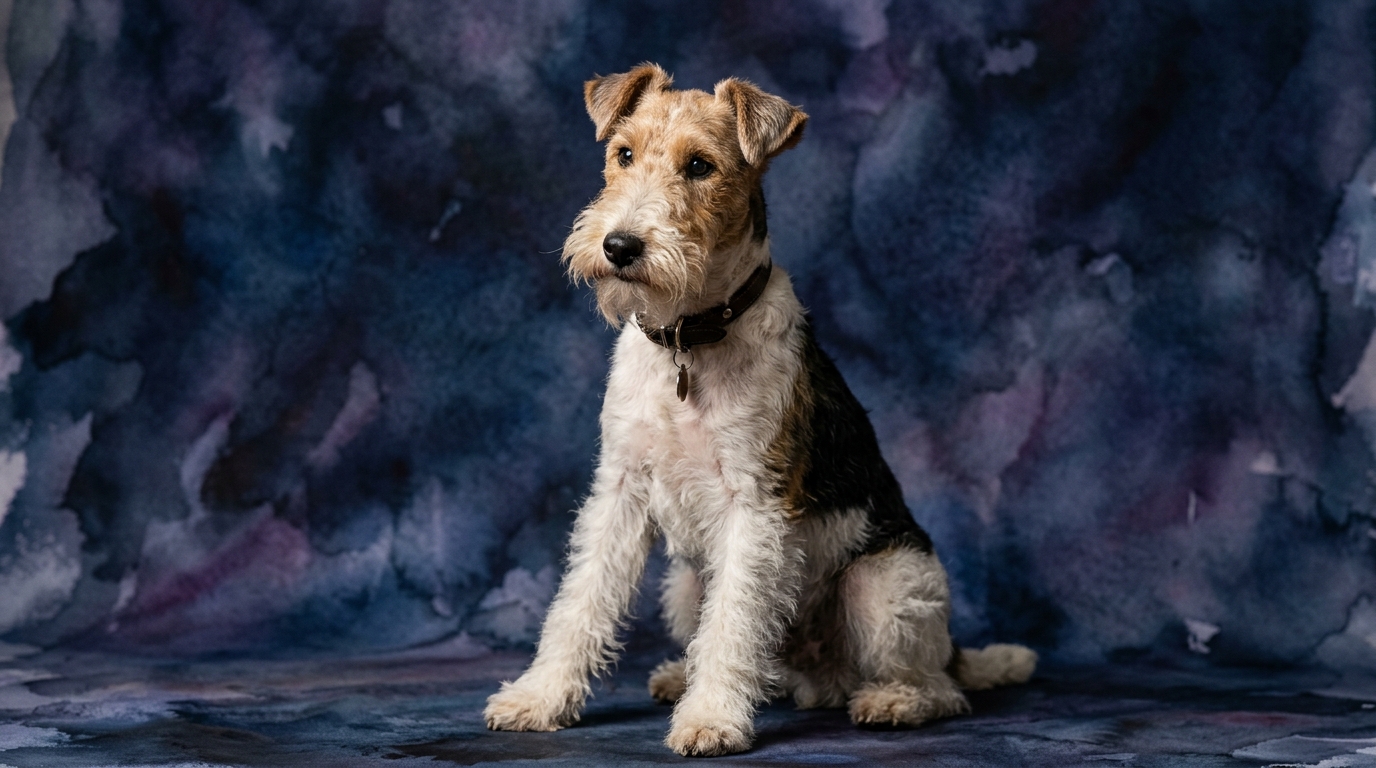
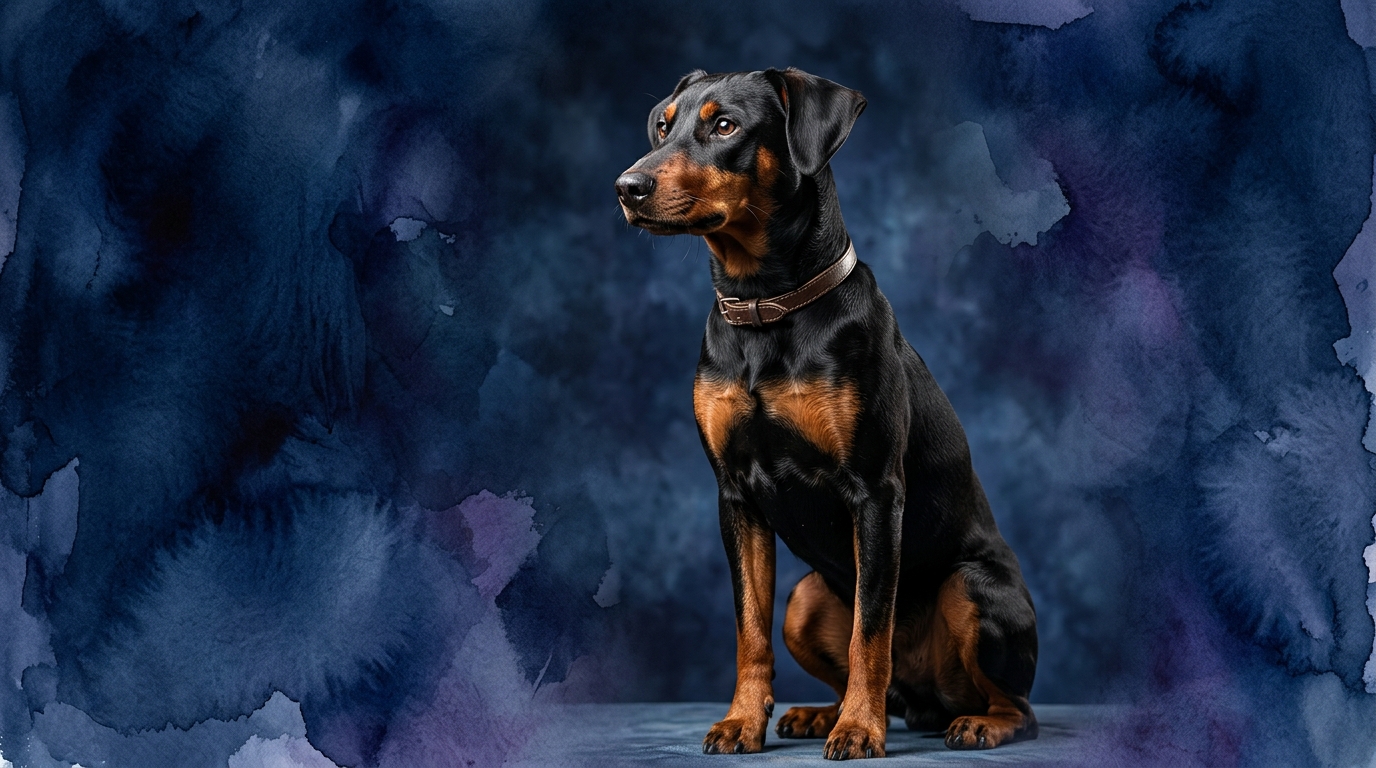
Side-by-Side Cognitive Profiles: Wire Fox Terrier vs. German Pinscher
At The Cosmic Pet Pet IQ Lab, we assess canine intelligence across five key dimensions. Both the Wire Fox Terrier (WFT) and the German Pinscher (GP) register a balanced 3 out of 5 across all categories, indicating a solid, adaptable cognitive foundation. However, the manifestation of these scores differs significantly due to their distinct histories and breed purposes.
For the Wire Fox Terrier, a score of 3/5 in Problem Solving reflects their capacity to independently strategize in pursuit of a goal, often involving overcoming physical barriers or figuring out how to access hidden items, a legacy of their vermin-hunting past. Training Speed at 3/5 suggests they grasp new concepts readily, but their independent nature often means applying these lessons requires consistent motivation. Social Intelligence at 3/5 indicates they understand human cues and household dynamics, yet might prioritize their own immediate interests, especially if a strong prey drive is engaged. Instictive Drive at 3/5 is prominently expressed through their unwavering determination to dig, bark, and pursue, embodying the tenacious terrier spirit. Their Memory, also 3/5, allows them to retain complex sequences and locations with good accuracy.
The German Pinscher, with identical 3/5 scores, interprets these dimensions through a different lens. Their Problem Solving at 3/5 often manifests as a keen ability to assess novel situations, such as identifying potential threats or understanding the workings of household mechanisms, reflecting their historical role as farm guardians. Training Speed at 3/5 means they learn commands swiftly, often eager to engage in structured tasks, though their assertive nature requires clear leadership. Social Intelligence at 3/5 highlights their attentiveness to family members' moods and intentions, coupled with a vigilant awareness of strangers, crucial for their protective instincts. Instictive Drive at 3/5 is strong in their territoriality, watchfulness, and desire to participate actively in family life, often channeling into structured work. Their Memory, also 3/5, allows them to recall routines, boundaries, and who belongs within their perceived territory with reliable precision.
Where the Wire Fox Terrier's Cognition Shines Brightest
While both breeds possess a robust cognitive toolkit, the Wire Fox Terrier truly excels in tasks demanding independent thought and tenacious physical problem-solving. Their terrier heritage means they are wired to persistently explore, dig, and manipulate their environment to achieve a goal, often without direct human instruction. This makes them particularly adept at puzzle toys that require intricate paw and nose work, or navigating complex scent trails. Their 3/5 problem-solving score is less about following a human's plan and more about devising their own solution when faced with an obstacle, demonstrating a self-directed cognitive drive. For instance, a WFT might spend hours figuring out how to retrieve a toy from under a sofa, employing various strategies, where another breed might give up or wait for assistance. This self-reliance in navigating and altering their immediate physical world is a distinct cognitive advantage.
Their instinctive drive, also rated 3/5, underpins this cognitive strength. It's not just a physical urge, but a mental one that fuels their focus on specific, often singular, objectives. When a WFT locks onto a scent or a perceived target, their problem-solving skills become highly focused on achieving that outcome, demonstrating a remarkable capacity for sustained attention and strategic thinking within their sphere of interest. This makes them excellent candidates for earthdog trials or advanced scent work, where their cognitive energy is channeled into their natural predispositions.
Where the German Pinscher's Cognition Takes the Lead
The German Pinscher, stemming from a working and guarding background, exhibits cognitive strengths that lean towards vigilance, responsiveness to structured tasks, and an acute understanding of their social environment. Their 3/5 problem-solving ability often manifests as a keen observational intelligence, quickly discerning patterns in their surroundings and identifying anomalies. This makes them exceptional at tasks requiring discernment, such as differentiating between familiar and unfamiliar sounds or recognizing subtle changes in their owner's demeanor. Their cognitive strength lies in their ability to process environmental cues rapidly and make informed decisions, often related to protection or adherence to established routines.
The German Pinscher's 3/5 social intelligence is particularly strong in its application to family dynamics and territory management. They process social information with a purpose, understanding who belongs, who is an outsider, and how to react appropriately to maintain order. This isn't just about reading a mood, but about acting upon that understanding in a protective yet controlled manner. Their memory (3/5) supports this by allowing them to reliably recall boundaries, past interactions, and established household rules, contributing to their reputation as reliable guardians. They thrive in environments where their cognitive abilities are harnessed for specific, directed tasks that leverage their innate desire to work alongside their human companions, making them shine in obedience and protection sports.
Ease of Training: Understanding Behavioral Nuances
Despite both breeds scoring 3/5 in training speed, their underlying behavioral profiles dictate a different training experience. The Wire Fox Terrier learns quickly but often applies that knowledge with a strong independent streak. Their problem-solving (3/5) and instinctive drive (3/5) can sometimes be at odds with human commands; they might understand 'come' but choose to pursue a squirrel instead, believing their own mission is more pressing. Training a WFT requires immense consistency, creativity, and a positive reinforcement approach that makes complying more appealing than their independent pursuits. They respond best to trainers who can make learning a game, tapping into their natural curiosity and drive without stifling their spirit. Expect to work on proofing commands in distracting environments more rigorously with a WFT, as their focus can be easily diverted by environmental stimuli.
The German Pinscher, while equally quick to learn (3/5 training speed), generally exhibits a higher degree of biddability and a desire to work collaboratively with their owner. Their strong social intelligence (3/5) means they are often more attuned to their handler's expectations and derive satisfaction from performing tasks correctly for their human. However, their assertive nature means they require a firm, fair, and consistent leader. They will test boundaries, and without clear guidance, their protective instincts and strong will can lead to undesirable behaviors. Training a GP involves establishing clear rules and expectations from an early age, channeling their energy and intelligence into constructive outlets like advanced obedience, agility, or even protection work. While they might be more eager to please, their intensity requires an experienced hand to guide their formidable intelligence and drive.
Matching Canine Cognition to Lifestyle: Active vs. Relaxed Owners
Choosing between a Wire Fox Terrier and a German Pinscher often comes down to an owner's lifestyle and their preferred interaction style with a dog. The Wire Fox Terrier, with its independent problem-solving and vigorous instinctive drive (both 3/5), is an ideal companion for active owners who thrive on outdoor adventures and enjoy a dog with a distinct, self-assured personality. They require significant mental and physical engagement daily, enjoying activities like hiking, earthdog trials, agility, or long, varied walks that allow them to explore and 'hunt'. A relaxed owner might find the WFT's relentless curiosity and high energy overwhelming, as their cognitive need to investigate and their physical need to move are constant. They are not content to simply observe; they want to participate and influence their environment, making them unsuitable for a sedentary lifestyle.
The German Pinscher, with its keen observational intelligence, strong social awareness (both 3/5), and desire for structured activity, suits active owners who also appreciate a vigilant, engaged companion. They excel with owners who enjoy dog sports, advanced obedience, or even roles where their guarding instincts are appreciated and managed, such as a family watch dog with a secure yard. While they are energetic and require daily exercise, their activity often has a more directed purpose, whether it's a brisk walk with a clear route or a training session. A more relaxed owner, or one who cannot provide consistent leadership and mental stimulation, might find the GP's assertiveness and territorial instincts challenging. They need a 'job' or consistent engagement to channel their cognitive and physical energy productively, making them less suitable for owners seeking a purely passive companion.
The Verdict
Choose the Wire Fox Terrier if you're an active, patient owner who values an independent, tenacious problem-solver eager for adventure and can provide consistent, engaging mental and physical outlets.
Opt for the German Pinscher if you're an active, confident leader seeking a vigilant, highly responsive companion for structured activities and appreciate a dog that thrives on purpose and partnership.
🧠 Find Your Pet's IQ Score
Our Pet IQ Lab assessment covers 25+ tests across 5 cognitive dimensions — personalized to your breed.
Take the Full IQ Test →Frequently Asked Questions
Are Wire Fox Terriers difficult to train due to their independence?
Wire Fox Terriers are quick learners but their independence and strong instinctive drives mean training requires immense consistency, patience, and creative motivation. They respond best to engaging, game-based positive reinforcement that makes compliance more rewarding than their self-directed pursuits.
Do German Pinschers make good family dogs despite their guarding instincts?
German Pinschers can be excellent family dogs, forming strong bonds with their human companions due to their high social intelligence. However, their protective instincts and assertive nature require early socialization, consistent training, and clear leadership to ensure they are well-adjusted and safe around various people and situations.
Which breed is better for agility or dog sports?
Both breeds can excel in dog sports, but in different ways. Wire Fox Terriers bring incredible speed and agility, thriving in sports that leverage their independent problem-solving and drive. German Pinschers, with their biddability and focus, are often highly trainable for precision-based sports like obedience and can also shine in agility with a confident handler.