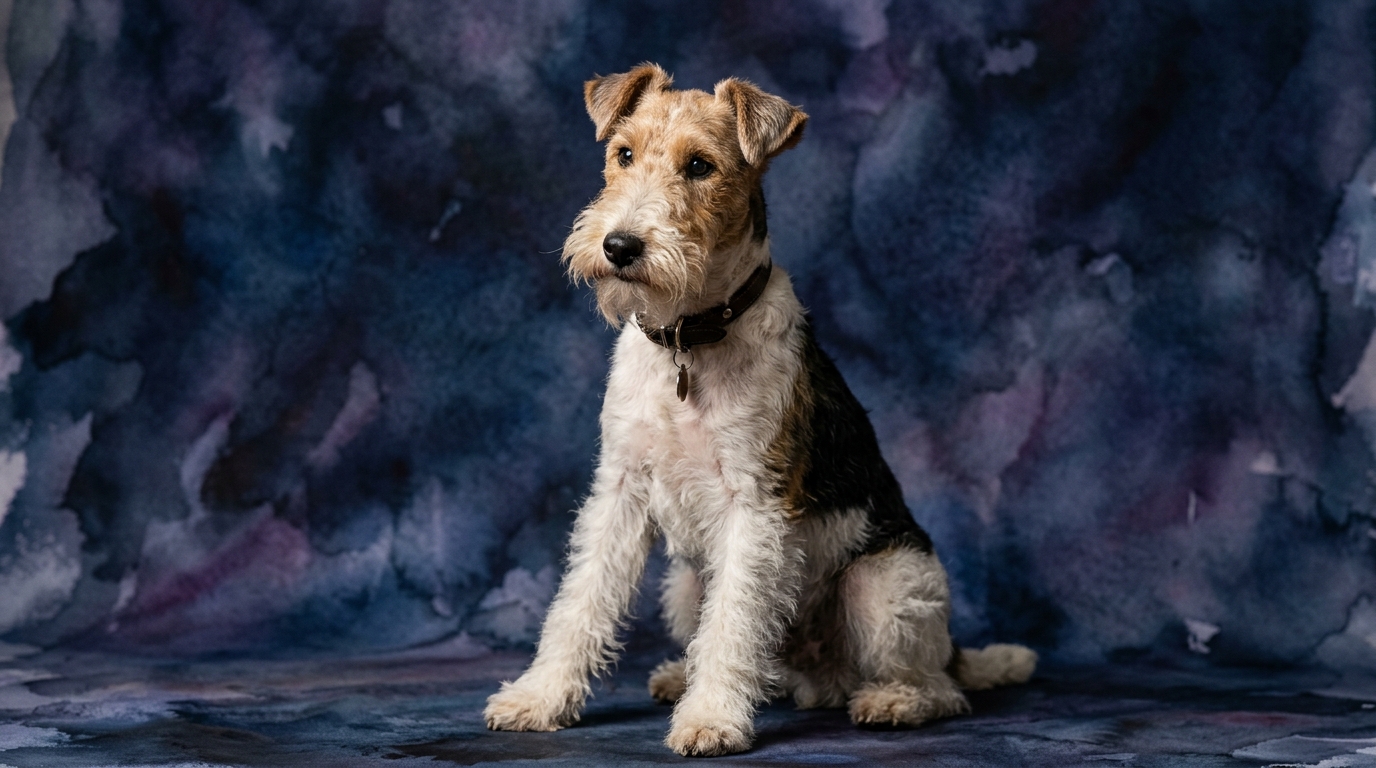
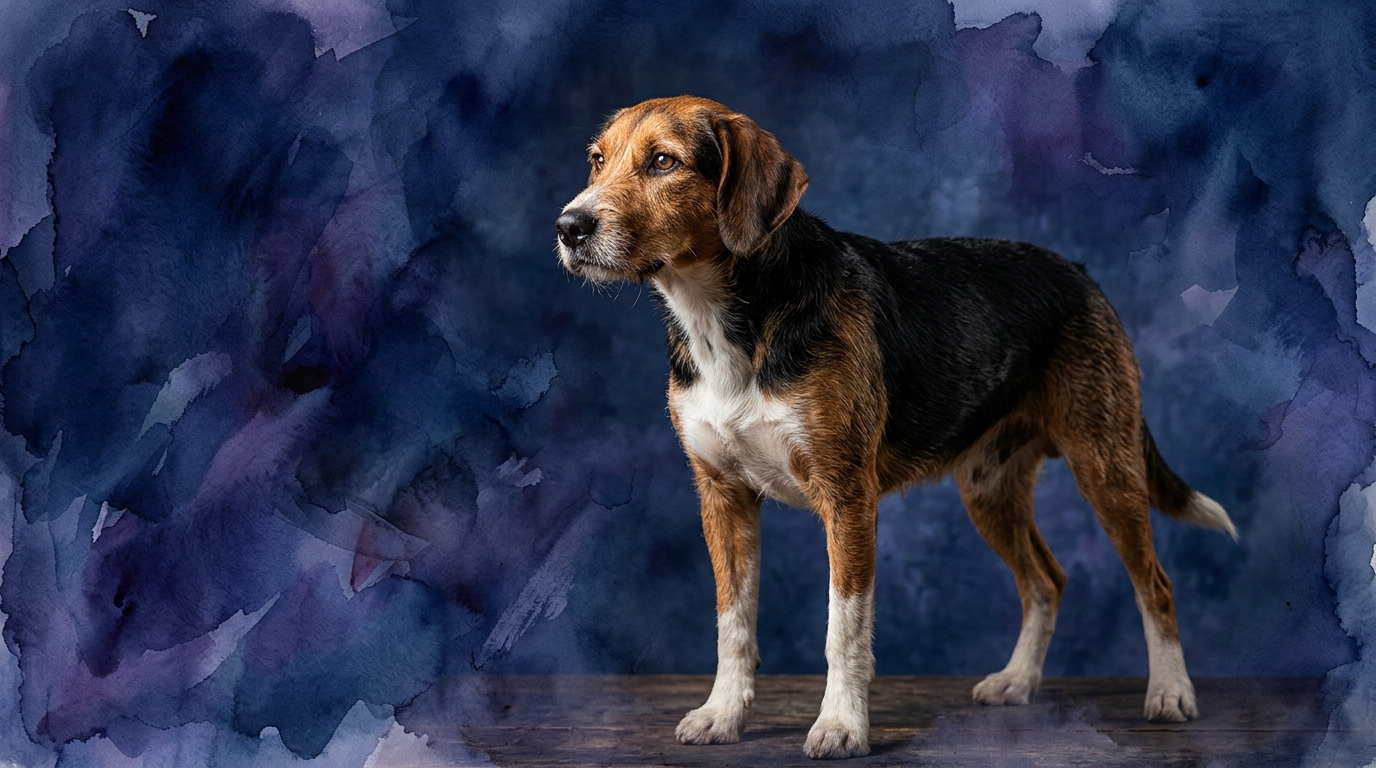
Side-by-Side Cognitive Profile
The Cosmic Pet Pet IQ Lab provides a standardized framework for assessing canine intelligence across five key dimensions. For both the Wire Fox Terrier and the Harrier, these assessments yield identical scores of 3/5 in every category, suggesting a balanced and capable cognitive makeup, yet their practical application varies significantly.
**Wire Fox Terrier:**
**Problem Solving (3/5):** This breed often approaches challenges with a tenacious, independent spirit. Their problem-solving typically involves figuring out how to access a desired object or location, often through persistence, digging, or clever manipulation. Their terrier nature means they might devise ways to outsmart perceived obstacles or prey, sometimes leading to creative but potentially mischievous solutions.
**Training Speed (3/5):** Wire Fox Terriers learn commands at a respectable pace, but their independent streak and strong prey drive can make consistency a training hurdle. They are capable of understanding complex tasks, yet their willingness to comply often depends on their perceived value of the reward and the engagement level of the training session.
**Social Intelligence (3/5):** These dogs form strong bonds with their immediate human family, often reading their cues and moods with accuracy. While generally amiable, their social circle tends to be more selective, and they may exhibit a reserved or assertive demeanor towards unfamiliar dogs or people without extensive early socialization.
**Instinctive Drive (3/5):** Their instincts are heavily geared towards hunting and pursuing small game. This manifests as a strong urge to dig, chase, and bark, reflecting their original purpose of flushing foxes from dens. This drive is a powerful motivator but also a significant factor to manage in a domestic setting.
**Memory (3/5):** Wire Fox Terriers possess a solid memory for commands, routines, and experiences. They recall learned behaviors effectively, yet their memory also extends to remembering past opportunities for mischief or where a tempting scent was last encountered, influencing future independent actions.
**Harrier:**
**Problem Solving (3/5):** Harriers typically engage in problem-solving through persistent application of their senses, particularly scent. Their challenges often involve tracking and following a trail, requiring sustained focus and methodical progression rather than quick, independent maneuvers. They excel at figuring out how to overcome environmental obstacles to maintain a course.
**Training Speed (3/5):** Harriers are generally amenable to training, learning at a good rate, especially when motivated by food or praise and when the training feels like a cooperative effort. Their pack mentality makes them responsive to direction, though their powerful scent drive can present a significant distraction, requiring patience and consistency.
**Social Intelligence (3/5):** Reflecting their pack heritage, Harriers are typically sociable and tolerant, often getting along well with other dogs and people. They are adept at understanding social cues within a group dynamic and thrive on companionship, making them generally adaptable to various household environments.
**Instinctive Drive (3/5):** The Harrier's primary instinctive drive is to hunt by scent, specifically to track and pursue game over long distances. This manifests as a strong desire to follow interesting smells, an endurance for sustained activity, and a vocalization (baying) when on a trail.
**Memory (3/5):** Harriers demonstrate good recall for established commands and routines, particularly those associated with their daily activities or training exercises. Their memory is also robust for scent trails and familiar routes, allowing them to navigate and perform tasks requiring spatial and olfactory recall effectively.
Where Wire Fox Terrier Wins Cognitively
Despite identical scores, the Wire Fox Terrier often demonstrates a more independent and resourceful form of problem-solving in novel domestic situations. Their terrier heritage imbues them with a drive to assess and overcome immediate obstacles, often without direct human guidance, which can be both impressive and challenging. For instance, a Wire Fox Terrier might more readily figure out how to open a child-proof gate, manipulate a complex puzzle toy, or retrieve a cherished item from an inaccessible spot through persistent trial-and-error and clever physical interaction. This reflects their historical role in independently navigating tight spaces and outsmarting prey. This innate ingenuity, coupled with a robust memory for past successes and failures, allows them to apply learned solutions to new, similar predicaments with a certain spirited determination, showcasing a cognitive agility in adapting to immediate environmental challenges.
Where Harrier Wins Cognitively
The Harrier’s cognitive strengths lie in their exceptional ability for sustained focus on sensory information, particularly scent, and their cooperative nature within a 'pack' context. While a Wire Fox Terrier might solve a puzzle quickly through physical interaction, a Harrier excels at methodical, long-term problem-solving that requires patience and dedication to a specific task, such as tracking a complex scent trail over varied terrain for extended periods. Their social intelligence, honed by centuries of working in packs, also gives them an edge in understanding subtle group dynamics and responding cooperatively to human direction in structured activities, making them adept at tasks requiring consistent, team-oriented effort rather than individualistic exploits. This means they are more likely to patiently follow a prolonged instruction set, demonstrating a cognitive persistence and biddability that is distinct from the terrier's independent resolve. Their memory for scent and routes is also incredibly specific and enduring, a key cognitive advantage for their breed purpose.
Which Is Easier to Train and Why
Determining which breed is 'easier' to train is nuanced, given their shared 3/5 training speed score, as their challenges stem from different behavioral roots. The Harrier, with its pack mentality and desire for cooperation, generally responds well to positive reinforcement and consistent guidance, often eager to please its human 'pack leader.' However, their profound instinctive drive to follow a scent can make recall challenging in off-leash environments, as a compelling smell can override learned commands. In contrast, the Wire Fox Terrier, while capable of learning quickly, often requires more creative and engaging training methods to overcome their independent, sometimes stubborn, nature. Their focus can be diverted by environmental stimuli, particularly anything resembling prey, and they may test boundaries more frequently. Therefore, the Harrier might be perceived as easier for an owner who values biddability and consistency in a controlled environment, while the Wire Fox Terrier demands an owner who enjoys the challenge of channeling a spirited intellect with varied, stimulating training.
Which Suits Active Owners vs Relaxed Owners
Both breeds are undeniably active, but their activity preferences diverge, making one more suitable for certain owner lifestyles. The Harrier thrives on sustained, moderate-to-high intensity exercise that engages their powerful scent drive, such as long hikes, jogging, or scent work. They are built for endurance and require consistent opportunities to stretch their legs and explore, making them ideal for active owners who enjoy outdoor adventures and can provide ample space for them to roam safely. A relaxed owner might struggle to meet the Harrier's need for daily, prolonged physical and mental engagement, potentially leading to restlessness. The Wire Fox Terrier, while also energetic, prefers bursts of intense activity, like agility, fetch, or vigorous play, interspersed with periods of rest. They need mental stimulation to prevent boredom, but their exercise requirements are often met with shorter, more intense sessions. An active owner will appreciate their zest for life, but even a moderately active owner who enjoys interactive play and mental puzzles can satisfy a Wire Fox Terrier, provided they can manage their independent spirit and ensure consistent engagement.
The Verdict
Choose the Wire Fox Terrier if you appreciate a spirited, independent companion who thrives on mental challenges and interactive play, and you are prepared to channel their tenacious problem-solving with consistent, engaging training.
Opt for the Harrier if you seek a cooperative, sociable canine partner for long outdoor adventures, valuing their methodical persistence and amiable pack-oriented nature, and can manage their profound scent-driven focus.
🧠 Find Your Pet's IQ Score
Our Pet IQ Lab assessment covers 25+ tests across 5 cognitive dimensions — personalized to your breed.
Take the Full IQ Test →Frequently Asked Questions
Do Wire Fox Terriers and Harriers have similar energy levels?
Both breeds are active, but their energy manifests differently. Wire Fox Terriers prefer bursts of intense play and mental challenges, while Harriers require sustained endurance activities like long runs or scent tracking, reflecting their hunting heritage.
Which breed is generally better with children?
Harriers, due to their pack mentality and generally tolerant nature, often adapt well to families with children, provided proper introductions and supervision. Wire Fox Terriers can be good with respectful children but may be less tolerant of rough play and require more careful socialization.
Can either breed live in an apartment?
While both are active, a Wire Fox Terrier might adapt better to apartment living if provided with sufficient mental stimulation and regular, vigorous exercise sessions. Harriers typically require more space and prolonged outdoor activity to satisfy their endurance needs, making apartment living more challenging without significant owner commitment to exercise.