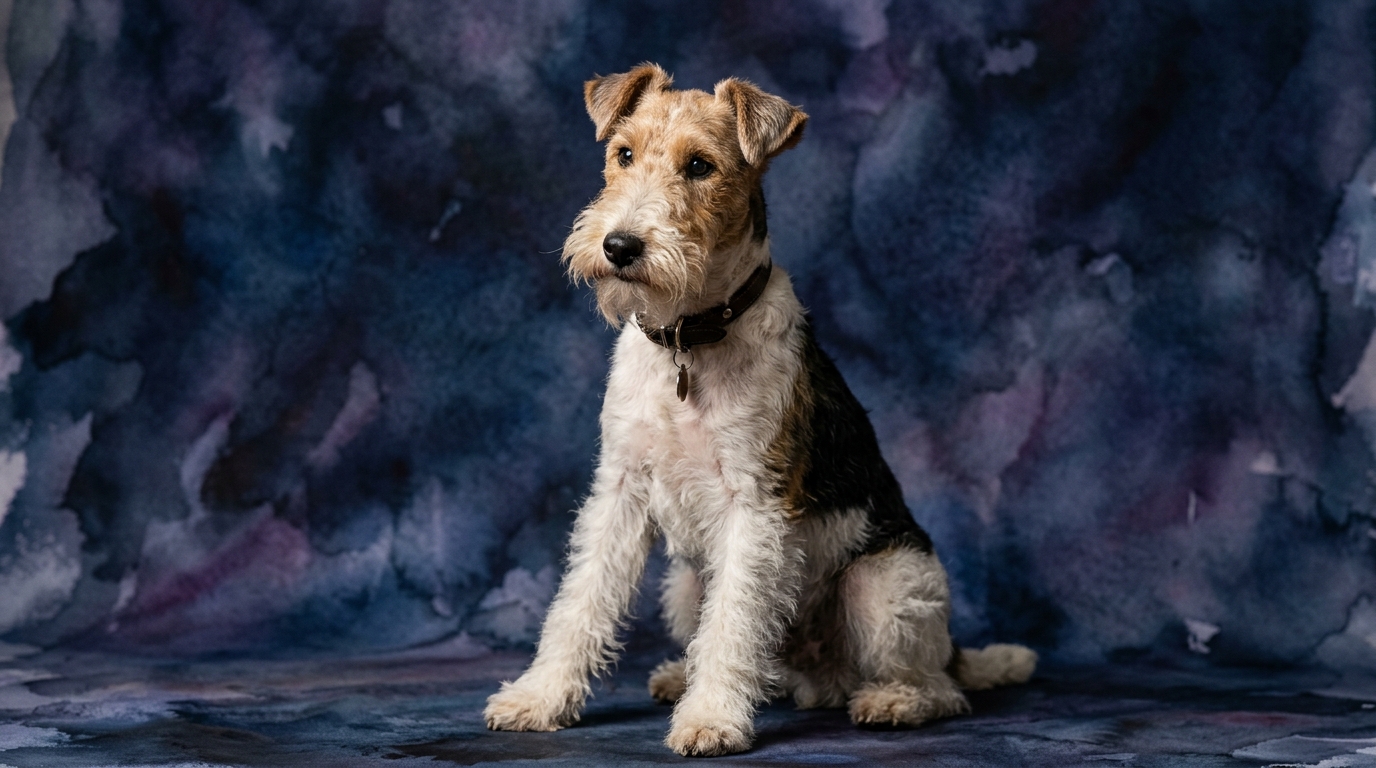

Side-by-Side IQ Profile: Unpacking Identical Scores
At first glance, the IQ scores for both the Wire Fox Terrier and the Lhasa Apso appear identical across the board, each earning a 3/5 rating for Problem Solving, Training Speed, Social Intelligence, Instinctive Drive, and Memory. Yet, these identical scores manifest in remarkably different ways, shaped by their unique breed histories and intended purposes.
For Problem Solving (3/5), the Wire Fox Terrier demonstrates this by ingeniously navigating complex outdoor environments, figuring out how to access burrows, or outsmarting small prey. The Lhasa Apso, conversely, applies its 3/5 problem-solving to mastering household routines, cleverly manipulating situations to secure a preferred spot on the sofa, or navigating the social dynamics of their human family.
Training Speed (3/5) for the Wire Fox Terrier means they grasp new commands and concepts quickly, but their strong will and independent nature can sometimes make consistent application a challenge. The Lhasa Apso also learns at a moderate pace, but their independent, sometimes stubborn streak means they often require more patience and positive reinforcement to consistently execute commands, especially if they don't perceive an immediate benefit.
Social Intelligence (3/5) in a Wire Fox Terrier is expressed through their keen ability to read human cues for adventure or play, forming strong bonds with their primary caregivers, though they can be assertive with strangers or other dogs. The Lhasa Apso's social intelligence shines in their deep attunement to their owner's moods and household dynamics, forming profound loyalties while often maintaining a reserved or suspicious demeanor towards outsiders, reflecting their ancient role as a sentinel.
Instinctive Drive (3/5) for the Wire Fox Terrier is undeniably rooted in their terrier heritage, manifesting as a potent urge to dig, chase, and bark, often directed at perceived prey. The Lhasa Apso's 3/5 instinctive drive is primarily expressed as a strong guarding instinct, territorial vocalization, and an unwavering desire for companionship, reflecting their historical function as temple guardians and devoted family members.
Memory (3/5) in the Wire Fox Terrier is evident in their ability to recall training, remember the locations of interesting scents or buried treasures, and navigate familiar territories. The Lhasa Apso’s memory is strong for routines, people, and past interactions, meticulously remembering who belongs and who doesn't, contributing to their effective guardianship of the home.
Where Wire Fox Terrier Wins Cognitively
Despite identical numerical scores, the Wire Fox Terrier demonstrates a distinct cognitive edge in scenarios demanding active, independent problem-solving and immediate environmental adaptation. Their terrier spirit fuels a superior resourcefulness in dynamic, outdoor settings. They excel at deciphering physical puzzles, such as navigating varied terrains or finding hidden objects, driven by their inherent hunting instincts.
Their cognitive strength lies in a quick, decisive reaction to novel stimuli and an unwavering persistence in achieving a goal. This makes them particularly adept at activities requiring agility, quick thinking, and independent decision-making in a rapidly changing environment. Owners observe this as a dog that can 'think on its feet,' adapting rapidly to unexpected turns during a walk or quickly devising a strategy to retrieve a toy from a challenging spot.
Where Lhasa Apso Wins Cognitively
The Lhasa Apso, while not built for the chase, excels in a different realm of cognitive prowess, particularly in observational learning and social acumen within a domestic setting. Their 3/5 social intelligence manifests as a profound ability to observe and interpret human routines and emotional states, learning how to subtly influence their environment to maximize comfort and companionship.
Their cognitive strength is also evident in their meticulous environmental awareness, particularly within their home territory. They possess a keen memory for the spatial details of their domain and an acute ability to detect and remember changes, making them exceptional, albeit sometimes vocal, sentinels. This focused, home-centric intelligence allows them to be highly attuned to their family's needs and the nuances of their immediate surroundings.
Which Is Easier to Train and Why
Assessing ease of training between these two breeds, both rated 3/5 for Training Speed, requires understanding their inherent motivations and behavioral patterns. Wire Fox Terriers can learn commands quickly due to their alertness and desire for engagement, but their strong instinctive drive and independent terrier spirit mean they might quickly become distracted by a more compelling scent or movement, choosing to follow their instincts over a command. Training a Wire Fox Terrier demands high consistency, engaging methods to prevent boredom, and a patient approach to impulse control.
Lhasa Apsos, while also learning at a moderate pace, often present a different training challenge rooted in their independent and sometimes discerning nature. They can be less immediately motivated by traditional rewards if they don't perceive the value or if they prefer their current comfortable state. Training a Lhasa Apso requires immense patience, positive reinforcement, and a deep understanding of their desire for routine and comfort, focusing on building a trusting relationship where they feel respected and understood, rather than coerced.
Which Suits Active Owners vs. Relaxed Owners
For owners with an active lifestyle, the Wire Fox Terrier is often the more suitable companion. Their instinctive drive (3/5) translates into a significant need for physical and mental stimulation, thriving on activities that allow them to explore, chase, and problem-solve. Long walks, hiking, earthdog trials, agility courses, and interactive games that tap into their natural curiosity and energy are essential to keep a Wire Fox Terrier content and well-behaved.
Conversely, the Lhasa Apso generally aligns better with more relaxed owners who appreciate a steadfast companion. While they enjoy regular walks and playtime, their exercise needs are typically more moderate. Their social intelligence (3/5) makes them thrive on close companionship and a predictable routine within the home environment, where they can fulfill their role as a watchful, loyal family member without requiring extensive outdoor adventures.
The Verdict
Choose a Wire Fox Terrier if you seek an energetic, independent partner for outdoor adventures and mental challenges, and are prepared for consistent, engaging training to channel their spirited drive.
Opt for a Lhasa Apso if you desire a loyal, discerning companion who thrives on routine and close family bonds, offering vigilant home security with moderate exercise needs and requiring a patient, understanding approach to training.
🧠 Find Your Pet's IQ Score
Our Pet IQ Lab assessment covers 25+ tests across 5 cognitive dimensions — personalized to your breed.
Take the Full IQ Test →Frequently Asked Questions
Are Wire Fox Terriers good with children?
Wire Fox Terriers can be good companions for older, respectful children who understand how to interact with a spirited and sometimes boisterous dog. Their energetic nature and assertive play style might be overwhelming for very young children, requiring careful supervision and early socialization to ensure positive interactions and teach appropriate boundaries.
Do Lhasa Apsos bark a lot?
Lhasa Apsos are known for their vigilant nature and can be prone to barking, particularly as a warning for perceived threats or strangers approaching their territory. Consistent training and early socialization can help manage this tendency, but their inherent guarding instinct means they will often alert their owners to novel sounds or sights within their domain.
What kind of mental stimulation do these breeds need?
Wire Fox Terriers thrive on puzzle toys, scent work, and varied training exercises that challenge their problem-solving skills and redirect their strong hunting instincts. Lhasa Apsos, while less physically demanding, benefit from routine, interactive play, and opportunities to observe their environment, enjoying puzzle toys that engage their observational intelligence and provide mild, enriching mental engagement.