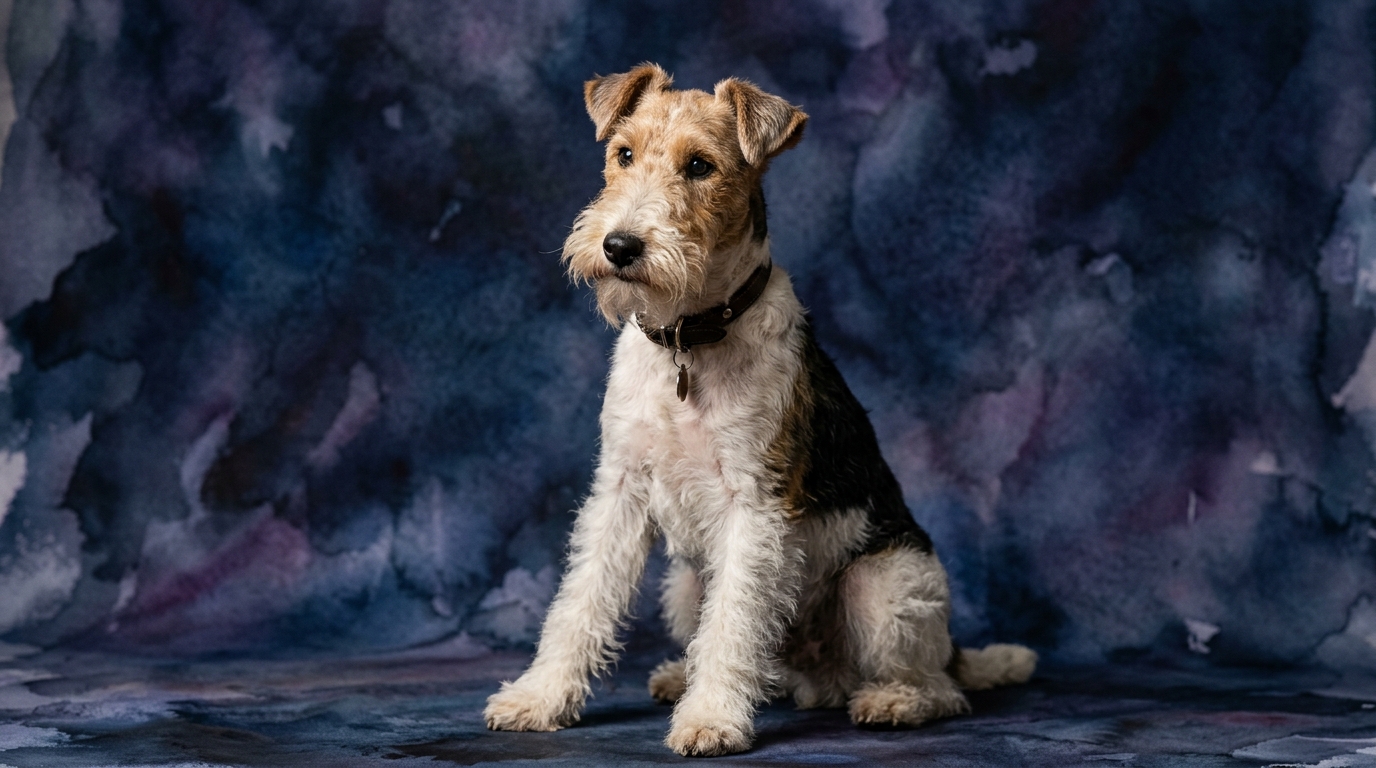
Side-by-Side IQ Profile: Wire Fox Terrier
**Problem Solving (3/5):** The Wire Fox Terrier applies its problem-solving acumen to tasks requiring independent thought and physical agility. This breed excels at figuring out how to navigate complex terrains, locate hidden objects, or outsmart small prey, often demonstrating a resourceful persistence in achieving its goals, even if those goals involve escaping a garden gate.
**Training Speed (3/5):** Wire Fox Terriers learn new commands and routines with moderate speed, absorbing information readily when engaged. However, their independent nature and keen environmental awareness mean that consistency and making training a stimulating game are crucial to maintain focus amidst distractions, especially those involving scent or movement.
**Social Intelligence (3/5):** Their social intelligence manifests in a discerning awareness of their immediate family unit, often forming strong, loyal bonds. They can gauge human moods and intentions but may exhibit a reserved or territorial stance towards unfamiliar individuals or other animals, relying on their instincts to assess potential threats or challenges.
**Instinctive Drive (3/5):** This breed's instinctive drive is profoundly shaped by its original purpose: bolting foxes. This translates into a strong prey drive, a persistent digging impulse, and a tendency to bark at perceived intruders or interesting stimuli, all deeply ingrained behaviors that require thoughtful management.
**Memory (3/5):** Wire Fox Terriers possess a robust memory for spatial layouts, routines, and past experiences, both positive and negative. They can recall complex sequences of events or the location of previously hidden treasures, making them adept at remembering learned behaviors or, conversely, avoiding situations they found unpleasant.
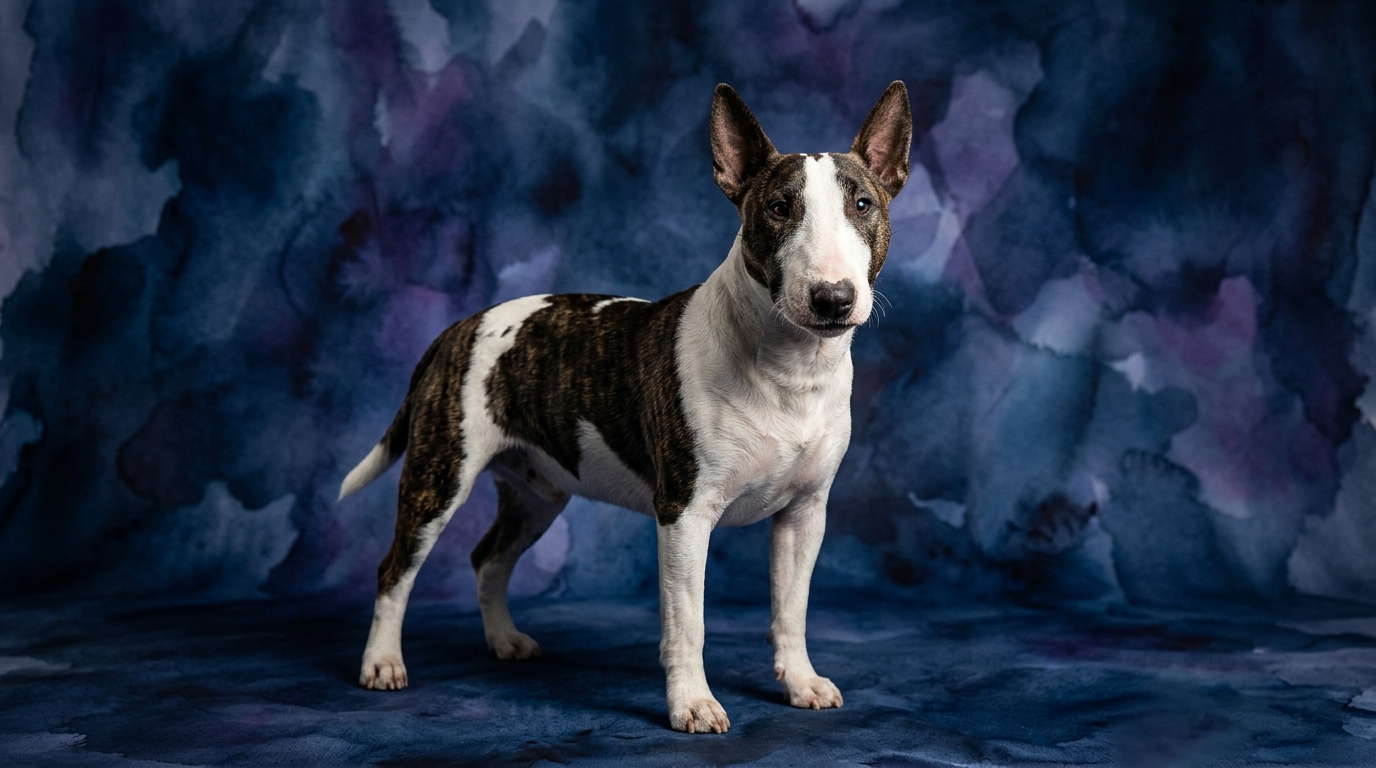
Side-by-Side IQ Profile: Miniature Bull Terrier
**Problem Solving (3/5):** Miniature Bull Terriers approach problem-solving with a blend of determination and often a touch of playful mischief. They are adept at devising creative strategies to gain attention, access desired items, or manipulate situations to their advantage, frequently employing their unique blend of charm and stubbornness to achieve their aims.
**Training Speed (3/5):** While capable of understanding new commands with moderate speed, the Miniature Bull Terrier's training progress can be influenced by their strong-willed personality. They require patient, positive reinforcement and a trainer who understands how to make learning fun and engaging, as they thrive on interaction but can quickly lose interest if bored or coerced.
**Social Intelligence (3/5):** Their social intelligence shines in their deep connections with their human companions, often displaying a sensitive awareness of family dynamics and emotional cues. They can be quite expressive in their affection and desire for inclusion, though their interactions with other dogs might be characterized by their assertive terrier personality.
**Instinctive Drive (3/5):** The Miniature Bull Terrier retains a strong chase instinct and a tenacious grip, remnants of its "Bull and Terrier" heritage, though these are often channeled into enthusiastic play and guarding their loved ones. They possess a persistent drive when focused on a task or a preferred toy, demonstrating a sturdy resilience.
**Memory (3/5):** Miniature Bull Terriers exhibit a sound memory for established routines, favored people, and learned commands. They are quick to remember where a treat was hidden or the consequences of certain actions, and they can recall complex social interactions, often holding onto perceived injustices or rewarding experiences.
Where Wire Fox Terrier Wins Cognitively
The Wire Fox Terrier often demonstrates a nuanced cognitive edge in situations demanding independent initiative and swift environmental assessment. Their historical role as fox bolters honed a specific type of problem-solving that involves quick decision-making in dynamic, unpredictable environments, making them particularly adept at tasks requiring rapid reactions to changing stimuli. This breed's memory for specific scents and terrain features also provides a distinct advantage in tracking and navigation over varied landscapes, allowing them to process and recall complex sensory information with remarkable precision.
Where Miniature Bull Terrier Wins Cognitively
Conversely, the Miniature Bull Terrier often excels in cognitive areas related to social manipulation and sustained, focused interaction with humans. Their problem-solving often involves figuring out intricate ways to engage their people, demonstrating a creative persistence in seeking attention or affection, often with a charmingly stubborn flair. Their social intelligence, while equally rated, leans towards a deeper emotional attunement with their primary caregivers, allowing them to pick up on subtle cues and adapt their behavior to maintain harmony within their human pack, often showcasing a unique blend of sensitivity and determination.
Which Is Easier to Train and Why
Determining which breed is 'easier' to train is less about raw learning capacity and more about managing inherent personality traits. The Wire Fox Terrier, while learning commands readily, possesses a strong independent streak and a potent prey drive that can make consistent compliance challenging in distracting environments. Their focus might quickly shift from a training cue to a scampering squirrel, requiring a trainer who can make learning more compelling than external stimuli. The Miniature Bull Terrier, on the other hand, can be quite sensitive and prone to stubbornness, meaning harsh methods are counterproductive. They respond best to positive reinforcement, patience, and a training approach that acknowledges their desire for engagement while gently guiding their strong will. Neither is inherently 'easy' in the conventional sense, as both demand an engaged, understanding trainer; however, the Wire Fox Terrier's distraction potential often contrasts with the Miniature Bull Terrier's occasional deliberate non-compliance, presenting different training hurdles.
Which Suits Active Owners vs. Relaxed Owners
For the truly active owner seeking a canine partner for adventures, the Wire Fox Terrier is often the more natural fit. Their boundless energy, agile physique, and inherent curiosity make them ideal companions for hiking, vigorous games of fetch, or structured dog sports like agility. They thrive on consistent mental and physical challenges, requiring an owner who can dedicate significant time to engaging their energetic minds and bodies daily. The Miniature Bull Terrier, while certainly enjoying activity and play, often possesses a more 'on-off' switch. They can be enthusiastic playmates and enjoy walks, but are also content to lounge and cuddle, fitting an owner who appreciates both spirited engagement and periods of relaxed companionship. They require activity to prevent boredom but might not demand the same relentless pace as a Wire Fox Terrier, making them suitable for owners who enjoy activity but also cherish downtime.
The Verdict
Choose the Wire Fox Terrier if you desire an agile, independent, and perpetually curious companion for an active, outdoor-oriented lifestyle, and you are prepared to channel their keen instincts.
Opt for the Miniature Bull Terrier if you seek a spirited, charming, and deeply loyal companion who thrives on close human interaction and appreciates a balanced routine of play and relaxed togetherness.
🧠 Find Your Pet's IQ Score
Our Pet IQ Lab assessment covers 25+ tests across 5 cognitive dimensions — personalized to your breed.
Take the Full IQ Test →Frequently Asked Questions
Do Wire Fox Terriers and Miniature Bull Terriers get along with other pets?
Wire Fox Terriers, with their strong prey drive, may require careful introductions and supervision around smaller pets, and their interactions with other dogs can be assertive. Miniature Bull Terriers can also be assertive with other dogs, especially those of the same sex, and their interactions benefit from early socialization and consistent management.
Are either of these breeds good for first-time dog owners?
Both breeds present unique challenges due to their terrier tenacity and strong personalities, making them generally better suited for experienced dog owners who understand terrier traits. Their need for consistent training, socialization, and mental stimulation can be demanding for novices.
What kind of mental stimulation do these breeds need to thrive?
Both breeds benefit immensely from interactive puzzle toys, scent work, and structured training sessions that challenge their problem-solving abilities. Wire Fox Terriers particularly enjoy activities that simulate hunting, while Miniature Bull Terriers thrive on games that involve their human family and offer opportunities for creative engagement.