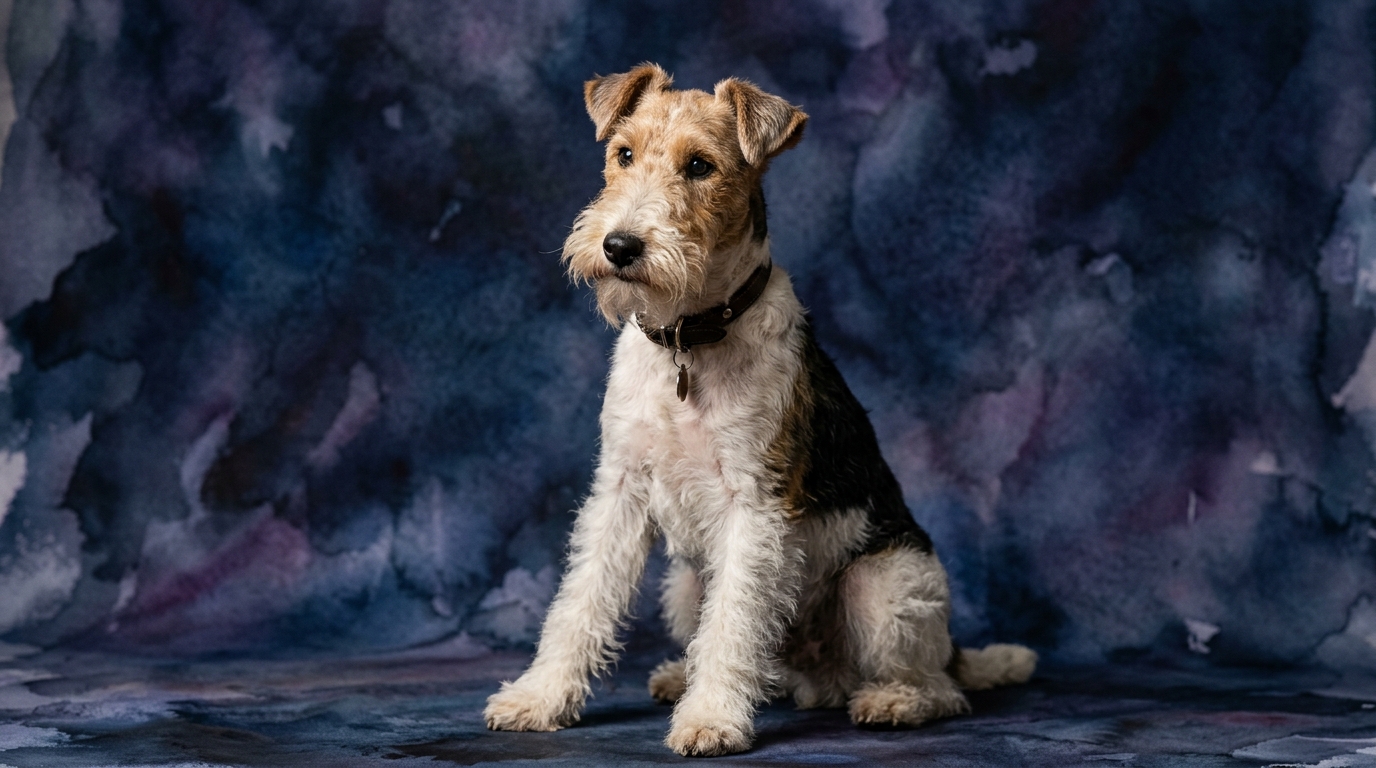
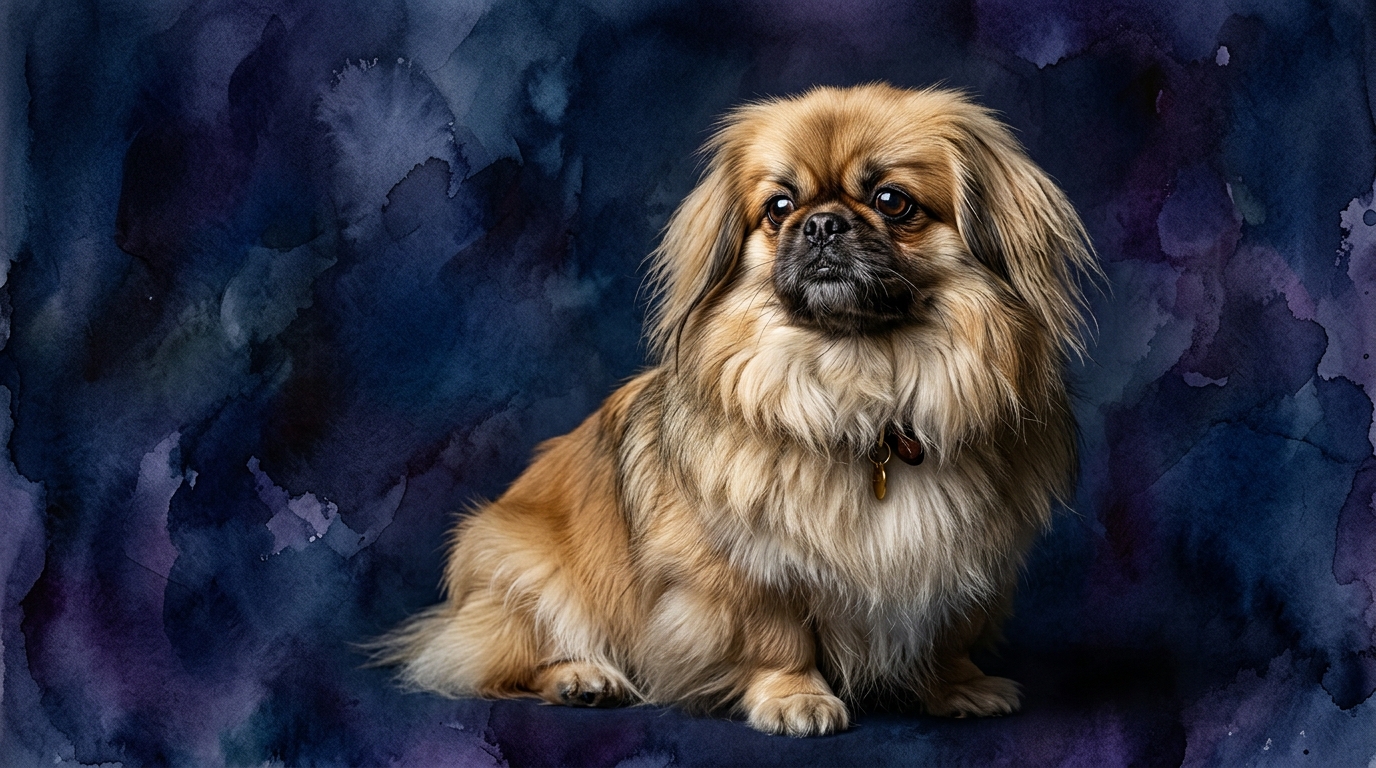
Side-by-side IQ profile
The Wire Fox Terrier’s 3/5 Problem Solving reflects a sharp mind often directed at independent tasks, like figuring out how to bypass obstacles or pursue a perceived quarry with determination. Their 3/5 Training Speed means they grasp concepts moderately well, but their independent spirit and innate drive can sometimes override immediate compliance, requiring engaging and consistent methods. With 3/5 Social Intelligence, they form strong bonds but maintain a degree of self-reliance, often prioritizing their instincts over human cues in stimulating environments. Their 3/5 Instinctive Drive is pronounced, fueling a keen interest in exploring, chasing, and digging, which forms a core part of their cognitive focus. Finally, their 3/5 Memory ensures they retain learned experiences and routines, particularly those relevant to their adventurous pursuits or past successes.
The Pekingese also scores 3/5 in Problem Solving, which for them often manifests as a cleverness in navigating their domestic world, adeptly securing comfort, attention, or preferred resources within the home. Their 3/5 Training Speed means they learn at a moderate pace, yet their regal independence can translate to a selective willingness to perform, often requiring positive reinforcement that appeals to their desire for comfort. A 3/5 in Social Intelligence highlights their acute awareness of household dynamics and human emotions, often using subtle cues to their advantage to foster deep, if sometimes demanding, companionship. Their 3/5 Instinctive Drive is geared towards territoriality, self-preservation, and seeking warmth or companionship, rather than active hunting. Their 3/5 Memory is robust for recalling routines, preferred people, and past interactions, contributing to their consistent and sometimes discerning nature.
Where Wire Fox Terrier wins cognitively
The Wire Fox Terrier, despite identical raw scores, often demonstrates a superior application of problem-solving and instinctive drive in dynamic, unpredictable environments. Their heritage as tenacious hunters of vermin means their 3/5 problem-solving isn't just about general intelligence; it's specifically geared towards independent decision-making under pressure, figuring out complex spatial puzzles to access prey, or devising strategies to overcome obstacles. This breed excels in sustained focus on a self-chosen task, leveraging their sharp senses and physical agility, a cognitive strength that might manifest as relentless pursuit or innovative escape artistry rather than compliance. Their memory is robust for tracking scents and recalling terrain features, making them particularly adept at navigating and re-navigating outdoor spaces with purpose.
Where Pekingese wins cognitively
The Pekingese shines in a different cognitive arena, primarily in their nuanced social intelligence and their ability to subtly influence their human companions. Their 3/5 social intelligence is less about independent action and more about sophisticated observation and manipulation within a domestic setting. They are masters of reading human body language and emotional states, often predicting routines and desires to secure comfort or attention. Their problem-solving, while also 3/5, is often directed at optimizing their environment for maximum ease, such as finding the warmest sunbeam or the most comfortable lap. The Pekingese memory is particularly strong for social interactions and routines that benefit them, ensuring they recall which human is most likely to offer a treat or which time of day promises a snuggle. Their Coren rank, while lower, reflects an independent spirit that chooses when to engage, a cognitive autonomy that is a strength in itself.
Which is easier to train and why
Training ease is less about raw intelligence and more about motivation and disposition. The Wire Fox Terrier, while possessing a 3/5 training speed, can be a challenge due to their inherent independence and strong prey drive. They learn quickly when motivated, but their terrier tenacity means they might decide their own agenda is more interesting than your commands, especially if a squirrel is involved. Effective training requires consistent, engaging, and positive reinforcement methods, often incorporating games and activities that tap into their natural instincts for chasing and problem-solving, rather than rote obedience. Their memory for past training means they retain commands, but their wilfulness can make compliance conditional.
The Pekingese, also with a 3/5 training speed, presents a different set of training considerations. Their Coren rank of #77 suggests they are not among the most eager to please breeds, often displaying a regal stubbornness. They learn at a moderate pace, but their cooperation is typically contingent on their comfort and perceived benefit. Training a Pekingese demands immense patience, positive reinforcement, and an understanding of their proud, independent nature. They often respond best to gentle, consistent methods that make learning feel like a collaborative effort, rather than a command. Their strong memory means they recall both positive and negative training experiences, making early, positive socialization and gentle handling crucial.
Which suits active owners vs relaxed owners
The cognitive profile of the Wire Fox Terrier makes them an ideal match for active owners who can provide ample mental and physical stimulation. Their 3/5 instinctive drive and problem-solving skills demand outlets like agility, earthdog trials, or long, exploratory hikes where they can engage their senses and independent thinking. Owners who appreciate a dog with a robust personality, a penchant for adventure, and the cognitive energy to match their own active lifestyle will find a rewarding companion. Neglecting their cognitive and physical needs can lead to boredom-induced behaviors, a testament to their busy minds needing purpose.
Conversely, the Pekingese, with their particular blend of social intelligence and focus on comfort, is well-suited for more relaxed owners. While they still benefit from mental engagement, their activity needs are typically lower, preferring short strolls and indoor play. Their cognitive strengths lie in their ability to integrate seamlessly into a calm household, providing quiet companionship and astute observation. Owners who value a dog with a distinct personality, a deep social connection within the home, and less demand for strenuous outdoor activities will find the Pekingese a delightful, if opinionated, family member. Their contentment with a cozy existence doesn't diminish their cognitive activity, merely redirects it towards domestic harmony.
The Verdict
Choose the Wire Fox Terrier if you seek an active, independent companion who thrives on challenging mental and physical engagement, appreciating a dog with a tenacious problem-solving spirit for dynamic adventures.
Opt for the Pekingese if you desire a devoted, observant companion content with a more relaxed lifestyle, valuing a dog with subtle social intelligence and a regal presence within the home.
🧠 Find Your Pet's IQ Score
Our Pet IQ Lab assessment covers 25+ tests across 5 cognitive dimensions — personalized to your breed.
Take the Full IQ Test →Frequently Asked Questions
Do the identical IQ scores mean Wire Fox Terriers and Pekingese are equally smart?
While both breeds received 3/5 across the board in our IQ assessment, their intelligence manifests differently due to their breed histories and inherent drives. The scores indicate a moderate capacity, but the application of that capacity varies greatly, with the Terrier excelling in independent problem-solving and the Pekingese in social dynamics.
Why is the Pekingese Coren-ranked but the Wire Fox Terrier is not, despite similar IQ scores?
Coren's ranking primarily assesses "working and obedience intelligence," measuring a dog's ability to learn and consistently obey human commands. The Pekingese's rank of #77 reflects their independent nature and preference for self-direction over immediate human compliance, while the Wire Fox Terrier's "not ranked" status suggests their cognitive strengths are less about rote obedience and more about autonomous, instinctive tasks.
Which breed is better for a first-time dog owner?
Neither breed is typically recommended for absolute first-time dog owners without prior research, as both possess strong, independent personalities that require understanding and consistent handling. However, a Pekingese might be slightly more manageable for a novice seeking a less physically demanding companion, provided they are prepared for the breed's independent and sometimes stubborn nature, while a Wire Fox Terrier demands an owner ready for significant mental and physical engagement.