Side-by-Side IQ Profile: Unpacking Identical Scores
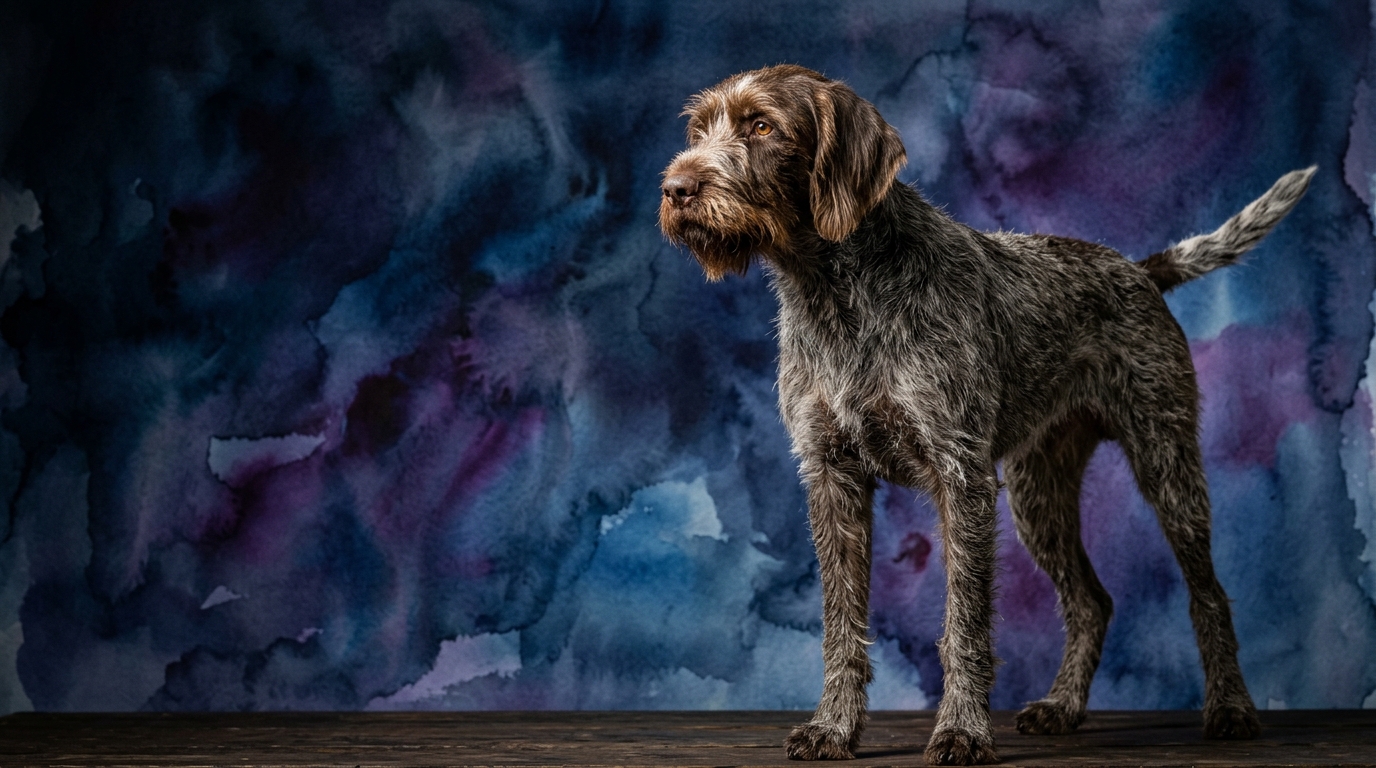
On paper, the Wirehaired Pointing Griffon and the English Foxhound appear to be cognitive twins, each scoring 3/5 in Problem Solving, Training Speed, Social Intelligence, Instinctive Drive, and Memory. However, these identical metrics manifest uniquely based on their breed-specific purposes. For the Wirehaired Pointing Griffon, a Sporting breed, a 3/5 in Problem Solving often translates to figuring out how to locate game in varied terrain or efficiently retrieve downed birds. Their Training Speed of 3/5 reflects a steady capacity to absorb new commands, especially when engaged in cooperative tasks. Social Intelligence at 3/5 suggests an ability to form strong bonds and interpret human cues, fostering a close partnership. An Instinctive Drive of 3/5 indicates a balanced yet keen hunting instinct, encompassing pointing, flushing, and retrieving, which is present but generally manageable. Finally, their Memory at 3/5 supports consistent retention of learned behaviors and successful hunting strategies.
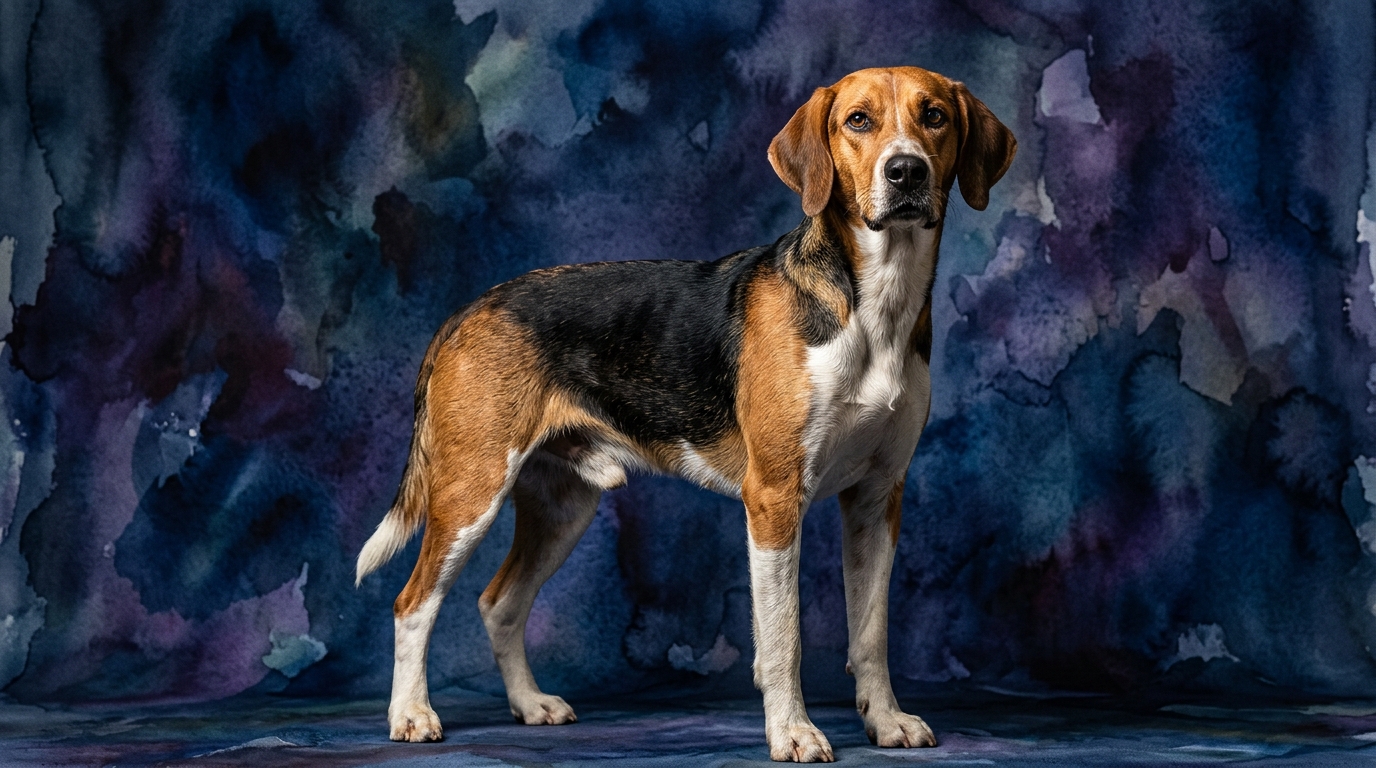
The English Foxhound, a Hound breed, interprets these same scores through the lens of scent work and pack dynamics. Their 3/5 in Problem Solving is typically applied to deciphering complex, fading scent trails over vast distances, navigating obstacles while maintaining focus on a track, and coordinating within a pack. A Training Speed of 3/5 means they learn at a moderate pace, but their primary motivation, a powerful nose, can make conventional obedience challenging if not aligned with their natural drives. Social Intelligence at 3/5 is deeply rooted in pack structure, enabling seamless cooperation with other hounds, though their human interactions might be less nuanced than a companion breed. Their Instinctive Drive, also 3/5, is a persistent, all-consuming urge to track, defining much of their behavior and requiring significant outlets. Their Memory at 3/5 is crucial for recalling scent patterns, successful tracking routes, and the routines of their hunting environment.
Where the Wirehaired Pointing Griffon Excels Cognitively
Despite matching scores, the Griffon’s cognitive strengths shine in its versatility and cooperative spirit. Their 3/5 Problem Solving, paired with their 3/5 Social Intelligence, often leads to a more human-centric application of their mental faculties. They excel at deciphering what their human companions want, making them adept at a wider array of activities beyond their primary hunting role, such as agility, obedience, or even therapy work. This adaptability stems from their balanced instinctive drive, allowing them to channel their mental energy into diverse challenges presented by their owners. Their cognitive profile supports a partnership where they actively engage in figuring out solutions *with* their person, rather than solely pursuing independent goals.
Where the English Foxhound Excels Cognitively
The English Foxhound's cognitive prowess is uniquely specialized, demonstrating an unparalleled focus in specific areas. Their 3/5 Problem Solving and 3/5 Memory are intensely dedicated to the intricate world of scent. They possess an extraordinary ability to process, interpret, and remember complex olfactory information, making them masters of the trail. This mental endurance allows them to maintain focus on a single scent for hours, covering challenging terrain without wavering. Furthermore, their 3/5 Social Intelligence is finely tuned for cooperative pack work, enabling them to communicate and collaborate seamlessly with other hounds, a cognitive feat distinct from one-on-one human interaction. Their mental strength lies in sustained, single-minded pursuit driven by instinct.
Trainability: Navigating Instinctive Drives
While both breeds score 3/5 in Training Speed, their underlying motivations create distinct training experiences. The Wirehaired Pointing Griffon generally presents as more biddable for conventional obedience and diverse commands. Their 3/5 Instinctive Drive is balanced and often channeled through a desire to please their human companions, supported by their 3/5 Social Intelligence. They respond well to positive reinforcement and appreciate clear, consistent guidance, making them eager participants in learning new skills. Their problem-solving often involves figuring out how to successfully complete a task for their owner.
In contrast, the English Foxhound, while capable of learning at a moderate pace, can be more challenging for traditional obedience. Their powerful 3/5 Instinctive Drive for scent is often their paramount motivator, sometimes overriding human commands. Once they are on a compelling scent, their 3/5 Problem Solving and Memory become entirely engrossed in tracking, making redirection difficult. Training a Foxhound requires immense patience, understanding of their inherent drives, and creative methods that often incorporate scent work to maintain engagement and build a strong working relationship. Their independent nature, rooted in centuries of pack hunting, means they often follow their nose rather than a direct command if the two conflict.
Matching Lifestyles: Active Engagement is Key
Neither the Wirehaired Pointing Griffon nor the English Foxhound are suited for relaxed, sedentary owners; both are working breeds requiring significant physical and mental engagement. The Griffon thrives with active owners who enjoy diverse outdoor activities such as hiking, hunting, dog sports like agility, or long, exploratory walks. Their cooperative nature and balanced cognitive profile mean they enjoy participating in activities *with* their human, appreciating mental challenges that involve problem-solving alongside their owner. They need outlets for their physical energy and their moderate instinctive drives, but also enjoy being integral family members.
The English Foxhound demands owners capable of providing vast amounts of physical exercise, ideally including opportunities for extensive scent work or long-distance running. Their exceptional endurance and persistent 3/5 Instinctive Drive mean they need to cover significant ground regularly. Owners must understand that a Foxhound's 'active' life often means following their nose wherever it leads, potentially over long distances and varied terrain. Their exercise needs are less about intricate human-dog games and more about satisfying their profound urge to track and explore independently, making them better suited for dedicated, outdoors-oriented individuals who can accommodate this specialized drive.
The Verdict: Choosing Your Cognitive Companion
The Verdict
Choose the Wirehaired Pointing Griffon if you seek a versatile, cooperative companion for diverse outdoor activities and mental challenges, appreciating a dog that integrates well into family life and enjoys working closely with its human.
Opt for the English Foxhound if you are dedicated to providing extensive exercise, especially scent-driven activities, understanding and respecting a dog's profound independent drive, and enjoying the distinct satisfaction of a hound pursuing its ancient purpose.
🧠 Find Your Pet's IQ Score
Our Pet IQ Lab assessment covers 25+ tests across 5 cognitive dimensions — personalized to your breed.
Take the Full IQ Test →Frequently Asked Questions
Are these breeds suitable for first-time dog owners?
Neither breed is typically recommended for first-time dog owners due to their high exercise requirements and strong working drives. Both require consistent training, socialization, and an owner who understands the specific needs of a hunting breed.
Do their identical IQ scores mean they are similar in temperament?
No, identical IQ scores do not imply similar temperaments. While their cognitive capacities are rated equally, their breed-specific histories and purposes lead to very different manifestations of these traits, influencing their general demeanor and interaction styles.
How do their hunting styles reflect their cognitive profiles?
The Griffon's pointing and retrieving style reflects its cooperative problem-solving and social intelligence, working closely with a hunter. The Foxhound's pack-hunting, scent-tracking style highlights its specialized problem-solving, memory for scent, and social intelligence geared towards canine group dynamics and relentless pursuit.