
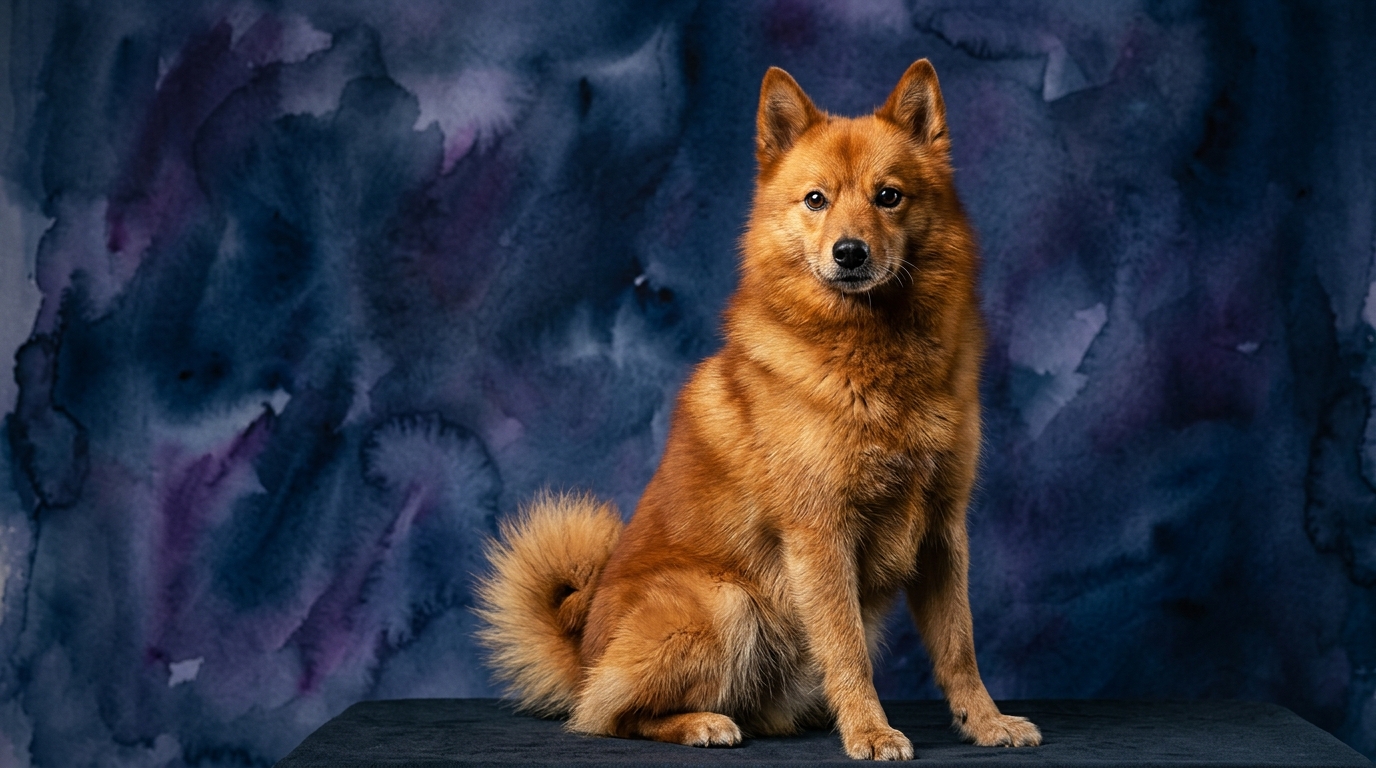
Side-by-Side Cognitive Profiles
The Cosmic Pet Pet IQ Lab assesses five key cognitive dimensions, providing a framework to understand how different breeds process information and interact with their world. For the Wirehaired Pointing Griffon, each dimension is rated 3/5, indicating a balanced and capable intellect. Their problem-solving is practical and task-oriented, often employing their keen senses to navigate complex environments or retrieve items. Training speed is moderate, with these dogs grasping concepts well when lessons are clear and directly relate to a desired outcome, often demonstrating eagerness to please their handler. Social intelligence allows them to read human cues with reasonable accuracy, forming strong bonds with their primary family members and understanding household routines, though their focus often remains on directives or environmental stimuli. An instinctive drive rooted in their sporting heritage manifests as a strong desire to hunt, point, and retrieve, translating into persistent curiosity and readiness to engage in activities simulating their original purpose. Finally, their memory is solid, aiding in consistent performance and navigation of familiar territories.
The Finnish Spitz also registers a 3/5 rating across all five cognitive dimensions, yet their expression of these traits is shaped by a very different heritage. Their problem-solving often involves independent thought, using their intelligence to achieve their own objectives, which might include finding the best sunbeam or a comfortable spot, with solutions that can be creative but might not always align with human expectations. Training speed is moderate, but their independent spirit means they require engaging and varied methods to maintain focus; they understand commands but might choose to execute them based on their own assessment of the situation. Social intelligence sees them attuned to their family's emotions and routines, showing affection and loyalty, though they can be reserved with strangers, often expressing themselves through their characteristic vocalizations. Their instinctive drive is deeply rooted in their historical role as barking bird dogs, exhibiting a strong urge to vocalize and alert to perceived changes in their environment, manifesting as a keen awareness of surroundings. Their memory is good for established routines, preferred spots, and the nuances of their family's habits, extending to specific sounds and scents crucial for their historical alerting duties.
Cognitive Strengths: Wirehaired Pointing Griffon
The Wirehaired Pointing Griffon demonstrates a slight cognitive edge in tasks requiring sustained, collaborative focus towards a shared objective. Their problem-solving, while rated similarly, leans more towards understanding human intent and working *with* their handler to achieve a goal, such as navigating a complex scent trail or retrieving a specific item from a difficult location. This breed's instinctive drive is intrinsically linked to partnership, translating into a greater willingness to follow multi-step commands that culminate in a shared 'win' during training or fieldwork. They excel in scenarios demanding consistent application of learned behaviors in dynamic, handler-directed environments.
Cognitive Strengths: Finnish Spitz
Conversely, the Finnish Spitz excels in cognitive domains demanding independent thought and acute environmental perception. Their problem-solving often involves self-directed initiatives, like figuring out how to access a desired vantage point or manipulating objects to entertain themselves when left alone. Their instinctive drive, centered on alert barking and surveying territory, fosters a heightened awareness of subtle changes in their surroundings, making them exceptionally perceptive to novel sounds or movements that might go unnoticed by others. This self-reliance means they are often adept at making decisions without constant human guidance, relying on their own assessment of a situation.
Training Dynamics: Which is Easier?
When it comes to ease of training, the Wirehaired Pointing Griffon generally presents a more cooperative student. Their moderate training speed is complemented by a stronger desire to engage with their handler and a clear understanding of task-reward structures. A WPG often sees training as a joint venture, eagerly anticipating the next command and deriving satisfaction from successful completion. For instance, teaching a WPG to 'stay' while you leave the room is often met with focused attention, as they understand the implicit promise of your return and subsequent praise, reinforcing their cooperative nature.
The Finnish Spitz, while equally capable of learning, approaches training with a more independent mindset. Their moderate training speed can be hampered by their self-directed nature; they might understand a command perfectly but choose not to execute it if they perceive a more interesting alternative. Teaching a Finnish Spitz to 'come' reliably off-leash, for example, requires building a very strong motivational bond and making the 'come' command more appealing than any environmental distraction, as their instinct to explore or alert can override the desire to please. Consistency, patience, and making training feel like a game are paramount for the Finnish Spitz to maintain engagement.
Matching Breeds to Lifestyles: Active vs. Relaxed Owners
For active owners seeking a canine companion for outdoor adventures and structured activities, the Wirehaired Pointing Griffon is often the more suitable choice. Their robust instinctive drive and desire for partnership make them excellent partners for hiking, hunting, field trials, or even agility, where their problem-solving and memory can be applied to complex courses. They thrive on consistent mental and physical engagement that taps into their sporting heritage, requiring daily opportunities to 'work' alongside their human. Their cooperative spirit makes them eager participants in a variety of active pursuits, flourishing when given a purpose.
A relaxed owner, or one who prefers less intense physical demands, might find the Finnish Spitz a better fit, but with a crucial caveat. While the Finnish Spitz does not typically demand the same high-intensity exercise as a WPG, their innate instinctive drive for alertness and vocalization means they still require significant mental engagement and appropriate outlets for their 'barking bird dog' tendencies. A relaxed owner must still be prepared for consistent training to manage vocalization and provide stimulating activities that engage their keen senses, even if those activities are confined to a well-fenced yard or shorter, sniff-focused walks rather than long-distance runs. Their independence means they can entertain themselves, but their vocal nature requires thoughtful management.
The Verdict
Choose the Wirehaired Pointing Griffon if you value a cooperative partner for outdoor pursuits and structured activities, and are prepared for consistent physical and mental engagement that leverages their sporting instincts.
Opt for the Finnish Spitz if you appreciate an independent, perceptive companion, are ready to manage vocalization, and can provide mental stimulation without extreme physical demands, valuing their self-reliant nature.
🧠 Find Your Pet's IQ Score
Our Pet IQ Lab assessment covers 25+ tests across 5 cognitive dimensions — personalized to your breed.
Take the Full IQ Test →Frequently Asked Questions
Do Wirehaired Pointing Griffons shed much?
Wirehaired Pointing Griffons are considered moderate to low-shedders, especially when regularly groomed. Their coarse, wiry coat requires weekly brushing and occasional hand-stripping to maintain its texture and minimize loose hair, making them a manageable choice for many households.
Are Finnish Spitz good with children?
Finnish Spitz can be good with respectful children, often forming strong bonds with their family members. Their independent nature means they may prefer quieter interactions, and supervision is always recommended to ensure both the dog and child understand appropriate boundaries and play styles.
What kind of vocalizations does a Finnish Spitz make?
The Finnish Spitz is renowned for its diverse vocalizations, including yodels, barks, and whines, often referred to as 'barking bird dogs.' They use these sounds to alert their owners to perceived changes in the environment or to express excitement, requiring owners to be prepared for a vocal companion.