Side-by-Side IQ Profile: Understanding Their 3/5 Scores
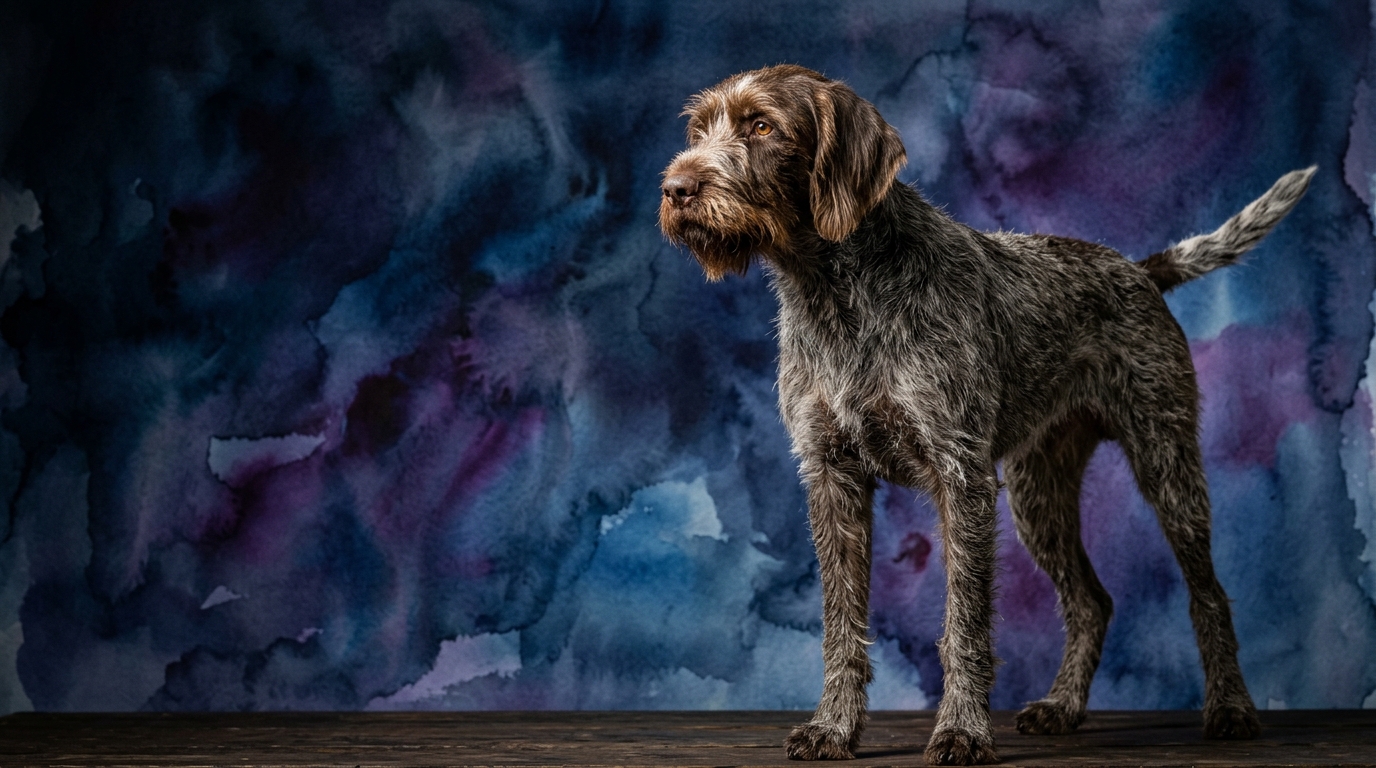
While both the Wirehaired Pointing Griffon and the Harrier register a consistent 3 out of 5 across all five dimensions of our Pet IQ Lab assessment, this numerical equality belies significant differences in how their cognitive capacities manifest. For the Wirehaired Pointing Griffon, a Sporting group member, their Problem Solving at 3/5 often translates into adaptive thinking in varied hunting scenarios, such as strategically working cover to locate game or efficiently retrieving from challenging terrain, always in concert with a human partner. Their Training Speed, also 3/5, benefits from a natural eagerness to please and a cooperative spirit, making them generally receptive to learning commands that facilitate their partnership role. Social Intelligence at 3/5 means they are typically adept at reading human cues and integrating smoothly into family life, valuing close companionship. Their Instinctive Drive, a 3/5, is a balanced blend of pointing, flushing, and retrieving instincts, often channeled and refined through training rather than being an overwhelming, singular focus. Finally, their Memory, rated 3/5, helps them recall specific commands, training routines, and the locations of previous game encounters, reinforcing their effectiveness as a versatile gun dog.
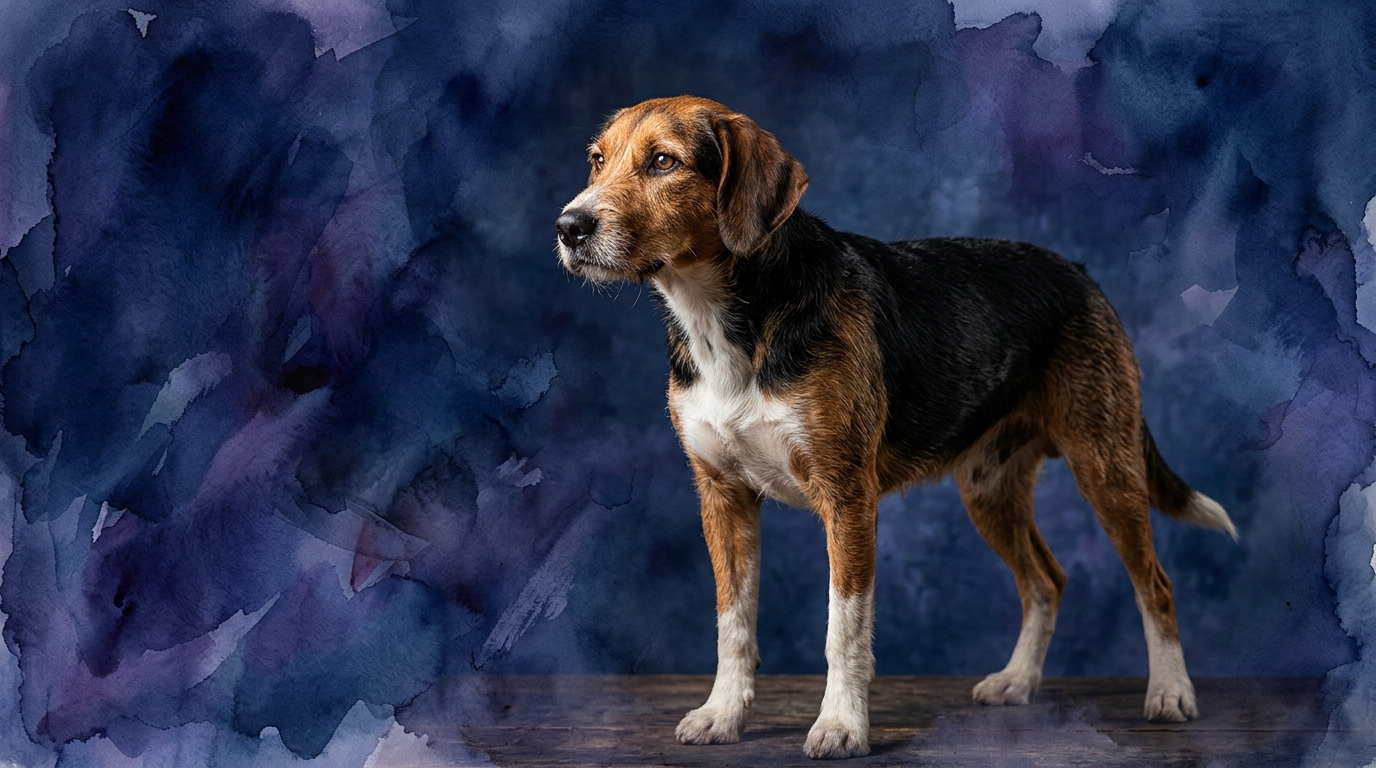
Conversely, the Harrier, a member of the Hound group, exhibits its 3/5 scores through a distinct lens shaped by its pack hunting heritage. Their Problem Solving at 3/5 is less about human partnership and more about independent navigation of complex scent trails, deciphering environmental puzzles, and overcoming obstacles to maintain a pursuit. This requires sustained focus and iterative trial-and-error. Harrier's Training Speed, while also 3/5, can present differently; they are capable learners, but their powerful, independent scent drive often means that general obedience commands compete with more compelling sensory information. Their Social Intelligence at 3/5 is deeply rooted in pack dynamics, making them excellent at communicating with other dogs and understanding their place within a group hierarchy, though their human social interactions might be less overtly solicitous than a Griffon's. The Harrier's Instinctive Drive, also 3/5, is almost singularly focused on scent tracking and pursuit, a relentless and enduring quality that can easily override other directives. Their Memory, a 3/5, is exceptional for recalling intricate scent patterns, mapping vast hunting territories, and remembering the movements of their pack, serving their primary function as a scent hound.
Where the Wirehaired Pointing Griffon Wins Cognitively
The Wirehaired Pointing Griffon's cognitive strengths shine particularly in scenarios demanding collaborative problem-solving and adaptable learning within a human-centric environment. Their 3/5 Problem Solving, when paired with their Social Intelligence, allows them to excel at tasks requiring them to interpret subtle handler signals and adjust their approach accordingly. For instance, a Griffon might more readily understand a hand signal to search a specific patch of cover, or intuitively retrieve a bird from water after observing their owner's gaze. This breed's balanced Instinctive Drive means they can switch between tasks—pointing, retrieving, or tracking—with relative ease, making them highly versatile in varied situations. Their cognitive profile makes them particularly adept at learning a wide array of commands and performing complex sequences, as their memory supports a broader repertoire of learned behaviors rather than being overwhelmingly dominated by a single, powerful instinct. This versatility and responsiveness to partnership are significant cognitive advantages for owners seeking a multifaceted companion.
Where the Harrier Wins Cognitively
The Harrier's cognitive prowess is undeniable when it comes to sustained, independent problem-solving driven by an acute sense of smell and relentless determination. Their 3/5 Problem Solving, fueled by their potent Instinctive Drive, allows them to meticulously unravel complex scent trails over vast distances, an intellectual feat that requires immense focus and an almost obsessive commitment to a single task. A Harrier can methodically work out a scent puzzle that has faded or been disrupted, exhibiting a tenacity that few other breeds can match. Their Memory, a 3/5, is particularly strong in spatial awareness and recalling intricate scent patterns, allowing them to navigate and re-trace routes with remarkable accuracy. While perhaps less attuned to human nuances than a Griffon, their Social Intelligence at 3/5 makes them exceptional at coordinating with other dogs in a pack, demonstrating a sophisticated understanding of group dynamics and communication necessary for cooperative hunting. This breed excels in self-directed, persistent tasks where their powerful sensory perception and unwavering drive are paramount.
Which Is Easier to Train and Why
Despite both breeds scoring 3/5 in Training Speed, the Wirehaired Pointing Griffon generally presents as easier to train for the average pet owner due to inherent behavioral differences. The Griffon's Sporting dog heritage has instilled a strong desire to work cooperatively with humans. They often seek to please their handler, making them more receptive to commands and less prone to independent decision-making during training sessions. Their balanced Instinctive Drive means they can be motivated by a variety of rewards, from praise to toys, and their attention is typically more focused on their human partner. This cooperative nature allows them to absorb new information and modify behaviors with relatively consistent effort, making the training process feel more rewarding and less of a battle of wills.
The Harrier, while capable of learning, can be more challenging to train for general obedience due to their powerful, independent scent drive. Their Hounding instincts mean that an intriguing scent can easily override any command, pulling their focus away from the handler. Their 3/5 Training Speed is often applied to learning *hunting-specific* tasks where their drive is engaged, but for conventional obedience, their keen nose and desire to follow a trail can be a significant distraction. Training a Harrier often requires immense patience, consistency, and creative methods to compete with their primary instincts, making them feel less "trainable" in a typical pet home setting, even though their cognitive capacity to learn is present. Their independent problem-solving nature means they are less inclined to simply 'obey' if their instincts suggest a different path.
Which Suits Active Owners vs. Relaxed Owners
For owners with an active lifestyle, both breeds offer energetic companionship, but their specific needs diverge. The Wirehaired Pointing Griffon is an excellent match for active owners who enjoy diverse outdoor activities and seek a true partner in their adventures. Their balanced Instinctive Drive and cooperative nature make them ideal for hiking, trail running, swimming, and even dog sports like agility or dock diving. They thrive when their physical and mental energies are channeled into shared activities with their human family. While they appreciate downtime, they require consistent engagement and exercise to prevent boredom and maintain their well-being. Their strong social bond means they are happiest when involved in family life, making them suitable for owners who want their dog to be an integral part of their active pursuits.
The Harrier, with its relentless Instinctive Drive for scent work and remarkable endurance, is best suited for highly active owners who can provide ample opportunities for off-leash exploration in secure areas or engage in scent-specific activities like tracking or field trials. Their need for sustained physical output and mental stimulation, particularly involving their nose, is profound. A relaxed owner who cannot commit to significant daily exercise and mental challenges focused on scent work may find a Harrier's energy and single-minded drive overwhelming, potentially leading to undesirable behaviors. While they enjoy family, their contentment is deeply tied to satisfying their innate hunting urges, often requiring more specialized outlets than a typical walk around the block. They are not content to be couch potatoes and require a lifestyle that truly embraces their hound nature.
The Verdict
Choose the Wirehaired Pointing Griffon if you seek a versatile, cooperative companion for diverse outdoor activities and value a strong partnership in training and daily life. Their balanced drives and social intelligence make them adaptable family members.
Opt for the Harrier if you are a highly active owner prepared to dedicate significant time to fulfilling a powerful, independent scent drive through extensive exercise and specialized scent-based activities. They thrive with owners who understand and embrace their hound nature.
🧠 Find Your Pet's IQ Score
Our Pet IQ Lab assessment covers 25+ tests across 5 cognitive dimensions — personalized to your breed.
Take the Full IQ Test →Frequently Asked Questions
Are Wirehaired Pointing Griffons good family dogs?
Yes, Wirehaired Pointing Griffons generally possess a high degree of social intelligence and an eagerness to integrate into family life. They thrive on companionship and are typically patient and playful with children, making them excellent family pets when properly socialized and exercised.
Do Harriers get along with other pets?
Harriers, being pack animals by nature, often get along well with other dogs, especially if raised together. However, their strong prey drive means they may not be suitable for homes with smaller pets like cats, rabbits, or birds unless introduced carefully and supervised from a young age.
What kind of mental stimulation do these breeds need?
Wirehaired Pointing Griffons benefit from varied mental challenges, including obedience training, puzzle toys, and learning new tricks that engage their cooperative nature. Harriers require intensive mental stimulation through scent work, tracking games, and opportunities to follow their nose, which satisfies their profound instinctive drive.