
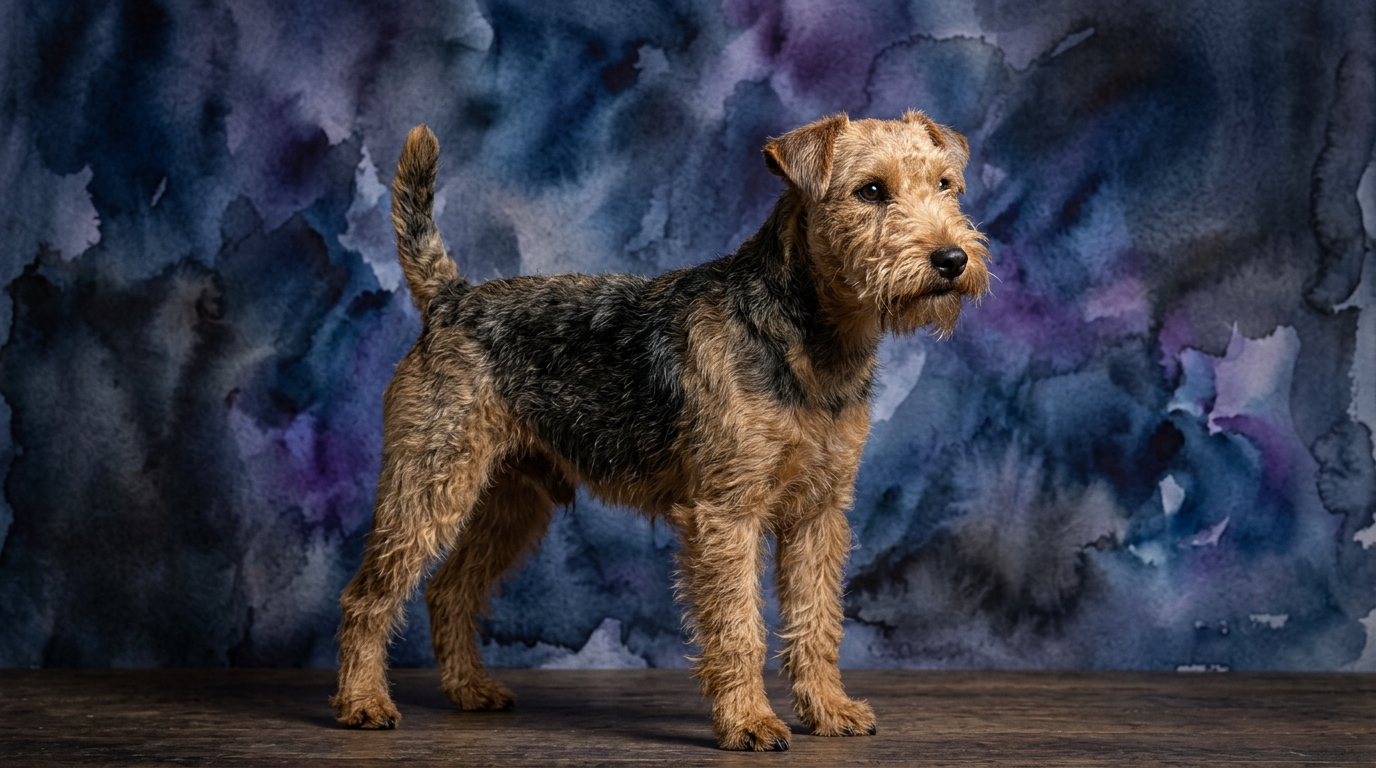
Side-by-Side IQ Profile: Wirehaired Pointing Griffon vs. Lakeland Terrier
The Wirehaired Pointing Griffon, a dedicated sporting dog, showcases its cognitive abilities through cooperative tasks and a strong partnership with its handler. Its Problem Solving (3/5) is practical and collaborative, excelling in scent-based tracking and navigating varied terrains to locate game, often requiring complex, multi-step command execution. The Griffon’s Training Speed (3/5) reflects a moderate learning curve, absorbing routines effectively due to a natural desire to please and respond to consistent, positive reinforcement. Social Intelligence (3/5) is balanced, forming deep family bonds and adapting well to household dynamics, showing an awareness of human moods and intentions. Their Instinctive Drive (3/5) is keenly focused on hunting, pointing, and retrieving, manifesting as a strong nose and a drive to work in the field. Memory (3/5) is reliable for learned commands, routines, and field patterns, ensuring consistent performance once skills are mastered.
In contrast, the Lakeland Terrier, a tenacious terrier breed, expresses its 3/5 scores through a lens of independence and persistence. Its Problem Solving (3/5) is characterized by self-directed ingenuity, often involving strategic thinking to overcome obstacles like digging under fences or manipulating latches to reach a goal, driven by strong internal motivation. The Lakeland’s Training Speed (3/5) indicates a capacity to learn, yet it is often tempered by their independent and sometimes stubborn nature; they grasp concepts but their willingness to comply can fluctuate. Social Intelligence (3/5) is discerning; they bond deeply with family but can be reserved or assertive with strangers, carefully assessing social cues and occasionally testing boundaries. Their Instinctive Drive (3/5) is profoundly rooted in hunting vermin, leading to a powerful prey drive, persistent digging, and a fearless approach to challenges. Memory (3/5) is good for learned strategies and routines, especially those that satisfy their strong drives or led to past successes, though selective memory can occur when instincts take over.
Where the Wirehaired Pointing Griffon Wins Cognitively
Despite identical scores, the Wirehaired Pointing Griffon's cognitive strengths lean towards cooperative intelligence and practical application in a team setting. Their problem-solving (3/5) excels in scenarios requiring partnership with a human, such as navigating complex scent trails to locate game or executing multi-step retrieving tasks, demonstrating an innate understanding of shared objectives. Their memory (3/5) is particularly robust for recalling intricate field patterns and learned commands, making them highly consistent in performing sequences of actions. The combination of their social intelligence (3/5) and instinctive drive (3/5) for hunting positions them as superior partners for activities demanding synchronized effort and a willingness to follow direction precisely, rather than initiating independent action.
Where the Lakeland Terrier Wins Cognitively
Conversely, the Lakeland Terrier's cognitive prowess shines in areas of independent problem-solving and tenacious pursuit. Their problem-solving (3/5) is less about cooperation and more about self-directed ingenuity, demonstrating remarkable persistence in figuring out how to reach a desired outcome, often involving manipulation of objects or strategic maneuvering to overcome obstacles. Their instinctive drive (3/5) is a powerful engine for this, fueling their determination to solve challenges related to prey detection and capture. While their social intelligence (3/5) is discerning, it contributes to their ability to assess situations and act decisively on their own initiative, making them adept at navigating environments where self-reliance is paramount. Their memory (3/5) is excellent for remembering strategies that led to past successes, particularly those satisfying their strong drives.
Which is Easier to Train and Why
When considering ease of training, the Wirehaired Pointing Griffon generally presents a more straightforward experience, despite both breeds scoring 3/5 in training speed. Griffons, as sporting dogs, possess a natural inclination towards working *with* their handler. Their social intelligence fosters a desire to please and a readiness to respond to cues, making them receptive to consistent, positive reinforcement. While they learn at a moderate pace, their cooperative spirit means they are often more willing to apply what they've learned, even when faced with distractions. In contrast, the Lakeland Terrier's 3/5 training speed is often complicated by their formidable independence and strong terrier will. They are capable of learning and remembering commands, but their inherent problem-solving abilities and instinctive drive often lead them to question the necessity of a command or to prioritize their own agenda. Training a Lakeland requires immense patience, creativity, and a deep understanding of their motivations to make compliance more appealing than self-directed action. What might be a simple request for a Griffon can become a negotiation with a Lakeland.
Which Suits Active Owners vs. Relaxed Owners
For owners seeking an active, engaged companion, both breeds offer considerable energy, but their needs differ in nature. The Wirehaired Pointing Griffon thrives with owners who enjoy outdoor activities like hiking, hunting, or long walks, and who can provide consistent mental stimulation through training and cooperative tasks. Their need for physical exercise is moderate to high, but their desire to work alongside their human means they are often content with structured activities and quality time together. They are generally adaptable indoors once their needs are met, making them suitable for active families who enjoy including their dog in their adventures.
The Lakeland Terrier, while smaller, demands an equally active, but perhaps more strategically engaged owner. Their high instinctive drive and independent nature mean they require owners who are prepared for consistent mental challenges, rigorous training, and ample opportunities for problem-solving, often through interactive toys or agility. Their physical exercise needs are substantial, requiring regular vigorous activity to prevent boredom and destructive behaviors. They are not typically suited for 'relaxed' owners who prefer a largely sedentary companion, as their tenacious spirit and energy require constant channeling and engagement. A relaxed owner might find themselves overwhelmed by a Lakeland's self-directed activities and persistent demands for stimulation.
The Verdict
Choose the Wirehaired Pointing Griffon if you seek a cooperative, versatile companion eager to work alongside you in various activities, valuing partnership and a generally biddable nature.
Opt for the Lakeland Terrier if you appreciate a tenacious, independent spirit, are prepared for consistent training challenges, and seek a dog with a bold, self-reliant character for an active, engaging lifestyle.
🧠 Find Your Pet's IQ Score
Our Pet IQ Lab assessment covers 25+ tests across 5 cognitive dimensions — personalized to your breed.
Take the Full IQ Test →Frequently Asked Questions
Do Wirehaired Pointing Griffons shed much?
Wirehaired Pointing Griffons have a double coat that sheds minimally, especially when regularly brushed and stripped. Their wiry texture helps trap loose hair, making them a relatively low-shedding breed compared to many others.
Are Lakeland Terriers good with children?
Lakeland Terriers can be excellent family pets and are generally good with children, especially if raised together. However, their terrier tenacity means supervision is always wise, and they thrive with respectful children who understand how to interact appropriately with a bold, energetic dog.
What's the primary difference in exercise needs between these two breeds?
While both are active, the Griffon's exercise often revolves around cooperative activities like field work or long walks with their owner, fulfilling their desire for partnership. The Lakeland's needs are driven by their independent terrier energy and prey drive, requiring more vigorous, varied, and often self-directed outlets like digging, chasing, or challenging puzzle toys to prevent boredom.