
Side-by-Side IQ Profile: Yorkshire Terrier
The Yorkshire Terrier's cognitive profile reveals a Problem Solving score of 3/5, suggesting they excel at direct solutions but might find intricate, multi-step challenges more demanding without guidance. Their Training Speed of 4/5 indicates a quick ability to grasp new commands and routines, making them responsive learners in structured environments. A high Social Intelligence of 4/5 highlights their perceptiveness in reading human cues and adapting to family dynamics, often fostering deep, intuitive bonds with their caregivers. An Instinctive Drive of 4/5 reflects robust terrier traits like tenacious curiosity, a strong prey drive for small vermin, and a persistent exploratory nature, fueling their engagement with their environment. Finally, their Memory of 4/5 ensures reliable recall of learned commands, routines, and past experiences, contributing to their consistency in behavior and training retention.
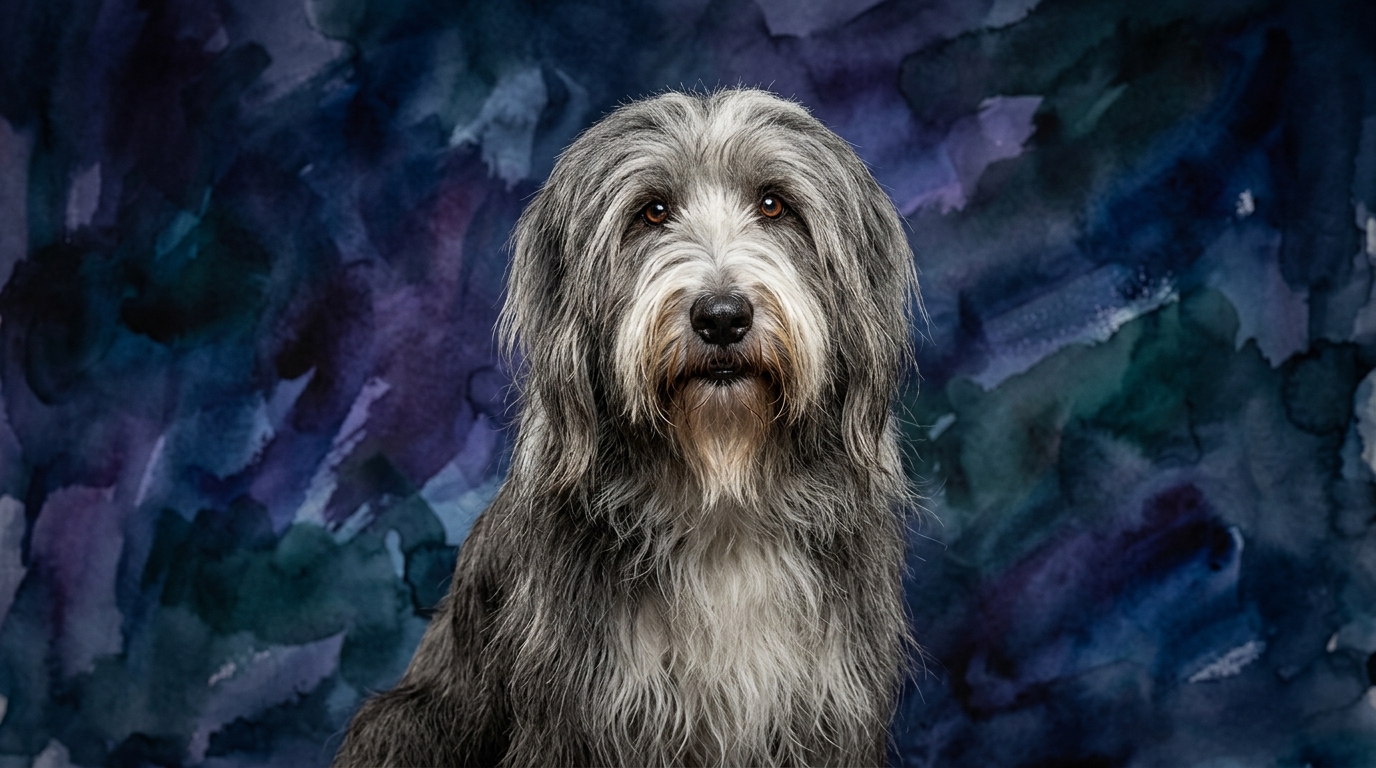
Side-by-Side IQ Profile: Bearded Collie
The Bearded Collie scores 4/5 in Problem Solving, showcasing a notable aptitude for navigating complex situations, figuring out novel solutions, and adapting to changing scenarios, a trait honed by their herding background. Their Training Speed, also 4/5, points to efficient learning of new skills and commands, indicating a willingness to learn and an ability to make connections quickly. Social Intelligence at 3/5 suggests they are generally good at reading human intentions but might be slightly less attuned to subtle social cues compared to some breeds, potentially requiring clearer communication. An Instinctive Drive of 3/5 indicates a moderate, yet present, set of inherent behaviors, primarily their herding tendencies. Their Memory of 4/5 reflects a solid ability to retain information over time, including training exercises, routes, and past interactions, which aids in their reliability and continued learning.
Where the Yorkshire Terrier Wins Cognitively
The Yorkshire Terrier shines cognitively in two key areas. Their higher Social Intelligence (4/5 compared to the Beardie's 3/5) means they are remarkably adept at interpreting subtle human emotions, body language, and household dynamics. This perceptiveness allows them to form profoundly intuitive connections, often anticipating their owner's moods and desires, making them highly responsive companions. Furthermore, their Instinctive Drive (4/5 vs. 3/5) is more pronounced. This reflects their terrier lineage, imbuing them with tenacious curiosity, a strong drive for exploration, and a spirited determination. When appropriately guided, this robust internal motivation translates into an engaging, lively approach to play and daily interactions, though it requires consistent direction to manage their inherent predispositions.
Where the Bearded Collie Wins Cognitively
Conversely, the Bearded Collie demonstrates a clear cognitive advantage in Problem Solving, scoring 4/5 against the Yorkie's 3/5. This superior aptitude stems from their historical role as herding dogs, demanding independent thought and adaptability in dynamic environments. They excel at strategic thinking, spatial reasoning, and devising creative solutions to obstacles, whether it's navigating an agility course or figuring out a complex puzzle. This mental flexibility, combined with their 4/5 Training Speed and Memory, equips them for intricate, multi-layered tasks. They possess a greater capacity for understanding complex sequences and adapting strategies on the fly, making them exceptionally capable partners for advanced obedience, dog sports, or activities requiring sustained intellectual engagement and thoughtful adjustments.
Which is Easier to Train and Why
Both breeds share an impressive Training Speed score of 4/5, indicating they grasp new commands and routines with notable efficiency. However, their distinct cognitive profiles influence *how* they are best trained. The Yorkshire Terrier's higher Social Intelligence (4/5) means they are often more attuned to their owner's wishes and feedback, making them highly responsive to social reinforcement. This can lead to a perception of being "easier" for owners who prioritize a socially interactive learner. Their robust instinctive drive (4/5), while providing motivation, also necessitates consistent redirection of natural terrier behaviors. The Bearded Collie, with equal Training Speed but superior Problem Solving (4/5), thrives on mentally stimulating tasks where they can figure things out. Their motivation often stems from the satisfaction of mastering a challenge rather than solely social approval. This makes them excellent for complex training that demands independent thought, such as advanced agility. Therefore, while both learn quickly, the Yorkie might suit an owner valuing social responsiveness, while the Beardie excels with an owner providing structured, cognitively demanding training.
Which Suits Active Owners vs. Relaxed Owners
For the more relaxed owner, the Yorkshire Terrier often proves a suitable companion. Their moderate Problem Solving (3/5) means they aren't constantly seeking complex mental challenges, and their compact size simplifies managing their physical exercise needs, making them adaptable to smaller living spaces. Their high Social Intelligence (4/5) allows them to settle comfortably into family routines, often content with close companionship and moderate play. While their instinctive drive (4/5) requires consistent management, their adaptability to indoor life and strong human bond make them well-suited for owners who appreciate a perceptive, affectionate presence without demanding extensive, highly structured physical or mental exertion.
Conversely, the Bearded Collie is distinctly suited for active owners. Their superior Problem Solving (4/5) and moderate Instinctive Drive (3/5), rooted in their herding heritage, mean they thrive on consistent mental engagement and purposeful activity. They require regular, stimulating exercise that goes beyond a simple walk, often excelling in activities like agility, obedience, or mock herding. Owners who enjoy outdoor adventures, participate in dog sports, or are committed to ongoing training and enrichment will find the Bearded Collie an enthusiastic partner. Their need for consistent structure and engaging outlets for their cognitive and physical energy makes them ideal for a dynamic, hands-on lifestyle.
The Verdict
Select a Yorkshire Terrier if you seek a highly socially perceptive companion who thrives on close human interaction and can adapt well to a more relaxed indoor lifestyle, provided their terrier instincts are channeled through consistent, positive training.
Opt for a Bearded Collie if you are an active owner prepared to provide consistent mental stimulation and physical challenges, valuing a resourceful, problem-solving partner for dog sports or outdoor adventures.
🧠 Find Your Pet's IQ Score
Our Pet IQ Lab assessment covers 25+ tests across 5 cognitive dimensions — personalized to your breed.
Take the Full IQ Test →Frequently Asked Questions
Does the Yorkshire Terrier's higher instinctive drive make them harder to manage?
Not necessarily harder, but it requires consistent management. Their 4/5 instinctive drive means they have strong natural urges like chasing or exploring, which, when properly channeled through training and appropriate outlets, can be a source of engagement and fun rather than a challenge.
Is a Bearded Collie suitable for a first-time dog owner given its problem-solving abilities?
A Bearded Collie can be suitable for a first-time owner who is committed to learning about positive reinforcement training and providing ample mental and physical stimulation. Their strong problem-solving skills mean they need engaging activities to prevent boredom, which can be a rewarding experience for a dedicated novice.
How do their memory scores of 4/5 impact their trainability in the long term?
A memory score of 4/5 for both breeds indicates excellent long-term retention of commands and routines. This means that once a behavior is learned and reinforced, they are likely to remember it consistently, making ongoing training and skill maintenance relatively straightforward over their lifetime.