Side-by-Side IQ Profile
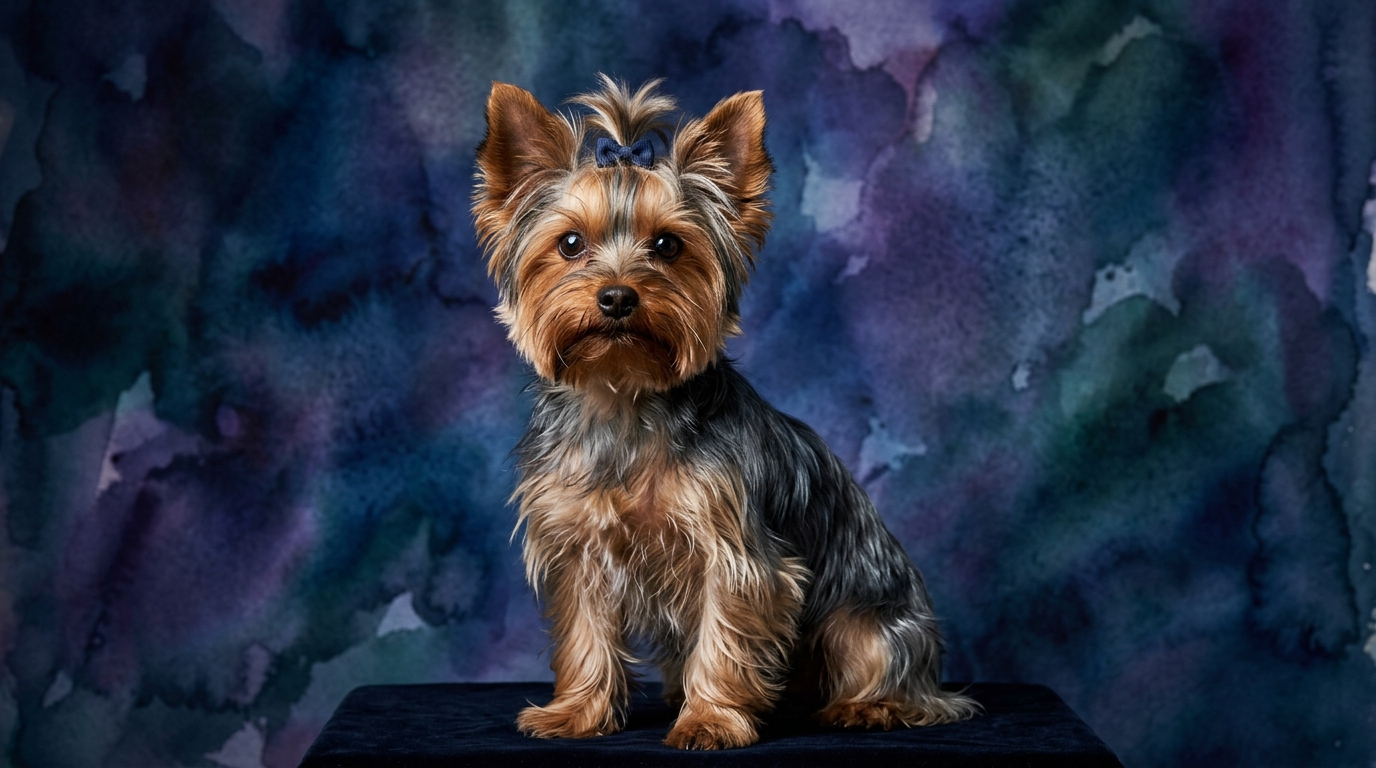
The Yorkshire Terrier, a sprightly companion, registers a Coren rank of #27, indicating a notable capacity for adaptive intelligence. Our Pet IQ Lab scores reveal a balanced cognitive profile: Problem Solving at 3/5, suggesting a moderate ability to navigate novel situations. Its Training Speed shines at 4/5, reflecting a quick grasp of new commands, often eager to engage. Social Intelligence also scores high at 4/5, demonstrating an acute awareness of human emotions, making them adept communicators. An Instincive Drive of 4/5 points to their strong terrier instincts – a determined spirit and a keenness for chasing small prey. Finally, Memory stands strong at 4/5, enabling them to retain complex learned behaviors and recall past experiences effectively.
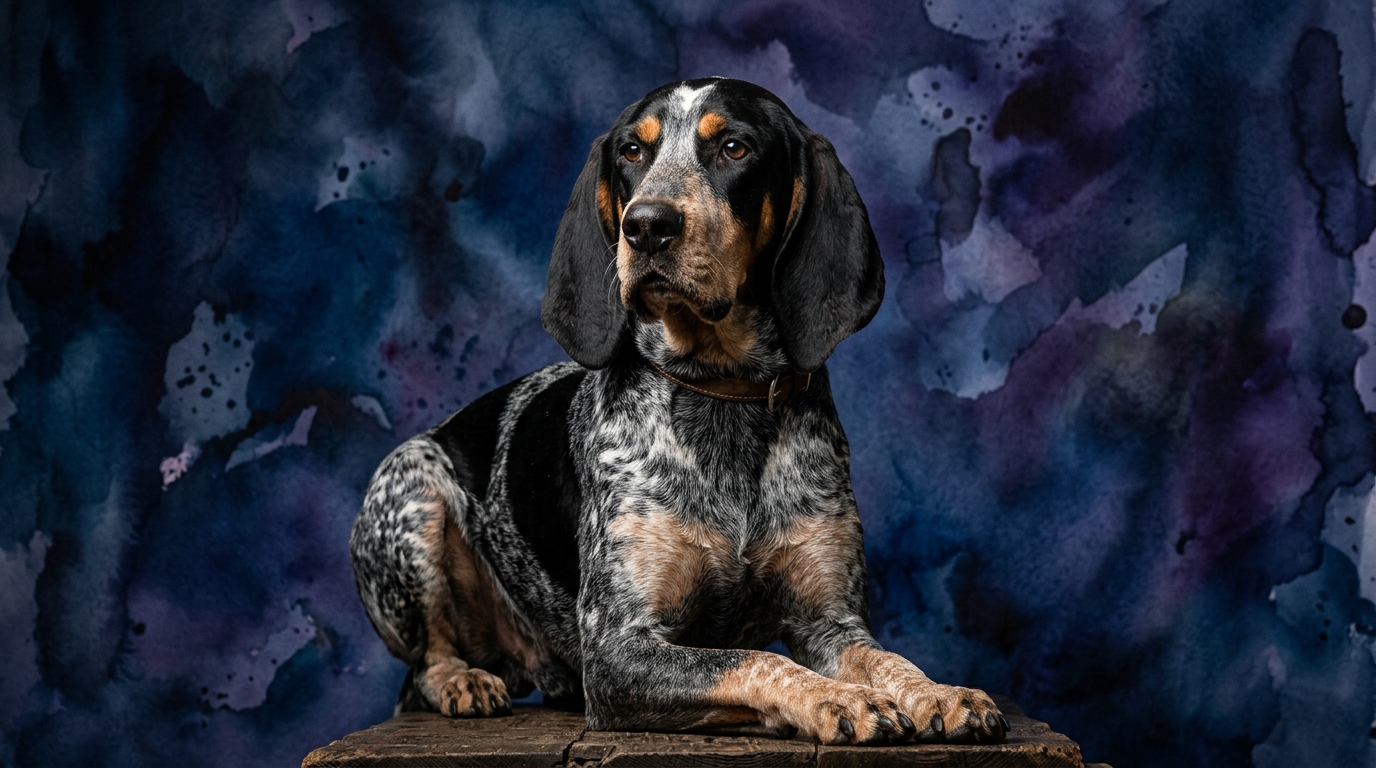
In contrast, the Bluetick Coonhound, celebrated for its prowess in the field, is not included in Coren's traditional ranking, as its intelligence is highly specialized. The Pet IQ Lab assesses its cognitive dimensions: Problem Solving at 3/5, indicating a functional capacity to overcome immediate obstacles in pursuit of a goal. Its Training Speed is rated 3/5, suggesting a steady but less eager approach to general obedience, often requiring more repetition. Social Intelligence is 3/5, meaning they form strong bonds and understand human intentions but may be less nuanced in social interactions. Crucially, Instincive Drive is 3/5, which specifically refers to their deeply ingrained scent-tracking and treeing behaviors – a relentless focus. Memory scores 3/5, sufficient for retaining hunting routes and learned cues, yet perhaps not as broad in scope for varied tasks as the Yorkie.
Where the Yorkshire Terrier Wins Cognitively
The Yorkshire Terrier demonstrates distinct cognitive advantages, particularly in areas aligning with its role as a companion animal. Its superior Training Speed (4/5) means it typically masters new commands with fewer repetitions, often displaying an eagerness to please. This attribute makes them highly responsive to positive reinforcement and suitable for advanced obedience or trick training. Furthermore, their elevated Social Intelligence (4/5) allows them to keenly observe and interpret human moods and intentions, fostering a deep, intuitive connection. This perceptiveness enables them to adapt swiftly to household routines and anticipate owner behaviors. The Yorkie's strong Memory (4/5) also ensures that once a behavior is learned, it is retained effectively, reducing the need for constant re-training.
Where the Bluetick Coonhound Wins Cognitively
While the Bluetick Coonhound's general IQ scores might seem lower in a broad comparison, its cognitive strengths are profoundly specialized and potent within its intended domain. The 3/5 score for Instincive Drive represents an unparalleled dedication to scent work. This isn't merely a drive; it's a finely tuned cognitive apparatus for tracking. A Bluetick's ability to process and follow complex scent trails, often hours old and across varied terrain, showcases an extraordinary form of problem-solving and memory specific to olfaction. This relentless focus and determination, once locked onto a scent, is a cognitive triumph. Their stamina and persistence in tracking, even when faced with environmental challenges, demonstrate a specialized form of intelligence that few other breeds can match.
Which is Easier to Train and Why
Considering their respective Pet IQ Lab scores, the Yorkshire Terrier generally presents as the easier breed to train for a wide array of general obedience and household manners. Its higher Training Speed (4/5) means it absorbs new information and commands more quickly, often displaying a natural inclination to cooperate and engage. Coupled with superior Social Intelligence (4/5), the Yorkie is adept at reading human cues and responding to subtle prompts, significantly aiding training. Their eagerness to please and strong memory (4/5) contribute to a more straightforward and rewarding training experience, making them excellent candidates for various dog sports. In contrast, the Bluetick Coonhound, with its 3/5 Training Speed, requires more patience and consistent motivation. Their deeply ingrained Instincive Drive for scent work often means attention can be easily diverted by interesting smells, making general obedience a secondary concern. Training a Bluetick often involves harnessing this drive rather than suppressing it, requiring creative methods to make obedience as compelling as a fresh scent trail. While capable of learning, their focus is inherently geared towards their primary function, which can make consistent recall or 'leave it' commands more challenging without high-value reinforcement.
Which Suits Active Owners vs. Relaxed Owners
The choice between a Yorkshire Terrier and a Bluetick Coonhound largely depends on an owner's lifestyle and capacity for mental and physical engagement. The Yorkshire Terrier, despite its energetic terrier nature, adapts well to both active and relaxed owners, provided its need for mental stimulation and moderate physical activity is met. Its higher social intelligence and trainability mean it thrives on interactive play, puzzle toys, and consistent companionship, suiting owners who enjoy engaging their dog in various activities but also appreciate quiet time. They are often content with indoor play and shorter, regular walks, fitting into urban or apartment living. The Bluetick Coonhound, however, is unequivocally suited for active owners embracing an outdoor, adventurous lifestyle. Its potent instinctive drive and stamina demand extensive physical exercise and mental engagement centered around its natural abilities. Owners providing regular opportunities for long, vigorous walks, hikes, or ideally, scent work and tracking activities, will find a Bluetick a fulfilled and devoted companion. For relaxed owners seeking a low-maintenance routine, the Bluetick's intense drive can become a source of frustration, as unmet needs often manifest as undesirable behaviors.
The Verdict
Choose the Yorkshire Terrier if you seek a highly adaptable, socially attuned companion eager to learn and thrive in a variety of home environments, from active urban settings to quieter households. They excel with owners who value interactive engagement and a responsive, emotionally connected canine partner.
Opt for the Bluetick Coonhound if you are an active, outdoors-oriented individual or family prepared to channel its formidable instinctive drive into rigorous physical exercise and specialized scent work. This breed flourishes with dedicated owners who appreciate its independent spirit and unique tracking prowess.
🧠 Find Your Pet's IQ Score
Our Pet IQ Lab assessment covers 25+ tests across 5 cognitive dimensions — personalized to your breed.
Take the Full IQ Test →Frequently Asked Questions
Are Yorkshire Terriers good for first-time dog owners?
Yes, their high training speed and social intelligence make them relatively straightforward to train for basic obedience and house manners, provided owners are consistent. Their adaptability and eagerness to please can be very rewarding for those new to dog ownership.
Can a Bluetick Coonhound live in an apartment?
While possible, it's generally not ideal due to their high energy levels and strong need for extensive outdoor exercise and mental stimulation. An apartment-dwelling Bluetick requires an owner dedicated to providing multiple long, vigorous outings daily, including opportunities for scent work, to prevent boredom and destructive behaviors.
Do Yorkshire Terriers bark a lot?
Yorkshire Terriers can be prone to barking, a trait rooted in their terrier instincts to alert. Their social intelligence means they often use barking to communicate or react to perceived threats or novel stimuli. Consistent training from a young age can help manage this tendency.
How do Bluetick Coonhounds show affection?
Bluetick Coonhounds often show affection through leaning, nudging, and a calm presence near their trusted humans, sometimes accompanied by a characteristic 'baying' of contentment. While not always overtly demonstrative, they form deep, loyal bonds with their families, often following them devotedly.