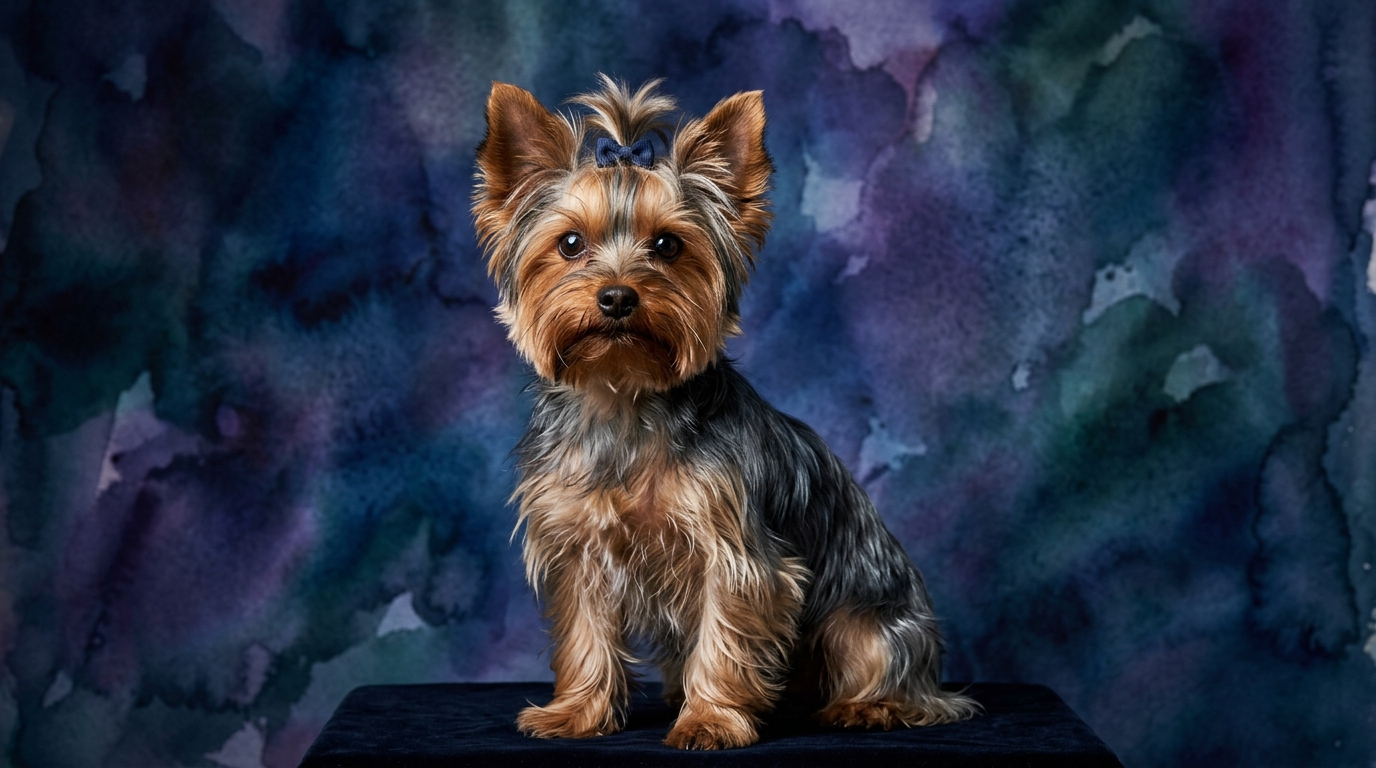
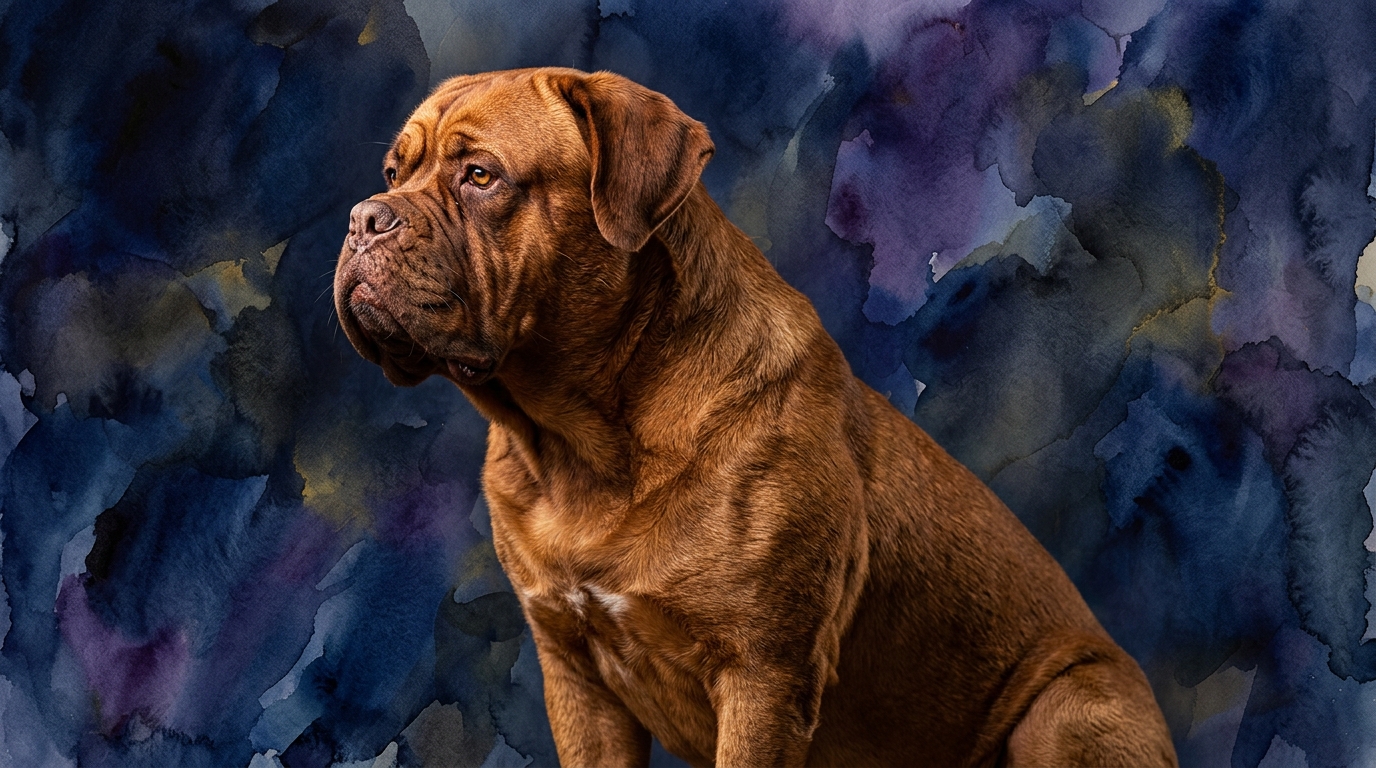
Side-by-Side IQ Profile: Yorkshire Terrier vs. Dogue de Bordeaux
The Cosmic Pet Pet IQ Lab provides a unique lens through which to compare these two distinct breeds. The Yorkshire Terrier, ranked #27 by Coren, exhibits a Problem Solving score of 3/5, indicating a capacity for clever navigation of challenges. Its Training Speed is an impressive 4/5, showing a quick grasp of new commands, complemented by a Social Intelligence of 4/5, meaning it's highly attuned to human cues. An Instinctive Drive of 4/5 fuels its tenacious curiosity, and its Memory at 4/5 ensures learned behaviors stick effectively.
In contrast, the Dogue de Bordeaux, not Coren-ranked, presents a consistent profile across the board. Its Problem Solving is 3/5, suggesting a thoughtful, deliberate approach to challenges. Training Speed stands at 3/5, indicating a steady learning pace that benefits from consistent reinforcement. Social Intelligence is 3/5, reflecting deep loyalty to its family and a discerning nature with others. Its Instinctive Drive at 3/5 is often channeled into protective behaviors, while Memory at 3/5 shows it retains lessons well with regular practice.
Where the Yorkshire Terrier Wins Cognitively
The Yorkshire Terrier consistently outpaces the Dogue de Bordeaux in several cognitive dimensions, painting a picture of a brisk, adaptable mind. Its superior Training Speed (4/5) means a Yorkie often picks up new commands and routines with remarkable alacrity, making training sessions efficient and rewarding. This quick uptake is often fueled by its high Social Intelligence (4/5), where it keenly observes and responds to human cues, eager to participate and connect. Furthermore, the Yorkie's robust Instinctive Drive (4/5) translates into a tenacious curiosity and a readiness to engage with its environment, often pushing it to solve problems or learn new tricks through persistent effort. Coupled with an excellent Memory (4/5), once a Yorkie learns something, it tends to stick, enabling the building of a complex repertoire of behaviors and responses. Its problem-solving capacity, while rated equally at 3/5, is often applied with a terrier's characteristic zest and quick decision-making, allowing it to navigate challenges with a nimble mental approach.
Where the Dogue de Bordeaux Wins Cognitively
While its scores might suggest a slower pace, the Dogue de Bordeaux’s cognitive strengths lie in its deliberate nature and focused application of its abilities, qualities that often lead to profound stability. Its Problem Solving at 3/5, matching the Yorkie, indicates a capacity for thoughtful assessment, but often with a more patient, less reactive approach. This steadiness can be a significant advantage in situations requiring calm discernment rather than quick, impulsive action. The Dogue de Bordeaux's Instinctive Drive (3/5), while not as broad as the Yorkie's, is intensely focused, primarily channeled into protective instincts for its family and territory. This specialized drive means it excels in tasks requiring unwavering vigilance and a deep sense of responsibility, making it a reliable guardian. Its Social Intelligence (3/5), though lower, often translates into a discerning loyalty, forming deep, unwavering bonds with its chosen few and displaying a quiet understanding of their needs, rather than a boisterous eagerness for all interactions. This breed often processes information with a quiet intensity, valuing depth and consistency over speed.
Which is Easier to Train and Why
Based on The Cosmic Pet Pet IQ Lab scores, the Yorkshire Terrier is generally easier to train, primarily due to its superior Training Speed (4/5 compared to the Dogue de Bordeaux's 3/5). Yorkies typically exhibit a greater eagerness to learn and respond quickly to commands, often driven by their high Social Intelligence (4/5) and a desire for interaction. They tend to make associations between commands and actions more rapidly and retain these lessons effectively thanks to their 4/5 Memory. This means fewer repetitions are often needed, and they can progress through training stages at a faster clip. In contrast, the Dogue de Bordeaux, with its 3/5 Training Speed and Memory, requires a more patient, consistent, and reward-based approach. While capable of learning, the Dogue de Bordeaux often needs more time to process commands and establish routines, and it benefits from understanding the purpose behind an action rather than just rote memorization. Their working breed heritage means they often excel when given clear, meaningful tasks, but they may not show the same spontaneous enthusiasm for learning abstract tricks as a Yorkie might.
Which Suits Active Owners vs. Relaxed Owners
The Yorkshire Terrier, with its vibrant Instinctive Drive (4/5) and quick Training Speed (4/5), is often a better fit for active owners who relish engaging in mental and physical activities with their companion. Owners who enjoy teaching tricks, participating in dog sports like agility or obedience, or even just consistent, varied walks and interactive play, will find the Yorkie's zest for engagement and rapid learning highly rewarding. Its high Social Intelligence also means it thrives on consistent interaction and can become a devoted participant in family activities. Conversely, the Dogue de Bordeaux, characterized by its steady 3/5 scores across most cognitive dimensions, tends to suit more relaxed owners. While it still requires consistent training and mental stimulation, its approach is more deliberate and less frenetic. Owners who appreciate a calm, patient, and profoundly loyal companion, perhaps enjoying quiet companionship and a predictable routine, will find the Dogue de Bordeaux a wonderful match. They are less about constant high-energy output and more about stable, watchful presence, though they still need regular, moderate exercise.
The Verdict
Choose a Yorkshire Terrier if you seek a quick-witted, highly trainable companion eager for interactive learning and varied mental challenges.
Opt for a Dogue de Bordeaux if you prefer a patient, loyal, and discerning companion that thrives on steady routines and deep, consistent bonds.
🧠 Find Your Pet's IQ Score
Our Pet IQ Lab assessment covers 25+ tests across 5 cognitive dimensions — personalized to your breed.
Take the Full IQ Test →Frequently Asked Questions
Are Yorkshire Terriers prone to being 'yappy' due to their intelligence?
While their high instinctive drive and social intelligence can lead to vocalizations, this is often a learned behavior rather than an inherent flaw. Consistent training and early socialization can effectively manage excessive barking, channeling their communication into more appropriate outlets.
Do Dogue de Bordeaux dogs struggle with problem-solving tasks?
No, the Dogue de Bordeaux displays a 3/5 score in problem-solving, indicating a capable mind. Their approach is typically more deliberate and thoughtful than impulsive, meaning they may take longer but can often arrive at effective solutions through patient observation and assessment.
How does Coren ranking relate to these breeds' IQ scores?
Coren ranking primarily assesses 'working and obedience intelligence,' which aligns closely with training speed and memory. The Yorkshire Terrier's #27 rank reflects its higher scores in these areas, while the Dogue de Bordeaux's unranked status suggests its intelligence manifests in ways less focused on rapid obedience to human commands, emphasizing its unique working breed traits instead.