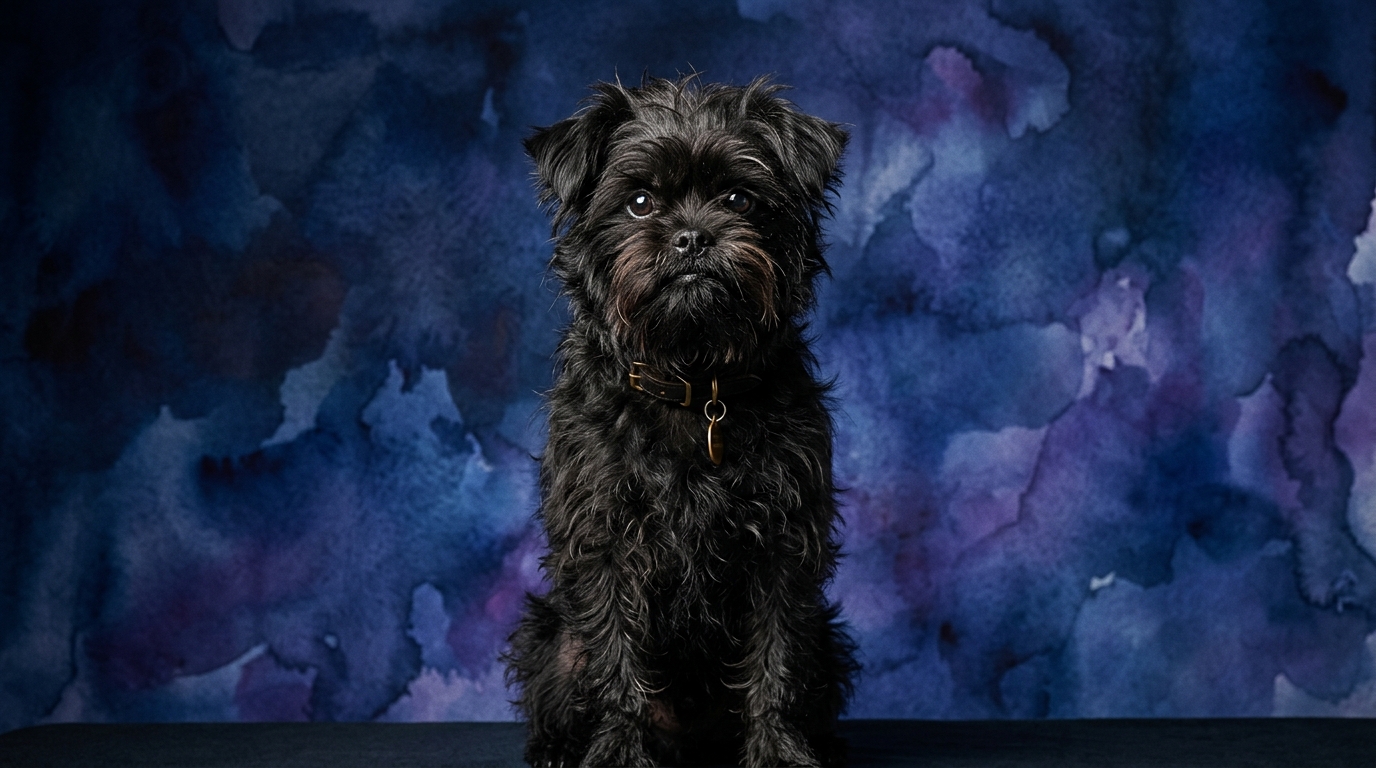
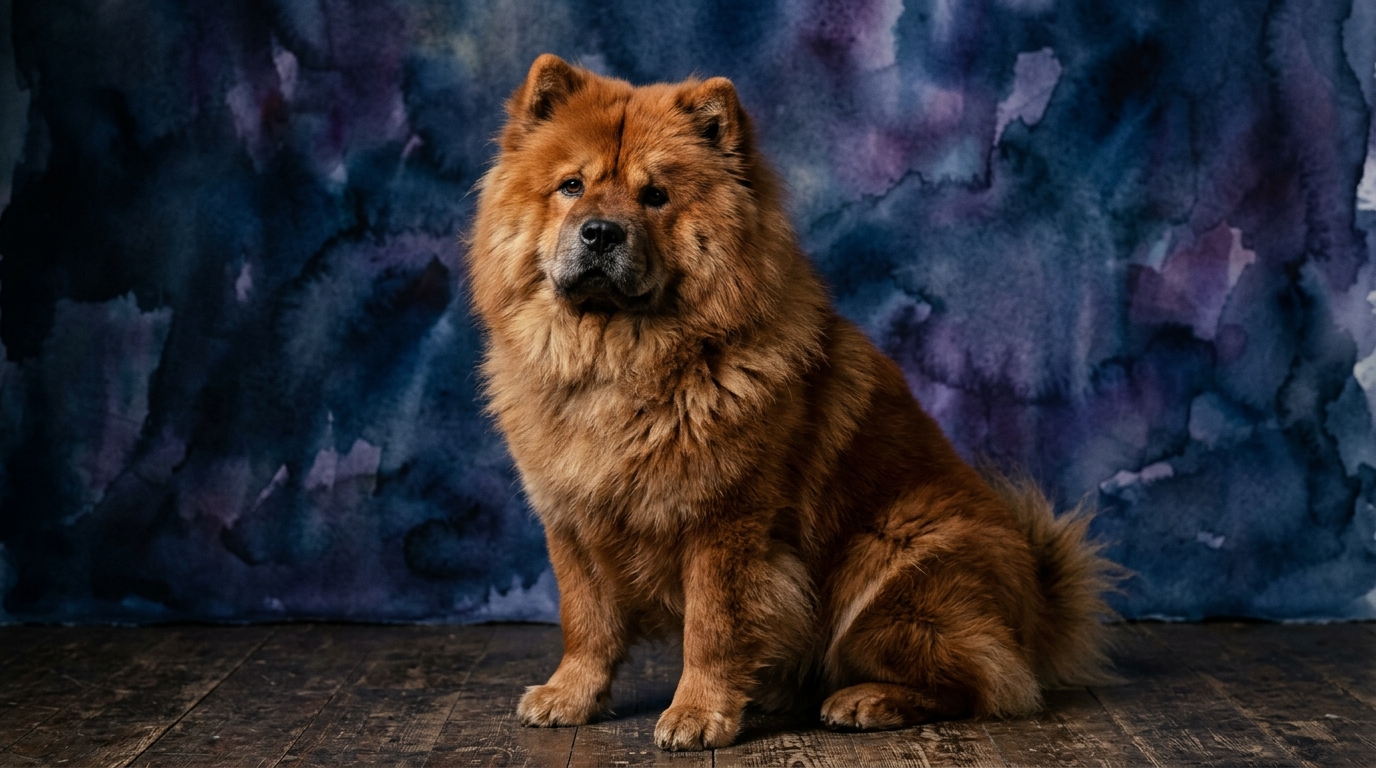
Side-by-Side IQ Profile: Unpacking Identical Scores
At first glance, the Pet IQ Lab scores for both the Affenpinscher and the Chow Chow paint a picture of surprising cognitive parity, with each breed scoring 3 out of 5 across all five dimensions: Problem Solving, Training Speed, Social Intelligence, Instinctive Drive, and Memory. However, these identical numerical values belie significant differences in how these cognitive abilities express themselves in daily life, influenced by their distinct histories, physical attributes, and breed-specific temperaments. Understanding these nuances requires looking beyond the numbers to the behavioral manifestations.
For the Affenpinscher, a 3/5 in Problem Solving indicates a capacity for navigating common household challenges, such as figuring out how to reach a desired toy or manipulating simple latches, driven often by curiosity and a desire for interaction. Their 3/5 Training Speed suggests they learn new commands at a steady pace, responding well to engaging, positive reinforcement methods, though consistency is key to solidifying behaviors. Social Intelligence at 3/5 means they are generally receptive to human cues and social learning, capable of forming strong bonds and understanding family dynamics, but may not always be overtly eager to please. Their Instinctive Drive of 3/5 is often channeled into playful pursuits, mock hunting of toys, and a watchful alertness. Finally, a Memory score of 3/5 implies they retain learned behaviors and routines reliably over time, particularly those associated with positive experiences and social connections.
The Chow Chow, despite identical scores, applies these cognitive dimensions with a distinct independent flair. Their 3/5 Problem Solving capability often manifests in finding efficient ways to achieve their own objectives, whether it's securing a comfortable napping spot or subtly communicating a need, without necessarily seeking human input. Training Speed at 3/5 means they are capable learners, absorbing commands with clarity and repetition, yet their inherent independence means they process instructions and choose to comply on their own terms, making patience a virtue for their trainers. A Social Intelligence of 3/5 reflects their capacity to understand social structures and bond deeply with their chosen family, but typically with a dignified reserve rather than effusive displays. Their 3/5 Instinctive Drive is strongly rooted in their historical role as guardians, leading to a natural vigilance and territorial awareness. The Chow Chow's 3/5 Memory indicates they effectively store and recall routines, boundaries, and learned experiences, particularly those that reinforce their sense of security and established order within their environment.
Where the Affenpinscher Wins Cognitively
While both breeds share identical IQ scores, the Affenpinscher often presents a cognitive profile that feels more immediately accessible and adaptable within a bustling home environment. Their 'monkey-like' curiosity, a behavioral expression of their 3/5 Problem Solving, means they are frequently investigating their surroundings, manipulating objects, and actively engaging with novel stimuli. This active exploration can lead to creative solutions to minor obstacles, such as navigating complex furniture arrangements to retrieve a dropped item or cleverly signaling for attention when they want something. Their smaller size and agility also give them a practical edge in certain problem-solving scenarios, allowing them to squeeze into tight spaces or climb onto low surfaces that a larger dog cannot.
Furthermore, the Affenpinscher's 3/5 Social Intelligence, combined with their generally playful and effervescent personality, often translates into a more overt responsiveness to human interaction. While not necessarily 'eager to please' in the traditional sense, their desire for companionship means they are often more inclined to engage in collaborative activities with their human counterparts. This willingness to participate can make them appear more 'cognitively available' for shared learning experiences or games, fostering a sense of shared problem-solving. Their memory (3/5) is often reinforced through these frequent, engaging interactions, making recall of commands or tricks tied to positive social experiences quite robust. They tend to remember which behaviors elicit positive attention and are quicker to repeat them in social contexts, giving them a slight perceived advantage in playful cognitive tasks.
Where the Chow Chow Wins Cognitively
The Chow Chow's cognitive strengths, though equally rated at 3/5, often lie in areas emphasizing independence, self-possession, and a profound understanding of their immediate world. Their 3/5 Problem Solving isn't about boisterous exploration but rather about efficient, often quiet, assessment and resolution. A Chow Chow might demonstrate this by consistently finding the optimal sunbeam spot, or by subtly manipulating a situation to ensure their comfort without overt fuss. This can also extend to understanding household routines and anticipating events, using their cognitive skills to predict when walks or meals are due and positioning themselves accordingly. Their problem-solving is often internally driven, focused on maintaining their preferred state of equilibrium.
The Chow Chow's 3/5 Social Intelligence manifests as a deep, discerning bond with their inner circle, rather than broad friendliness. This means they are acutely attuned to the subtle cues and emotional states of their chosen family members, demonstrating a quiet empathy and loyalty. Their memory (3/5) is particularly strong for established boundaries, routines, and who belongs where in their social hierarchy, contributing to their reliable and dignified demeanor. Their Instinctive Drive (3/5), rooted in guarding, translates into a sophisticated awareness of their territory and its security. This isn't merely reactive; it involves a continuous, low-key processing of environmental stimuli, identifying what is 'normal' and what might be a deviation, showcasing a robust and specialized form of cognitive vigilance that the Affenpinscher, as a toy breed, typically does not emphasize.
Which is Easier to Train and Why
Despite both breeds scoring a 3/5 in Training Speed, the practical experience of training an Affenpinscher versus a Chow Chow differs considerably due to their inherent temperamental variations. The Affenpinscher, while possessing an independent streak, generally approaches training with a more animated and engaging attitude. Their playful nature and desire for social interaction mean they are often more inclined to view training sessions as a collaborative game. They respond well to varied, short bursts of positive reinforcement, and their smaller size makes them physically easier to manage during early training phases. While they might occasionally try to outwit their handler with a bit of charming mischief, their fundamental drive for attention and shared activity makes the training process feel more fluid and rewarding for many owners. Their 3/5 Social Intelligence, coupled with their spirited personality, means they are often quite attuned to their handler's mood and cues, which can facilitate smoother communication during training.
In contrast, the Chow Chow's 3/5 Training Speed is tempered by their formidable independence and self-possessed nature. While capable of learning, they require a handler who is patient, consistent, and understands that a Chow Chow will comply out of respect and understanding, not necessarily an inherent desire to please. Their training sessions often demand a calm, authoritative approach, focusing on clear, unambiguous commands and positive reinforcement that respects their dignity. A Chow Chow is less likely to repeat a command simply for the sake of it; they need to understand the 'why' or find value in the outcome. Their 3/5 Social Intelligence means they form deep bonds, but this often translates into selective obedience – they are most likely to listen to the person they truly respect. Any perceived unfairness or harshness can lead to stubbornness, making the training journey feel more challenging and requiring a deeper commitment to understanding their unique motivations and communication style. Therefore, while both learn, the *ease* of the process is significantly different due to their behavioral predispositions.
Which Suits Active Owners vs. Relaxed Owners
The distinction between an active and a relaxed owner aligns closely with the behavioral expressions of these breeds' identical IQ scores. An Affenpinscher, with its 3/5 Instinctive Drive channeled into playful curiosity and a desire for interaction, thrives with active owners who enjoy engaging with their dog frequently. These owners appreciate a companion eager for short, lively walks, interactive games, and participating in household activities. Their 3/5 Problem Solving often means they enjoy puzzle toys or learning new tricks, making them a good fit for owners who enjoy mental stimulation exercises. They are often described as 'busy' dogs who want to be involved, making them excellent companions for individuals or families who lead an active social life and want their dog to be a part of it. They might even encourage their owners to be more active through their persistent invitations to play.
Conversely, the Chow Chow, despite also having a 3/5 Instinctive Drive, channels this into a more dignified and watchful demeanor, making them an ideal match for relaxed owners. These owners appreciate a dog with a calm, self-contained presence that is content with moderate exercise, such as a daily walk, rather than intense, prolonged activity. Their 3/5 Social Intelligence means they are devoted to their family but do not demand constant attention or effusive displays of affection; they are often happy simply being in the same room. A relaxed owner will understand and respect the Chow Chow's independent nature and appreciate their quiet companionship. They are a good fit for those who enjoy a dog that offers a sense of security and a serene presence without requiring constant entertainment or engagement. Their problem-solving (3/5) is often about maintaining their comfort and routine, aligning well with owners who value predictability and a peaceful home environment.
The Verdict: When to Choose Each
The Verdict
Choose an Affenpinscher if you seek a spirited, engaging companion who thrives on playful interaction and active participation in your daily life, offering a dynamic partner for shared adventures and cognitive games. Their charming antics and curiosity make them a lively addition to an active home.
Opt for a Chow Chow if you prefer a dignified, independent companion who offers serene loyalty and a watchful presence, appreciating quiet companionship and a predictable routine. They are best suited for owners who respect their self-possessed nature and value a calm, reserved household member.
🧠 Find Your Pet's IQ Score
Our Pet IQ Lab assessment covers 25+ tests across 5 cognitive dimensions — personalized to your breed.
Take the Full IQ Test →Frequently Asked Questions
Do Affenpinschers bark a lot?
Affenpinschers are known for their alert nature and can be quite vocal, using their barks to communicate excitement, warnings, or to demand attention. Early training and consistent management are helpful to moderate their tendency to vocalize, especially in response to perceived threats or novel stimuli.
Are Chow Chows good with children?
Chow Chows can be good with older, respectful children who understand how to interact with a reserved and independent dog, but they are generally not recommended for homes with very young children due to their dignified and sometimes aloof nature. Proper socialization from a young age is crucial, and supervision is always advised.
What kind of grooming do Chow Chows require?
Chow Chows have a dense double coat that requires significant grooming to prevent matting and maintain skin health. Regular brushing, at least 2-3 times a week, is essential, with more frequent grooming needed during shedding seasons to manage their thick fur and undercoat.