Side-by-Side Cognitive Profiles
At The Cosmic Pet Pet IQ Lab, both the Affenpinscher and the Pekingese register a consistent 3/5 across all five cognitive dimensions: Problem Solving, Training Speed, Social Intelligence, Instinctive Drive, and Memory. This uniform scoring does not imply identical minds, but rather that their cognitive capacities, while equal in potential, manifest through very different lenses.
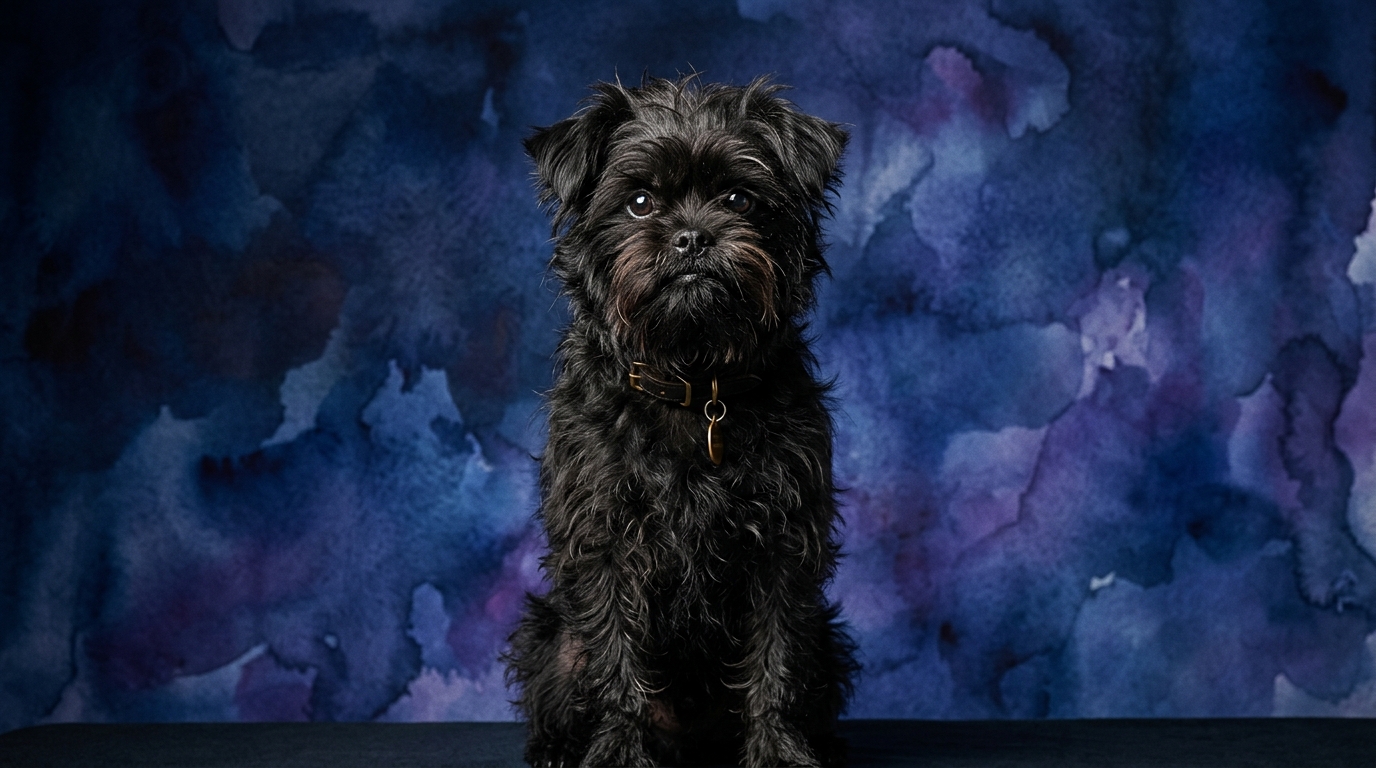
For the Affenpinscher, a 3/5 in Problem Solving often translates into a curious, hands-on approach, exploring its environment with a terrier-like zest to figure things out, sometimes leading to mischievous solutions. Its Training Speed at 3/5 reflects an eagerness to learn when engaged, though an independent streak can make sessions dynamic. Social Intelligence at 3/5 means they form strong bonds and are responsive to family dynamics, often seeking interaction. Their Instinctive Drive, also 3/5, often expresses itself as a propensity for chasing small objects or surveying their territory, a remnant of their ratting past. Finally, a 3/5 in Memory suggests they retain commands and routines effectively, especially when tied to positive experiences.
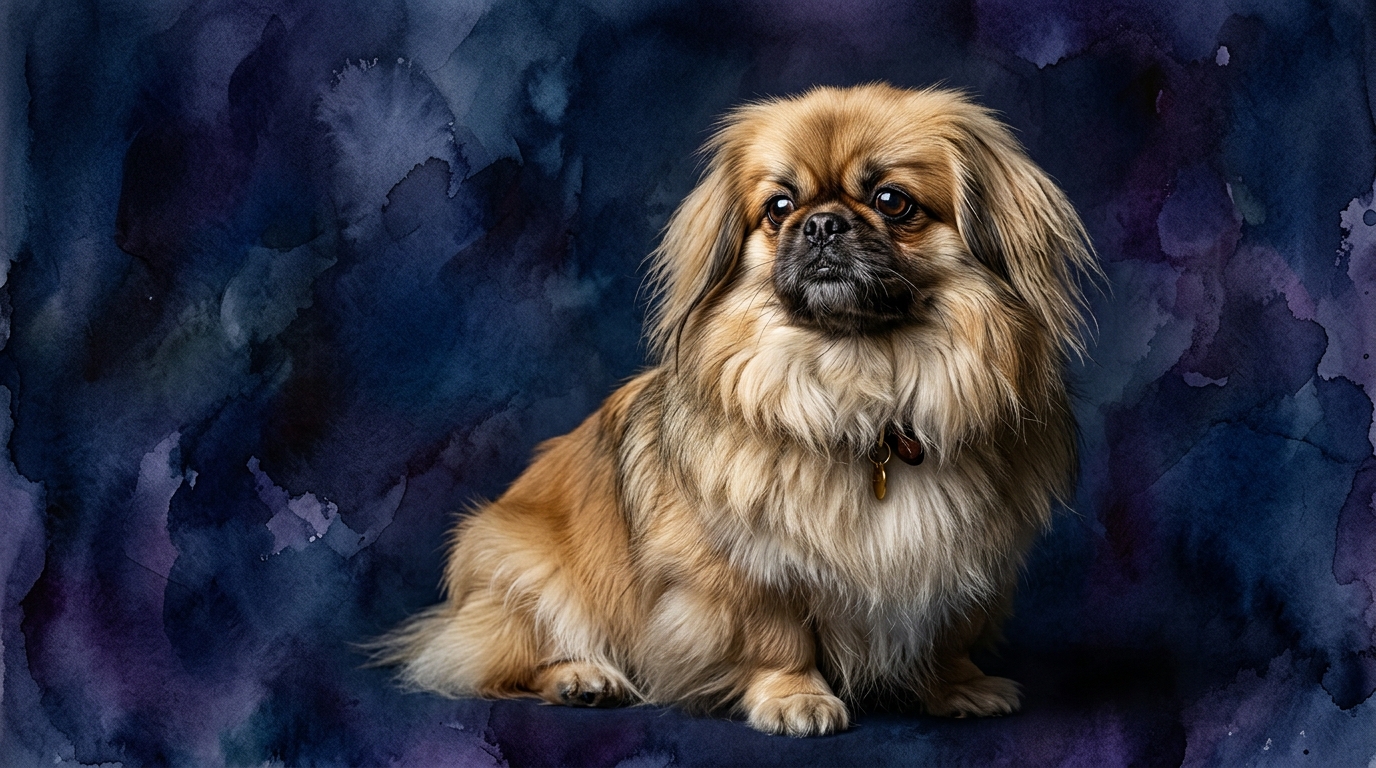
The Pekingese, with its regal bearing, interprets its identical 3/5 scores quite differently. Its Problem Solving at 3/5 is often applied to achieving personal comfort or asserting its preferences, finding clever ways to manipulate situations to its advantage rather than through boisterous exploration. Training Speed at 3/5 indicates they can learn, but their independent nature means they require patience and motivation that aligns with their self-interest. Social Intelligence at 3/5 is typically expressed through profound loyalty to a select few, often reserving their deepest affection for one primary person. The 3/5 Instinctive Drive in a Pekingese might manifest as a strong sense of self-preservation and a desire for a peaceful, predictable environment, rather than a high prey drive. Their Memory, also 3/5, helps them recall established routines and the boundaries of their personal space with precision.
Where the Affenpinscher Excels Cognitively
The Affenpinscher truly shines in scenarios demanding active engagement and playful curiosity. Their 3/5 Problem Solving, while numerically identical to the Pekingese, is often demonstrated through a more interactive and experimental approach. They are more likely to investigate a new toy or puzzle by physically manipulating it, trying various methods until they succeed, often with a delightful, monkey-like dexterity. This breed's cognitive strengths lean towards adaptability in dynamic situations, quickly assessing and reacting to changes in their immediate environment.
Their 3/5 Social Intelligence also tends to be more broadly expressed, allowing them to integrate into multi-person households and even interact with visitors with a degree of charming, albeit sometimes wary, curiosity. They are adept at reading human emotions and responding with empathetic gestures, often acting as a delightful, if sometimes comical, companion. This breed's overall cognitive profile is geared towards an active participation in family life, making them quick to pick up on household routines and family dynamics, often anticipating events like meal times or walkies with palpable excitement.
Where the Pekingese Excels Cognitively
The Pekingese, with its ancient lineage as an imperial companion, demonstrates its cognitive prowess in areas requiring dignified self-possession and a subtle understanding of its surroundings. Its 3/5 Problem Solving often manifests not in energetic exploration, but in strategic decision-making focused on comfort and personal space. A Pekingese might cleverly position itself to catch the sunbeam just right, or subtly communicate its desire for attention through a series of knowing glances and shifts, rather than boisterous demands. They are masters of leveraging their charm to achieve their desired outcome.
Their 3/5 Social Intelligence, while selective, is incredibly deep and attuned to their chosen human. They excel at forming singular, profound bonds, becoming exceptionally perceptive of their primary owner's moods and habits. This breed has a remarkable memory for who provides what, and when, solidifying their understanding of household hierarchy and their place within it. The Pekingese's cognitive strengths lie in their ability to maintain a serene composure while subtly influencing their environment and people to suit their preferences, showcasing a quiet, observational intelligence that often goes underestimated.
Training: A Tale of Two Temperaments
When it comes to training, the identical 3/5 Training Speed scores belie significant behavioral differences between these two breeds. The Affenpinscher, with its terrier heritage, approaches training with a lively spirit. They are generally eager to please and enjoy the interactive nature of training sessions, viewing them as a fun game. Positive reinforcement, varied tasks, and short, engaging sessions work best to keep their interest. However, their independent and sometimes mischievous streak means consistency is paramount; they might test boundaries or get bored with repetitive drills, requiring an owner who can keep training fresh and stimulating. They respond well to praise and food rewards, quickly associating actions with positive outcomes, but their attention can wander if the activity isn't engaging.
The Pekingese, on the other hand, often requires a different approach entirely. Their 3/5 Training Speed is heavily influenced by their independent and self-assured nature. They are not inherently driven to 'obey' simply for the sake of it; instead, they need to be convinced that performing a command is in their best interest, or at least not an inconvenience. This means training requires immense patience, gentle persuasion, and a deep understanding of their individual personality. Harsh methods are counterproductive and will likely result in a stubborn refusal to cooperate. Success with a Pekingese comes from building a strong bond of trust and making training feel like a suggestion rather than a command, often involving high-value treats and praise delivered at just the right moment. They might take longer to master commands, not due to lack of capacity, but due to their discerning nature and selective cooperation.
Matching Breeds to Lifestyles: Active vs. Relaxed Owners
The choice between an Affenpinscher and a Pekingese often comes down to an owner's preferred lifestyle and activity level, even with their comparable cognitive scores. The Affenpinscher, despite its toy size, possesses a surprising amount of energy and a need for mental engagement. They thrive with active owners who enjoy daily walks, interactive playtime, and perhaps even some dog sports like agility or obedience training. Their curious nature means they benefit from new experiences and a stimulating environment, making them suitable for owners who are happy to include their dog in various outings and activities. They are excellent companions for those who appreciate a playful, spirited presence in their home and are prepared to channel that energy constructively.
The Pekingese, conversely, is the quintessential companion for a more relaxed, serene lifestyle. Content with short, leisurely strolls and ample time for lounging, they prefer a calm and predictable home environment. Owners who appreciate a dignified, independent, and less physically demanding companion will find the Pekingese a perfect fit. They are ideal for individuals or families seeking a loyal presence that enjoys quiet companionship, often content to observe the world from the comfort of a lap or a soft cushion. While they still require mental stimulation, this often comes from observing household activities or engaging in gentle, one-on-one interaction rather than high-energy games.
The Verdict
Choose an Affenpinscher if you seek a spirited, curious, and interactive companion who enjoys playful engagement and can adapt to a moderately active lifestyle.
Opt for a Pekingese if you prefer a dignified, independent, and profoundly loyal companion who thrives in a calm environment and cherishes quiet, devoted companionship.
🧠 Find Your Pet's IQ Score
Our Pet IQ Lab assessment covers 25+ tests across 5 cognitive dimensions — personalized to your breed.
Take the Full IQ Test →Frequently Asked Questions
Do Affenpinschers and Pekingese really have the same intelligence?
Based on The Cosmic Pet Pet IQ Lab's five cognitive dimensions, both breeds register a 3/5 across the board. While their raw cognitive capacity appears similar, their historical roles and temperaments mean they apply these capacities in vastly different ways, leading to distinct behavioral expressions of their smarts.
Which breed is better for first-time dog owners?
Neither breed is inherently 'easier' for first-time owners; it depends on the owner's expectations and commitment. Affenpinschers require consistent, engaging training and mental stimulation, while Pekingese demand patience, understanding of their independent nature, and a calm environment. Researching their specific needs is key.
Are these breeds prone to common health or behavioral issues related to their intelligence?
Their intelligence levels (3/5) are typical for many breeds and don't inherently predispose them to specific cognitive health issues. Behavioral challenges, such as stubbornness in Pekingese or mischievousness in Affenpinschers, are more tied to their breed-specific temperaments and how those traits interact with training and environment, rather than a deficit in intelligence.