Side-by-Side Cognitive Profile: Afghan Hound vs. Bullmastiff
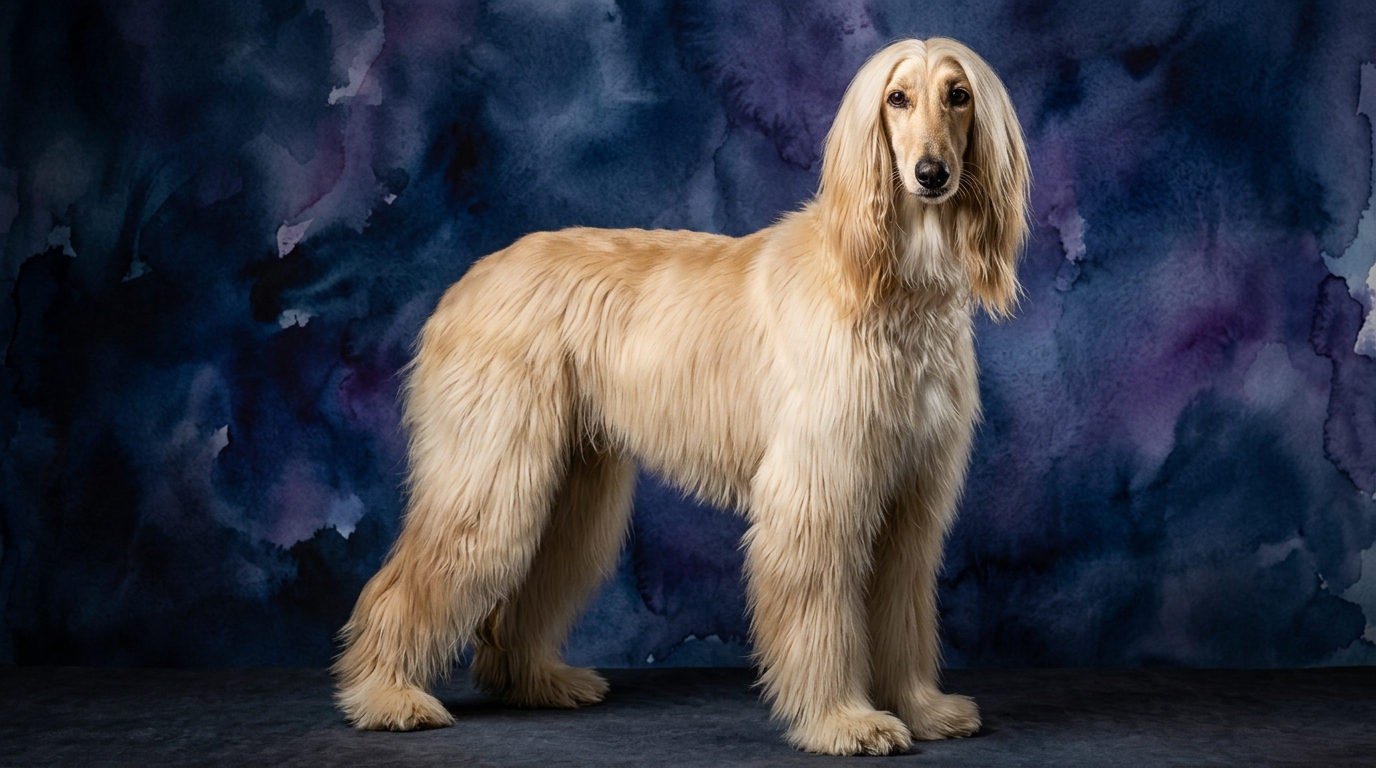
The Cosmic Pet Pet IQ Lab employs five key dimensions to evaluate canine intelligence, offering a nuanced view beyond mere obedience. For the Afghan Hound, ranked #79 on the Coren scale, we observe a distinct cognitive blueprint. Their Problem Solving capability scores an impressive 4 out of 5, indicating a strong capacity for independent thought and devising solutions without constant human prompting. Training Speed, however, registers a low 1 out of 5, reflecting their independent nature and often selective compliance. Social Intelligence is rated 2 out of 5, suggesting a reserved demeanor and selective engagement with others. Their Instinctive Drive is a perfect 5 out of 5, a testament to their profound sighthound heritage and powerful urge to pursue. Finally, Memory stands at a solid 3 out of 5, showing reliable retention of experiences and routines.
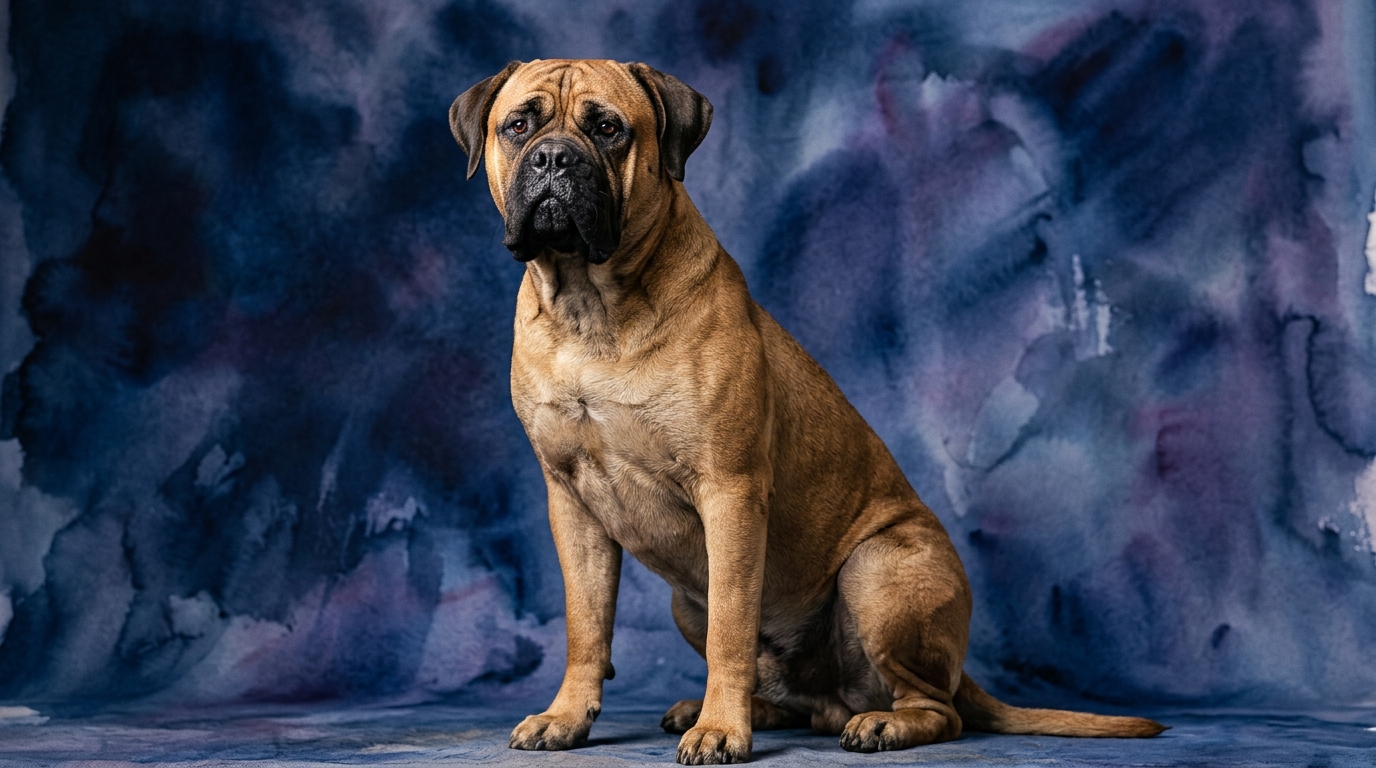
The Bullmastiff, with a Coren rank of #69, presents a different cognitive landscape. Their Problem Solving ability is a practical 3 out of 5, indicating a sensible approach to everyday challenges without excessive complexity. Training Speed is a balanced 3 out of 5, suggesting a reasonable willingness and pace for learning new commands. Social Intelligence also scores a 3 out of 5, reflecting a stable and watchful social nature, forming strong bonds with their family. Their Instinctive Drive is a moderate 3 out of 5, primarily focused on protection rather than pursuit. Like the Afghan Hound, their Memory is rated 3 out of 5, demonstrating consistent recall of familiar information and experiences.
Where the Afghan Hound Claims Cognitive Victories
The Afghan Hound truly excels in the realm of problem-solving, scoring a remarkable 4 out of 5. This signifies a breed that is not merely reactive but actively contemplative, often devising unique strategies to achieve its desires, whether that's opening a tricky gate or outsmarting a squirrel. Their ancestral role as independent hunters, requiring them to make complex decisions far from human direction, fostered a mind adept at navigating intricate environments and overcoming obstacles to reach a goal. Furthermore, their instinctive drive, rated a perfect 5 out of 5, is an unparalleled force of nature. This profound drive isn't just about chasing; it’s an all-encompassing focus, a relentless pursuit rooted in ancient sighthound instincts, making them masters of environmental scanning and target acquisition. This deep-seated motivation, while challenging to manage in a domestic setting, showcases a cognitive specialization for a specific, demanding task.
Where the Bullmastiff Demonstrates Cognitive Strengths
In contrast, the Bullmastiff claims cognitive victories in areas that prioritize cooperation and steady learning. Their training speed, at a solid 3 out of 5, indicates a more amenable and responsive learner compared to the Afghan Hound. They grasp new concepts and commands with a practical willingness, making them generally more straightforward to guide through obedience protocols. This breed also demonstrates a balanced social intelligence (3/5), fostering stable and reliable interactions within their family unit and with familiar individuals. Their calm and watchful demeanor allows them to process social cues effectively, contributing to their role as steadfast family protectors. While their instinctive drive is less intense, its focus on guardianship provides a predictable, manageable motivation, contributing to their overall Coren rank of #69, a significant jump from the Afghan Hound's #79, reflecting a broader adaptability to domestic instruction and human partnership.
Ease of Training: Behavioral Differences Unpacked
When it comes to ease of training, the Bullmastiff holds a distinct advantage. Their training speed of 3/5, combined with a social intelligence of 3/5, means they are more inclined to engage with their human trainers and process instructions efficiently. A Bullmastiff typically responds well to positive reinforcement, showing a desire to understand and comply, which translates into quicker mastery of basic commands like 'sit' or 'stay.' Their instinctive drive, rated 3/5 and focused on protection rather than pursuit, is also more manageable, making them less prone to sudden, overwhelming urges to chase. The Afghan Hound, with its training speed of 1/5, presents a much greater challenge. Their high problem-solving ability (4/5) often means they are thinking *around* commands if they don't see immediate personal benefit, rather than simply complying. Their powerful instinctive drive (5/5) means that once a scent or movement captures their attention, recalling them can be incredibly difficult, often requiring extensive, consistent, and creative training methods to even achieve moderate reliability. This isn't a lack of capacity, but a difference in cognitive priorities and inherent motivations.
Matching Breeds to Lifestyles: Active vs. Relaxed Owners
The choice between these breeds often boils down to an owner's lifestyle and energy levels. Active owners who appreciate a challenge and can provide outlets for intense physical and mental stimulation might find the Afghan Hound a rewarding companion. Their supreme instinctive drive demands extensive, secure off-leash running opportunities, such as in a fully fenced yard or a sighthound-specific park, to satisfy their innate need to gallop and chase. Their high problem-solving skills also benefit from engaging activities like lure coursing or advanced scent work that tap into their independent intellect. In contrast, the Bullmastiff is generally better suited for more relaxed owners. While they require regular walks and mental engagement to stay healthy and happy, their exercise needs are more moderate. Their protective instincts mean they appreciate a clear routine and consistent presence, making them content with being a watchful presence in the home. They thrive on companionship and structured interactions without the relentless, independent drive that defines the Afghan Hound, making them a better fit for those seeking a steadfast, calm companion.
The Verdict
Choose an Afghan Hound if you are an experienced, patient owner dedicated to providing extensive, secure exercise outlets and thrive on the unique challenge of a highly independent, problem-solving canine with a profound instinctive drive.
Opt for a Bullmastiff if you seek a calm, steadfast companion with moderate exercise needs, who is more amenable to training and offers a reliable, protective presence without the intense, independent hunting instincts.
🧠 Find Your Pet's IQ Score
Our Pet IQ Lab assessment covers 25+ tests across 5 cognitive dimensions — personalized to your breed.
Take the Full IQ Test →Frequently Asked Questions
Is an Afghan Hound difficult to train?
Yes, Afghan Hounds are considered challenging to train due to their low training speed (1/5) and high problem-solving ability (4/5). They are independent thinkers who require immense patience and consistent, positive reinforcement, often responding best when they perceive a clear benefit to themselves.
Do Bullmastiffs need a lot of exercise?
Bullmastiffs have moderate exercise requirements. While they benefit from daily walks and playtime to stay fit and mentally stimulated, their energy levels are lower than many other large breeds, making them suitable for owners who prefer a less intensely active companion.
How do their protective instincts differ?
The Afghan Hound's instinctive drive (5/5) is primarily a prey drive, focused on chasing and hunting. The Bullmastiff's instinctive drive (3/5) is predominantly a protective and guarding instinct, leading them to be watchful and defensive of their family and territory.