Side-by-Side Cognitive Profile
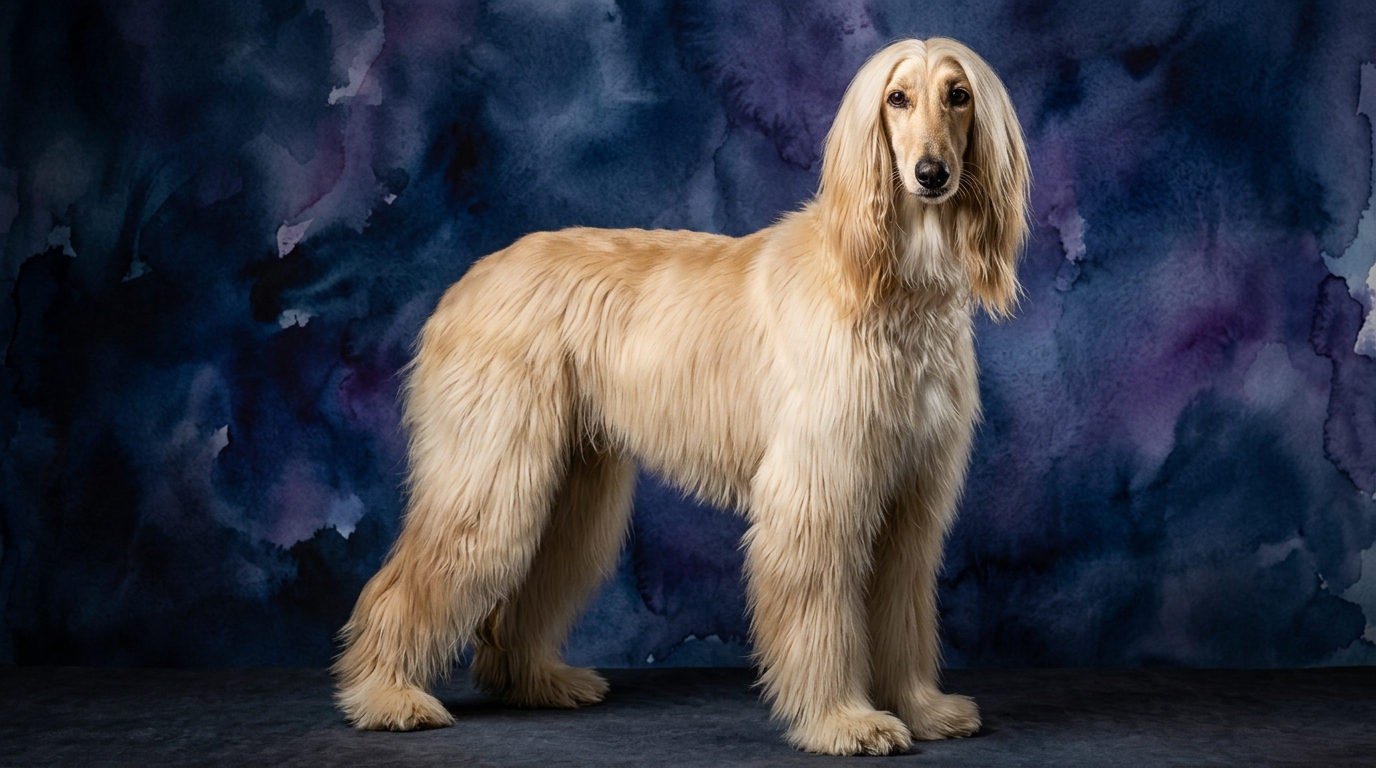
At The Cosmic Pet Pet IQ Lab, we analyze canine intelligence across five key dimensions, revealing a nuanced picture of each breed's mental landscape. For the Afghan Hound, a breed often perceived as aloof, their cognitive scores tell a story of independent thought and powerful instinct. Their problem-solving ability scores a notable 4/5, indicating a significant capacity for independent thought and strategic action. Afghan Hounds often devise clever, self-serving solutions to perceived challenges, like figuring out how to access a forbidden treat or navigate complex terrain during a chase. Their intelligence is less about pleasing a human and more about achieving their own objectives. However, their training speed is a challenging 1/5, which doesn't imply a lack of understanding, but rather a strong disinclination to perform repetitive tasks on command. Their independent nature means they often find external motivators less compelling than their own instincts or desires, making rapid acquisition of new commands a considerable challenge. Social intelligence for the Afghan Hound is 2/5; they tend to be more reserved and selective in their social interactions, preferring the company of a trusted few and often appearing detached to strangers. Their instinctive drive, a powerful 5/5, is a defining characteristic, manifesting as an exceptionally powerful, almost primal urge to chase and pursue. This intense drive dictates much of their behavior, often overriding many other impulses. Finally, their memory stands at 3/5, meaning they can recall significant experiences and routines, but their recall might be selective, especially if it interferes with a current, more compelling instinctual pursuit.
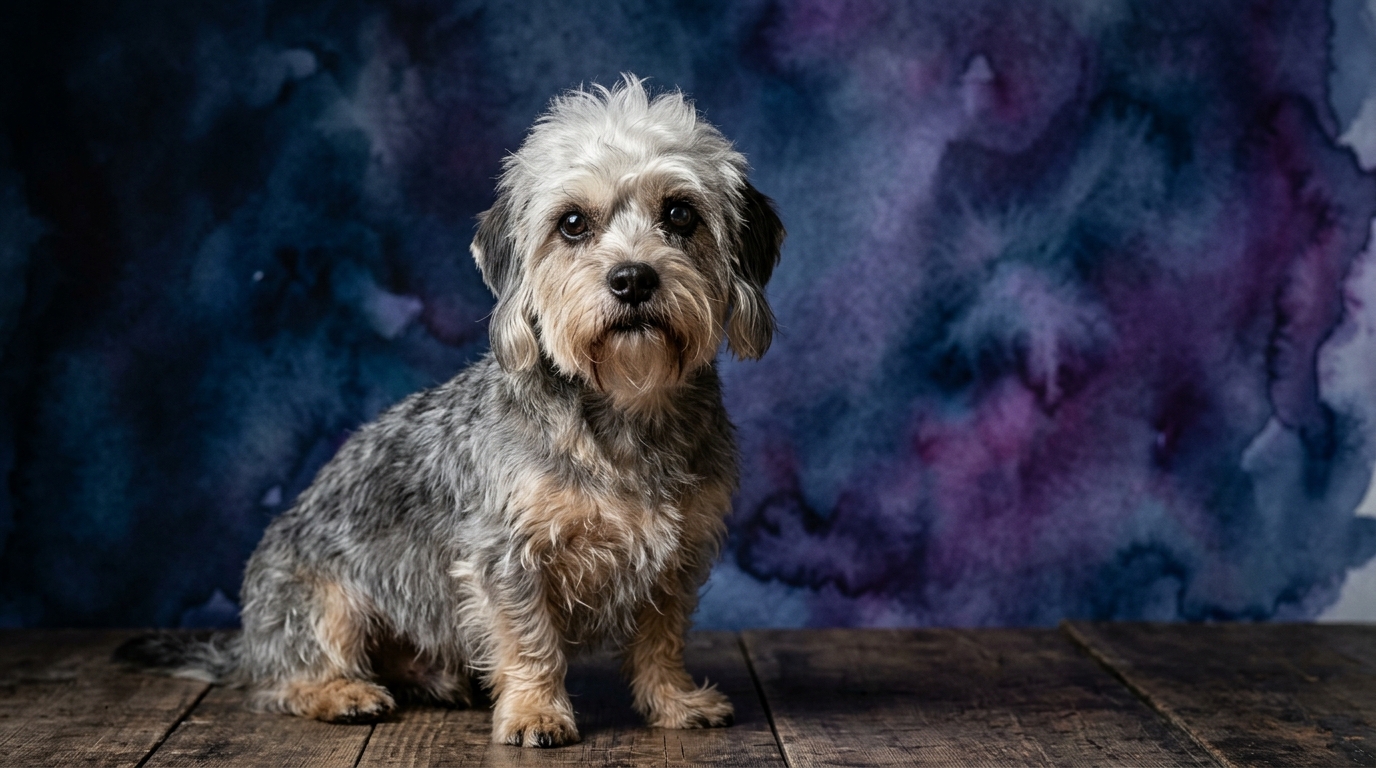
In contrast, the Dandie Dinmont Terrier presents a more balanced, yet equally distinctive, cognitive profile. Their problem-solving ability is 3/5, exhibiting a practical and persistent approach. This isn't the independent strategizing of the Afghan Hound, but rather a tenacious, terrier-typical determination to overcome physical or environmental obstacles, often in pursuit of a perceived 'prey' or interesting scent. Their training speed scores a respectable 3/5, indicating a solid ability to learn new commands and routines. While they possess terrier stubbornness, they are generally responsive to consistent, positive reinforcement and find satisfaction in engaging with their owners during training sessions, making them moderately biddable. Social intelligence for the Dandie is 3/5; they typically possess a balanced social awareness, capable of reading cues from their human family and other animals, generally adapting well to varied social situations. Their instinctive drive is also 3/5; while a terrier's drive to hunt and explore is certainly present, it is often more contained and manageable than a sighthound's, meaning they will engage with scents and small prey but are usually more amenable to redirection. Their memory, like the Afghan Hound, is 3/5, allowing them to retain training, recognize familiar faces, and recall past experiences, contributing to their capacity for consistent behavior and routine adherence.
Where the Afghan Hound Excels Cognitively
The Afghan Hound truly shines in areas demanding independent thought and raw, unadulterated drive. Their problem-solving score of 4/5 highlights an impressive capacity for self-directed ingenuity. These dogs are adept at figuring things out on their own terms, whether it's navigating a complex environment or devising a clever way to bypass a perceived barrier to their desires. This isn't about following human instructions but about an intrinsic, self-motivated strategic thinking that enables them to achieve their own objectives. This cognitive strength means they are not easily deterred by obstacles and possess a unique mental resilience when pursuing a goal they deem important.
Furthermore, the Afghan Hound's exceptional instinctive drive, rated at a powerful 5/5, is a profound cognitive advantage within its specific context. This isn't just about physical speed; it represents a deep-seated, unwavering focus and determination when their sighthound instincts are engaged. When a moving object or distant horizon captures their attention, their cognitive resources are entirely dedicated to that pursuit. This intense, singular focus allows them to process vast amounts of environmental information related to speed, trajectory, and terrain in real-time, making them incredibly effective and persistent in their natural behaviors. This powerful drive shapes their perception and interaction with the world, making them masters of their inherent purpose.
Where the Dandie Dinmont Terrier Holds a Cognitive Edge
The Dandie Dinmont Terrier demonstrates a clear cognitive advantage in areas related to cooperative learning and social adaptability. With a training speed of 3/5, they significantly outpace the Afghan Hound's 1/5. This indicates a greater aptitude for absorbing and responding to human-initiated training cues more readily. Dandies are generally more amenable to structured learning environments, showing a consistent ability to pick up new commands and routines when presented with engaging and consistent methods. Their cognitive makeup allows for a more straightforward communication channel with their human companions during the learning process, making the initial stages of training more productive and less prone to independent diversions.
Moreover, the Dandie Dinmont Terrier's social intelligence, also rated at 3/5 compared to the Afghan Hound's 2/5, signifies a more balanced and integrated approach to their social environment. Dandies are typically more attuned to subtle human cues and social dynamics, making them generally more adaptable in varied social settings and interactions. This cognitive trait allows them to read and respond to the emotional states and intentions of their human family with greater nuance, fostering a more interactive and reciprocal companionship. They tend to be more engaged in group activities and are generally more receptive to social guidance, contributing to their reputation as charming and adaptable companions.
Training Dynamics: Afghan Hound vs. Dandie Dinmont Terrier
When it comes to ease of training, the Dandie Dinmont Terrier generally presents a more manageable experience compared to the Afghan Hound. The Dandie's higher training speed of 3/5 directly translates to a greater responsiveness to repetition and positive reinforcement. They are more inclined to engage with their owner during training sessions and find satisfaction in mastering new tasks, often displaying a terrier's tenacious focus on the task at hand when properly motivated. Their balanced social intelligence (3/5) further aids this, as they are more likely to seek interaction and direction from their human companions, understanding the give-and-take of a training relationship.
The Afghan Hound, on the other hand, with its training speed of 1/5, poses a considerable challenge. This isn't due to a lack of understanding, but rather a profound independence and a powerful instinctive drive (5/5) that often overrides the desire to please. An Afghan Hound might perfectly comprehend a command but choose to follow a more compelling scent, chase a fleeting movement, or simply prioritize its own comfort over immediate obedience. Their high problem-solving ability (4/5) can even work against traditional training, as they might cleverly find ways to circumvent commands if it suits their agenda. Real behavioral differences include Afghan Hounds appearing aloof or 'stubborn' during training, often choosing to follow their own independent thoughts rather than human directives. Dandies, while possessing the typical terrier will, are generally more cooperative and find value in working collaboratively with their owners, especially if training is kept engaging and rewarding, fostering a more consistent learning curve.
Matching Canine Cognition to Owner Lifestyles
Understanding these distinct cognitive profiles is crucial for matching a breed to an owner's lifestyle. The Afghan Hound, with its immense instinctive drive (5/5) and profound independent problem-solving (4/5), is best suited for active owners. These dogs require consistent, vigorous exercise, often involving secure off-leash running opportunities where their powerful sighthound instincts can be safely expressed. An active owner must be prepared for a canine companion that thinks for itself, one that is not necessarily looking for constant direction but thrives on opportunities to explore and pursue its own interests. This dynamic can be incredibly stimulating for an owner who appreciates a dog with a strong, independent spirit and can provide ample outlets for their unique mental and physical needs. Owners must be patient and understanding of a dog whose natural impulses are incredibly strong and often override human commands.
Conversely, the Dandie Dinmont Terrier, with its moderate instinctive drive (3/5) and more balanced cognitive profile across training speed (3/5), social intelligence (3/5), and memory (3/5), generally suits owners seeking a more relaxed, yet still engaging, companion. While not sedentary, their exercise needs are more manageable, often satisfied with regular walks, structured playtime, and mental enrichment activities that appeal to their terrier curiosity. A relaxed owner will appreciate the Dandie's greater biddability and social adaptability, making them a delightful presence in various family settings. They enjoy activity but are also content with shorter bursts and more structured interaction, making them suitable for owners who appreciate a dog that is engaged and spirited but not constantly demanding high-octane pursuits. Their cognitive makeup allows them to integrate more seamlessly into a predictable home routine while still offering plenty of terrier charm and character.
The Verdict
If you are an experienced owner seeking a deeply independent and visually driven companion, prepared to meet substantial exercise needs and embrace a dog that often thinks for itself, the Afghan Hound could be an enriching choice. Their unique cognitive makeup rewards patience and a deep understanding of their sighthound nature.
Opt for the Dandie Dinmont Terrier if you desire a spirited yet more biddable companion, appreciate a moderate approach to training and exercise, and value a dog with a balanced social intelligence that integrates well into family life. They offer a delightful blend of terrier tenacity and engaging companionship.
🧠 Find Your Pet's IQ Score
Our Pet IQ Lab assessment covers 25+ tests across 5 cognitive dimensions — personalized to your breed.
Take the Full IQ Test →Frequently Asked Questions
Do Afghan Hounds understand commands but choose not to obey?
Afghan Hounds possess a high problem-solving capacity, suggesting they comprehend commands but their low training speed and high instinctive drive often lead them to prioritize their own motivations or external stimuli over immediate obedience. Their independence means they weigh the perceived value of compliance, rather than simply failing to understand.
Are Dandie Dinmont Terriers good with children?
With their balanced social intelligence and moderate instinctive drive, Dandie Dinmont Terriers can be good family companions, including with children, provided they are properly socialized and interactions are supervised. Their terrier spirit means they appreciate respectful play and clear boundaries, making them adaptable family members.
How much exercise does an Afghan Hound really need?
Afghan Hounds, with their powerful instinctive drive and sighthound heritage, require significant daily exercise, ideally including opportunities for vigorous running in a secure area to satisfy their natural urge to chase. Consistent physical and mental stimulation is crucial to their well-being, preventing boredom and channeling their energy positively.