Side-by-Side IQ Profile
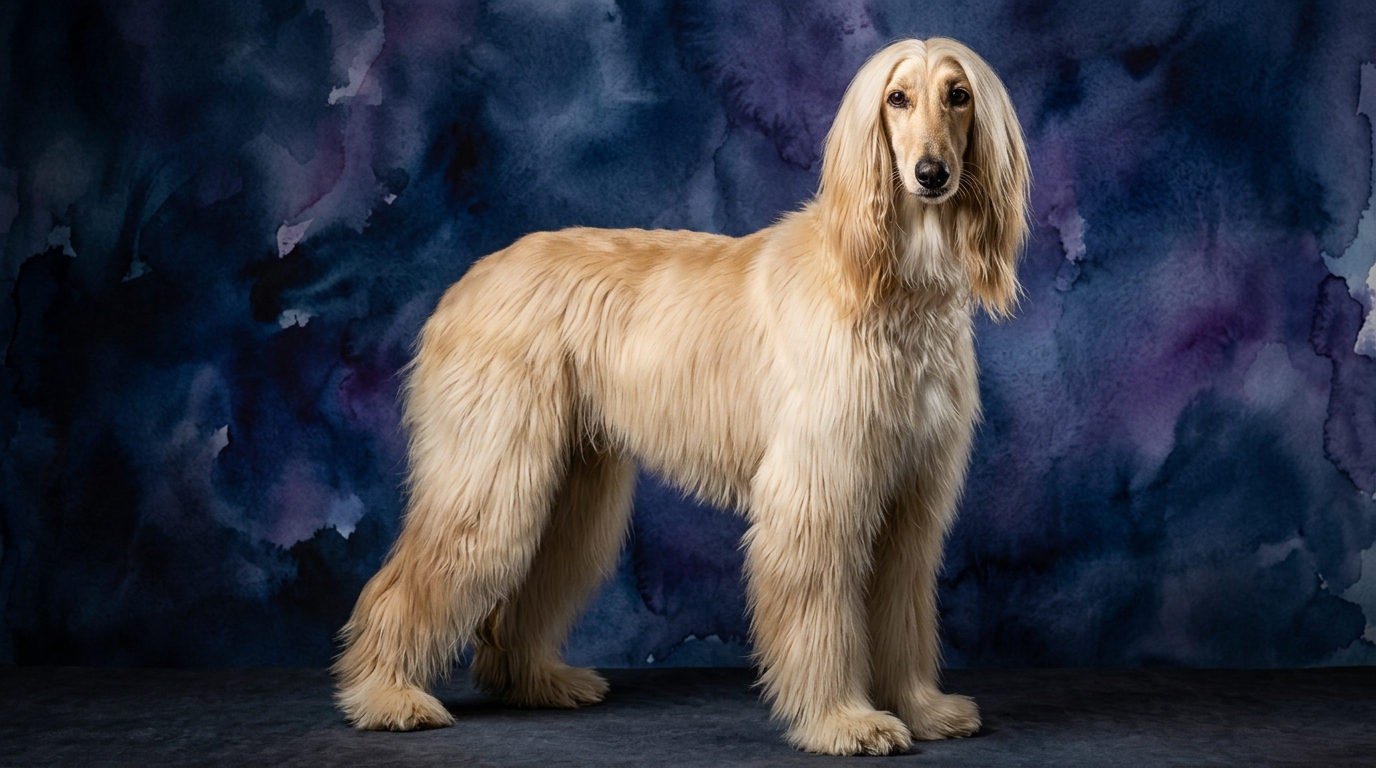
The Afghan Hound presents a unique cognitive blueprint, reflecting its sighthound heritage. Its Problem Solving score of 4/5 indicates a capacity for complex thought, often directed towards self-serving objectives rather than human directives. Training Speed, however, registers a challenging 1/5, highlighting a strong independent streak and a disinterest in repetitive drills. Social Intelligence stands at 2/5, suggesting a reserved nature and a preference for selective engagement over eager interaction. The breed's Instinctive Drive is an exceptional 5/5, embodying an ancient, powerful prey drive that defines much of its behavior. Memory is a solid 3/5, allowing them to recall past experiences and learned patterns, especially those that benefit them.
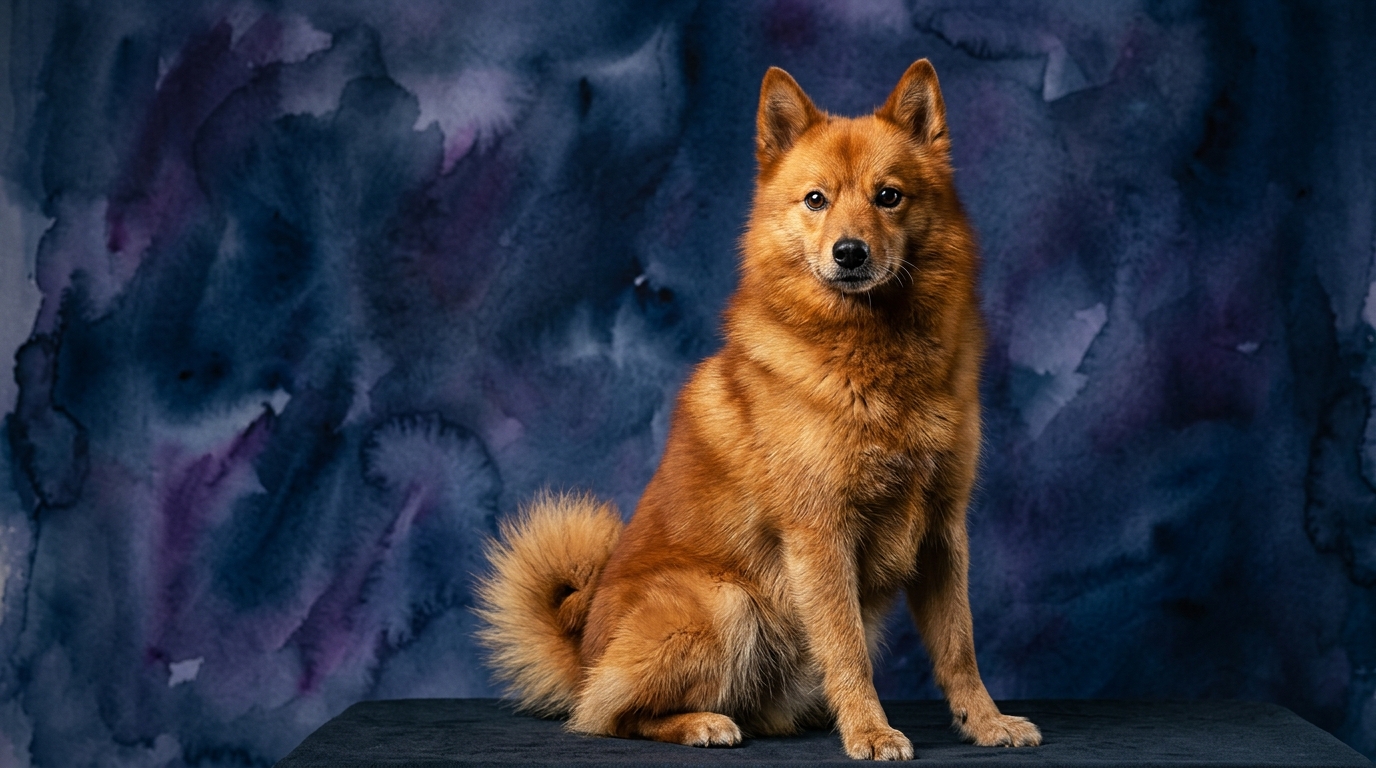
The Finnish Spitz, often dubbed the "Barking Bird Dog," exhibits a more balanced and cooperative cognitive profile. Its Problem Solving is rated 3/5, indicating an ability to learn and adapt, though perhaps with less abstract conceptualization than the Afghan Hound. Training Speed is a moderate 3/5, meaning they are generally receptive to instruction and enjoy working with their owners, albeit with typical canine attention spans. Social Intelligence also scores 3/5, reflecting a friendly disposition towards their family and a capacity for nuanced social cues, though they can be reserved with strangers. Instinctive Drive is 3/5, primarily focused on their vocal bird-hunting heritage rather than a raw, ground-pounding chase. Memory is 3/5, allowing them to retain commands and routines effectively.
Where Afghan Hound Wins Cognitively
The Afghan Hound's primary cognitive advantage lies in its profound Problem Solving ability (4/5) coupled with its unparalleled Instinctive Drive (5/5). While often misunderstood as stubbornness, this combination reflects a highly sophisticated, independent decision-making process. An Afghan Hound excels at navigating complex environments to achieve its own goals, such as finding a scent trail or identifying the quickest route to an interesting outdoor stimulus, often without human intervention or guidance. Their mental agility in assessing situations and executing self-determined plans, especially those related to their sighthound heritage, is truly remarkable. They can quickly analyze a landscape for potential prey or an escape route, demonstrating a type of intelligence geared towards survival and independent success rather than compliance. This translates into a dog that can often outthink its owner in a battle of wills, remembering which gates are latchable or how to retrieve a desired object from a seemingly secure location.
Where Finnish Spitz Wins Cognitively
The Finnish Spitz shines with its balanced cognitive profile, particularly in its Training Speed (3/5) and Social Intelligence (3/5). Unlike the Afghan Hound's independent nature, the Finnish Spitz exhibits a greater willingness to engage with humans and learn from them. Their moderate training speed means they pick up commands at a reasonable pace, responding well to positive reinforcement and consistent methods. This cooperation stems from their social intelligence, which fosters a desire to interact and please their family members, making them more amenable to structured learning environments. They are adept at reading human body language and vocal tones, adjusting their behavior accordingly. This makes them more predictable companions in a family setting, readily understanding household rules and routines. Their instinctive drive (3/5), while present for barking at birds, is less overwhelming than the Afghan's prey drive, allowing their social intelligence to guide more of their interactions with people.
Which Is Easier to Train and Why
Between these two breeds, the Finnish Spitz is undeniably easier to train due to its higher Training Speed (3/5) and Social Intelligence (3/5) compared to the Afghan Hound's scores (1/5 and 2/5 respectively). The Finnish Spitz's moderate training speed means they generally enjoy the process of learning and are more eager to please their human companions. They are more likely to make eye contact, respond to verbal cues, and repeat desired behaviors for rewards, forming a cooperative learning partnership. Their social intelligence allows them to better understand and respond to human intentions, making communication during training more effective. In contrast, the Afghan Hound's extremely low training speed makes structured obedience a significant challenge. They possess a strong will and often perceive commands as suggestions rather than directives, especially if the task doesn't align with their innate desires or instinctive drives. Their lower social intelligence means they are less motivated by human approval and more by their own internal compass, often requiring immense patience and creative, highly motivating training methods to achieve even basic compliance. An Afghan might understand a command perfectly but choose to ignore it if there's a more interesting scent or visual stimulus.
Which Suits Active Owners vs Relaxed Owners
Both breeds require a degree of owner engagement, but their needs diverge significantly. The Afghan Hound, with its powerful Instinctive Drive (5/5) and need for independent exploration, is best suited for active owners who appreciate a dog with immense stamina for long, secure off-leash runs (in appropriate, fenced areas due to their sighthound nature) or vigorous walks. These are not dogs content with a quick stroll around the block; they need outlets for their physical and mental energy, which often involves covering significant ground. Their independent problem-solving means owners must be proactive in providing mental stimulation that respects their self-directed nature, such as scent work or puzzle toys, rather than relying solely on obedience drills. Relaxed owners might find the Afghan Hound's boundless energy and independent spirit overwhelming.
The Finnish Spitz, while also energetic and requiring daily exercise, suits a broader range of active owners. Their moderate Instinctive Drive (3/5) means they enjoy walks, hikes, and active play, but are less prone to bolt after distant prey. Their higher Training Speed and Social Intelligence make them excellent candidates for dog sports like agility, obedience, or rally, offering a cooperative outlet for their energy. They thrive on interaction and enjoy being part of family activities. While they can adapt to a slightly more relaxed home environment than an Afghan, they are not couch potatoes; they need regular mental and physical engagement to prevent boredom and excessive barking. Owners who enjoy interactive play and consistent training will find the Finnish Spitz a rewarding companion.
The Verdict
Choose the Afghan Hound if you are an experienced, patient owner who deeply appreciates an independent, self-thinking companion with an unparalleled instinctive drive and the capacity to manage its unique training challenges.
Opt for the Finnish Spitz if you seek a more cooperative, interactive family companion that is moderately trainable, enjoys engaging with its humans, and offers a balanced blend of energy and social intelligence.
🧠 Find Your Pet's IQ Score
Our Pet IQ Lab assessment covers 25+ tests across 5 cognitive dimensions — personalized to your breed.
Take the Full IQ Test →Frequently Asked Questions
Is an Afghan Hound difficult to live with?
Afghan Hounds can be challenging due to their strong independence, low training speed, and powerful instinctive drive. They require consistent, patient handling, secure environments, and owners who understand their sighthound nature to thrive.
Do Finnish Spitz bark a lot?
Yes, Finnish Spitz are known as the "Barking Bird Dog" and use their voice extensively, especially when alerted or excited. This vocalization is an integral part of their breed heritage and requires management for harmonious living.
Can either breed live in an apartment?
While both breeds require significant exercise, a Finnish Spitz might adapt better to apartment living with sufficient daily walks and mental stimulation due to its more manageable size and cooperative nature. An Afghan Hound's exercise needs and tendency to roam make apartment living more challenging without extensive outdoor access.