Side-by-Side Cognitive Profile
The Cosmic Pet Pet IQ Lab employs a unique five-dimensional framework to assess canine intelligence, moving beyond simple obedience to encompass a broader spectrum of cognitive abilities. This framework allows us to dissect the mental strengths and inclinations of each breed.
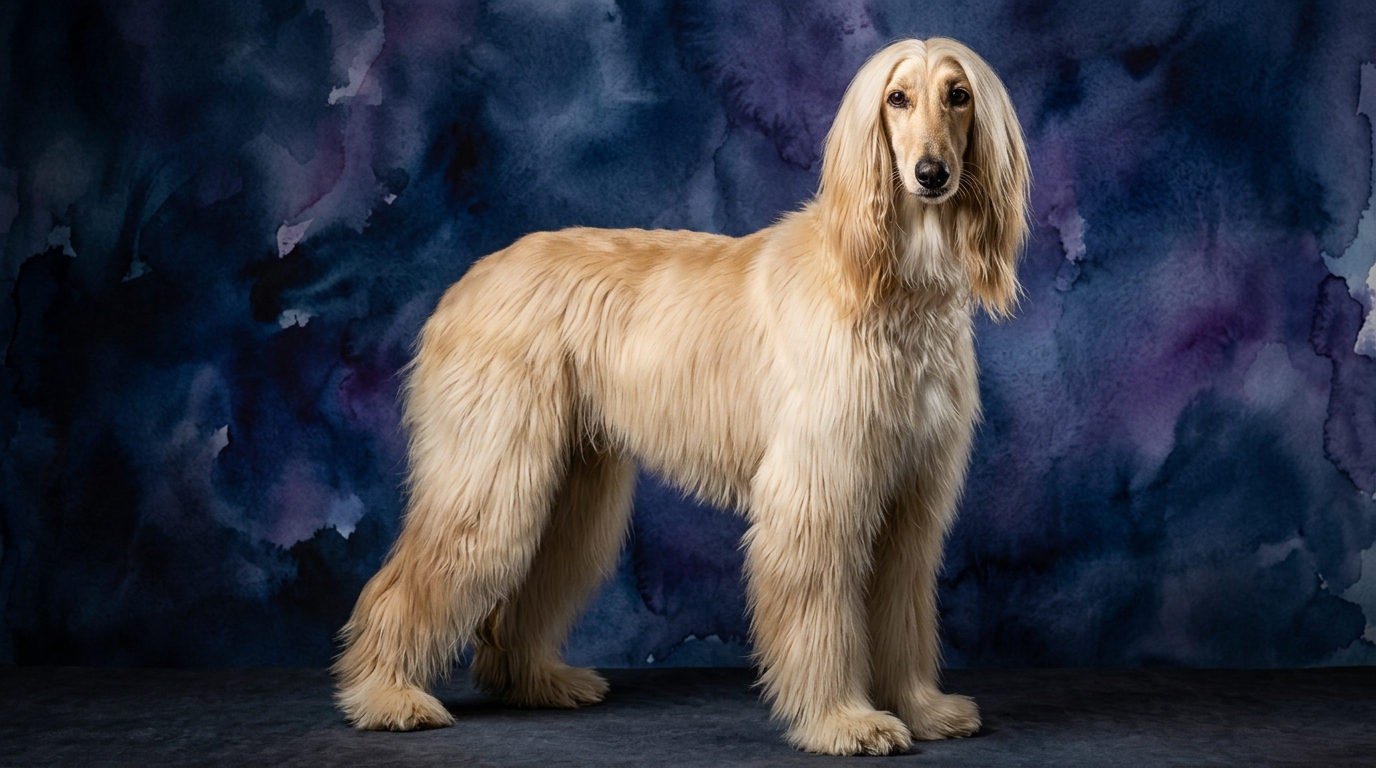
For the Afghan Hound (Hound group, Coren rank #79): Problem Solving 4/5, Training Speed 1/5, Social Intelligence 2/5, Instinctive Drive 5/5, Memory 3/5. Afghan Hounds display a strong capacity for independent thought, devising their own solutions to obstacles, especially in navigation or pursuit; this score reflects their ability to strategize and adapt without constant human direction. Their deep-seated independence means a slower uptake of obedience commands, as they process instructions at their own pace, requiring significant patience and creative motivation for new behaviors. While forming deep bonds, Afghan Hounds exhibit a reserved social demeanor, interacting on their own terms, appearing less overtly eager to please and more selective in social engagements. Bred for hunting by sight, their drive to chase is exceptionally powerful; this innate impulse, a core part of their cognition, makes them acutely aware of movement and highly motivated by pursuit. They possess moderate memory, retaining complex routes and experiences, especially those related to instinctive drives, though recall of specific commands may be less robust due to their independent nature. Their low Coren ranking (#79) underscores their challenge with traditional obedience, reflecting their preference for autonomous action over eager compliance.
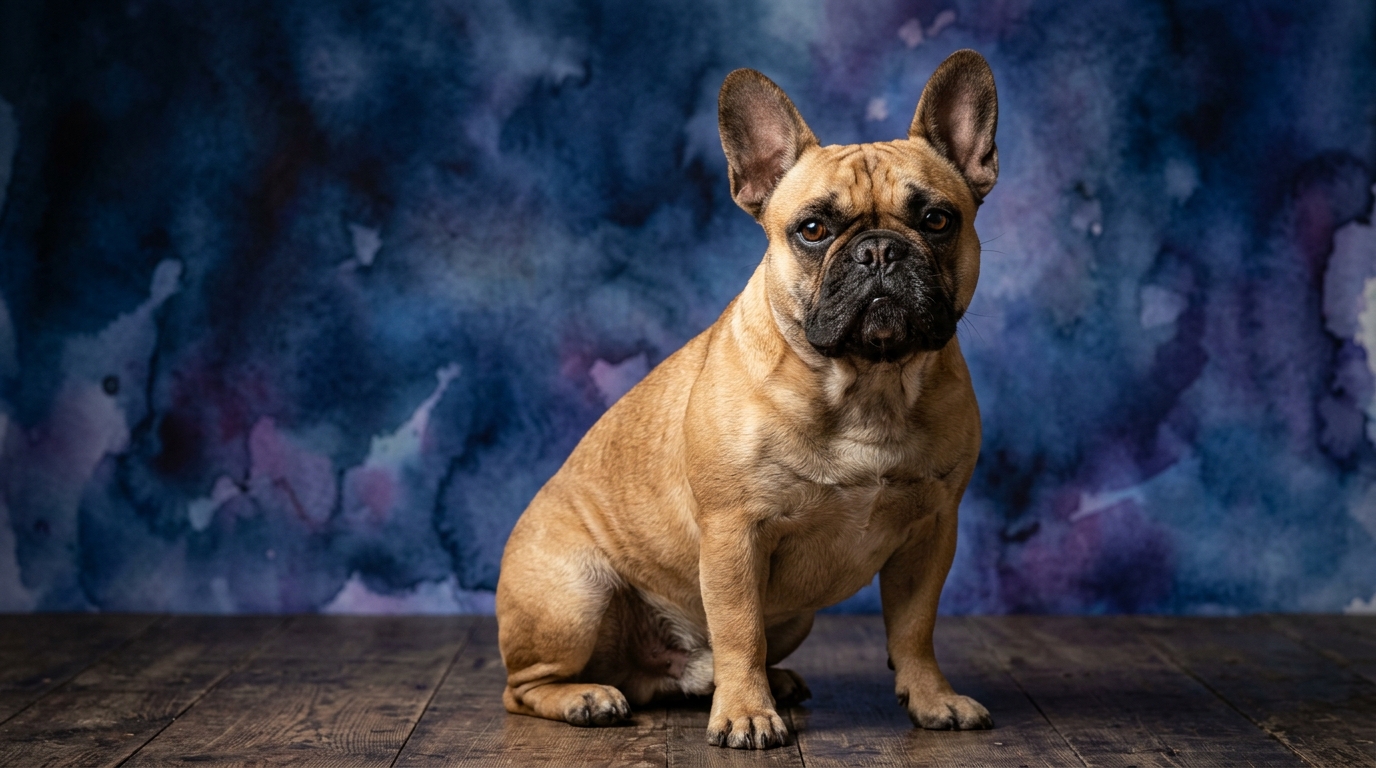
For the French Bulldog (Non-Sporting group, Not Coren-ranked): Problem Solving 3/5, Training Speed 3/5, Social Intelligence 5/5, Instinctive Drive 2/5, Memory 3/5. French Bulldogs demonstrate moderate problem-solving, often using trial-and-error or seeking human assistance; their skills focus more on comfort or social interaction than complex environmental navigation. They learn at a respectable pace, especially with fun, rewarding training, and are generally eager to cooperate, grasping new commands with consistent, positive reinforcement. This breed excels in understanding human emotions and social cues, thriving on interaction; they display a strong desire for companionship and are adept at communicating needs, forming close attachments. Their instinctive drives are comparatively low, largely bred out for companionship; while they enjoy playful chases, intense predatory drive is diminished, making them less prone to bolt. French Bulldogs have moderate memory, recalling routines, people, and pleasant experiences, and typically remember training well, especially if associated with positive reinforcement and social interaction. Though not in Coren’s original list, their moderate training speed and high social intelligence suggest they would likely fall into the middle tiers.
Where the Afghan Hound Wins Cognitively
The Afghan Hound's cognitive strengths lie primarily in its autonomous problem-solving and its unparalleled instinctive drive. Their high problem-solving score means they are adept at navigating complex environments independently, making strategic decisions without constant human input. This translates into a dog that can assess situations and determine the best course of action, whether it's finding a way around an obstacle or tracking a scent. Coupled with their exceptional instinctive drive, these hounds possess a profound understanding of their predatory impulses. This isn't just about chasing; it's about an acute awareness of their surroundings, an ability to process visual stimuli rapidly, and the intrinsic motivation to act on those perceptions, which is a sophisticated form of environmental interaction.
Where the French Bulldog Wins Cognitively
The French Bulldog's cognitive superiority is evident in its outstanding social intelligence. They possess an innate ability to read and respond to human emotions, subtle cues, and social dynamics. This allows them to forge exceptionally strong bonds, often anticipating their owner's moods and reacting accordingly, making them highly empathetic companions. Their moderate training speed, combined with this social acumen, means they are more receptive to learning within a social context. They understand the give-and-take of interaction and are motivated by the desire to please and connect with their human family, making cooperative learning a more natural fit for them.
Which is Easier to Train and Why
When considering ease of training, the French Bulldog clearly has an advantage over the Afghan Hound. The French Bulldog's training speed of 3/5, combined with its perfect 5/5 social intelligence, means they are generally eager to engage with their trainers and motivated by positive social interaction and praise. They process commands and associate them with rewards relatively quickly, making basic obedience and house-training a more straightforward process. Their desire to be a part of the family unit translates into a willingness to cooperate and understand what is expected of them. In stark contrast, the Afghan Hound’s training speed of 1/5 and social intelligence of 2/5 indicate a breed far less inclined to take direction. Their independence means they often perceive commands as suggestions rather than directives, requiring immense patience, highly varied motivational techniques, and a deep understanding of their sighthound nature to achieve consistent results. They aren't trying to be difficult; they are simply wired to make their own decisions.
Active Owners vs. Relaxed Owners: A Cognitive Match
For owners seeking an active lifestyle companion, the Afghan Hound, with its powerful 5/5 instinctive drive, is a more fitting choice. These dogs require substantial exercise that engages both their physical prowess and their innate desire to run and chase. Activities like lure coursing, long off-leash runs in secure areas, or even competitive dog sports that tap into their sighthound instincts are essential for their mental and physical well-being. Their independent nature also means they can thrive with owners who appreciate a dog that isn't constantly seeking direction, but rather enjoys shared, dynamic experiences. Conversely, the French Bulldog, with its lower instinctive drive (2/5) and high social intelligence (5/5), is better suited for more relaxed owners. They are content with moderate daily walks and thrive on companionship within the home environment. Their exercise needs are easily met, and their primary desire is to be close to their human family, making them excellent companions for apartment living or owners who prefer less strenuous outdoor activities.
The Verdict
Opt for an Afghan Hound if you are an experienced owner who appreciates an independent, visually driven companion, prepared to dedicate substantial time to managing their powerful instinctive drives and employing creative, patient training methods.
Select a French Bulldog if you desire a highly social, adaptable, and affectionate companion, well-suited for a more relaxed lifestyle and responsive to positive, socially-driven training approaches.
🧠 Find Your Pet's IQ Score
Our Pet IQ Lab assessment covers 25+ tests across 5 cognitive dimensions — personalized to your breed.
Take the Full IQ Test →Frequently Asked Questions
Do Afghan Hounds understand commands, even if they don't always obey?
Yes, Afghan Hounds are capable of understanding commands, but their low training speed and high independence mean they often choose whether or not to comply based on their own assessment of the situation or their current motivation.
Are French Bulldogs good at learning tricks?
French Bulldogs, with their moderate training speed and high social intelligence, are generally quite good at learning tricks, especially if the training is fun, uses positive reinforcement, and involves plenty of interaction with their owner.
How does instinctive drive impact daily life for these breeds?
For Afghan Hounds, a high instinctive drive means a strong urge to chase moving objects, requiring secure leashes and fenced yards. For French Bulldogs, a low instinctive drive means they are less prone to bolt and generally more content in urban or home settings.