Side-by-side IQ profile
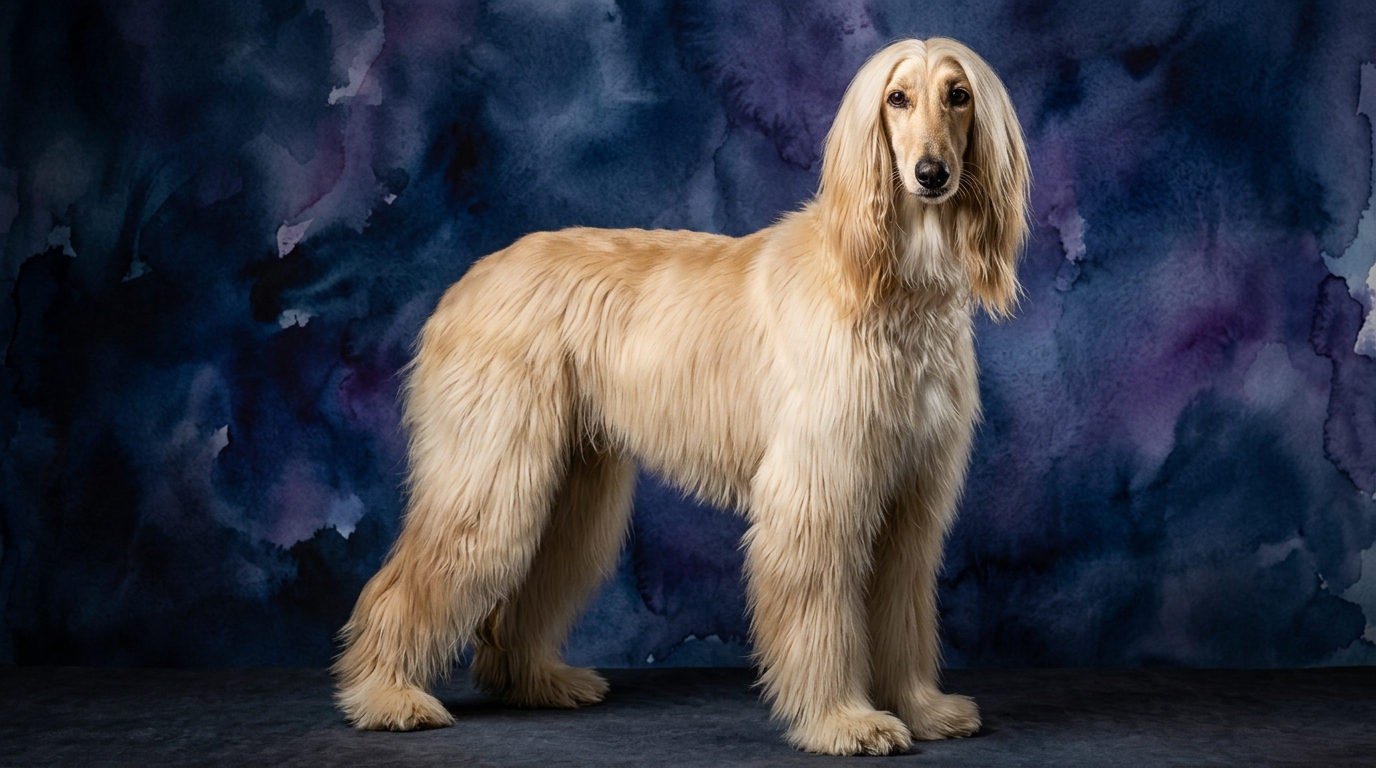
**Afghan Hound:** The Afghan Hound, a breed of ancient lineage, exhibits a unique cognitive blueprint with problem-solving at 4/5, reflecting their historical role as independent hunters strategizing pursuits without direct human command. Their training speed is notably low at 1/5, indicating strong self-reliance and a general disinterest in repetitive instruction or pleasing a handler. Social intelligence stands at 2/5, often interpreted as aloofness; they form deep bonds but are not typically effusive or overtly people-focused. An exceptional instinctive drive of 5/5 highlights their profound sighthound nature, an unyielding impulse to chase and hunt. Their memory is rated 3/5, sufficient for recalling hunting grounds and routines but not necessarily for complex sequential commands.
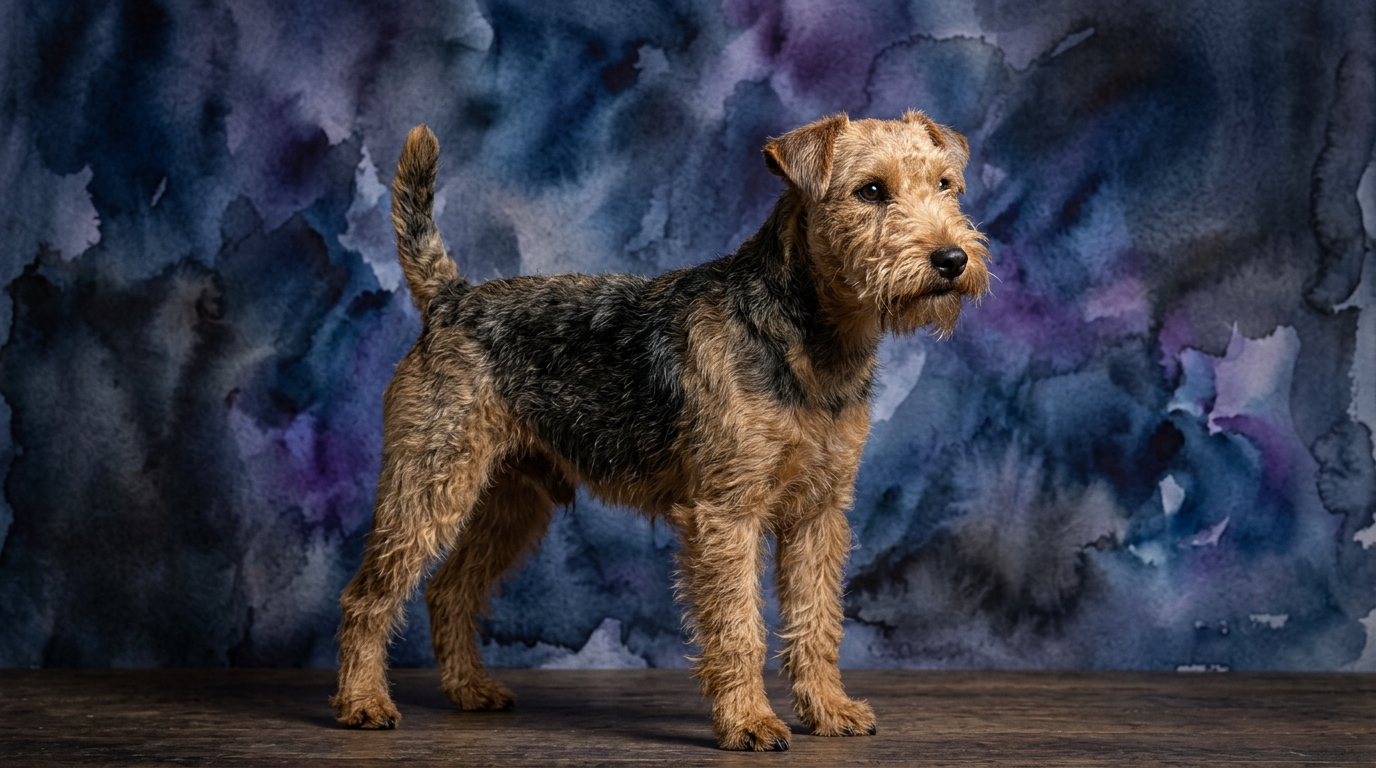
**Lakeland Terrier:** The Lakeland Terrier, in contrast, presents a more balanced and interactive cognitive profile with problem-solving aptitude at 3/5, demonstrating a resourceful intelligence vital for navigating underground tunnels and outwitting vermin. A training speed of 3/5 suggests they are more amenable to instruction than the Afghan, capable of learning with consistent effort, though their terrier tenacity can introduce challenges. Social intelligence is also 3/5, indicating a more engaged and family-oriented disposition, valuing interaction and connection. Their instinctive drive is 3/5, present but typically more manageable than a sighthound's, manifesting as digging, chasing small animals, and a spirited nature. Memory is also 3/5, allowing them to retain learned behaviors and routines effectively.
Where Afghan Hound wins cognitively
The Afghan Hound's cognitive strengths primarily lie in their advanced problem-solving capabilities (4/5) applied to autonomous tasks and their unparalleled instinctive drive (5/5). These dogs excel at independent decision-making, a trait honed over centuries where they were expected to hunt prey without human direction, evaluating terrain and anticipating animal movements on their own. This translates into a remarkable ability to navigate complex environments and pursue targets with relentless focus and strategic improvisation, making them formidable in activities tapping into their sighthound nature, such as lure coursing.
Where Lakeland Terrier wins cognitively
The Lakeland Terrier demonstrates cognitive advantages particularly in their training speed (3/5) and social intelligence (3/5), offering a more adaptable and interactive partnership. While their problem-solving (3/5) is effective for their tasks, it's their relative biddability compared to the Afghan that stands out, making them more receptive to learning new commands and participating in structured activities. Their higher social intelligence means they are often more attuned to human cues and eager to engage in collaborative tasks, fostering a more direct and responsive bond. This allows for a wider range of activities and a more conventional approach to companionship and training.
Which is easier to train and why
Training ease starkly differentiates these two breeds. The Lakeland Terrier, with a training speed of 3/5, is generally more amenable to traditional training methods. While they possess a characteristic terrier stubbornness and independent streak, they also exhibit a desire to interact and work alongside their human companions, especially when motivated by engaging rewards and consistent, positive reinforcement, learning new commands at a moderate pace. Conversely, the Afghan Hound's training speed is rated at a very low 1/5, making them considerably more challenging to train in a conventional sense. Their sighthound heritage instilled profound independence; they were bred to think for themselves, not to follow commands slavishly, often seeing little inherent value in repeating actions for human approval. Training an Afghan Hound requires immense patience, creativity, and an understanding that their motivation often comes from within, making for a less straightforward training journey focused on management and channeling natural behaviors.
Which suits active owners vs relaxed owners
For active owners, both breeds require engagement, but the nature of that activity differs significantly. The Afghan Hound, with its 5/5 instinctive drive, demands substantial opportunities to run at top speed in secure environments; their need for intense bursts of exercise, such as lure coursing or long, fast runs, is non-negotiable for their well-being. A relaxed owner unable to provide outlets for this profound sighthound instinct would likely find an Afghan Hound challenging. The Lakeland Terrier, possessing a 3/5 instinctive drive, also thrives on activity but is more versatile, enjoying brisk walks, hiking, and interactive play, adapting to various owner lifestyles with consistent mental and physical stimulation. While energetic, their exercise needs are generally more manageable than the Afghan Hound's, making them suitable for active owners who enjoy regular engagement and outdoor adventures without requiring daily high-speed pursuits.
The Verdict
Opt for the Afghan Hound if you appreciate a truly independent and elegant companion, are prepared for a significant commitment to managing their powerful instinctive drive, and value a unique, often aloof, but deeply loyal bond that requires understanding their self-reliant nature.
Select the Lakeland Terrier if you seek a spirited, interactive, and more biddable partner who thrives on engagement and offers a more conventional training experience, while still being prepared for their characteristic terrier tenacity and moderate exercise requirements.
🧠 Find Your Pet's IQ Score
Our Pet IQ Lab assessment covers 25+ tests across 5 cognitive dimensions — personalized to your breed.
Take the Full IQ Test →Frequently Asked Questions
Are Afghan Hounds untrainable due to their low training speed?
No, Afghan Hounds are not untrainable, but their training requires a different approach focused on building a strong relationship and finding intrinsic motivators rather than expecting eager obedience. They respond best to positive reinforcement, short sessions, and activities that tap into their natural instincts, like lure coursing.
Is a Lakeland Terrier a good choice for first-time dog owners?
A Lakeland Terrier can be a good choice for first-time owners who are prepared for a spirited, persistent, and intelligent companion. They require consistent training, early socialization, and an owner willing to embrace their terrier energy and occasional stubbornness with patience and humor.
What kind of mental stimulation do these breeds need beyond physical exercise?
Afghan Hounds benefit from scent work, puzzle toys, and opportunities for independent exploration, engaging their problem-solving and memory. Lakeland Terriers thrive on interactive games, obedience training, agility, and tasks allowing them to "work" and use their resourceful problem-solving skills, like digging boxes or supervised exploration.