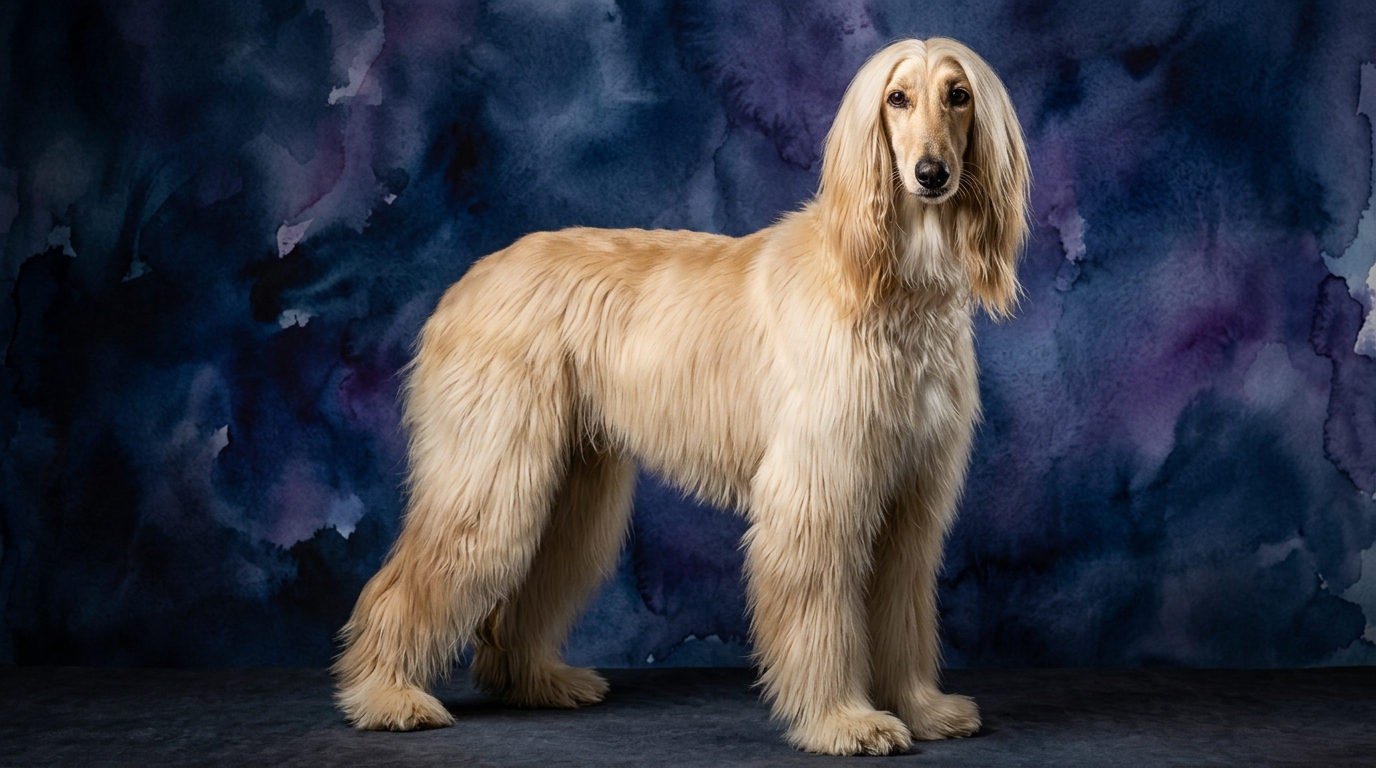
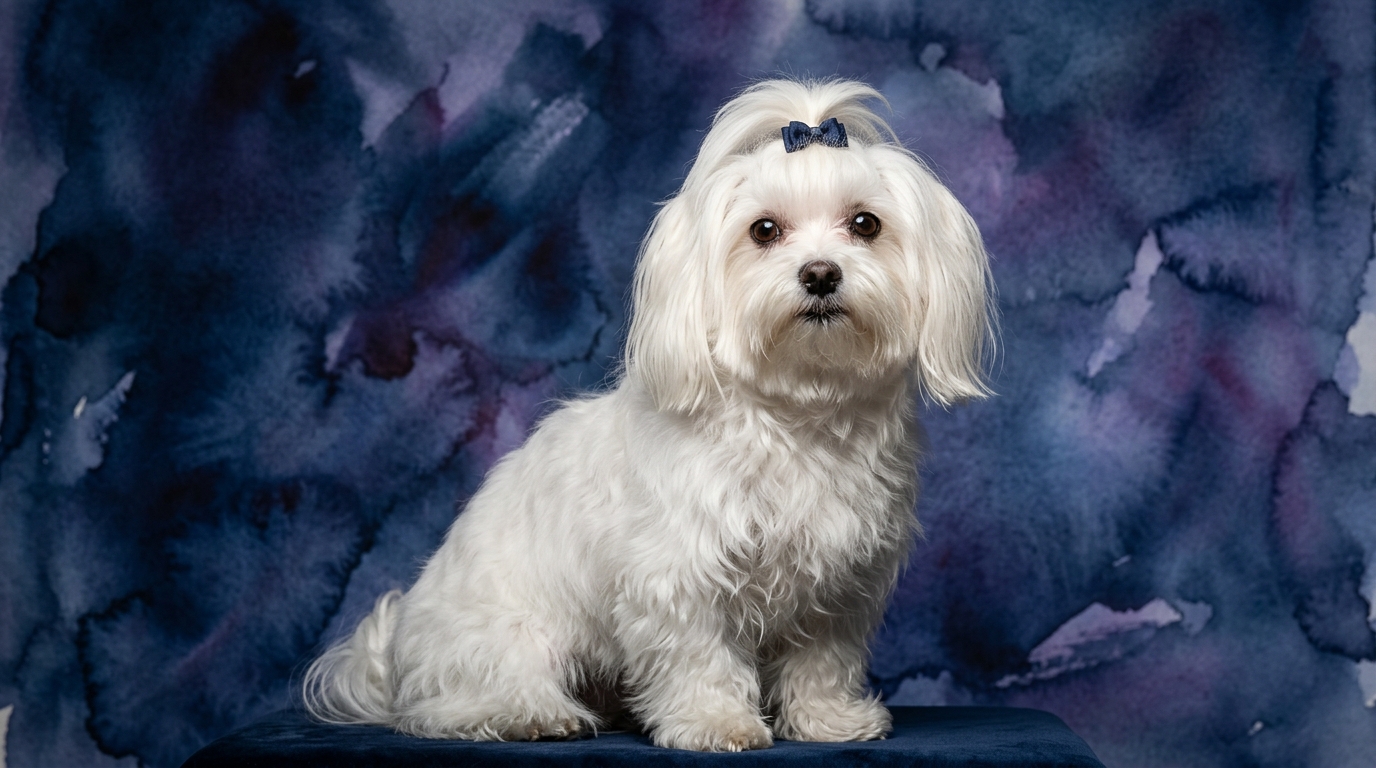
Side-by-Side IQ Profile: Unpacking Breed Cognition
The Cosmic Pet Pet IQ Lab uses a five-dimensional framework for canine intelligence, revealing nuanced cognitive strengths and challenges. For the Afghan Hound, a breed steeped in sighthound tradition, metrics paint a picture of independent thought and powerful instinct. Their Problem Solving is rated 4/5, indicating strong capacity for complex, self-directed thought, often applied to navigating their environment. Training Speed is a challenging 1/5, meaning they learn commands very slowly, requiring immense consistency. Social Intelligence stands at 2/5, suggesting less intrinsic focus on human social cues. Their Instinctive Drive is a perfect 5/5, a testament to profound sighthound heritage and deeply ingrained prey pursuit behaviors. Memory is rated 3/5, an average capacity, selectively applied.
In contrast, the Maltese, a beloved companion breed for millennia, presents a cognitive profile geared towards interaction and adaptability within a human household. Their Problem Solving is rated 3/5, indicating moderate ability to figure out puzzles or navigate minor obstacles, often with reliance on human assistance. Their Training Speed is 3/5, an average pace, making them reasonably receptive to learning commands with positive reinforcement. Social Intelligence is a standout 5/5, reflecting exceptional attunement to human emotions and communication, making them highly empathetic and responsive companions. Instinctive Drive is a low 2/5, as their historical role was not hunting but companionship. Their Memory is also 3/5, an average capacity, enabling them to recall routines, people, and learned behaviors effectively.
Where the Afghan Hound Wins Cognitively
The Afghan Hound's most pronounced cognitive strengths lie in its exceptional problem-solving capabilities and its unparalleled instinctive drive, both scoring remarkably high at 4/5 and 5/5 respectively. Their high problem-solving reflects a heritage as independent hunters, making swift, complex decisions in pursuit of prey without direct human command. This manifests as a resourceful, self-reliant approach to navigating their environment, finding clever ways to achieve their own goals, such as escaping enclosures or outsmarting obstacles. This isn't about obedience puzzles; it’s about strategic thinking for self-preservation.
The Afghan Hound's perfect 5/5 in instinctive drive is a testament to its deeply ingrained sighthound lineage, providing unparalleled focus and determination when pursuing a target. This isn't just about chasing squirrels; it's about an acute awareness of movement, speed, and strategic pursuit, a specialized intelligence honed over centuries for effective hunting. Their robust physical capabilities are intrinsically linked to this cognitive strength, allowing them to execute complex chase patterns with precision and endurance. This drive provides an intrinsic motivation that, while challenging to redirect, is a powerful cognitive engine for tasks aligned with their natural inclinations, such as lure coursing.
Where the Maltese Wins Cognitively
The Maltese truly shines with its exceptional social intelligence, scoring a perfect 5/5, setting it apart as a master of human-canine communication and companionship. This breed possesses an innate ability to read subtle human cues, understand emotional states, and adapt its behavior to foster strong bonds, making them incredibly empathetic and responsive companions. They often anticipate needs, offer comfort, and engage in reciprocal interactions that deepen the human-animal connection, integrating seamlessly into family life.
Their moderate training speed of 3/5 is a direct benefit of this social acumen; they are eager to please and respond well to positive reinforcement, often picking up new tricks and commands with reasonable consistency when motivated by interaction and praise. Unlike breeds bred for independent work, the Maltese thrives on collaboration and interaction, viewing training as an extension of their social connection. This willingness to engage and adapt makes them remarkably receptive to learning within a human-centric environment, translating into a more cooperative and responsive pet. Their cognitive focus is on forming and maintaining social bonds, making them ideal for owners seeking a deeply connected and communicative companion.
Which is Easier to Train and Why
Based on The Cosmic Pet Pet IQ Lab data, the Maltese is demonstrably easier to train than the Afghan Hound, a difference rooted deeply in their evolutionary purposes. The Maltese's training speed of 3/5, combined with its perfect 5/5 social intelligence, means it is responsive, eager to please, and deeply attuned to its owner's intentions. They learn commands at an average pace, highly motivated by interaction and praise, making positive reinforcement techniques incredibly effective and rewarding. A Maltese typically views training as an engaging social activity, further strengthening their bond.
In stark contrast, the Afghan Hound presents a significant training challenge, with a training speed of a mere 1/5, compounded by its lower social intelligence (2/5). This breed often perceives commands as suggestions, preferring to follow its own instincts, requiring immense patience, consistency, and creative motivation. Their independent nature, a relic of their sighthound heritage, means they are not inherently driven to please humans, often finding their own pursuits more rewarding than obedience. Training an Afghan Hound demands an owner who appreciates their unique, often stubborn, cognitive makeup and can tap into their intrinsic motivations.
Which Suits Active Owners vs Relaxed Owners
The Afghan Hound is undeniably suited for active owners who understand and appreciate its unique cognitive and physical demands. Its profound instinctive drive (5/5) and high problem-solving ability (4/5) mean it thrives on engaging activities that challenge both its body and mind, such as lure coursing, vigorous hikes, or advanced agility. Owners must provide consistent, stimulating outlets for their independent nature and powerful prey drive; otherwise, their clever hound may invent its own entertainment. This breed requires an owner dedicated to channeling its formidable energy and intelligent self-direction into appropriate activities, rather than expecting passive obedience.
Conversely, the Maltese is an ideal match for more relaxed owners seeking a devoted and responsive companion, where emphasis is on social interaction rather than intense physical activity. Its high social intelligence (5/5) and lower instinctive drive (2/5) mean it prioritizes human interaction, comfort, and companionship. While they enjoy playtime and short, leisurely walks, their primary cognitive needs are met through close companionship, interactive games, and gentle training sessions that strengthen the bond. This makes them perfectly content in a less physically demanding household, thriving on affection and consistent social engagement.
The Verdict
Choose the Afghan Hound if you are an experienced, active owner seeking an independent, elegant companion with a strong will and keen problem-solving mind, prepared to engage with its profound instinctive drives and unique training challenges.
Choose the Maltese if you desire a highly social, affectionate, and responsive companion who thrives on human interaction and is relatively cooperative in training, fitting seamlessly into a relaxed, companionship-focused lifestyle.
🧠 Find Your Pet's IQ Score
Our Pet IQ Lab assessment covers 25+ tests across 5 cognitive dimensions — personalized to your breed.
Take the Full IQ Test →Frequently Asked Questions
Are Afghan Hounds truly "hard to train"?
Yes, their 1/5 training speed and independent nature make them challenging. They learn slowly and are not naturally inclined to obey, requiring significant patience and motivation tailored to their sighthound instincts.
Does a Maltese need a lot of mental stimulation?
While not requiring complex problem-solving tasks like some breeds, Maltese thrive on social stimulation and interactive play. Their high social intelligence means companionship and engaging with their owners are their primary cognitive needs.
Can an Afghan Hound live in an apartment?
An Afghan Hound can adapt to apartment living if their significant exercise requirements and need for mental engagement are met daily. Their powerful instinctive drive means they need ample opportunity for running and exploring in secure areas.