The Cosmic Pet Pet IQ Lab Profiles: Afghan Hound vs. Pointer
Our Cosmic Pet Pet IQ Lab evaluates canine cognition across five key dimensions: Problem Solving, Training Speed, Social Intelligence, Instinctive Drive, and Memory, providing a granular view of a breed's mental landscape. These metrics move beyond generic labels to offer specific insights into how a dog thinks, learns, and interacts with its world.
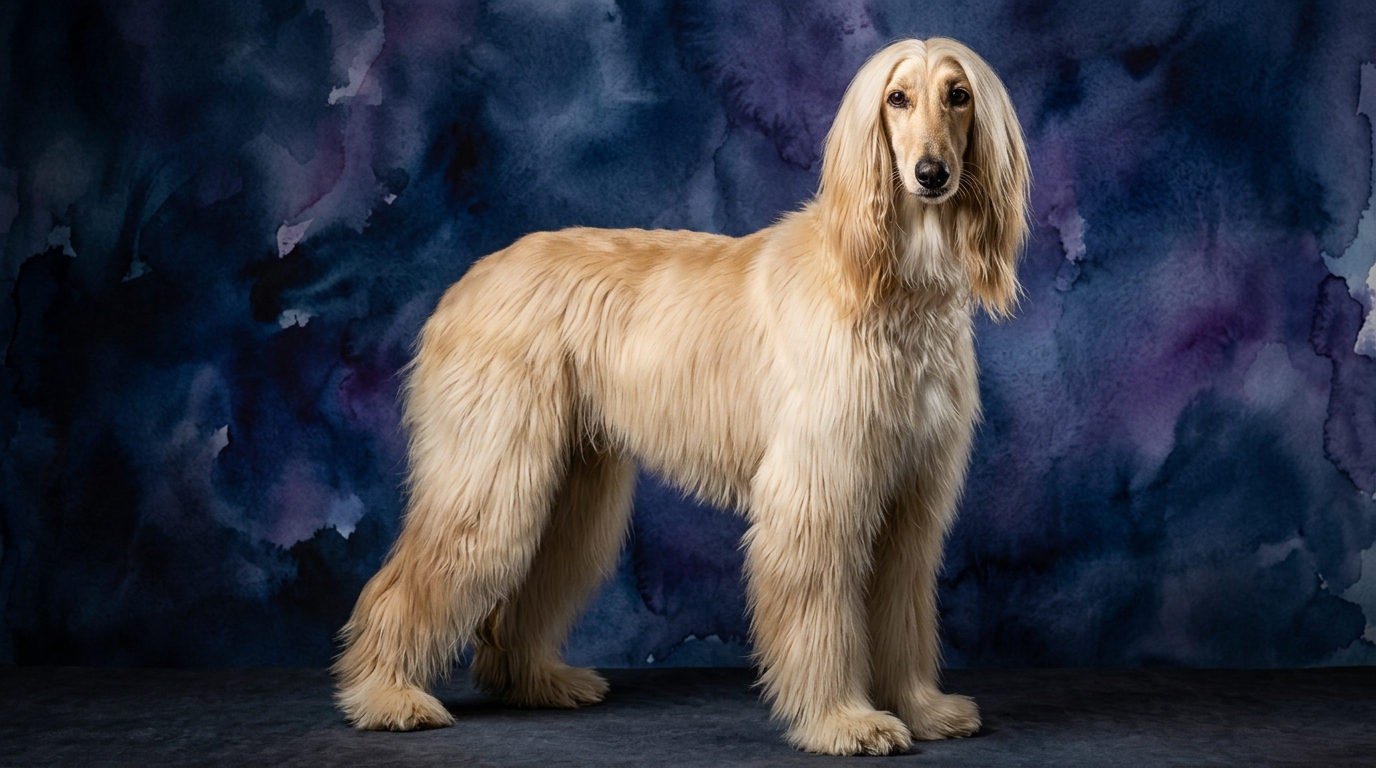
The Afghan Hound, a breed often noted for its striking appearance, possesses a distinct cognitive profile reflected in its Coren rank of #79. Its Problem Solving is rated at an impressive 4/5, indicating a capacity for independent thought and navigating complex situations. However, its Training Speed stands at a challenging 1/5, suggesting a strong self-will. Social Intelligence is 2/5, pointing to a more aloof or self-reliant disposition, while its Instinctive Drive is a powerful 5/5, showcasing deep-seated natural behaviors. Memory is a solid 3/5, allowing them to retain experiences effectively.
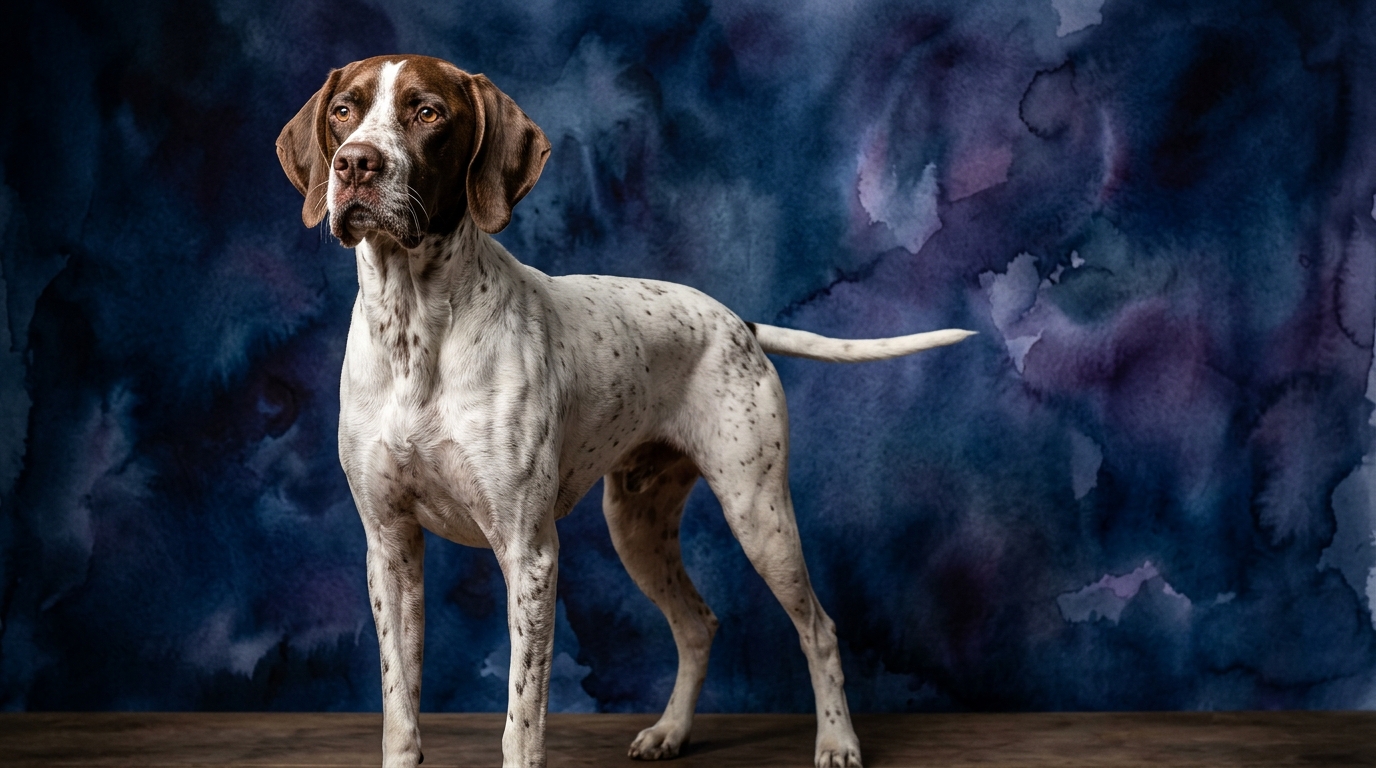
In contrast, the Pointer, a breed celebrated for its sporting prowess, presents a more balanced cognitive blueprint, though it is not included in the traditional Coren ranking. Its Problem Solving is rated 3/5, indicating a practical intelligence capable of learning and adapting. Training Speed is 3/5, signifying a moderate willingness and ability to absorb commands. Social Intelligence is also 3/5, suggesting a cooperative and companionable nature. Instinctive Drive is rated 3/5, meaning their inherent drives are present but often more directed and manageable, and Memory also sits at 3/5, providing a reliable recall of learned information.
Afghan Hound's Cognitive Edge
The Afghan Hound's cognitive strengths lie profoundly in its exceptional Problem Solving ability (4/5) coupled with an overwhelming Instinctive Drive (5/5). This combination makes them master strategists in their own right, capable of independent decision-making when faced with obstacles or opportunities. For instance, if an Afghan Hound detects a scent or sees something intriguing, its high instinctive drive compels it to pursue, and its problem-solving acumen allows it to figure out how to bypass fences, open gates, or navigate unfamiliar terrain to achieve its goal, often with little regard for human instruction.
Their deep, ingrained instinctive drive is not merely a burst of energy but a sophisticated internal compass that guides complex behaviors. This ancient drive means they are powerfully tuned to their environment, capable of assessing situations and reacting based on millennia of selective breeding for independent hunting. This manifests as a self-assuredness and a tendency to trust their own judgment above all else, making them incredibly effective at what they are instinctively driven to do, even if it's not what their human wants.
Pointer's Cognitive Strengths
The Pointer's cognitive strengths are rooted in its balanced profile, particularly its moderate Training Speed (3/5) and Social Intelligence (3/5). Unlike the Afghan Hound's independent streak, Pointers are inherently more inclined to collaborate and engage with their human partners. Their problem-solving at 3/5 is practical and applied, meaning they learn tasks and commands effectively when guided, rather than devising their own complex solutions independently. This makes them excellent candidates for structured training in field work or various canine sports where partnership is key.
Their social intelligence fosters a strong desire to please and a clear understanding of human cues, making them highly responsive companions. The Pointer's instinctive drive, rated 3/5, is specifically tailored for cooperative hunting; they are driven to find game and 'point,' but they do so in a manner that facilitates the hunter's success, rather than acting solely on their own impulse. This focused drive, combined with their social aptitude, makes them highly trainable for specific, shared objectives.
Training Dynamics: A Tale of Two Temperaments
The stark contrast in Training Speed is where the Afghan Hound (1/5) and Pointer (3/5) diverge significantly, impacting their trainability. The Afghan Hound's low training speed is not an indicator of lack of learning capacity, but rather a reflection of their profound independence and strong self-will. They learn what they deem important, and often on their own timeline, showing little inherent motivation to comply with repetitive human commands if the reward isn't immediately compelling or if it interferes with their own agenda. This can lead to a perception of "stubbornness" or "disinterest" during training sessions.
In stark contrast, the Pointer's moderate training speed, coupled with its social intelligence, makes it a much more amenable student. Pointers generally possess an eagerness to engage with their owners and a desire to perform tasks for praise or rewards. Their instinctive drive, while present, is more easily channeled into structured activities like retrieving or pointing, making them responsive to cues and consistent in their performance. They thrive on clear direction and positive reinforcement, quickly grasping new concepts and retaining them reliably.
Behaviorally, an Afghan Hound might exhibit "selective hearing," choosing to ignore commands when a more interesting scent or sight captures their attention, a direct consequence of their high instinctive drive. Conversely, a Pointer is typically more focused on its handler during training, exhibiting greater consistency and a willingness to work as a team, making the training process generally smoother and more rewarding for both parties.
Lifestyle Match: Active vs. Relaxed Owners
For owners considering an Afghan Hound, understanding their cognitive profile is crucial for a harmonious life. Their potent Instinctive Drive (5/5) and high Problem Solving (4/5), combined with low Social Intelligence (2/5), means they thrive with owners who appreciate and can manage a highly independent spirit. They require secure environments to prevent them from following their strong prey drive, which can lead them far afield. While not necessarily demanding constant physical exertion like some working breeds, they need consistent mental engagement that respects their autonomy and provides outlets for their independent problem-solving, rather than strict obedience. They are not suited for owners seeking a passively compliant companion.
The Pointer, with its balanced Instinctive Drive (3/5) and Social Intelligence (3/5), aligns well with active owners who enjoy partnership in activities. They are energetic dogs who relish opportunities for exercise, whether it's long walks, runs, or engaging in dog sports like agility or field trials. Their cooperative nature means they thrive on shared experiences and enjoy working alongside their human. While they possess significant energy, it's often more directed and trainable, making them adaptable to a relaxed home environment once their daily exercise and mental stimulation needs are met. They are a good fit for owners who want an engaged, responsive, and active companion.
The Verdict
Choose an Afghan Hound if you appreciate a highly independent, self-sufficient companion with a deep, ancient instinctual drive and are prepared for a unique training journey that respects their autonomy.
Opt for a Pointer if you seek a cooperative, responsive partner for active pursuits, valuing a balanced intellect that excels in guided tasks and forms strong social bonds with its human.
🧠 Find Your Pet's IQ Score
Our Pet IQ Lab assessment covers 25+ tests across 5 cognitive dimensions — personalized to your breed.
Take the Full IQ Test →Frequently Asked Questions
How does the Afghan Hound's Coren ranking influence its perceived intelligence?
The Afghan Hound's Coren rank of #79 places it among breeds requiring more repetitions to learn new commands, reflecting its low training speed score. This ranking primarily assesses obedience and working intelligence, rather than the full spectrum of cognitive abilities, like their impressive problem-solving and instinctive drive.
Can an Afghan Hound be trained effectively despite its low training speed score?
Yes, Afghan Hounds can be trained effectively, but it requires patience, consistency, and methods that appeal to their independent nature. Focusing on positive reinforcement and making training a game rather than a command-and-obey drill often yields better results, acknowledging their selective cooperation.
Are Pointers easy dogs for first-time owners?
Pointers can be a good fit for first-time owners who are committed to providing adequate exercise and consistent training. Their moderate social intelligence and training speed make them generally responsive and eager to please, but their energy levels require an owner prepared for an active lifestyle.