Side-by-Side IQ Profile: Afghan Hound vs. Pug
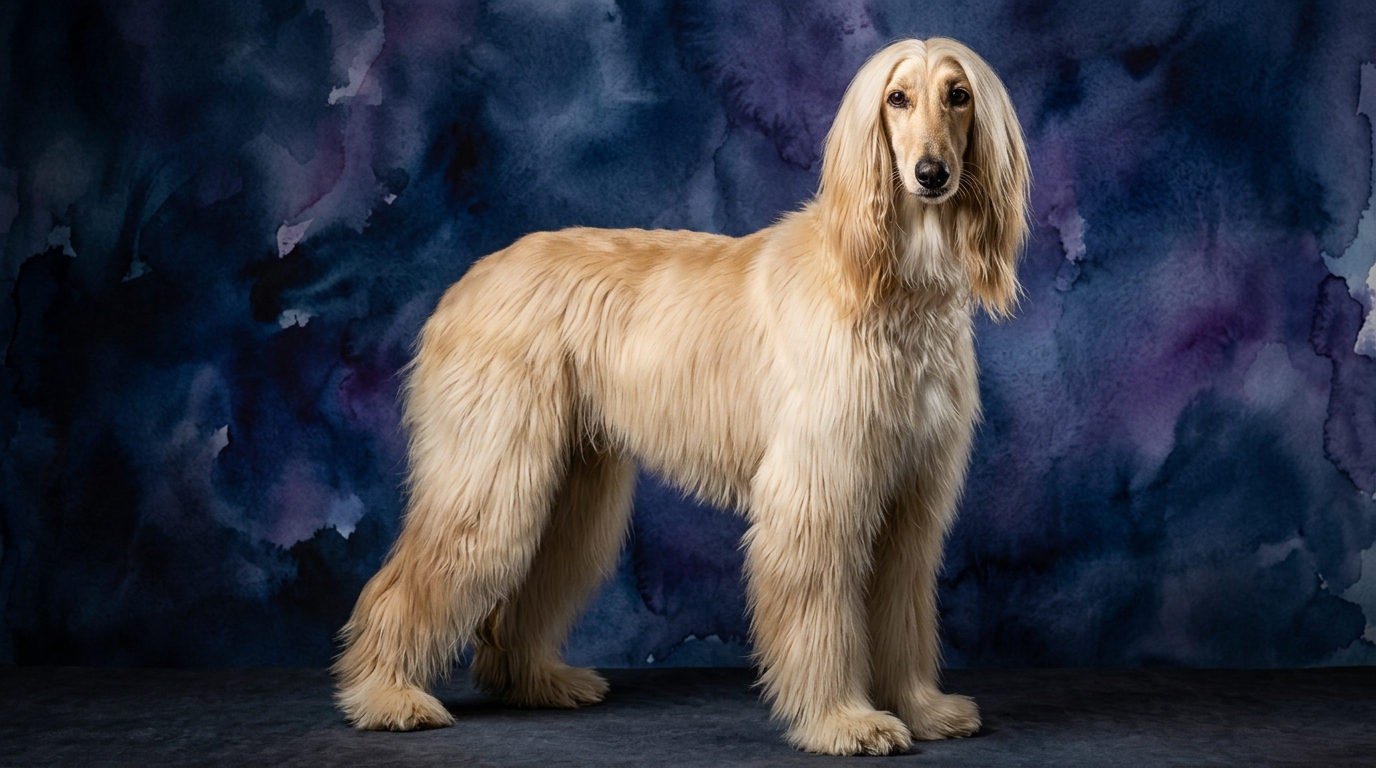
The Cosmic Pet Pet IQ Lab provides a five-dimensional cognitive framework to understand canine intelligence, moving beyond simple 'smart' labels. For the Afghan Hound, ranked #79 by Coren, its profile shows a Problem Solving score of 4/5, indicating a significant capacity for independent thought and figuring out complex situations. However, its Training Speed is a notably low 1/5, suggesting a strong disinclination to perform repetitive tasks on command. Social Intelligence for the Afghan Hound sits at 2/5, meaning they are less attuned to human social cues than many other breeds. Its Instinctive Drive is a powerful 5/5, reflecting its heritage as a sighthound with an intense urge to chase, while its Memory scores a moderate 3/5, capable of retaining learned information over time, though perhaps not always choosing to apply it on cue.
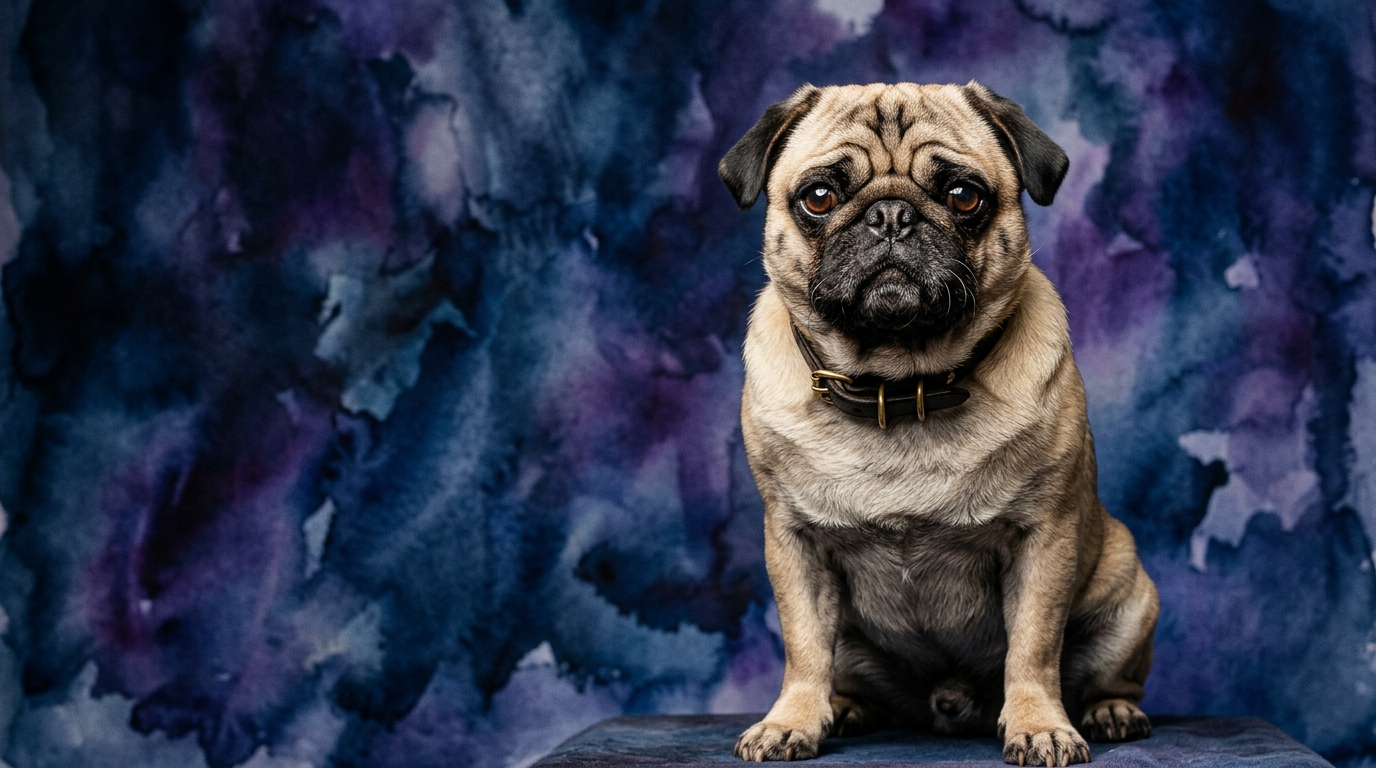
In contrast, the Pug, with a Coren rank of #57, presents a very different cognitive blueprint. Its Problem Solving score is 2/5, indicating a more modest ability to independently navigate complex environmental puzzles. Where the Pug shines is in Social Intelligence, scoring a perfect 5/5, demonstrating an exceptional ability to read and respond to human emotions and intentions. Its Training Speed is 2/5, slightly higher than the Afghan Hound, suggesting a greater willingness to engage in learning, albeit still not rapid. The Pug's Instinctive Drive is a low 2/5, reflecting its history as a companion animal rather than a hunter, with little inherent urge to pursue. Its Memory, like the Afghan Hound, is rated at 3/5, offering a decent capacity for recall.
Where the Afghan Hound Wins Cognitively
The Afghan Hound truly excels in independent problem-solving and its formidable instinctive drive. With a Problem Solving score of 4/5, these dogs are adept at figuring out intricate environmental challenges on their own terms. This might manifest as them skillfully opening latches, escaping enclosures, or navigating complex terrains without human direction. Their cognitive strength lies in their self-reliance and their ability to assess situations and devise solutions that serve their own interests, often relating to their strong pursuit instinct. This high problem-solving capacity, combined with an Instinctive Drive of 5/5, means an Afghan Hound can be incredibly focused and determined when motivated by a chase or a perceived opportunity to explore. They are not easily deterred once their instincts are engaged, making them formidable in tasks requiring endurance and self-directed action, even if those actions don't align with human expectations.
Where the Pug Wins Cognitively
The Pug's cognitive strengths are deeply rooted in its social aptitude and companionship-oriented nature. Scoring a perfect 5/5 in Social Intelligence, Pugs are masters at discerning human moods, intentions, and even subtle shifts in body language. This exceptional empathy allows them to adapt their behavior to fit seamlessly into a family dynamic, often anticipating needs for comfort or play. They are adept at forming strong emotional bonds, and their cognitive processing is highly tuned to human interaction, making them incredibly responsive to social cues. This isn't about solving complex puzzles in the physical world, but rather navigating the intricate social landscape of a household with remarkable finesse. Their slightly better Training Speed (2/5 compared to the Afghan's 1/5) is likely bolstered by this strong social connection; they are more inclined to engage in learning when it means pleasing their human companions and receiving positive social reinforcement.
Which Is Easier to Train and Why
When considering ease of training, the Pug generally presents a more amenable experience compared to the Afghan Hound. The Pug's Training Speed, while not exceptionally high at 2/5, is still double that of the Afghan Hound's 1/5. This slight edge is significantly amplified by the Pug's outstanding Social Intelligence (5/5). Pugs are deeply motivated by human approval and connection, making them more inclined to engage in training activities that foster interaction and praise. They are more likely to watch their owner, respond to verbal cues, and adjust their behavior to elicit positive reinforcement. Their desire to be close and involved with their human family translates into a greater willingness to learn and comply, even if it takes a few repetitions.
Conversely, the Afghan Hound's independent nature and low Social Intelligence (2/5) coupled with a very low Training Speed (1/5) mean that training them requires immense patience and a different approach. Their cognitive framework is not primarily geared towards pleasing humans through obedience. An Afghan Hound might understand a command but choose not to execute it if it doesn't align with its current interest or instinctive drive. Their high problem-solving ability often means they're figuring out how to get what *they* want, not necessarily how to perform a trick for a treat. Their powerful instinctive drive (5/5) means that once focused on something like a scent or a movement, human commands often fade into the background, making consistent recall or heel training a significant, ongoing challenge.
Suiting Active Owners vs. Relaxed Owners
The contrasting cognitive profiles of these breeds strongly dictate which lifestyle they best complement. The Afghan Hound, with its profound Instinctive Drive (5/5) and independent problem-solving (4/5), thrives with active owners who can meet its substantial physical and mental stimulation needs. These dogs require extensive opportunities to run, explore, and engage their sighthound instincts in safe, controlled environments. They are ideal for individuals or families who embrace a dynamic outdoor lifestyle, perhaps enjoying long hikes, jogging, or participation in lure coursing. Their independent streak means they appreciate space and freedom, rather than constant human direction, making them a fit for owners who respect a dog's self-possessed nature and can provide avenues for that energy to be channeled constructively.
The Pug, on the other hand, with its low Instinctive Drive (2/5) and exceptional Social Intelligence (5/5), is a perfect match for more relaxed owners. Pugs are content with moderate daily exercise, such as leisurely walks, and prefer spending the majority of their time in the company of their human family. Their cognitive wiring is geared towards companionship, making them happiest when snuggled on the couch, observing household activities, or engaging in gentle play. They are well-suited for individuals living in apartments or those with less active lifestyles who prioritize an affectionate, attentive companion. Owners who appreciate a dog that is highly attuned to their emotions and desires a constant presence will find the Pug's cognitive makeup to be a perfect fit.
The Verdict
Choose an Afghan Hound if you value a physically capable, independent thinker with a strong will and are prepared to engage with its deep instinctive drive and unique training challenges, offering ample space for it to run.
Opt for a Pug if you desire a highly social, emotionally intelligent companion dog that thrives on human interaction and affection, fitting seamlessly into a more relaxed, companionship-focused lifestyle.
🧠 Find Your Pet's IQ Score
Our Pet IQ Lab assessment covers 25+ tests across 5 cognitive dimensions — personalized to your breed.
Take the Full IQ Test →Frequently Asked Questions
Do Afghan Hounds or Pugs learn tricks faster?
Based on their Training Speed scores, Pugs (2/5) are likely to pick up tricks slightly faster than Afghan Hounds (1/5). The Pug's high social intelligence also makes them more eager to engage in the learning process for human approval.
Which breed is better at understanding human emotions?
The Pug, with a Social Intelligence score of 5/5, is significantly better at understanding and responding to human emotions. Afghan Hounds, scoring 2/5, are less attuned to subtle human social cues.
Are Afghan Hounds or Pugs more prone to independent thinking?
Afghan Hounds exhibit far more independent thinking, evidenced by their Problem Solving score of 4/5. They are adept at figuring things out on their own, often pursuing their interests rather than waiting for human direction, unlike the more companion-focused Pug.