Side-by-Side Cognitive Profiles
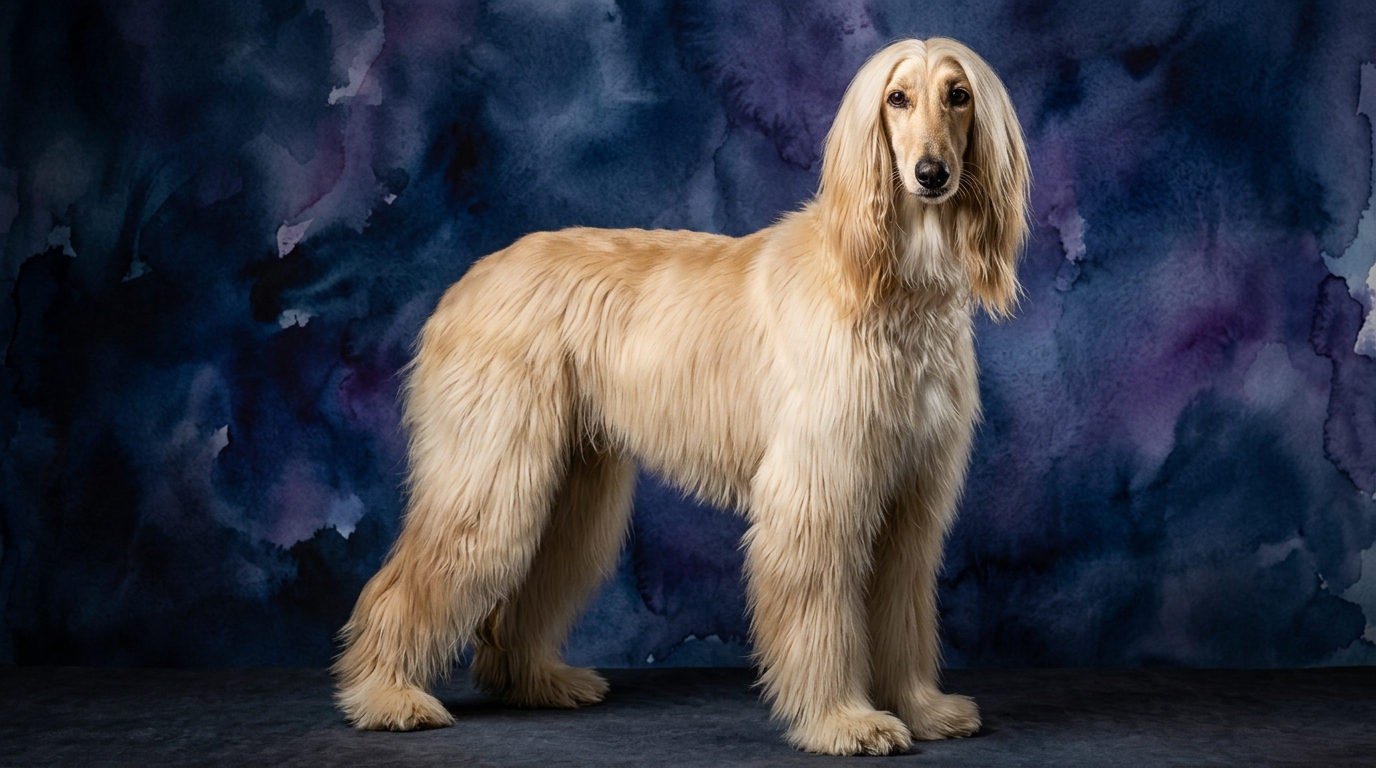
The Cosmic Pet Pet IQ Lab's framework provides a granular view into the cognitive makeup of these distinct breeds. For the Afghan Hound, ranked #79 by Coren, its Problem Solving ability scores a respectable 4/5, indicating a strong capacity to navigate complex physical environments and overcome obstacles, often driven by its keen visual instincts. However, its Training Speed is a modest 1/5, reflecting a characteristic independence and a less pronounced inclination towards repetitive, human-directed tasks. Social Intelligence stands at 2/5, suggesting a reserved nature that forms deep, but often subtle, bonds with its inner circle, while its Instinctive Drive is a powerful 5/5, a testament to its sighthound heritage and an unwavering urge to chase. Memory for the Afghan Hound is rated 3/5, sufficient for routines but perhaps not for intricate command sequences.
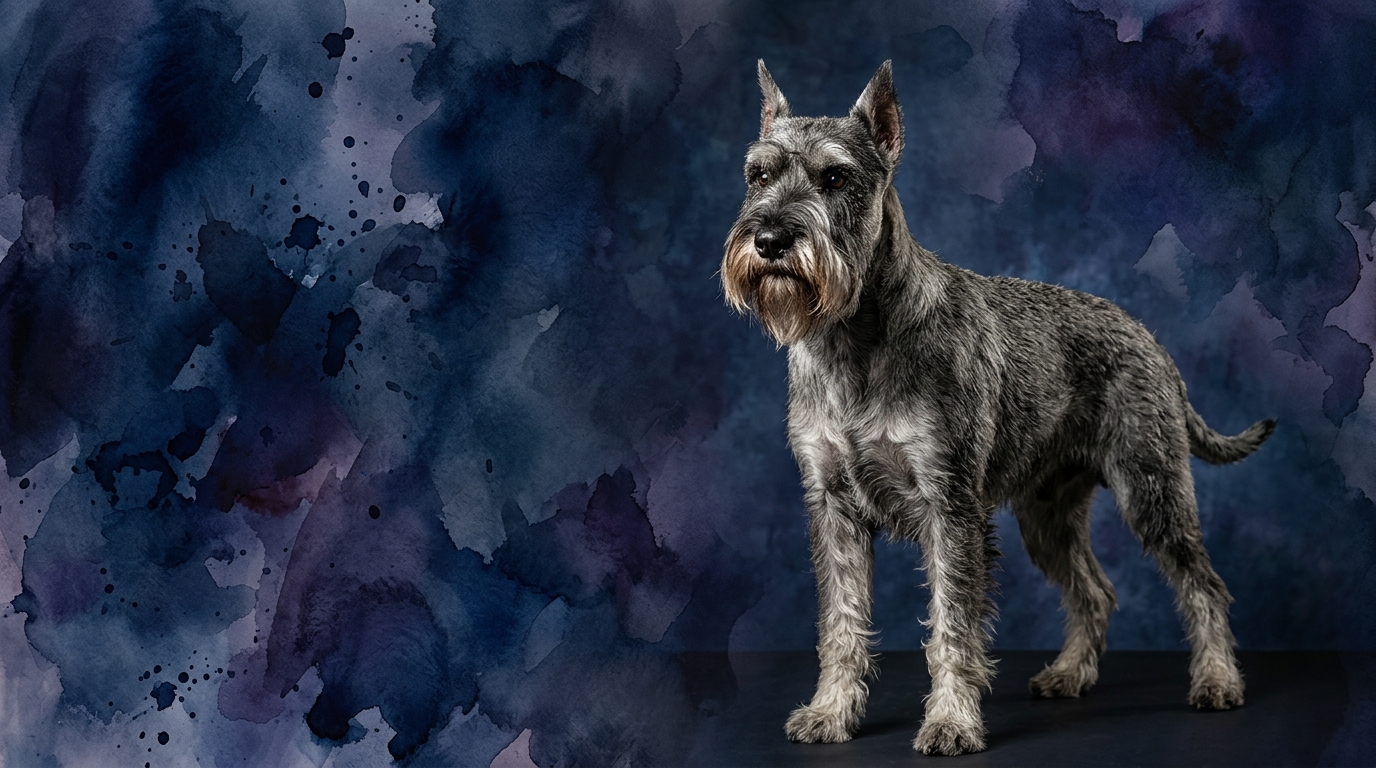
In contrast, the Standard Schnauzer, holding a more prominent Coren rank of #22, presents a different cognitive blueprint. Its Problem Solving ability also scores 4/5, demonstrating an aptitude for figuring out practical challenges, often related to its historical roles as a farm dog and vermin hunter. Crucially, its Training Speed is a robust 4/5, highlighting a readiness to learn and a responsiveness to instruction. The Standard Schnauzer's Social Intelligence is 3/5, indicating an alert, watchful nature and a strong connection to its human family, capable of reading cues and engaging collaboratively. Its Instinctive Drive is a balanced 3/5, manifesting as a protective instinct and a desire to work, rather than an overwhelming prey drive. Finally, its Memory is a strong 4/5, contributing significantly to its consistent performance and ability to retain a broad repertoire of learned behaviors.
Where the Afghan Hound Excels Cognitively
The Afghan Hound's primary cognitive strength lies in its extraordinary Instinctive Drive, rated a perfect 5/5. This isn't merely a desire to chase; it's a sophisticated, self-directed hunting intelligence. An Afghan excels at autonomously assessing a moving target, calculating trajectories, and executing a pursuit with remarkable speed and agility, often over varied terrain. This problem-solving in motion, relying heavily on visual cues and innate drive, is a cognitive triumph distinct from human-directed tasks. Their problem-solving capacity, while rated similarly to the Schnauzer, is often expressed through independent action, such as finding creative ways to overcome physical barriers in pursuit of a perceived 'lure' or navigating complex outdoor environments based on sight rather than scent or instruction.
This breed's cognitive prowess is best observed when it's allowed to engage its sighthound heritage, whether in lure coursing or simply observing its environment with an almost regal detachment. Their memory, while not top-tier for obedience commands, is sufficient to recall the layout of vast fields or the location of interesting visual stimuli, allowing them to navigate and operate effectively within their preferred mode of engagement.
Where the Standard Schnauzer Excels Cognitively
The Standard Schnauzer's cognitive strengths shine particularly bright in areas that involve collaboration and structured learning. Its superior Training Speed (4/5) and Memory (4/5) are a powerful combination, enabling it to grasp new commands and routines with impressive efficiency and retain them reliably. This breed doesn't just learn; it often enjoys the process of learning, finding satisfaction in mastering tasks and engaging with its human partners. This makes them adept at a wide range of canine sports and activities where precision and responsiveness are key.
Furthermore, their elevated Social Intelligence (3/5) allows them to be more attuned to human expectations and subtle cues, facilitating a more fluid partnership in training and daily life. They are capable of understanding and responding to a greater breadth of human communication, making them versatile companions. Their problem-solving abilities are often directed towards practical, human-centric tasks, such as figuring out how to open a gate or retrieve a specific item, demonstrating an adaptable and purpose-driven mental approach that aligns well with their working dog classification.
Ease of Training: A Tale of Two Temperaments
When it comes to ease of training, the Standard Schnauzer holds a significant advantage, largely due to its higher Training Speed (4/5) and Memory (4/5). This breed typically approaches training sessions with enthusiasm and a desire to please, quickly understanding what is expected of them and retaining that information. Their moderate Social Intelligence means they are attentive to their handler and generally responsive to cues, thriving on the engagement and mental stimulation that training provides. They often find joy in the routine and structure of learning, making them a rewarding partner for obedience or dog sports.
The Afghan Hound, with its Training Speed of 1/5, presents a much different training experience. This is not due to a lack of problem-solving ability, but rather an independent spirit and a sighthound's inherent self-reliance. Afghan Hounds often perceive commands as optional suggestions, and their motivation is deeply rooted in what personally interests them at any given moment, often a visual stimulus in the distance. Training requires immense patience, creativity, and a deep understanding of positive reinforcement tailored to their unique motivations. Traditional drill-based obedience can be particularly frustrating, as they are less inclined to perform repetitive actions purely for human approval. Their training journey is about building a respectful relationship and finding ways to channel their instincts constructively, rather than expecting unquestioning compliance.
Matching Breeds to Lifestyles: Active vs. Independent Owners
Understanding these cognitive profiles is crucial for matching a dog to an owner's lifestyle. The Standard Schnauzer is an excellent fit for active owners who seek a dedicated, engaged partner for a variety of activities. They thrive with consistent mental stimulation and enjoy participating in structured physical outlets like agility, advanced obedience, hiking, or even barn hunt. Owners who appreciate a dog that is eager to learn new tasks and consistently responsive will find the Schnauzer to be a rewarding companion. Their need for engagement means they are not suited for truly relaxed owners who prefer a largely passive canine presence.
The Afghan Hound, while also requiring significant exercise, suits an owner whose activity might be less structured or more focused on independent exploration. They need ample opportunities to gallop in securely fenced areas or enjoy long, brisk walks on leash. Owners who appreciate a dog with an independent mind, a majestic presence, and who are content to admire their dog's self-directed activities, rather than demanding constant collaboration, will find a kindred spirit. They are not for owners seeking a 'yes dog' for obedience competitions, but rather for those who value a unique, sometimes aloof, but deeply loyal companion. Neither breed is ideal for entirely 'relaxed' owners, as both possess energy that needs appropriate outlets, albeit channeled differently.
The Verdict: When to Choose Each Magnificent Breed
The Verdict
Choose the Afghan Hound if you are drawn to a dog with an independent spirit, exceptional visual hunting instincts, and a unique, often reserved, demeanor, and are prepared for a training journey focused on mutual respect and understanding their intrinsic motivations.
Opt for the Standard Schnauzer if you desire a highly trainable, versatile, and engaged canine partner who thrives on collaborative activities, readily learns new tasks, and offers consistent companionship in an active household.
🧠 Find Your Pet's IQ Score
Our Pet IQ Lab assessment covers 25+ tests across 5 cognitive dimensions — personalized to your breed.
Take the Full IQ Test →Frequently Asked Questions
Are Afghan Hounds difficult to train for basic obedience?
Afghan Hounds typically present a unique challenge for traditional obedience training due to their independent nature and lower Training Speed score. They respond best to patient, positive reinforcement methods and often prefer to make their own choices, requiring handlers to be creative and understanding of their sighthound instincts.
Do Standard Schnauzers require a lot of mental stimulation?
Yes, Standard Schnauzers, with their strong Problem Solving and Memory scores, benefit greatly from consistent mental stimulation. Engaging them in training, puzzle toys, and various dog sports helps prevent boredom and channel their energy constructively, making them happier and more well-adjusted companions.
Which breed is generally better for first-time dog owners?
For first-time dog owners seeking a more straightforward training experience and a dog that readily engages in collaborative activities, the Standard Schnauzer is generally a more suitable choice due to its higher Training Speed and Social Intelligence. The Afghan Hound's independent nature and specific training requirements can be more challenging for those new to dog ownership.