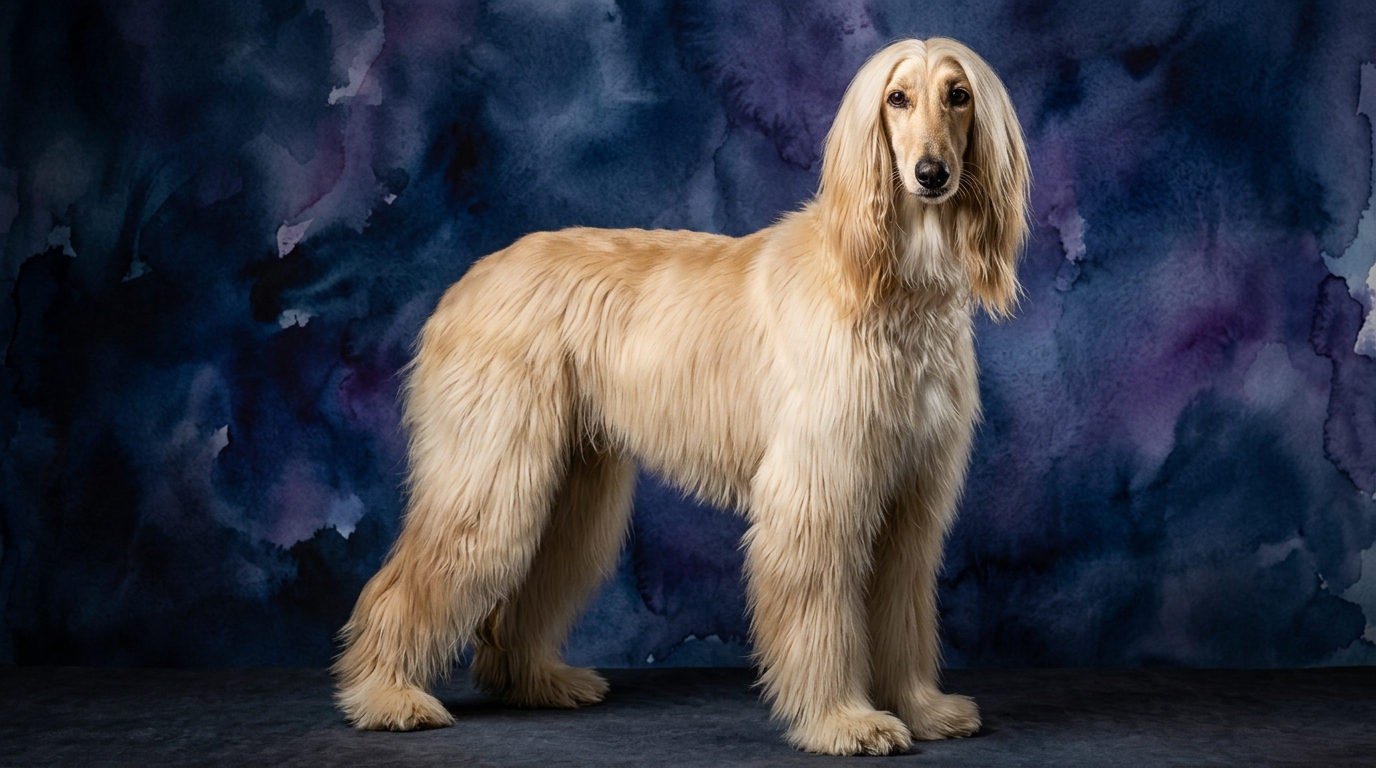
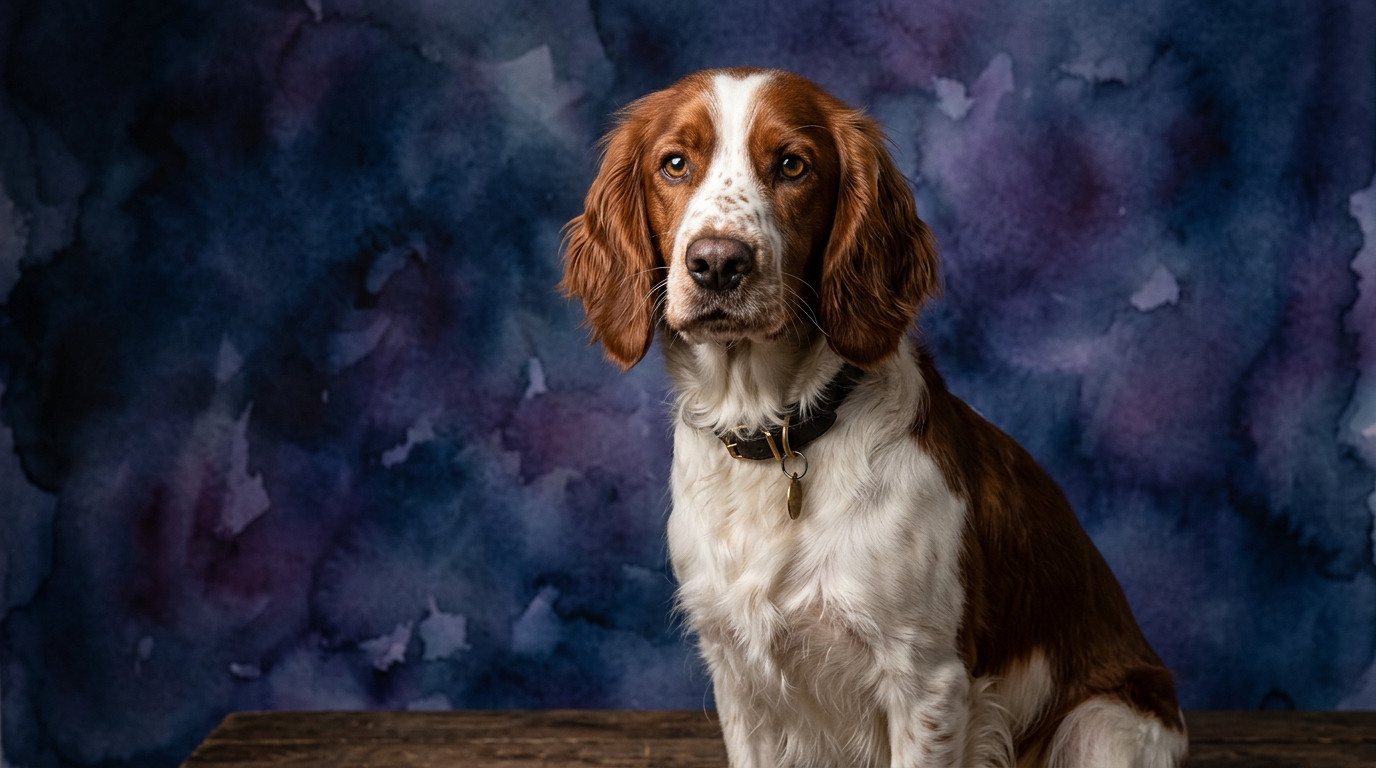
Side-by-Side IQ Profile: Afghan Hound vs. Welsh Springer Spaniel
The Cosmic Pet Pet IQ Lab provides a detailed breakdown of canine cognitive abilities, allowing us to compare these two distinct breeds. The Afghan Hound, with a Coren ranking of #79, displays a unique cognitive profile reflecting its ancient sighthound heritage. Its problem-solving ability is rated at 4/5, indicating a strong capacity for independent thought and navigating complex situations, often without direct human intervention. However, its training speed scores a modest 1/5, suggesting a predisposition towards independent action rather than eager compliance. Social intelligence for the Afghan Hound is 2/5, meaning they are generally reserved and may not always seek human interaction for guidance or approval. Their instinctive drive is a formidable 5/5, highlighting an intense, innate urge to chase and hunt, a core part of their being. Memory is rated at 3/5, indicating an average ability to retain learned information or past experiences.
In contrast, the Welsh Springer Spaniel, ranking significantly higher at #31 on Coren's scale, presents a more collaborative cognitive blueprint. Its problem-solving ability also stands at 4/5, demonstrating a similar capacity for navigating challenges, though often with an inclination to work alongside humans. Where it truly diverges is in training speed, scoring a robust 4/5, reflecting a keenness to learn and respond to cues. Social intelligence is 3/5, suggesting a more outwardly friendly and cooperative disposition, valuing interaction and seeking to understand human intentions. Its instinctive drive is 3/5, present but typically more manageable and channeled towards retrieving or flushing rather than an all-out chase. The Welsh Springer Spaniel's memory is a strong 4/5, enabling them to recall commands and routines effectively over time.
Where the Afghan Hound Excels Cognitively
The Afghan Hound's cognitive strengths lie profoundly in its independent problem-solving and unparalleled instinctive drive. With a 4/5 problem-solving score and a 5/5 instinctive drive, this breed is a master of autonomous decision-making in dynamic environments. Imagine a situation where an Afghan Hound spots a distant 'prey' object – its mind quickly calculates the optimal pursuit path, taking into account terrain, obstacles, and distance, all without needing a human to issue commands. This isn't stubbornness; it's a finely tuned, ancient intelligence designed for self-reliance in the hunt.
Their lower social intelligence (2/5) and training speed (1/5) are not deficits but rather indicators of an intelligence less focused on human-centric cooperation and more on self-directed action. An Afghan Hound's mind is less concerned with pleasing its handler and more with processing its environment for opportunities to engage its powerful prey drive. This cognitive makeup allows them to excel in situations requiring independent initiative and resilience, making them formidable in activities that tap into their natural instincts, such as lure coursing, where they make split-second decisions based on visual cues and pure athleticism.
Where the Welsh Springer Spaniel Excels Cognitively
The Welsh Springer Spaniel shines in areas emphasizing cooperative intelligence, trainability, and memory. Its 4/5 training speed and 3/5 social intelligence mean this breed's mind is wired for partnership. They exhibit a noticeable eagerness to engage with human instruction, actively seeking to understand and perform tasks requested of them. This mental receptiveness makes them quick studies, capable of rapidly acquiring and applying new commands or routines, far surpassing the Afghan Hound's pace.
Furthermore, the Welsh Springer's 4/5 memory score ensures that once a lesson is learned, it tends to stick. This robust recall capacity is invaluable for complex obedience work, agility, or field trials where a sequence of commands and previously learned behaviors are crucial. While their problem-solving is also a strong 4/5, it's often applied in a context of working alongside their human, figuring out how to achieve a shared goal rather than acting solely on individual impulse. This collaborative cognitive style makes them exceptionally adept at tasks requiring precise execution and sustained attention to their handler.
Which is Easier to Train, and Why?
Without a doubt, the Welsh Springer Spaniel is significantly easier to train than the Afghan Hound, a distinction rooted deeply in their differing cognitive priorities. The Welsh Springer's training speed of 4/5, coupled with its 3/5 social intelligence, creates a dog that is inherently more receptive to human guidance. They derive satisfaction from working with their owner, processing commands quickly and remembering them effectively due to their 4/5 memory. A Welsh Springer's mind is actively seeking to connect with its handler, making positive reinforcement highly effective as they value the social reward of pleasing their person.
Conversely, the Afghan Hound's training speed of 1/5 and social intelligence of 2/5 paint a picture of a dog less motivated by human approval and more by its own internal drives. Their independence means they often perceive commands as suggestions rather than directives, requiring immense patience, consistency, and a deep understanding of sighthound psychology. Training an Afghan Hound often involves finding ways to make the desired behavior intrinsically rewarding or linking it directly to their strong instinctive drives, rather than relying on their eagerness to please. They are not 'unintelligent,' but their intelligence is applied differently; convincing them that your agenda aligns with theirs is the key, which can be a slow, deliberate process for many owners.
Suits Active Owners vs. Relaxed Owners
Both the Afghan Hound and the Welsh Springer Spaniel demand active ownership, but the nature of that activity differs significantly. The Afghan Hound, with its intense 5/5 instinctive drive, requires ample opportunities for vigorous, free-running exercise in secure areas. Their cognitive makeup thrives on bursts of speed and the thrill of the chase. Owners who appreciate a dog that can enjoy independent exploration during long walks or lure coursing, and are prepared for a dog that might not always be 'on command,' will find a compatible partner. A relaxed owner who cannot provide outlets for this profound physical and mental energy will likely face challenges, as an unfulfilled Afghan Hound can become restless or find its own (potentially destructive) ways to engage its keen mind.
The Welsh Springer Spaniel, while equally active, channels its energy and intelligence into more cooperative ventures. Its 3/5 instinctive drive is often expressed through retrieving, flushing, and sustained activity like hiking or dog sports. Owners who enjoy training, participating in agility, obedience, or field work, and desire a dog that is an enthusiastic partner in these activities, will find the Welsh Springer an ideal match. Their higher social intelligence (3/5) and training speed (4/5) mean they enjoy structured engagement and mental stimulation alongside physical exertion. A relaxed owner might struggle to meet their needs for both physical activity and interactive mental engagement, which are crucial for a well-adjusted Welsh Springer Spaniel.
The Verdict: When to Choose Each Breed
The Verdict
Choose the Afghan Hound if you appreciate a noble, independent companion with a deep, self-reliant intelligence and can provide ample secure space for vigorous, instinct-driven exercise. Be prepared for a training journey built on patience and understanding their unique sighthound nature.
Opt for the Welsh Springer Spaniel if you seek an enthusiastic, cooperative partner eager to engage in training and activities, valuing a dog that learns quickly and thrives on shared adventures. They are ideal for active owners desiring a biddable and mentally responsive companion.
🧠 Find Your Pet's IQ Score
Our Pet IQ Lab assessment covers 25+ tests across 5 cognitive dimensions — personalized to your breed.
Take the Full IQ Test →Frequently Asked Questions
Is the Afghan Hound genuinely difficult to train?
The Afghan Hound isn't difficult because of a lack of intelligence, but due to its independent nature and lower desire to please. Training requires immense patience, consistency, and finding methods that appeal to their strong drives, rather than relying on eager compliance.
Does the Welsh Springer Spaniel require a lot of mental stimulation?
Yes, the Welsh Springer Spaniel thrives on mental engagement due to its cooperative intelligence and strong memory. They benefit greatly from activities like obedience training, puzzle toys, and dog sports that challenge their minds alongside physical exercise.
Which breed is better for a first-time dog owner?
The Welsh Springer Spaniel is generally a better choice for first-time owners due to its higher training speed, social intelligence, and cooperative nature, making basic obedience and integration into family life more straightforward. The Afghan Hound's independence and training challenges are better suited for experienced owners.