Side-by-Side Cognitive Profiles: Afghan Hound vs. West Highland White Terrier
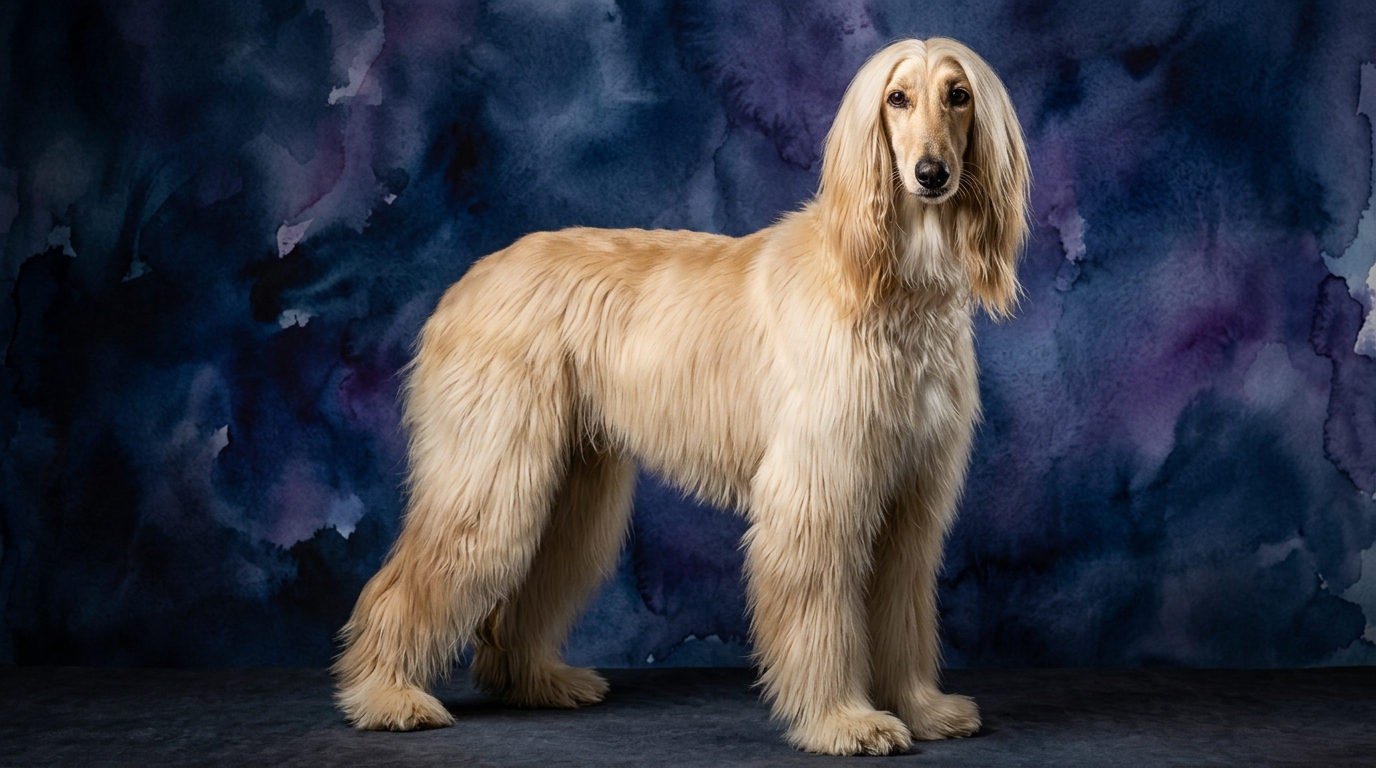
The Cosmic Pet Pet IQ Lab employs a multi-dimensional framework to assess canine intelligence, moving beyond simple obedience to capture a more holistic view of a breed's cognitive strengths. For the Afghan Hound, a breed steeped in ancient hunting traditions, we observe a Coren rank of #79, indicating a more independent approach to learning compared to many companion breeds. Their Problem Solving score stands at 4/5, reflecting an exceptional capacity for independent, strategic thinking, often applied to complex tasks like navigating challenging terrain or outsmarting prey. However, their Training Speed is a low 1/5, primarily due to their independent nature and a reduced inclination to perform repetitive tasks or seek constant human validation. Social Intelligence at 2/5 suggests a reserved demeanor, often preferring their own company or that of a select few, rather than seeking broad social interaction. Instinctive Drive is a towering 5/5, characteristic of their sighthound heritage, meaning an intense, innate urge to chase and pursue fast-moving objects. Their Memory is rated 3/5, sufficient for recalling familiar routes and basic routines but perhaps less geared towards intricate command sequences.
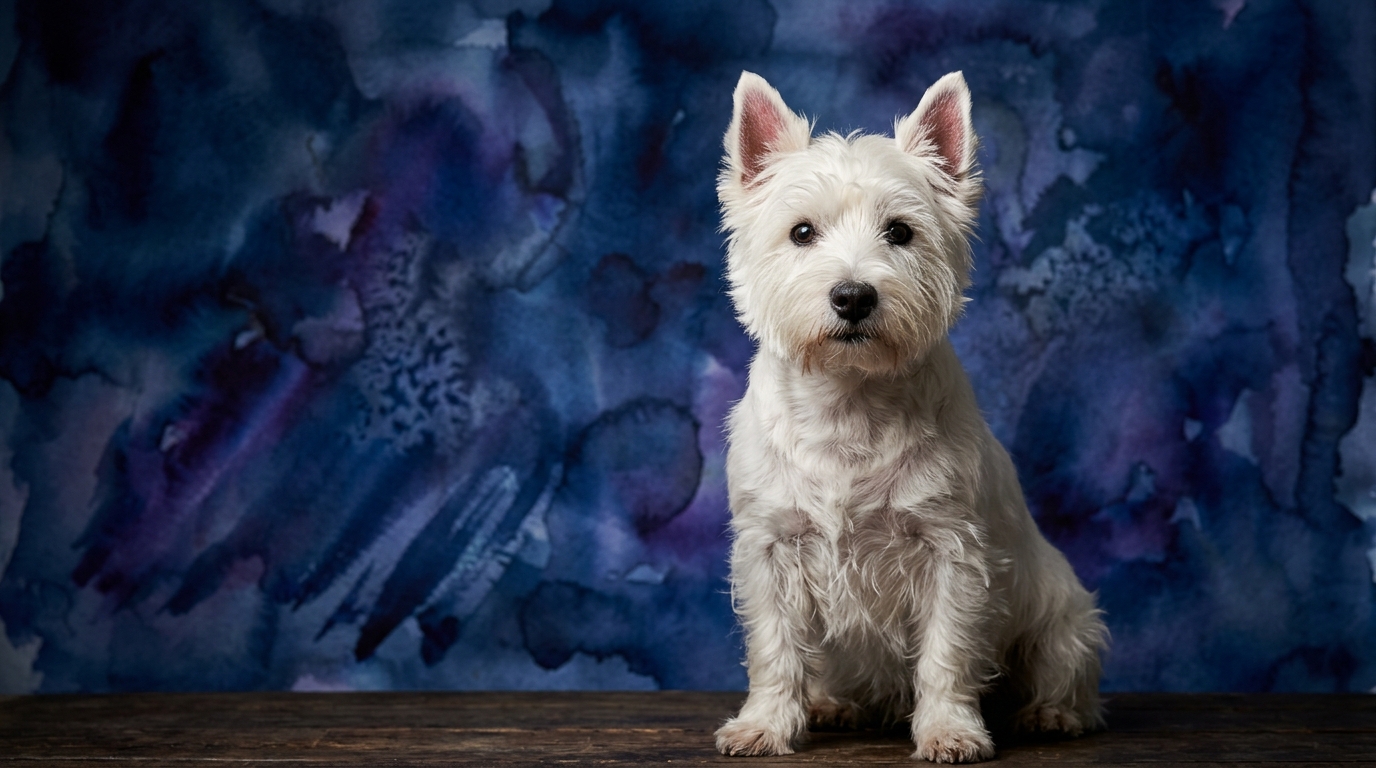
In stark contrast, the West Highland White Terrier, with a Coren rank of #47, demonstrates a different set of cognitive priorities, shaped by generations of working as a vermin hunter. Their Problem Solving capability is a solid 3/5, showcasing resourcefulness and determination in overcoming obstacles, such as digging out prey or navigating confined spaces. Their Training Speed is 3/5, indicating a moderate willingness to learn and respond to commands, though their terrier tenacity can sometimes lead to stubbornness. Social Intelligence scores 3/5, suggesting they are generally affable and capable of forming strong bonds, but also possess a self-reliant streak. Instinctive Drive, at 3/5, is focused on their terrier purpose—digging, exploring, and engaging with smaller creatures—but it's a more contained drive compared to the Afghan's expansive pursuit. A notable strength is their Memory, rated at 4/5, which allows them to retain a wide range of commands, routines, and experiences, making them adept at structured learning.
Where the Afghan Hound Excels Cognitively
The Afghan Hound's cognitive strengths are most apparent in scenarios demanding independent thought and intense physical application, particularly when it comes to their core Problem Solving abilities (4/5). This breed truly shines when faced with a challenge that requires strategic, self-directed action rather than relying on human instruction. Imagine a vast, open field: an Afghan Hound doesn't wait for a command to navigate; it assesses the environment, identifies potential pathways, and makes sophisticated decisions about the most efficient route. Their high Instinctive Drive (5/5) is not merely about chasing; it's about the entire complex sequence of locating, tracking visually, and pursuing, demanding rapid, fluid cognitive processing to adapt to a moving target. This blend of problem-solving and powerful instinct makes them unparalleled in tasks requiring sustained, independent focus on a physical objective, far removed from typical obedience exercises. They are masters of their domain when given a task that aligns with their innate sighthound nature, demonstrating a profound, almost primal, form of intelligence in their specialized field.
Where the West Highland White Terrier Holds the Cognitive Edge
The West Highland White Terrier demonstrates its cognitive prowess in areas that demand adaptability, memory, and a more interactive approach to problem-solving. Their superior Memory (4/5) is a significant advantage, enabling them to quickly recall and apply learned behaviors and commands in various contexts. This means they are more likely to remember complex sequences of actions or specific rules established within the household, leading to more consistent responses over time. Coupled with their moderate Training Speed (3/5) and Social Intelligence (3/5), Westies are often more receptive to structured learning environments and enjoy engaging in activities that involve their human companions. Their problem-solving, while rated 3/5, is characterized by a tenacious resourcefulness, often manifesting as clever ways to achieve a desired outcome, such as figuring out how to access a hidden treat or navigate a puzzle toy. This makes them particularly adept at navigating the complexities of a human-centric home environment and excelling in activities that require consistent recall and engagement.
Ease of Training: A Tale of Two Temperaments
When it comes to ease of training, the West Highland White Terrier generally presents a more straightforward path for owners compared to the Afghan Hound. The Westie's Training Speed of 3/5 and Memory of 4/5 combine to create a more responsive learner. They typically enjoy the mental stimulation of training sessions and possess a greater capacity for retaining new commands and routines. Their Social Intelligence (3/5) also plays a role, as they are often keen to interact and please their human companions, which serves as a powerful motivator in training. Their problem-solving, while not as grand in scale as the Afghan's, is applied with a determined focus that can be channeled effectively in training. In contrast, the Afghan Hound's Training Speed of 1/5 is a direct reflection of their profound independence and lack of inherent desire to perform for human approval. Their 2/5 Social Intelligence means they are less motivated by the interactive aspect of training. While they are capable of understanding commands, their independent nature means they often perceive obedience as optional, choosing to comply only if they deem it worthwhile. Training an Afghan Hound requires immense patience, creativity, and a deep understanding of their sighthound instincts, often focusing on motivation through their prey drive rather than traditional reward-based obedience.
Matching Breeds to Lifestyles: Active vs. Relaxed Owners
The distinct cognitive profiles of these two breeds naturally align with different owner lifestyles. Owners seeking a truly active companion, whose life revolves around sustained physical activity and an appreciation for a dog's independent spirit, will find a suitable match in the Afghan Hound. Their immense Instinctive Drive (5/5) and need for vigorous exercise, ideally in a secure, expansive area where they can stretch their legs and satisfy their prey drive, mean they thrive with owners who can provide consistent, high-energy outlets. These owners must also appreciate their aloof Social Intelligence (2/5) and be prepared for a dog that is not always seeking constant interaction but is content with its own company after exercise. Conversely, the West Highland White Terrier is better suited for moderately active owners who enjoy engaging in regular, varied activities that blend physical exercise with mental stimulation. Their more balanced Instinctive Drive (3/5) can be satisfied with daily walks and playtime, while their stronger Memory (4/5) and moderate Social Intelligence (3/5) make them excellent candidates for obedience classes, dog sports, or interactive puzzle games. They integrate well into family life and typically seek more consistent interaction and engagement with their human companions, making them a good fit for those who desire a more interactive and biddable pet without the demands of an extreme athlete.
The Verdict
Choose the Afghan Hound if you appreciate profound independence, possess the capacity for extensive, high-speed exercise, and are prepared for a dog that thinks for itself rather than always seeking direction. They are ideal for owners who admire a regal, self-reliant companion with a powerful, innate drive.
Opt for the West Highland White Terrier if you desire a spirited, tenacious companion that is more amenable to training, enjoys interactive learning, and integrates readily into family life. They suit owners who appreciate a clever, resourceful dog with a good memory and a moderate need for activity.
🧠 Find Your Pet's IQ Score
Our Pet IQ Lab assessment covers 25+ tests across 5 cognitive dimensions — personalized to your breed.
Take the Full IQ Test →Frequently Asked Questions
Is the Afghan Hound difficult to train due to its low training speed?
The Afghan Hound's low training speed (1/5) means they are less inclined to obey traditional commands readily and require significant patience and creativity. Their independent nature often leads them to question the necessity of a command, rather than immediately complying, making consistent, positive reinforcement crucial.
Do West Highland White Terriers have a strong prey drive?
West Highland White Terriers have a moderate instinctive drive (3/5), which includes a natural terrier inclination for hunting small vermin. While not as expansive as a sighthound's drive, it means they might chase squirrels or show interest in digging, requiring secure environments and consistent training.
Which breed is better for first-time dog owners?
For first-time dog owners, the West Highland White Terrier is generally a more manageable choice due to their higher training speed, better memory, and more interactive social intelligence. The Afghan Hound's profound independence and specific exercise needs often require an owner with prior experience and a deep understanding of sighthound behavior.