
Side-by-Side IQ Profile: Airedale Terrier vs. Japanese Chin
The Cosmic Pet Pet IQ Lab evaluates canine intelligence across five key dimensions, providing a nuanced understanding of each breed's cognitive strengths. For the Airedale Terrier, ranked #29 by Coren, its profile reflects its history as a versatile working dog.
**Airedale Terrier (Coren Rank #29)**: This breed scores **4/5 in Problem Solving**, demonstrating a robust capacity for independent thought and figuring out complex situations, a trait honed by its history as a versatile hunter and companion. They aren't easily deterred by obstacles and will often devise their own solutions. With a **4/5 in Training Speed**, Airedales typically grasp new commands and routines with impressive quickness, often needing fewer repetitions than many other breeds. Their eagerness to engage and attentive nature contribute to this rapid learning curve. Their **Social Intelligence is 3/5**, meaning they exhibit a moderate level of social awareness, capable of forming strong bonds with their family and understanding social cues within their established pack. While not overly eager to please strangers, they are generally perceptive of human emotions. Their **Instinctive Drive is 3/5**, possessing a noticeable, yet manageable, prey drive and a strong work ethic. This drive fuels their desire for engagement and can be a powerful motivator in training. Finally, a **4/5 in Memory** indicates a solid ability to retain learned behaviors, commands, and experiences over long periods, contributing to their reliability in tasks and ability to build upon previous training.
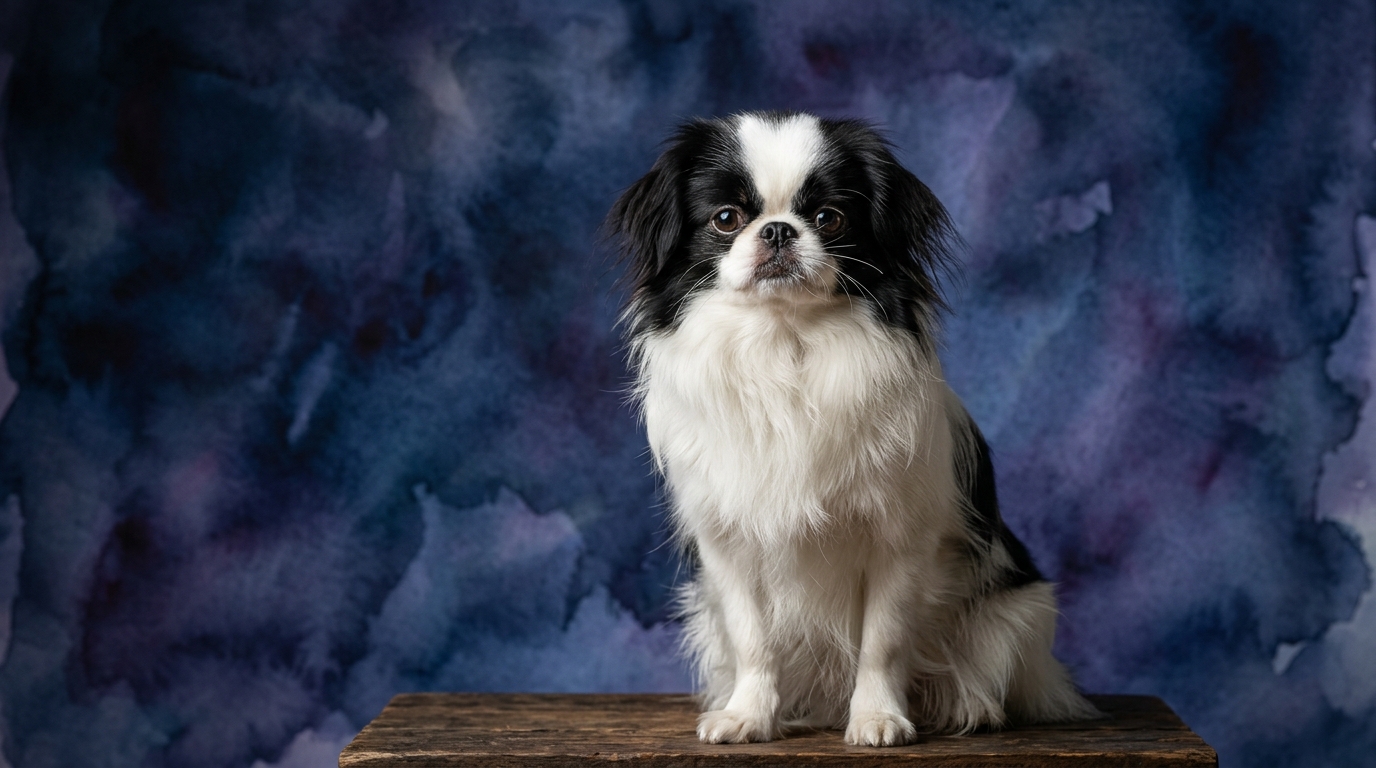
The Japanese Chin, a toy breed not Coren-ranked, presents a different cognitive landscape, tailored more for companionship and indoor living.
**Japanese Chin (Not Coren-ranked)**: This breed scores **3/5 in Problem Solving**, showing a moderate ability to navigate challenges, often preferring to observe and adapt rather than actively manipulate its environment. Their problem-solving might lean more towards finding comfortable spots or subtle ways to get attention. Their **Training Speed is 3/5**, meaning they typically learn at a steady pace, requiring consistent and patient repetition. While capable of learning a wide range of commands, their independent and sometimes whimsical nature means they might not always be in a hurry to comply. Their **Social Intelligence is 3/5**, identical to the Airedale's, indicating they are acutely aware of their human companions' moods and often form deep, sensitive attachments. They excel at subtle communication and are highly attuned to the emotional atmosphere of their home. Their **Instinctive Drive is also 3/5**, though its manifestation is vastly different. Rather than a strong prey drive, their instincts often revolve around companionship, comfort, and a gentle curiosity about their immediate surroundings. Lastly, a **3/5 in Memory** means the Chin possesses a reliable memory, capable of recalling routines, people, and specific experiences, sufficient for their role as a devoted companion.
Where the Airedale Terrier Wins Cognitively
The Airedale Terrier's cognitive strengths distinctly shine in areas requiring active engagement and mental resilience. With a Problem Solving score of 4/5, they demonstrate a superior capacity for independent thought and overcoming obstacles, a trait vital for their historical roles in hunting and guarding. An Airedale might meticulously work out how to open a child-proof gate or devise a strategy to retrieve a toy stuck under furniture, showcasing a persistent, methodical approach to challenges. This cognitive tenacity means they are less likely to give up when faced with a puzzle.
Their Training Speed of 4/5 further highlights this advantage; they typically grasp new concepts and commands with remarkable alacrity, often needing fewer repetitions than many other breeds. This rapid assimilation of information means an Airedale can progress through complex training regimes more efficiently, making them suitable for advanced obedience, agility, or even trick training. Moreover, their Memory score of 4/5 ensures that these learned skills and solutions are retained effectively over time, building a robust behavioral repertoire. This allows them to consistently apply past lessons to new situations, demonstrating a practical, cumulative learning style that makes them highly adaptable to varied tasks.
Where the Japanese Chin Wins Cognitively
While the Japanese Chin's individual scores might not surpass the Airedale's in raw "performance" metrics, its cognitive profile represents a distinct winning combination for specific lifestyles and companionship needs. Its shared Social Intelligence score of 3/5, identical to the Airedale's, is particularly noteworthy given its different breed purpose. For the Chin, this manifests as an exceptional ability to discern and respond to subtle human emotional states, often acting as a sensitive, intuitive companion. They excel at providing comfort and forming profound, empathetic bonds, a cognitive "win" for owners seeking deep emotional connection rather than task-oriented partnership.
Furthermore, the Chin's Instinctive Drive, also rated 3/5, is channeled differently; it's less about external prey drive and more about internal comfort, social engagement, and a gentle curiosity. This lower external drive means they are less prone to chasing or independent exploration, making them inherently more content in a home environment. Their Problem Solving at 3/5, while lower than the Airedale's, is perfectly suited for navigating domestic life, finding the sunniest spot, or subtly communicating desires without overt demands. The absence of an overwhelming drive for "work" allows their cognitive resources to be dedicated to observation, nuanced interaction, and adapting seamlessly to their owner's rhythm, making them masters of companion-centric cognition.
Training Ease: Airedale Terrier vs. Japanese Chin
Based on their respective IQ profiles, the Airedale Terrier generally presents as the easier breed to train, primarily due to its 4/5 Training Speed compared to the Japanese Chin's 3/5. Airedales exhibit a keen desire to engage with their trainers and a quicker grasp of new commands. Their robust problem-solving skills also mean they are more inclined to figure out what's expected of them and enjoy the mental stimulation of learning. They often thrive on structured tasks and consistent routines, absorbing information rapidly and retaining it effectively thanks to their strong memory.
In contrast, the Japanese Chin, while capable of learning, may require more patience and a different approach. Their independent streak and sometimes whimsical nature mean they might not always be as driven to comply immediately, viewing training more as an optional activity than a pressing task. While they possess a reliable memory, their learning process might involve more gentle repetition and positive reinforcement, focusing on making training a fun, low-pressure interaction rather than a rigorous session. Behavioral differences include the Airedale's inherent drive to "work" alongside its human, making it more receptive to formal instruction, whereas the Chin's focus is more on companionship and comfort, often preferring gentle interaction over structured commands.
Suitability for Active vs. Relaxed Owners
The Airedale Terrier is undoubtedly better suited for active owners who can provide consistent mental and physical stimulation. Their 4/5 Problem Solving and 3/5 Instinctive Drive mean they thrive when given tasks, challenges, and ample opportunities to explore and engage with their environment. Owners who enjoy hiking, long walks, agility training, or even canine sports will find the Airedale a willing and capable partner. Their cognitive profile demands an outlet for their intellect and energy; without sufficient engagement, they can become bored and potentially channel their problem-solving skills into less desirable behaviors.
Conversely, the Japanese Chin is an ideal match for more relaxed owners seeking a devoted, gentle companion. While they benefit from regular, moderate exercise, their 3/5 Instinctive Drive is less about vigorous activity and more about comfortable companionship. Their keen social intelligence makes them excellent indoor companions, content to observe and interact subtly within the home. Owners who prefer quiet evenings, gentle strolls, and appreciate a dog that is highly attuned to their emotional state will find the Chin's cognitive makeup perfectly aligned with a more tranquil lifestyle.
The Verdict
Opt for the Airedale Terrier if you are an active, engaged owner seeking a mentally sharp, trainable partner for complex activities, problem-solving challenges, and a robust, involved lifestyle.
Select the Japanese Chin if you desire a sensitive, devoted companion for a quieter, more relaxed home environment, valuing subtle social interaction and a gentle presence over intense training or high-energy demands.
🧠 Find Your Pet's IQ Score
Our Pet IQ Lab assessment covers 25+ tests across 5 cognitive dimensions — personalized to your breed.
Take the Full IQ Test →Frequently Asked Questions
Can a Japanese Chin learn complex tricks despite a lower training speed?
Yes, a Japanese Chin can certainly learn complex tricks, though it might require more patience and positive reinforcement than with a faster-learning breed. Their social intelligence means they respond well to engaging, fun-based training that strengthens their bond with their owner.
How does the Airedale's problem-solving manifest in daily life?
An Airedale's 4/5 problem-solving often appears as independent thinking; they might figure out how to open doors, unlatch gates, or devise strategies to obtain desired items. This makes them engaging but also requires owners to provide stimulating challenges to prevent boredom.
Is the Airedale's 3/5 instinctive drive difficult to manage?
While a 3/5 instinctive drive is present, it's generally manageable when channeled appropriately. For Airedales, this often means providing outlets for their natural desires, such as structured play, scent work, or consistent leash training to manage their prey drive, rather than allowing it to become a nuisance.