Side-by-Side Cognitive Profile: Airedale Terrier vs. Keeshond
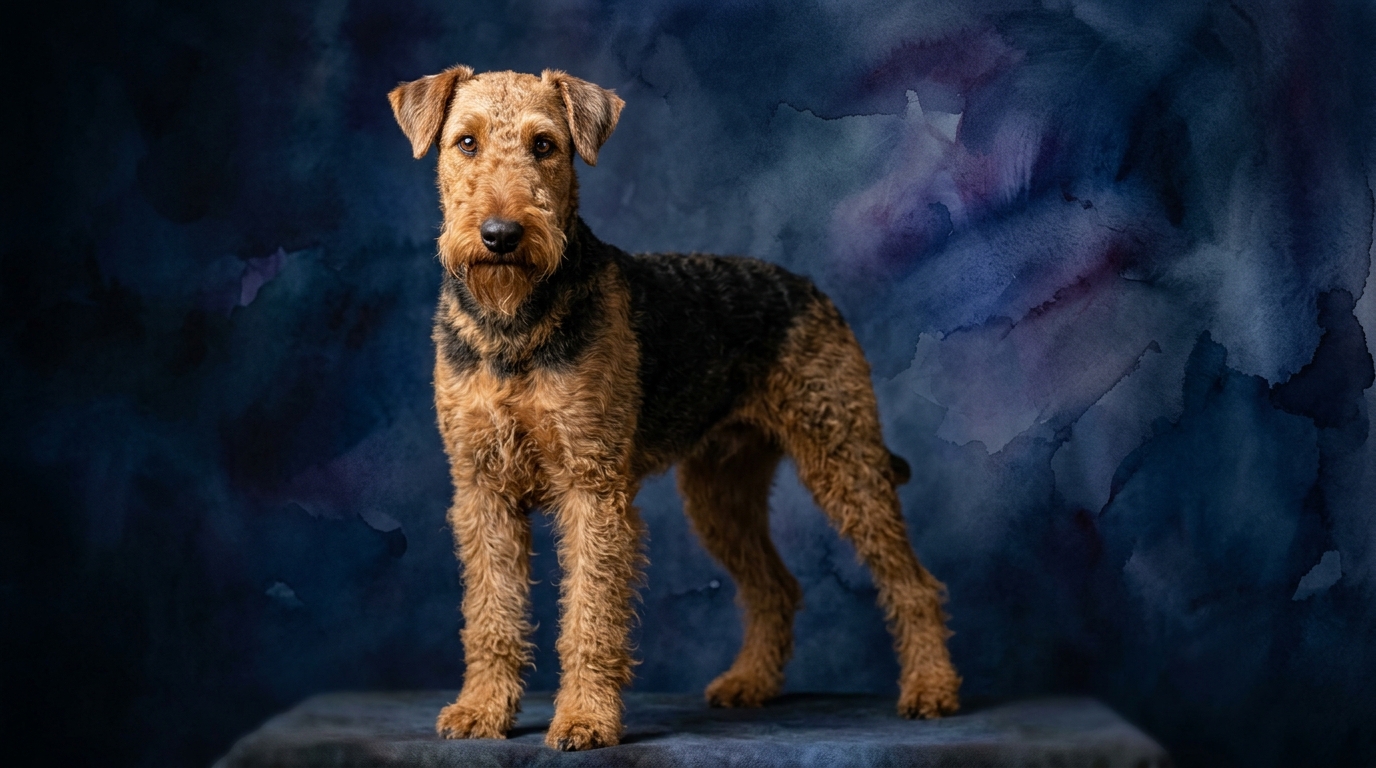
The Airedale Terrier, a robust member of the Terrier group, holds a Coren rank of #29, indicating a solid foundation in obedience and working intelligence. Their cognitive profile shows a Problem Solving score of 4/5, reflecting a capable mind adept at navigating challenges and figuring out solutions, often with a characteristic terrier tenacity. Their Training Speed is also 4/5, meaning they grasp new commands and routines with commendable pace, though their independent streak can sometimes require consistent engagement. Social Intelligence stands at 3/5, suggesting they understand human cues and family dynamics but may not always prioritize pleasing over their own inclinations. An Instinctive Drive of 3/5 points to a moderate inherent desire for tasks like scent work or chasing, typical of their working heritage. Finally, their Memory is rated 4/5, indicating a strong ability to retain lessons, experiences, and associations over time.
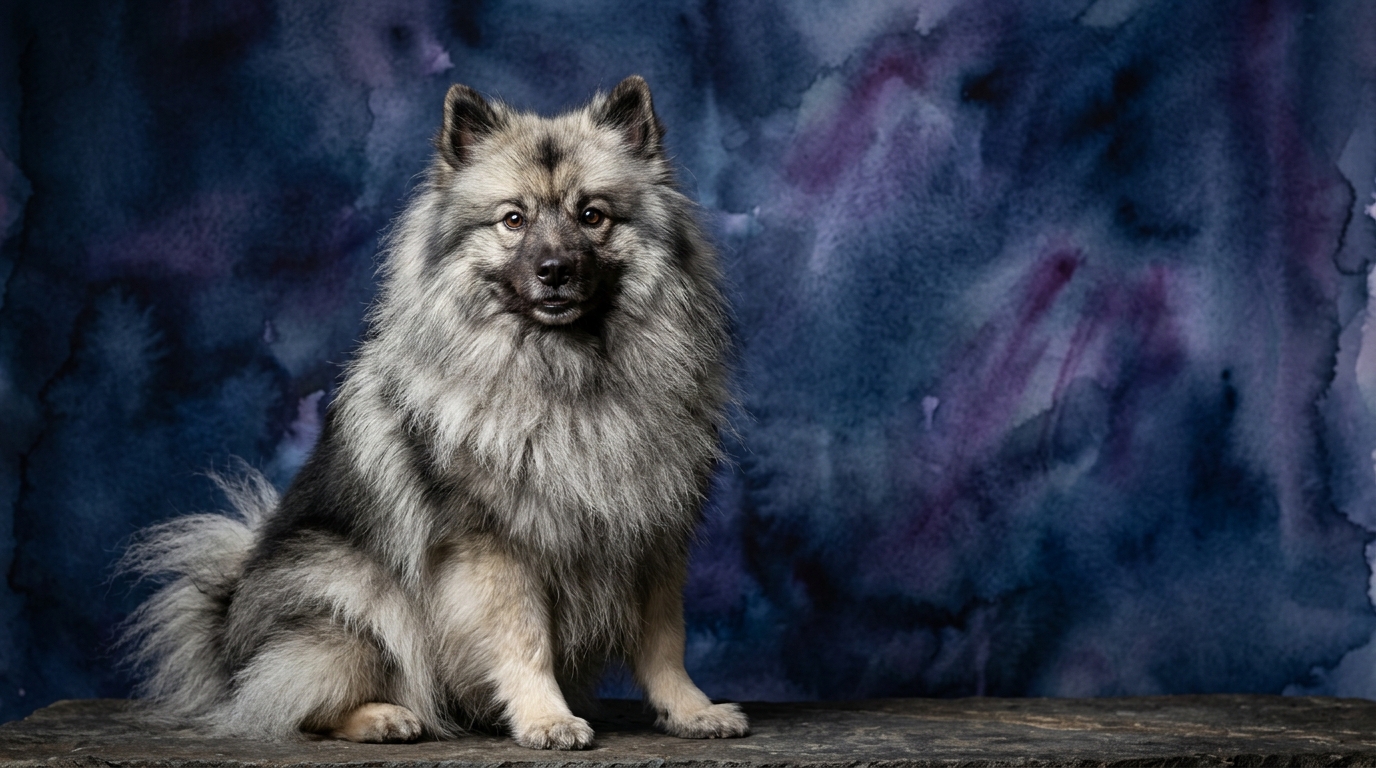
In contrast, the Keeshond, a captivating Non-Sporting breed, boasts a higher Coren rank of #16, placing them among breeds that demonstrate a quicker understanding of new commands. Their cognitive breakdown reveals a Problem Solving score of 4/5, mirroring the Airedale's capacity for analytical thought and enjoyment of mental games. Training Speed is also 4/5, signifying that they pick up new tasks with similar alacrity, often driven by a desire for companionship and engagement. Social Intelligence is 3/5, indicating an awareness of their human family's emotions and routines, though they can be reserved with strangers. Their Instinctive Drive is 3/5, often manifesting as a keen watchfulness and a desire to be involved, rather than a strong prey drive. The most distinguishing feature of the Keeshond's profile is their exceptional Memory, scoring a perfect 5/5, suggesting an almost unparalleled ability to recall learned behaviors, routines, and experiences with remarkable precision and longevity.
Where the Airedale Terrier Excels Cognitively
While both breeds share a 4/5 in Problem Solving, the Airedale Terrier’s strength lies in applying this capacity with a distinct terrier-bred persistence and self-reliance. An Airedale often excels in scenarios demanding a dog to work through an obstacle independently, leveraging their innate drive to 'get the job done' even when human guidance isn't immediate. This cognitive edge allows them to thrive in complex scent work or agility courses where quick, independent decisions are paramount. Their 4/5 Memory, combined with this tenacious problem-solving approach, means they can remember sequences of actions or strategies for overcoming physical challenges, learning from past attempts to refine their approach in future encounters. This translates into a dog that not only figures things out but also remembers how to do it efficiently the next time, particularly in tasks that align with their working instincts.
Where the Keeshond Excels Cognitively
The Keeshond's clear cognitive advantage is its unparalleled 5/5 Memory. This superior recall means that once a Keeshond learns a command, a routine, or even an emotional association, it is deeply ingrained and reliably accessible. This exceptional memory underpins their higher Coren rank, making them incredibly consistent in retaining obedience lessons and household rules over their lifetime, often requiring fewer refreshers than many other breeds. Furthermore, their 4/5 Problem Solving, when combined with this formidable memory, allows them to quickly learn and remember the intricacies of puzzles or complex trick sequences, often anticipating next steps due to their retention of patterns. This makes them superb at tasks that rely on consistency and precision in recall, from advanced obedience to remembering the precise location of hidden objects.
Which is Easier to Train and Why?
Both the Airedale Terrier and the Keeshond share a Training Speed score of 4/5, indicating they both grasp new commands with commendable speed. However, the Keeshond’s perfect 5/5 Memory gives it a significant advantage in the overall ease and retention of training. Once a Keeshond learns a behavior, it tends to stick, meaning fewer repetitions are needed over time to maintain consistency. Their memory allows them to build a deep repertoire of commands and understand complex routines, making them highly reliable companions who remember what is expected of them, often with a keen desire to please their family.
The Airedale, while quick to learn, may require more consistent reinforcement to ensure behaviors are deeply ingrained, particularly because their independence, characteristic of terriers, might lead them to test boundaries if not consistently engaged. While they remember, their independent spirit means an owner must consistently demonstrate the value of cooperation. The Keeshond's strong memory, coupled with its social intelligence, often translates into a dog that not only remembers what to do but also remembers the positive reinforcement associated with it, fostering a more eager and consistent training partner.
Which Suits Active Owners vs. Relaxed Owners?
The Airedale Terrier, with its 3/5 Instinctive Drive and 4/5 Problem Solving, generally suits more active owners. This breed thrives on purposeful activity that engages both their physical prowess and their sharp minds. Owners who enjoy long hikes, agility training, advanced obedience, or even scent work will find a fulfilling partner in an Airedale. Their independent nature means they need consistent mental stimulation and varied physical outlets to prevent boredom and channel their energy productively. They are best suited for individuals or families prepared to integrate their dog into an active lifestyle, providing ample opportunities for exploration and challenge.
The Keeshond, while certainly enjoying activity, can be a more adaptable companion, potentially suiting both active and somewhat more relaxed owners, provided their social and mental needs are met. Their exceptional memory and moderate instinctive drive mean they thrive on consistent routines, engaging games, and being an integral part of family life. While they enjoy walks and playtime, their contentment often stems from predictable interactions and mental stimulation through learning new tricks or remembering family habits, rather than demanding the intense, 'working' type of activity often sought by an Airedale. They are excellent for owners who appreciate a companionable dog that is content with consistent daily engagement, indoor games, and being a watchful presence in the home.
The Verdict: When to Choose Each Breed
The Verdict
Opt for an Airedale Terrier if you seek a bold, engaging companion who thrives on challenging physical activities and enjoys figuring out independent tasks. They suit owners prepared to channel their independent spirit and provide consistent, varied mental and physical engagement.
Select a Keeshond if you value a highly consistent companion with exceptional recall, who thrives on being an integral, observant part of family life and appreciates predictable routines. They are a wonderful match for owners who enjoy refining learned behaviors and fostering a deep, memorable bond.
🧠 Find Your Pet's IQ Score
Our Pet IQ Lab assessment covers 25+ tests across 5 cognitive dimensions — personalized to your breed.
Take the Full IQ Test →Frequently Asked Questions
Do Airedale Terriers or Keeshonds bark more?
Keeshonds are historically known for their vigilant nature, often using barking as a warning or to express excitement, earning them the nickname 'Dutch Barge Dog' for their watchdog duties. Airedale Terriers can also be vocal, particularly when bored or left alone, but Keeshonds generally have a stronger propensity for alert barking due to their historical role.
Which breed is better with children, Airedale or Keeshond?
Both breeds can be wonderful with children, provided they are properly socialized and raised together. Keeshonds often have a gentle and patient nature, making them excellent family dogs who form strong bonds with children. Airedale Terriers, while generally good-natured, possess more exuberant energy and their terrier independence may require more consistent supervision with very young children.
What kind of mental stimulation do Airedale Terriers and Keeshonds need?
Airedale Terriers thrive on varied mental stimulation, including puzzle toys, advanced obedience training, agility, and scent work, which tap into their problem-solving and instinctive drives. Keeshonds benefit from learning new tricks, consistent routine, interactive games that involve their excellent memory, and being involved in daily family activities, which satisfies their social intelligence and desire for companionship.