Side-by-Side Cognitive Profiles
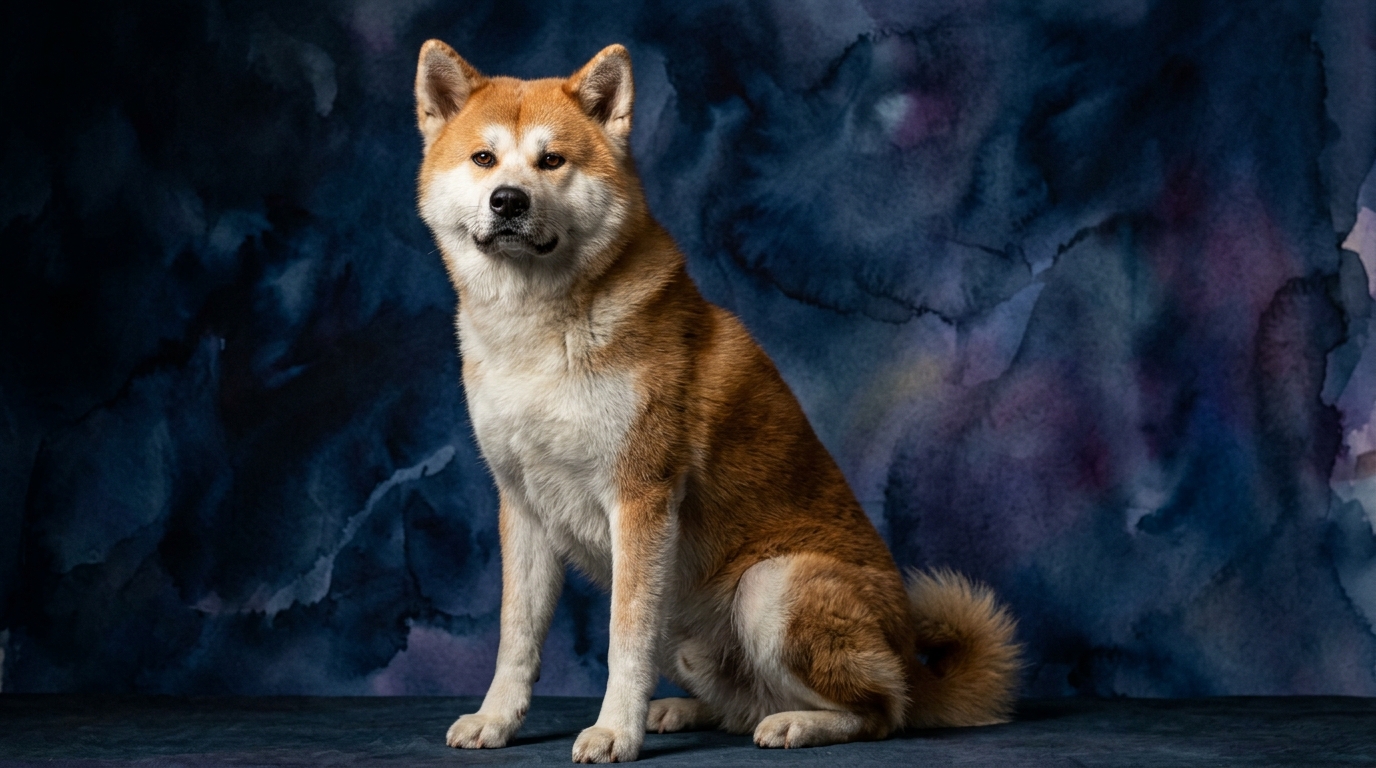
To understand the distinct mental makeup of these two breeds, we examine five core dimensions of intelligence. The Akita, a dog of the Working group, holds a Coren rank of 54, indicating a respectable capacity for understanding new commands. Its cognitive profile includes Problem Solving 3/5, Training Speed 2/5, Social Intelligence 3/5, Instinctive Drive 5/5, and Memory 4/5. These scores paint a picture of a dog with significant independent thought and powerful innate motivations.
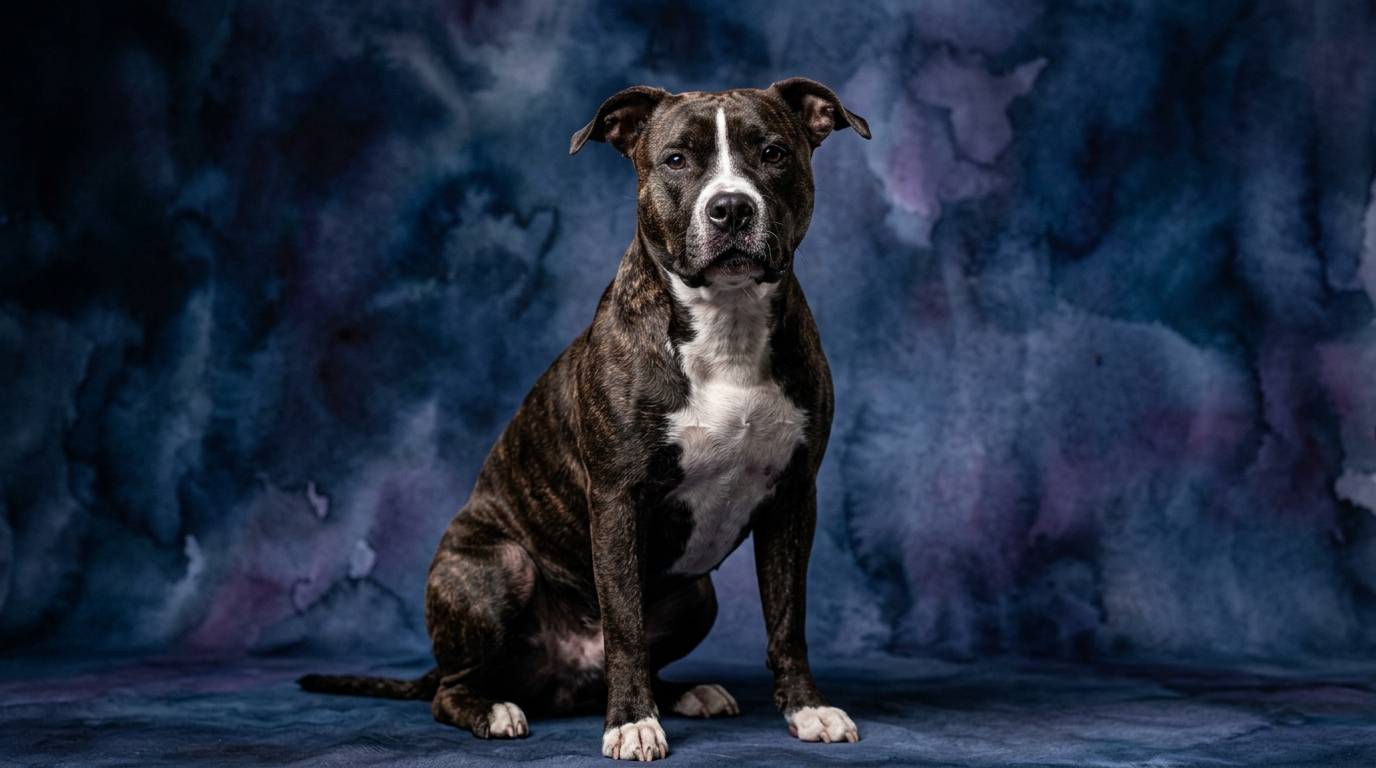
The American Staffordshire Terrier, from the Terrier group, boasts a slightly higher Coren rank of 48, suggesting a quicker grasp of new instructions. Its intelligence breakdown shows Problem Solving 3/5, Training Speed 3/5, Social Intelligence 3/5, Instinctive Drive 3/5, and Memory 4/5. This profile indicates a dog with balanced drives and a more moderate approach to learning and social interaction compared to the Akita.
Where the Akita Wins Cognitively
The Akita's most prominent cognitive advantage lies in its exceptional Instinctive Drive, scoring a perfect 5/5. This isn't merely about physical energy; it signifies a deep-seated, purpose-driven intelligence that allows the Akita to act with profound independence and resolve. For tasks requiring self-reliance, such as guarding or tracking, this powerful drive means an Akita can assess situations and make complex decisions without constant human direction, leveraging its innate protective instincts. Its 4/5 Memory score further enhances this, allowing it to retain experiences and learn from past encounters, contributing to its formidable, self-sufficient nature. This combination creates a dog that is not just reactive but proactively intelligent in protecting its perceived territory or family.
While its Problem Solving is rated 3/5, similar to the AmStaff, the Akita's high instinctive drive often directs its problem-solving abilities towards self-preservation or safeguarding, making it particularly adept at navigating complex environmental challenges independently. This isn't about solving abstract puzzles for human amusement, but about practical, survival-oriented intelligence.
Where the American Staffordshire Terrier Wins Cognitively
The American Staffordshire Terrier shines in its Training Speed, scoring 3/5 compared to the Akita's 2/5. This indicates a greater willingness and capacity to absorb new commands and behaviors efficiently, making it generally more responsive and adaptable in various training disciplines. This quicker learning curve means an AmStaff can progress through obedience, agility, or even trick training with less repetition and potentially greater enthusiasm, making it a more versatile student for many owners. Its Coren rank of 48 also suggests it understands new commands in fewer repetitions than the Akita.
Furthermore, the AmStaff's more balanced Instinctive Drive (3/5) combined with its 3/5 Social Intelligence gives it an edge in adaptability to diverse social environments. While capable of strong loyalty, its drives are typically more amenable to human guidance and less focused on independent decision-making than the Akita's. This cognitive balance allows it to integrate more smoothly into various family dynamics and public settings, as its natural inclinations are often more aligned with cooperative human interaction.
Which is Easier to Train and Why
When considering ease of training, the American Staffordshire Terrier generally presents a more straightforward experience. Its Training Speed of 3/5 means it grasps new commands with moderate ease, often eager to engage with its handler and respond to positive reinforcement. This responsiveness stems from a combination of its social intelligence and a less overwhelming instinctive drive, allowing its focus to remain more consistently on the trainer. AmStaffs typically enjoy the interactive process of learning and performing tasks for their human companions, making them amenable to a variety of training methods.
The Akita, with its Training Speed of 2/5, demands a more patient, consistent, and nuanced approach. Its powerful 5/5 Instinctive Drive means it possesses a strong sense of self and purpose, often questioning the 'why' behind a command rather than simply complying. Training an Akita requires establishing deep trust and mutual respect, as rote repetition alone will likely prove ineffective. Owners must understand that the Akita's independence means it may choose to obey only if it perceives value in the command or respects the authority of its trainer, making its behavioral differences significantly more pronounced in a training context.
Suitability for Active vs. Relaxed Owners
For active owners seeking a dynamic partner, the American Staffordshire Terrier often proves to be an excellent match. Its moderate Instinctive Drive (3/5) ensures it has ample energy for structured activities like hiking, running, or dog sports, but its eagerness to please and social intelligence (3/5) mean it thrives on shared experiences with its human. It can transition from high-energy play to relaxed companionship relatively easily once its exercise and mental stimulation needs are met. This breed generally enjoys being involved in family activities and is adaptable to various environments, provided it receives consistent engagement.
The Akita, while possessing a formidable 5/5 Instinctive Drive, might be a more complex fit for both active and relaxed owners. Its activity needs are significant, requiring regular, purposeful outlets for its strong instincts, but its independent nature means it might not constantly seek human interaction for its exercise. A truly relaxed owner might struggle with providing the consistent structure and mental engagement an Akita needs to prevent boredom and channel its powerful drives constructively. Conversely, an active owner must respect the Akita's occasional aloofness; it may enjoy a hike but isn't always seeking constant interactive play. Its strong drive often means it needs space and time for independent exploration or guarding duties, even within a family setting.
The Verdict
Choose an Akita if you are an experienced owner seeking a fiercely loyal, independent guardian who respects a clear hierarchy and can provide consistent, patient training tailored to a strong-willed personality.
Choose an American Staffordshire Terrier if you are looking for an energetic, adaptable companion eager to participate in family life and training, willing to channel its drive into various activities under human guidance.
🧠 Find Your Pet's IQ Score
Our Pet IQ Lab assessment covers 25+ tests across 5 cognitive dimensions — personalized to your breed.
Take the Full IQ Test →Frequently Asked Questions
Which breed is better for first-time dog owners?
The American Staffordshire Terrier is generally a more suitable choice for first-time dog owners due to its higher training speed and more balanced instinctive drive, making it more biddable and adaptable to learning. The Akita's independent nature and strong drive require more experience and a very consistent approach.
Do Akita or American Staffordshire Terriers get along with other pets?
The Akita, with its strong instinctive drive and tendency towards independence, often requires careful, early socialization and may prefer to be the only dog in a household. The American Staffordshire Terrier, while also requiring early socialization, generally exhibits a more moderate instinctive drive and social intelligence, making it potentially more adaptable to living with other pets if properly introduced and managed.
Which breed requires more mental stimulation?
Both breeds benefit from mental stimulation, but the Akita's 5/5 Instinctive Drive means it requires significant and often purpose-driven mental engagement to prevent boredom and channel its strong natural urges. The American Staffordshire Terrier, with its 3/5 Instinctive Drive, also needs mental challenges, but its stimulation can often be integrated more readily into interactive training and play sessions with its owner.