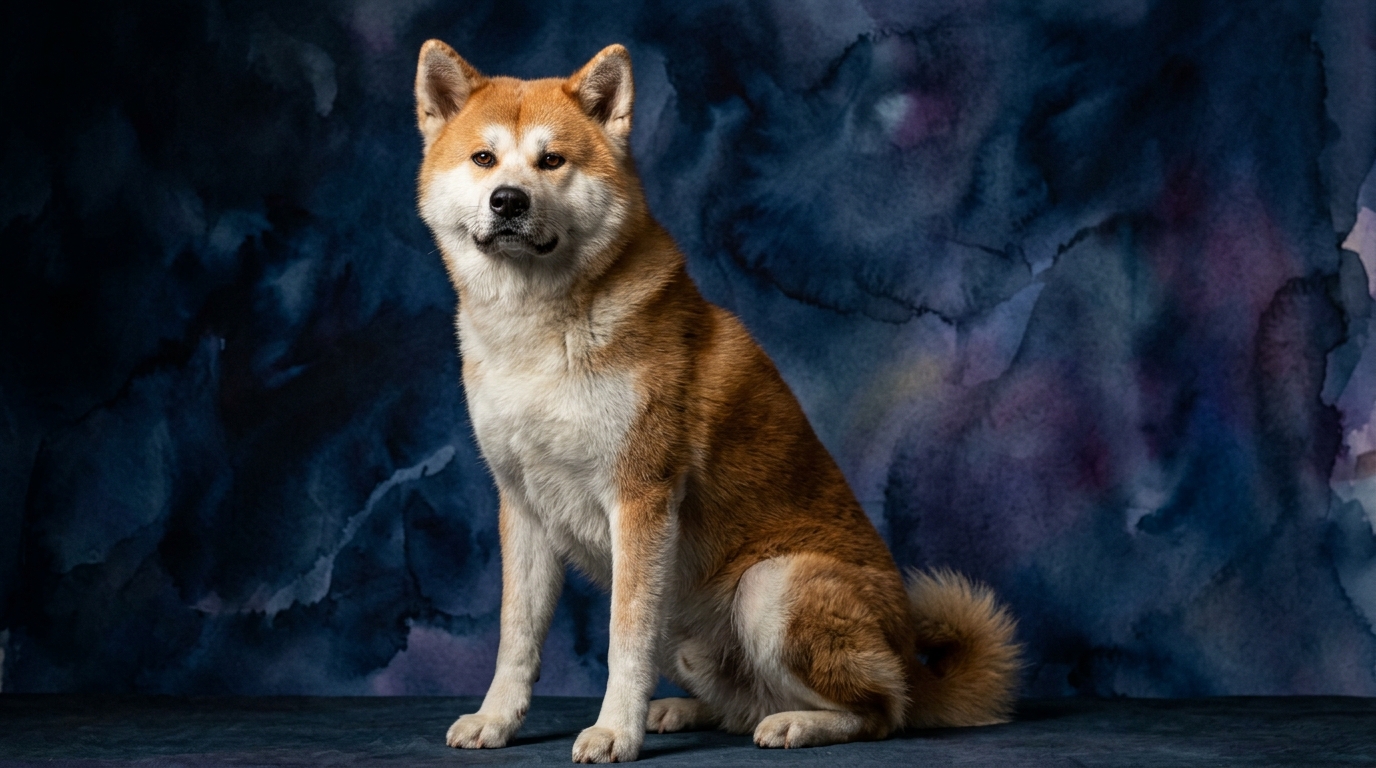
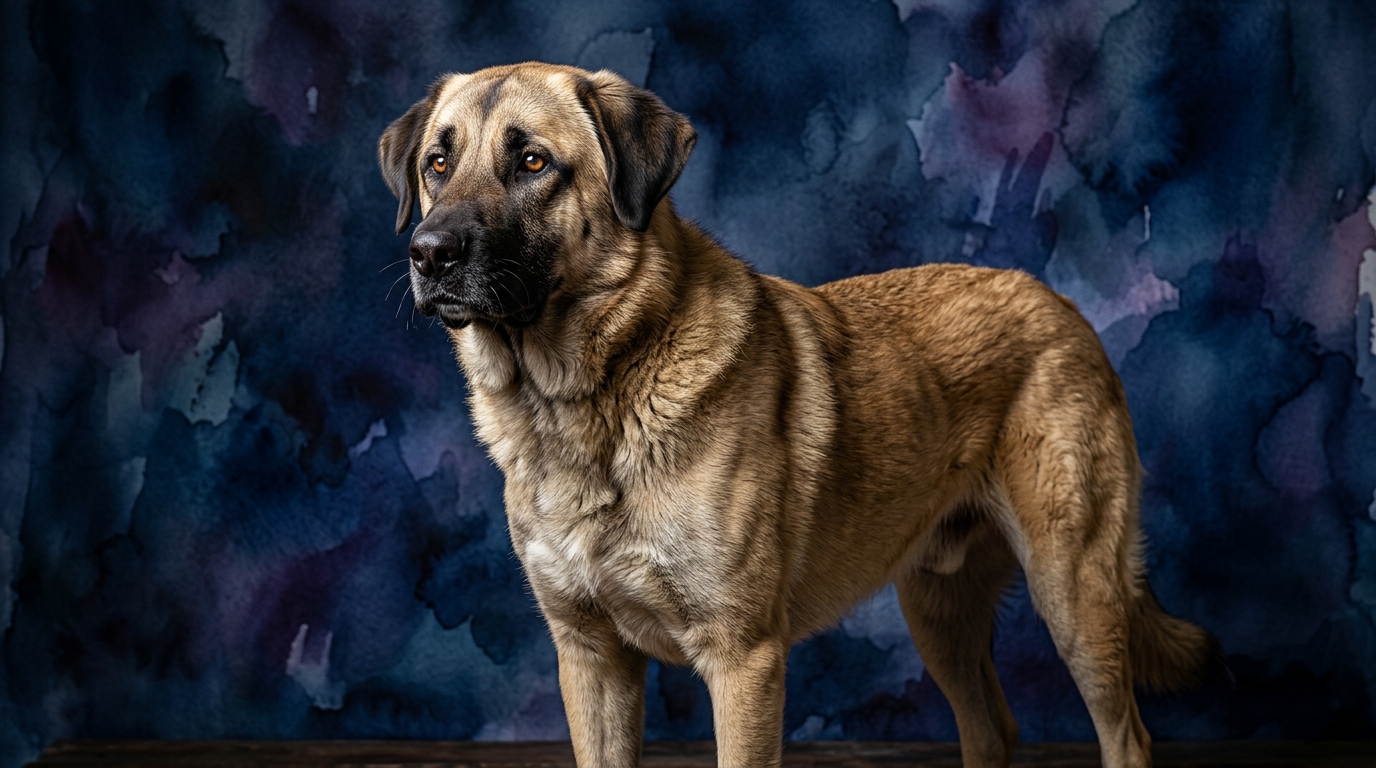
Side-by-Side IQ Profile: Akita vs. Anatolian Shepherd Dog
To truly understand the cognitive makeup of these two impressive breeds, we delve into their specific IQ dimensions, as measured by The Cosmic Pet Pet IQ Lab. This detailed breakdown reveals their unique mental aptitudes.
For the Akita (Working, Coren rank #54): Problem Solving (3/5) – This breed demonstrates a moderate capacity to navigate novel situations or overcome obstacles independently, often preferring to stick to established routines but capable of figuring things out when motivated. Training Speed (2/5) – Akitas learn at a deliberate pace, requiring significant repetition and consistent, clear guidance to internalize commands; their independent spirit means they often process information thoughtfully before compliance. Social Intelligence (3/5) – They exhibit a balanced understanding of social cues within their core family unit, forming profound bonds, yet can be reserved, discerning, or even aloof with strangers and other animals. Instinctive Drive (5/5) – Possessing a very strong innate drive, particularly for guarding or independent work, this deep-seated motivation profoundly shapes their behavior, often manifesting as a powerful prey drive or territoriality. Memory (4/5) – Akitas hold onto learned experiences and routines effectively, remembering both positive and negative encounters with impressive longevity, contributing to their consistent reactions and cautious nature.
For the Anatolian Shepherd Dog (Working, Not Coren-ranked): Problem Solving (3/5) – This breed shows a moderate capacity for independent thought and practical problem-solving, particularly in their traditional role of livestock guarding, where pragmatic solutions are often required. Training Speed (3/5) – Anatolian Shepherd Dogs learn at a steady, average pace, responding well to consistent and fair methods; they absorb new information without excessive repetition when the purpose is clear. Social Intelligence (3/5) – They display a balanced understanding of social dynamics, especially within their chosen family or 'flock,' often assessing new individuals with a watchful, protective demeanor before engagement. Instinctive Drive (3/5) – This breed possesses a moderate, yet persistent, instinctive drive primarily focused on guardianship and territorial defense, manifesting as purposeful vigilance rather than overwhelming intensity. Memory (3/5) – Anatolian Shepherd Dogs retain information and experiences at an average rate, remembering key people, places, and commands reliably for their day-to-day needs.
Where the Akita Wins Cognitively
The Akita’s superior Instinctive Drive, rated at 5/5 compared to the Anatolian’s 3/5, signifies a profoundly intense and specific internal motivation. This translates into an unwavering dedication when performing tasks aligned with their innate purpose, whether it's focused scent work or protection exercises. This deep-seated drive means an Akita often operates with an internal engine that keeps them committed even when external rewards are minimal, making them exceptionally self-driven in their chosen pursuits. This isn't merely about energy, but a purposeful, intrinsic push that informs their every decision and action.
Furthermore, the Akita’s Memory, scoring 4/5 against the Anatolian’s 3/5, indicates an exceptional ability to recall past experiences with remarkable detail and duration. This allows Akitas to build intricate associations over time, leading to highly consistent behaviors once ingrained. While beneficial for solidifying training, this long-term memory also means they remember negative interactions or perceived slights with equal tenacity, influencing their cautious demeanor and making recovery from adverse experiences a more considered process. Their memory underpins a lasting understanding of their environment and social order.
Where the Anatolian Shepherd Dog Wins Cognitively
The Anatolian Shepherd Dog edges out the Akita in Training Speed, with a 3/5 rating compared to the Akita’s 2/5. This indicates a more direct and often quicker assimilation of new commands and concepts. While both breeds are independent thinkers, the Anatolian’s capacity to absorb information and respond to clear, consistent instruction tends to be more straightforward, potentially making foundational obedience training a less arduous process. This doesn't suggest a 'smarter' dog, but rather one with a more readily accessible and less resistant learning curve for human-directed tasks, especially when they align with their natural vigilance.
The Anatolian’s Instinctive Drive, at 3/5 compared to the Akita’s 5/5, offers a distinct cognitive advantage in terms of adaptability. While still robustly driven by guardianship, this more moderate intensity means their instincts are often expressed with a measured, observant approach rather than an immediate, high-intensity reaction. This balanced drive allows them to integrate into diverse living situations with less overwhelming pressure to fulfill an all-consuming instinct. Their inherent purpose is clear, but their cognitive framework permits greater flexibility in environments where extreme prey drive or territoriality might pose significant challenges, making their application of instinct more nuanced and context-dependent.
Which is Easier to Train and Why?
When evaluating ease of training, the Anatolian Shepherd Dog generally presents a more amenable learning experience. Their Training Speed of 3/5, a point higher than the Akita’s 2/5, means they typically grasp new commands and routines with fewer repetitions. The Akita’s pronounced Instinctive Drive (5/5) and independent problem-solving often lead them to critically assess whether a command aligns with their own perceived best interest or if they have a superior 'Akita' solution. In contrast, the Anatolian, while also independent, possesses a slightly lower Instinctive Drive (3/5) and a more pragmatic approach to learning, making them more receptive to consistent instruction.
Real behavioral differences include the Akita's tendency to be more selective in their obedience, often requiring stronger motivation to perform tasks that don't directly appeal to their instincts, and their higher prey drive can complicate off-leash reliability without extensive, dedicated training. The Anatolian's cooperative nature, within the bounds of its inherent guardian role, typically facilitates a smoother progression for general obedience and basic manners.
Matching Breeds to Lifestyles: Active vs. Relaxed Owners
For active owners seeking a profound canine partnership, the Akita, with its high Instinctive Drive (5/5) and moderate Problem Solving (3/5), thrives with consistent mental engagement and purposeful activities. These owners must be prepared to channel the Akita's independent nature into structured routines and physical exercise, such as advanced obedience, tracking, or even carefully managed protection sports, which tap into their deep-seated drives. Their substantial Memory (4/5) means they flourish under clear leadership and benefit from predictable expectations, making them an ideal fit for owners who appreciate a cognitive challenge and can provide unwavering guidance.
Conversely, the Anatolian Shepherd Dog, possessing a more moderate Instinctive Drive (3/5) and a steady Training Speed (3/5), can suit owners with a more relaxed lifestyle, provided their inherent guarding instincts are understood and managed. While they require regular exercise and mental stimulation, their energy output is often more measured and task-oriented, focusing on observant patrols of their territory and quality time with their family, rather than demanding constant, high-octane engagement. Owners who value a calm, watchful companion and are prepared to manage a strong, independent guardian without requiring intense, high-impact activities will find an Anatolian Shepherd Dog a profoundly rewarding match, offering steadfast companionship without the same demanding cognitive engagement as an Akita.
The Verdict
If you seek a deeply loyal, independent guardian with a profound instinctive drive and exceptional memory, and are prepared for consistent, patient training to channel these traits, an Akita could be your match.
Opt for an Anatolian Shepherd Dog if you desire a steadfast, watchful protector with a more balanced drive and a slightly quicker learning curve, suitable for a home that values calm vigilance and purposeful independence.
🧠 Find Your Pet's IQ Score
Our Pet IQ Lab assessment covers 25+ tests across 5 cognitive dimensions — personalized to your breed.
Take the Full IQ Test →Frequently Asked Questions
Are Akitas stubborn, or do they simply think differently?
Akitas often display a strong will and independent thought, which can be perceived as stubbornness. Their lower Training Speed (2/5) and high Instinctive Drive (5/5) suggest they may question commands or prioritize their own impulses, necessitating a patient, consistent, and highly motivating training approach that respects their unique cognitive process.
How do Anatolian Shepherd Dogs typically learn new behaviors or commands?
Anatolian Shepherd Dogs learn new behaviors at an average pace, rated 3/5 for Training Speed. They generally respond well to positive reinforcement and clear, consistent instruction, particularly if the training engages their natural intelligence or provides a sense of purpose within their guardian role.
Which breed tends to be more adaptable to living with other household pets?
Neither breed is universally more adaptable with other pets, as both possess strong guarding and territorial instincts. Akitas, with their 5/5 Instinctive Drive, often exhibit a higher prey drive and can be less tolerant of other animals, while Anatolian Shepherd Dogs, at 3/5 Instinctive Drive, can be more accepting if socialized extensively with other animals from a very young age, especially those considered part of their 'flock.' Early, careful socialization and vigilant management are crucial for both breeds.