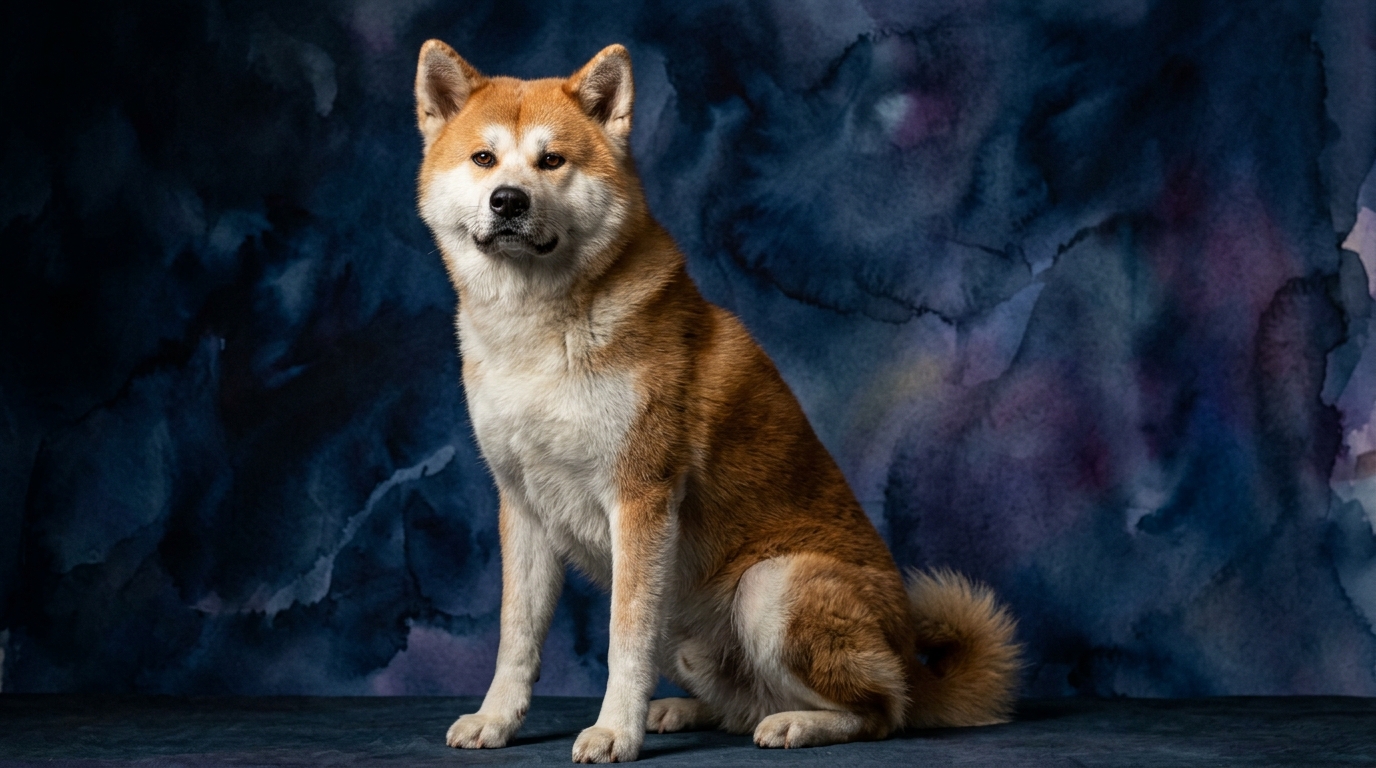
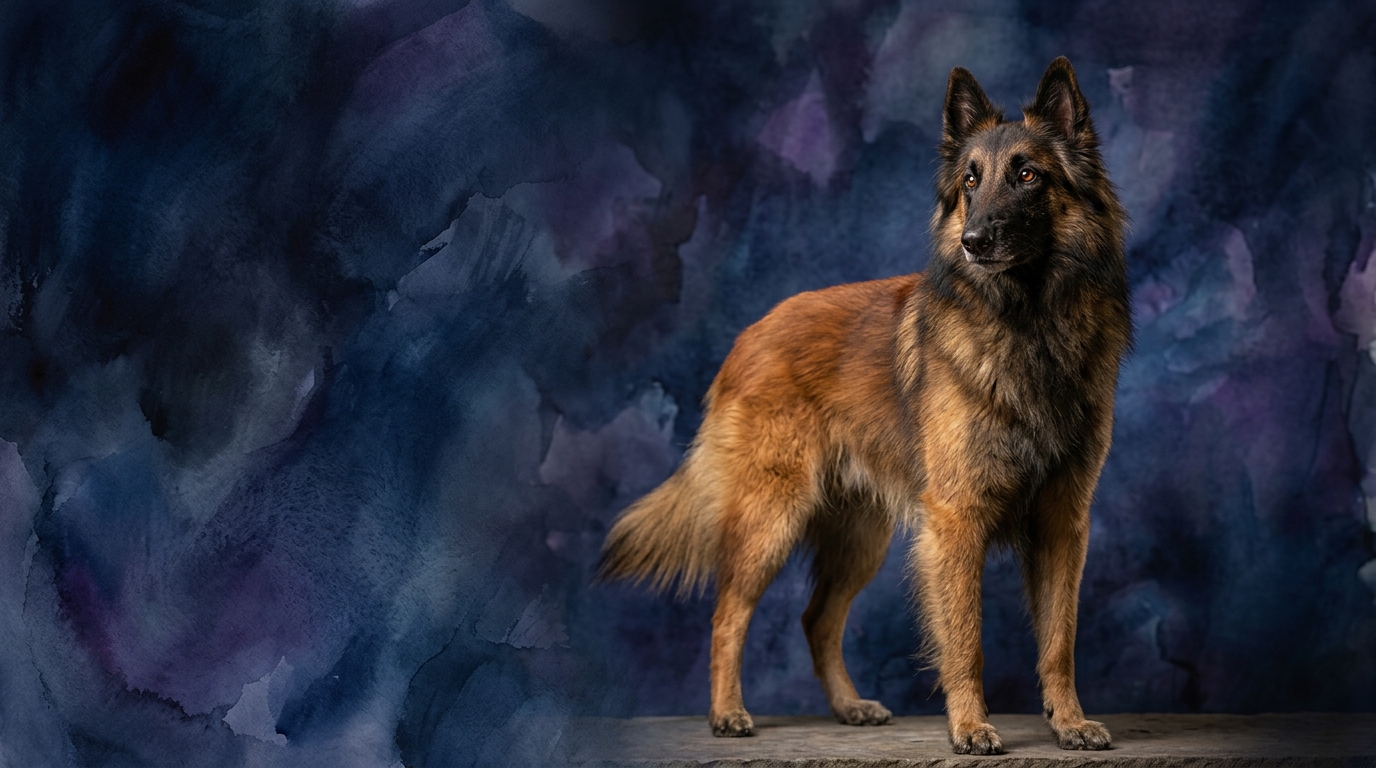
Side-by-Side IQ Profile: Akita vs. Belgian Tervuren
The Cosmic Pet Pet IQ Lab delves into the unique cognitive architectures of the Akita and Belgian Tervuren, revealing how their evolutionary paths shaped distinct mental strengths. Beginning with Problem Solving, the Akita scores a methodical 3/5. This suggests a dog that approaches challenges with deliberate thought, often relying on its independent judgment rather than seeking immediate human input. Its solutions are typically practical and rooted in its protective nature. In stark contrast, the Belgian Tervuren boasts a perfect 5/5 in Problem Solving, indicating a canine that is incredibly adept at analyzing novel situations and formulating swift, effective solutions. This reflects its heritage as a dynamic herding dog, constantly adapting to changing flock movements and environmental cues.
Moving to Training Speed, the Akita registers a 2/5. This breed requires significant patience and consistent methods, absorbing lessons at a more measured pace. They are not typically driven by an overwhelming desire to please, making training a journey of mutual respect and clear communication. The Belgian Tervuren, however, achieves a 5/5 in Training Speed, demonstrating an exceptional capacity for rapid learning. They pick up new commands and complex routines with remarkable alacrity, thriving on mental engagement and finding joy in the training process itself.
Social Intelligence sees both breeds at a 3/5, yet their expressions differ. The Akita exhibits a discerning social intelligence, forming deep, loyal bonds with its immediate family but often remaining reserved or aloof with strangers. Their social interactions are selective and purposeful. The Belgian Tervuren also scores 3/5, displaying a sensitive and highly attuned social intelligence within its family unit, often picking up on subtle emotional cues. While loyal, their social interactions can be more anxious or intense, requiring careful management to ensure positive experiences.
In Instinctive Drive, the Akita stands out with a formidable 5/5. This score highlights a profound natural inclination for guarding, territoriality, and a strong prey drive. These instincts are deeply ingrained, guiding their protective behaviors and requiring consistent, early socialization and training to channel appropriately. The Belgian Tervuren has a 3/5 instinctive drive, primarily manifesting as a moderate herding impulse. While present, it is generally less intense and more manageable than the Akita’s powerful drives, and can often be redirected into appropriate activities like herding sports.
Finally, Memory reveals another distinction. The Akita scores a strong 4/5, demonstrating excellent retention of learned behaviors, routines, and experiences. They remember perceived threats and safe individuals with remarkable clarity, contributing to their guardian role. The Belgian Tervuren achieves a perfect 5/5 in Memory, indicating an extraordinary capacity to recall vast amounts of information, from intricate command sequences to complex environmental details. This superior memory underpins their rapid training speed and ability to perform intricate tasks reliably.
Where the Akita Wins Cognitively
The Akita's cognitive strengths truly emerge in areas demanding independent judgment and unwavering resolve, primarily driven by its formidable 5/5 instinctive drive. This isn't just a physical predisposition but a deep-seated mental framework for assessing and responding to its environment, particularly regarding protection. An Akita processes potential threats with a calm, deliberate vigilance, often making decisions based on its own assessment rather than waiting for human command. This powerful drive translates into a profound cognitive ability to act as a self-appointed guardian, anticipating problems and reacting with a calculated purpose. Coupled with a strong 4/5 memory, the Akita retains a comprehensive mental map of its territory, its family members, and any perceived anomalies. It remembers specific individuals, their intentions, and past interactions, building a complex internal database. This combination of high instinctive drive and robust memory allows the Akita to be an exceptionally reliable and discerning protector, making cognitive choices rooted in its inherent purpose, even if those choices are not always aligned with human expectations for immediate obedience.
Where the Belgian Tervuren Wins Cognitively
The Belgian Tervuren excels with a cognitive profile built for agility, rapid learning, and complex task execution. Its perfect 5/5 in Problem Solving means it possesses an innate ability to quickly analyze new situations and devise effective solutions, a critical trait for a herding dog navigating dynamic environments. This isn't rote memorization; it's a genuine understanding of cause and effect, allowing them to adapt on the fly. This problem-solving prowess is powerfully amplified by their 5/5 Training Speed, meaning they grasp new concepts and commands with astonishing alacrity. They often require fewer repetitions than most breeds, making the training process highly efficient and rewarding. Underpinning these abilities is their flawless 5/5 Memory, granting them an extraordinary capacity to store and recall vast amounts of information, from intricate obedience routines to complex scent discrimination tasks. This superior recall ensures consistent, precise performance over long periods. The Tervuren's cognitive advantage lies in its mental quickness, adaptability, and an unparalleled capacity for sustained, complex learning, making it a cerebral powerhouse in the canine world.
Which is Easier to Train and Why
The Belgian Tervuren is unequivocally easier to train, a distinction rooted deeply in its cognitive makeup. Its perfect 5/5 Training Speed means it absorbs new commands and behaviors with remarkable efficiency, often needing only a few repetitions to solidify a concept. This rapid acquisition is fueled by their eagerness to engage and their high problem-solving capacity (5/5), which allows them to understand the intent behind the training, not just the action. They thrive on mental stimulation and find the process of learning intrinsically rewarding, making them highly motivated students. Their exceptional memory (5/5) further cements their trainability, ensuring that once a lesson is learned, it is retained for a long time, leading to consistent performance. In stark contrast, the Akita's 2/5 Training Speed indicates a more independent and sometimes stubborn learning style. They require immense patience, consistent methods, and a trainer willing to work with their strong-willed nature. While their memory is good (4/5), their lower problem-solving score (3/5) suggests they may process new information at a more deliberate pace and are less inclined to perform simply for handler approval. Their formidable 5/5 instinctive drive also means training must often focus on channeling these powerful natural tendencies rather than expecting immediate, compliant obedience, making the training journey significantly more challenging for the average owner.
Which Suits Active Owners vs. Relaxed Owners
The choice between an Akita and a Belgian Tervuren significantly hinges on an owner's lifestyle and capacity for engagement. The Belgian Tervuren, with its exceptional problem-solving (5/5), rapid training speed (5/5), and moderate but present herding drive (3/5), is undeniably suited for active owners. These dogs require consistent mental and physical stimulation, thriving when given a "job" to do, whether it's advanced obedience, agility, tracking, or simply vigorous daily exercise combined with regular training sessions. Their cognitive profile demands an owner who is committed to channeling their immense mental energy constructively, preventing boredom and potential behavioral issues. They are not content with being couch potatoes and will quickly become restless without adequate engagement. Conversely, the Akita, despite its powerful 5/5 instinctive drive, often fits better with a more relaxed owner who understands their need for independence and quiet dignity. While they require regular, moderate exercise for physical health, their lower training speed (2/5) and methodical problem-solving (3/5) mean they aren't constantly seeking complex mental challenges from their human. They appreciate a stable routine, clear boundaries, and a calm home environment, often content to observe and guard. They are not "eager to please" in the same way a Tervuren is, making them a better match for owners who value a self-sufficient, dignified companion over a highly interactive, constantly engaged partner, provided their protective instincts are managed responsibly.
The Verdict
Choose an Akita if you appreciate a self-sufficient, protective companion with a profound sense of loyalty and a strong, independent spirit, and are prepared for a deliberate training journey.
Opt for a Belgian Tervuren if you seek an exceptionally quick-witted, highly trainable partner for advanced activities and thrive on consistent, engaging mental and physical interaction.
🧠 Find Your Pet's IQ Score
Our Pet IQ Lab assessment covers 25+ tests across 5 cognitive dimensions — personalized to your breed.
Take the Full IQ Test →Frequently Asked Questions
Is the Akita truly less smart than the Belgian Tervuren?
Not necessarily less "smart," but their cognitive strengths differ; the Akita excels in independent judgment and protective instincts, while the Tervuren shines in rapid learning and adaptable problem-solving. Their intelligence manifests in different, purpose-driven ways.
How does social intelligence differ between these breeds?
Both breeds score 3/5 in social intelligence, but this manifests differently; Akitas are discerning and reserved, forming deep bonds with their inner circle, while Tervurens are sensitive and bond strongly with their families, often being more responsive to handler cues. The Akita's social approach is more guarded, while the Tervuren's is more interactive within its established family unit.
Can an Akita excel in dog sports like agility?
While an Akita's strong memory (4/5) can aid in recalling sequences, their lower training speed (2/5) and less eager-to-please nature mean they might find the repetitive, rapid-fire demands of agility less intrinsically motivating than a Tervuren. Success is possible with immense patience and a tailored approach that respects their independent working style.