Side-by-Side Cognitive Profiles
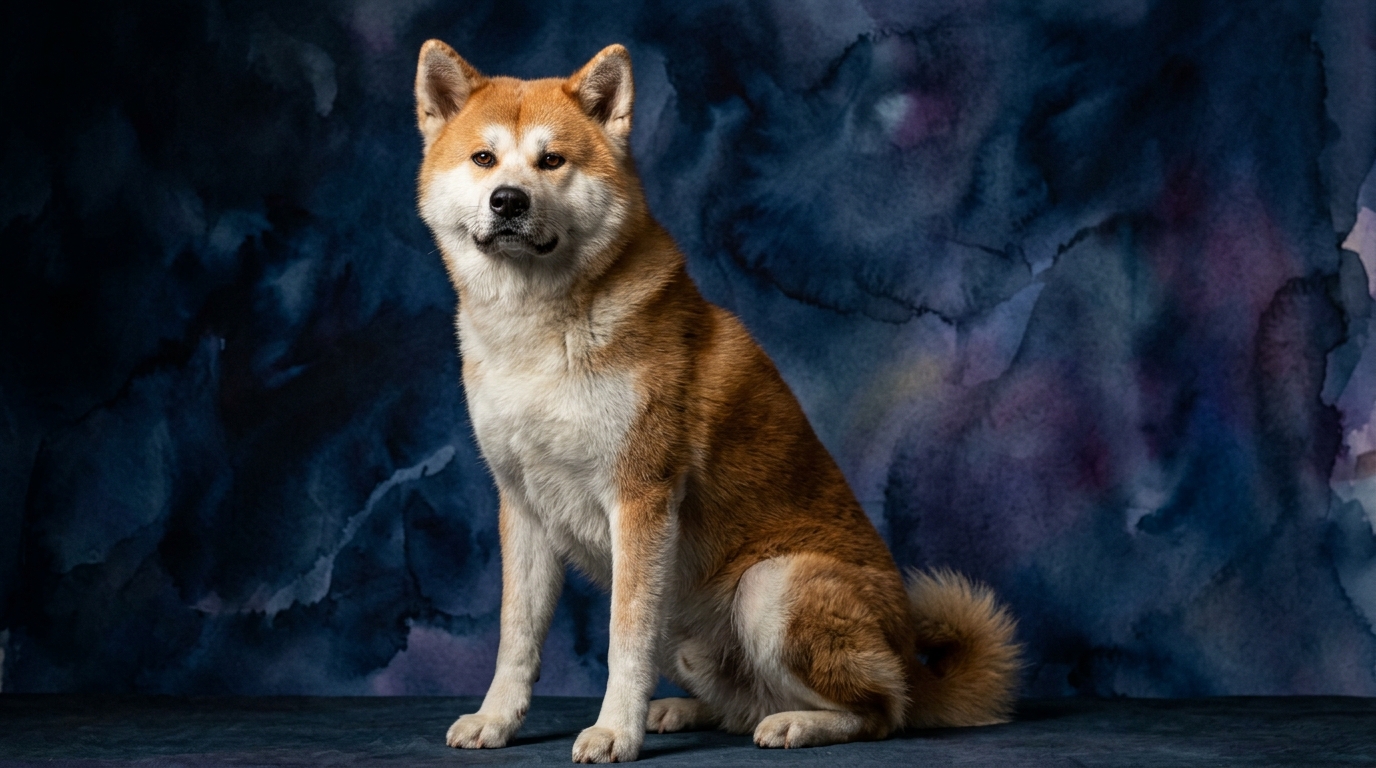
The Cosmic Pet Pet IQ Lab offers a nuanced perspective on canine intelligence, moving beyond simple rankings to assess five key dimensions. For the Akita, ranked #54 by Coren, its profile reflects a breed forged for independence and protection. Its Problem Solving is moderate (3/5), often favoring self-reliance over seeking human input, a trait stemming from its guardian and hunting lineage. Training Speed is lower (2/5) due to its strong will and independent decision-making, requiring patience and consistent motivation. Social Intelligence (3/5) is discerning; they are deeply loyal to their family but reserved with outsiders, focusing on protection. Their Instinctive Drive is exceptionally high (5/5), manifesting as potent guarding instincts and a strong prey drive. Finally, their Memory is strong (4/5), enabling them to recall past interactions and routines for effective vigilance.
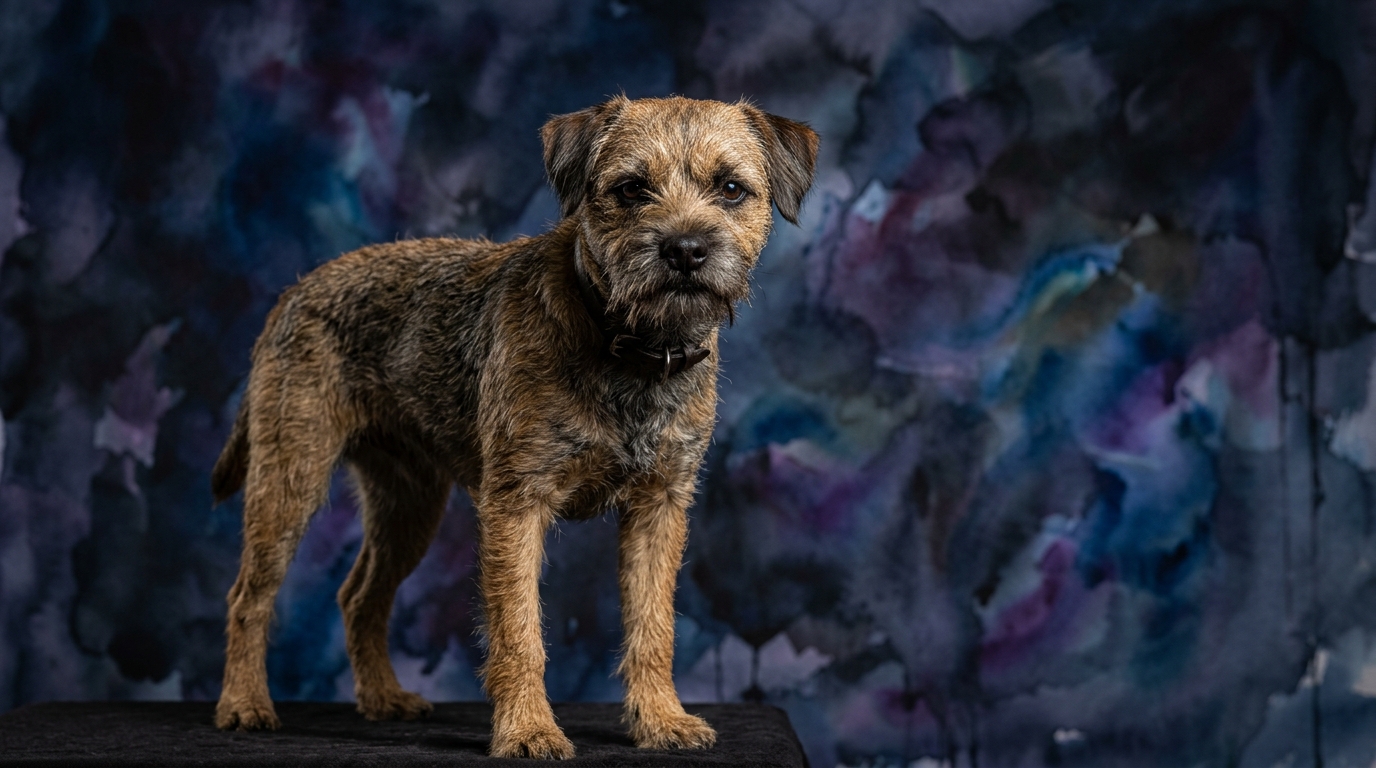
In contrast, the Border Terrier, with a Coren rank of #30, presents a nimble and adaptable intellect. They excel in Problem Solving (4/5), demonstrating ingenuity and quick thinking, crucial for their historical role in navigating challenging terrain to pursue quarry. Their Training Speed is good (4/5), as they are generally eager to learn and respond quickly to engaging instruction. Social Intelligence (3/5) is moderate; they are typically friendly but can display terrier assertiveness with other animals, though generally less intense than some terrier breeds. Instinctive Drive (3/5) is present but more focused on chasing and digging than intense guarding or large game hunting. Like the Akita, their Memory is strong (4/5), aiding in rapid learning and recall of complex environments and scent trails.
Where the Akita Wins Cognitively
The Akita's cognitive strengths lie profoundly in its instinctive drive and robust memory. Their exceptional instinctive drive, rated 5/5, means they possess an unparalleled, innate understanding of their role as protectors and guardians. This isn't just a learned behavior; it's a deeply ingrained blueprint for assessing their environment, identifying potential threats, and acting with decisive, protective intent. For instance, an Akita will instinctively survey its surroundings, often positioning itself to observe entry points, without explicit instruction. This drive also fuels their impressive physical resilience and determination in tasks requiring endurance, reflecting their heritage in hunting large, formidable prey. Furthermore, their strong memory (4/5) allows them to meticulously log experiences and individuals. They remember specific interactions, both positive and negative, forming long-lasting impressions of who belongs within their protective sphere and who remains an outsider. This cognitive advantage means an Akita will consistently recognize a familiar visitor even after long absences, yet remain vigilant towards a perceived past transgression, making their trust hard-earned but enduring.
Where the Border Terrier Wins Cognitively
In contrast, the Border Terrier shines brightest in its problem-solving abilities and training speed. With a problem-solving score of 4/5, these terriers exhibit remarkable ingenuity and adaptability. Their historical task of independently pursuing quarry through complex underground tunnel systems cultivated a mind that quickly analyzes situations and devises effective solutions. For example, a Border Terrier faced with a securely closed gate might systematically try various methods—nudging, digging under, or attempting to unlatch—until successful, rather than waiting for human intervention. This resourcefulness makes them incredibly adept at navigating new environments or overcoming minor obstacles. Complementing this is their impressive training speed (4/5). Border Terriers are generally more receptive to learning new commands and routines, processing information and associating actions with rewards at a quicker pace than many breeds. Their eagerness to engage and work alongside their handler, combined with a quick mental uptake, allows for more efficient and varied training regimens, making them proficient in activities like agility or obedience trials where rapid learning is key.
Training Aptitude: Akita vs. Border Terrier
When considering ease of training, the Border Terrier clearly holds an advantage due to its higher Training Speed (4/5) and more adaptable Instinctive Drive (3/5). Border Terriers, bred to work cooperatively with hunters but also independently in tight spaces, developed a keenness to understand and respond to human directives. They typically exhibit a strong desire to engage with their handler, making them more receptive to positive reinforcement and faster in forming associations between commands and actions. Their problem-solving acumen also means they can generalize learned behaviors more readily to new contexts. In stark contrast, the Akita's Training Speed (2/5) is significantly lower, driven by its profound independence and formidable Instinctive Drive (5/5). Akitas were bred to make their own decisions in guarding and hunting scenarios, often requiring them to act without human input. This translates into a strong-willed temperament in training; they learn, but often require more repetitions, greater patience, and a compelling reason to comply, especially if a command conflicts with their innate protective or territorial instincts. Their memory is excellent, but their willingness to apply it to human-initiated commands can be selective, meaning training an Akita demands a highly experienced and dedicated owner who understands how to channel their independence effectively.
Lifestyle Match: Active vs. Relaxed Owners
The choice between an Akita and a Border Terrier largely depends on an owner's lifestyle and their capacity for engagement. The Border Terrier, with its moderate instinctive drive and excellent problem-solving skills, thrives with active owners who can provide consistent mental stimulation and physical exercise. They enjoy activities that challenge their quick minds, such as agility, earthdog trials, or long, exploratory walks where their curiosity can be indulged. Their moderate energy levels make them suitable for owners who enjoy daily adventures and interactive play, but they can also settle down well indoors after their needs are met. Conversely, the Akita, with its exceptionally high instinctive drive and protective nature, is better suited for experienced, active owners who understand the demands of a powerful, independent guardian breed. While they don't require constant, high-intensity exercise like some working breeds, they need purposeful activity that channels their protective instincts, such as structured walks, training sessions focused on obedience and boundaries, and ample space to observe their territory. A relaxed owner might find an Akita's independent decision-making and strong protective urges challenging to manage without consistent guidance and socialization, potentially leading to behavioral issues.
The Verdict
For owners seeking a profoundly loyal, discerning guardian with an unwavering protective instinct and a dignified, independent spirit, and who are prepared for dedicated, patient training, the Akita could be your match.
If your lifestyle calls for a highly biddable, quick-learning companion eager for interactive problem-solving and diverse activities, the Border Terrier is an excellent choice.
🧠 Find Your Pet's IQ Score
Our Pet IQ Lab assessment covers 25+ tests across 5 cognitive dimensions — personalized to your breed.
Take the Full IQ Test →Frequently Asked Questions
Do Akitas enjoy learning new tricks?
Akitas can learn new tricks, but their motivation often stems from pleasing their trusted human or if the trick serves a practical purpose. They may not display the same enthusiastic eagerness for novelty as some other breeds, preferring to master a few essential commands rather than a broad repertoire of parlor tricks.
Are Border Terriers prone to digging due to their instinctive drive?
Yes, Border Terriers retain a moderate instinctive drive for digging, a remnant of their historical role in bolting foxes from dens. Owners should provide designated digging areas or specific training to manage this natural behavior, as it’s deeply ingrained.
How does social intelligence differ between these two breeds with strangers?
Akitas typically exhibit reserved social intelligence with strangers, often being aloof or watchful as their protective instincts kick in. Border Terriers, while generally friendly, may display cautious curiosity or a brief burst of terrier assertiveness before settling, though they are less inherently guarded than Akitas.