Side-by-Side IQ Profile: Akita vs. Borzoi
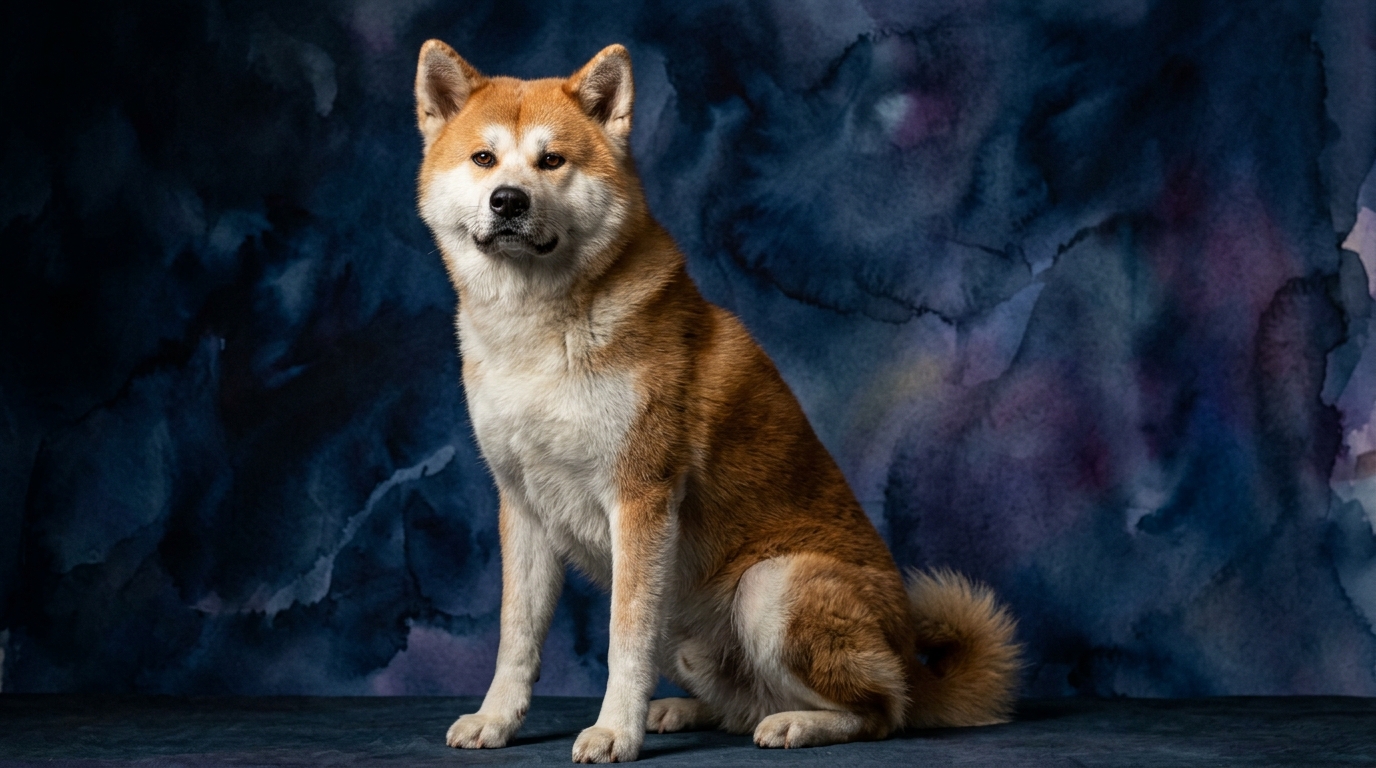
At The Cosmic Pet Pet IQ Lab, we evaluate canine intelligence across five key dimensions. The Akita, ranking #54 in Coren's intelligence scale, presents a unique cognitive blueprint. Its Problem Solving is rated 3/5, indicating a moderate capacity for independent thought and finding solutions, often relying on observation and strong will. Training Speed is 2/5, reflecting a profound independence and skepticism, requiring immense patience and consistency. Social Intelligence stands at 3/5, forming deep bonds with family but reserved with strangers. Instinctive Drive is exceptionally high at 5/5, rooted in their history as formidable hunting and guarding dogs, manifesting as strong prey drive and territoriality. Memory is robust at 4/5, recalling past experiences and interactions with clarity, aiding their loyalty and protective roles.
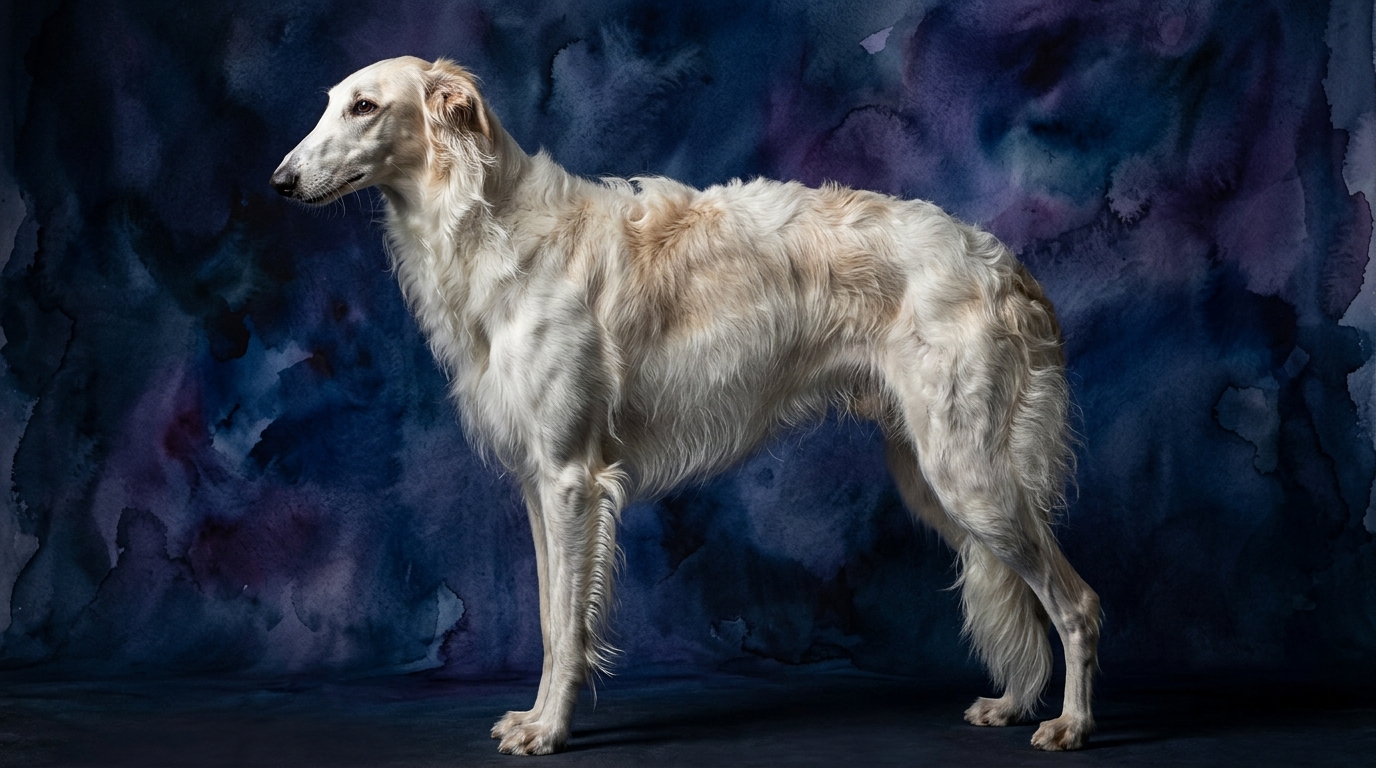
The Borzoi, ranking #75 in Coren's scale, offers a different cognitive profile. Its Problem Solving is also 3/5, often applying quick wits and agility to navigate environments or pursue visual targets with practical, immediate solutions. Training Speed is 3/5, indicating a moderate pace for grasping concepts, though requiring consistent motivation due to sighthound independence. Social Intelligence is 3/5, often described as gentle with family but reserved or indifferent to strangers. Instinctive Drive is 3/5, dominated by their sighthound heritage which fuels a powerful prey drive for fast-moving objects. Memory is 3/5, capable of recalling routines and commands, but can be overshadowed by immediate sensory input, particularly visual stimuli.
Where the Akita Wins Cognitively
The Akita's superior instinctive drive (5/5 vs Borzoi's 3/5) fundamentally shapes its cognitive strengths, giving it a distinct edge in vigilance and complex protective reasoning. This isn't merely about physical prowess; it signifies a brain wired for constant environmental assessment, adept at identifying subtle shifts, potential threats, and making quick, independent judgments based on perceived danger. Their higher memory (4/5 vs Borzoi's 3/5) further amplifies this, allowing them to construct detailed mental maps of their territory, recall individuals with considerable accuracy over time, and remember past interactions. This robust cognitive framework makes them exceptionally capable at multi-layered guardian tasks that demand long-term recall, discerning judgment, and autonomous decision-making in ambiguous situations, far beyond simple learned responses.
Where the Borzoi Wins Cognitively
The Borzoi's cognitive strength particularly shines in its refined training speed (3/5 vs Akita's 2/5) coupled with its problem-solving (3/5, equal to Akita) and instinctive drive (3/5). While both breeds share the same problem-solving score, the Borzoi often applies this intelligence with an elegant efficiency, especially when focused on immediate, often visually-driven goals. Their slightly faster training speed suggests a greater intrinsic willingness to engage with human instruction when presented effectively and consistently, making them quicker to grasp and execute commands in focused training sessions. This blend allows them to be more adaptable and responsive in environments where quick, precise, and often agile responses to cues are valued, rather than the Akita's more deliberate, independent, protective reasoning. Their capacity for graceful, swift action is a cognitive hallmark.
Which is Easier to Train and Why
The question of which breed is "easier" to train often comes down to an owner's definition of ease. The Borzoi generally presents as more amenable to traditional training methods due to its higher training speed score (3/5) compared to the Akita's (2/5). Akitas are renowned for their profound independence and strong will, often perceiving commands as mere suggestions rather than directives. Their cognitive process involves weighing the perceived value of compliance against their own current priorities. This means an Akita might perfectly understand a command but choose not to execute it if it doesn't align with their internal logic or if the reward isn't compelling enough. Training an Akita demands immense patience, unwavering consistency, and a strong, trusting relationship built on mutual respect and clear boundaries. In contrast, Borzoi, while still possessing the independence characteristic of sighthounds, are typically more responsive to positive reinforcement and engaging, reward-based training methods. Their desire to please their chosen people, coupled with their moderate training speed, means they are often quicker to learn and more consistent in their responses, especially when distractions are minimal. However, their powerful instinct to chase remains a significant cognitive factor, demanding constant vigilance and specific training to manage in any environment where they might encounter moving targets.
Matching Breeds to Owner Lifestyles
Choosing between an Akita and a Borzoi also hinges on an owner's lifestyle regarding activity levels. The Akita, with its exceptionally high instinctive drive and robust memory, is best suited for owners who are prepared for consistent, structured activity that engages both their powerful physical body and their sharp, protective mind. These dogs thrive on purpose and require an owner who understands their innate need for mental stimulation, whether through structured obedience, protection work, or engaging in activities that allow them to utilize their problem-solving and guardian instincts. They demand a clear, consistent leadership role from their human counterpart, who can channel their formidable cognitive energy constructively. Their mental engagement is constant, even when seemingly resting.
The Borzoi, despite its sighthound heritage of incredible speed, can often be a surprisingly relaxed and calm companion indoors, making it suitable for owners who appreciate a tranquil presence after periods of intense exercise. While they absolutely need regular opportunities to run and express their sighthound nature in a secure, expansive environment, their moderate social intelligence and instinctive drive mean they are often content to lounge gracefully indoors for significant portions of the day. They suit owners who can provide bursts of high-energy activity, allowing them to fulfill their chasing instincts safely, balanced with a generally tranquil and undemanding home life. Their cognitive focus often shifts from high alert outdoors to quiet contemplation indoors.
The Verdict
Opt for an Akita if you seek a deeply loyal, vigilant companion who will independently assess situations and protect their family with unwavering dedication, and you are prepared for a dog that requires patient, respectful training, a strong leadership presence, and consistent mental engagement to thrive.
Select a Borzoi if you desire an elegant, gentle companion who enjoys bursts of incredible speed outdoors but is content to be a calm, graceful presence indoors, and you appreciate a dog that responds well to positive, engaging training techniques, provided their strong prey drive is managed.
🧠 Find Your Pet's IQ Score
Our Pet IQ Lab assessment covers 25+ tests across 5 cognitive dimensions — personalized to your breed.
Take the Full IQ Test →Frequently Asked Questions
Are Akitas stubborn?
Akitas possess a strong independent streak, which can sometimes be perceived as stubbornness. This isn't a lack of understanding, but rather a tendency to question commands and weigh their own priorities, requiring patient and consistent motivation.
Do Borzoi need a lot of exercise?
Borzoi need regular opportunities to run at full speed in a safe, enclosed area to satisfy their sighthound instincts. While they are often calm indoors, these bursts of intense exercise are crucial for their physical and mental well-being.
How do Akita and Borzoi react to strangers?
Akitas are typically reserved and can be aloof with strangers, often maintaining a watchful distance due to their protective instincts. Borzoi are also generally reserved but tend to be more indifferent or polite than overtly watchful, preferring to keep their distance.