Side-by-Side IQ Profile: Akita vs. Cane Corso
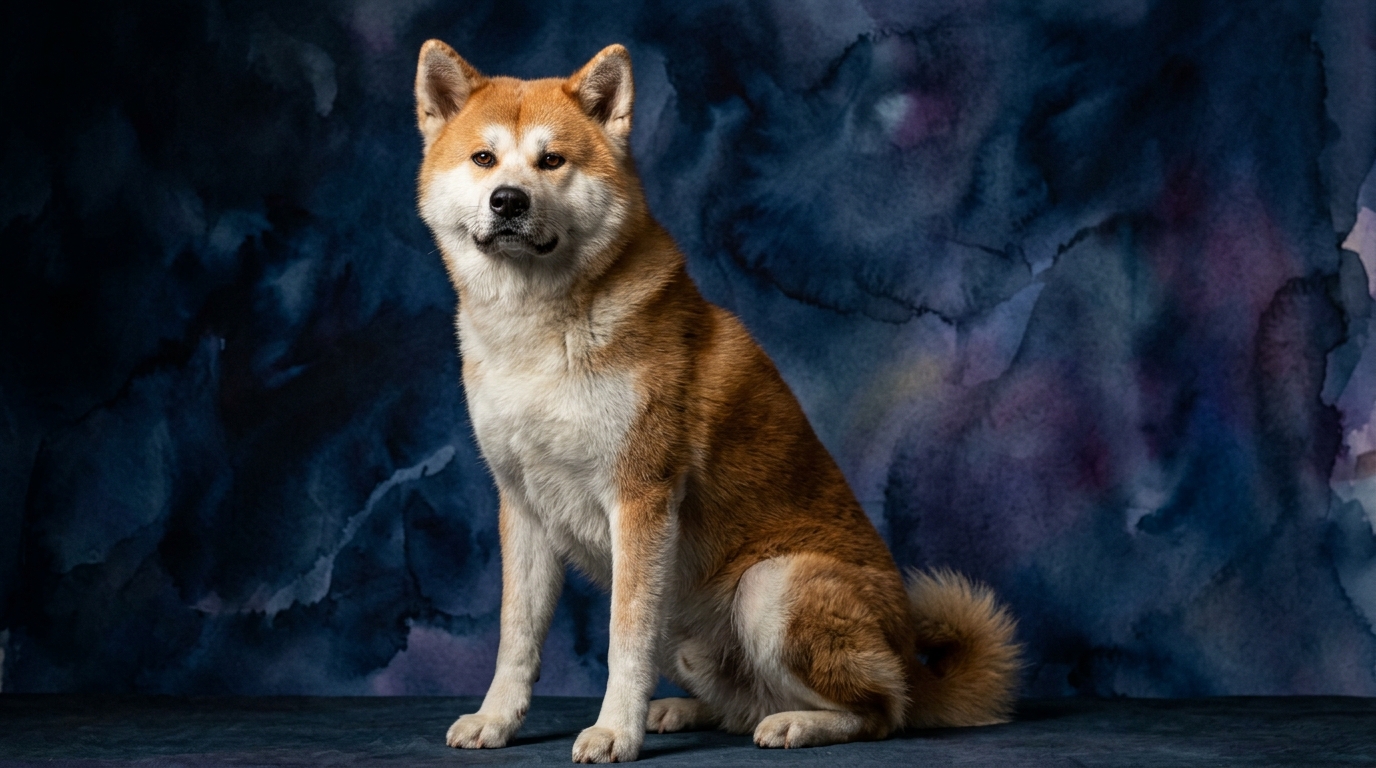
At The Cosmic Pet Pet IQ Lab, we dissect canine cognition across five crucial dimensions, offering a nuanced understanding beyond simple labels. For the Akita, a breed Coren-ranked at #54, its cognitive landscape is marked by a distinctive blend of independence and profound memory. Its Problem Solving ability stands at 3/5, indicating a capacity for independent thought and finding its own solutions, sometimes without direct human input. Training Speed, at 2/5, suggests a deliberate learning pace, often requiring patience and consistent, clear methodology. Social Intelligence, rated 3/5, points to a discerning nature, deeply loyal to its family but often reserved with outsiders. The Akita’s Instinctive Drive is a powerful 5/5, reflecting a strong prey drive and territoriality, a deep-seated motivation that influences much of its behavior. Finally, its Memory, at 4/5, is impressive, allowing for long-term retention of experiences and learned associations.
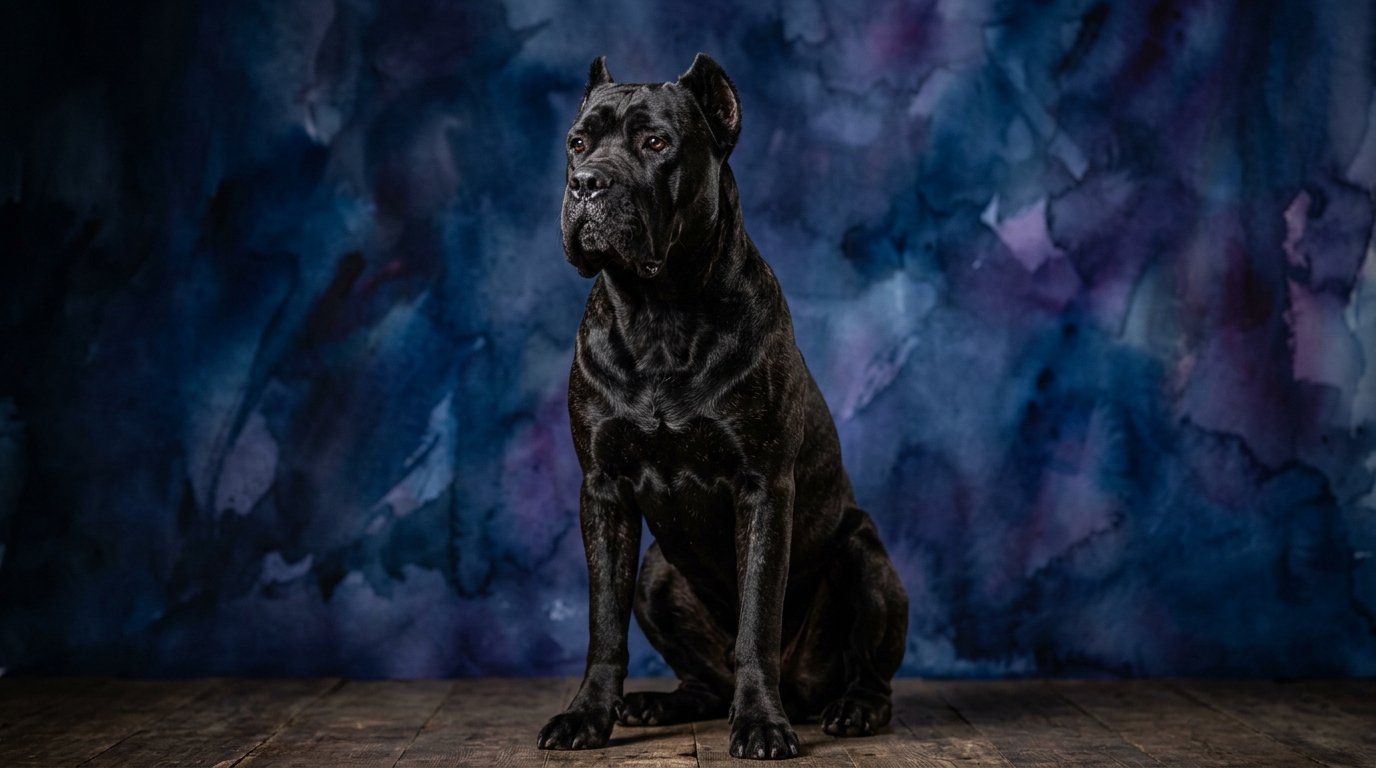
The Cane Corso, while not Coren-ranked, presents a different cognitive blueprint, equally compelling. Its Problem Solving capability is also 3/5, demonstrating an ability to assess situations and make decisions, particularly in contexts related to guarding and family protection. Training Speed, at 3/5, shows a generally more responsive nature to human guidance, picking up commands at a moderate and consistent pace. Social Intelligence, matching the Akita at 3/5, indicates strong family bonds and an awareness of human emotions, though often with a protective wariness towards strangers. The Cane Corso’s Instinctive Drive is 3/5, significant for guarding roles but generally less intense than the Akita's hunting instincts. Its Memory, rated 3/5, allows for effective retention of routines and commands, contributing to its reliability in established roles.
Where the Akita Wins Cognitively
When examining specific cognitive strengths, the Akita often demonstrates a distinct edge in areas tied to its ancestral roles. Its memory, rated at 4/5, allows for an exceptionally long retention of experiences, both positive and negative. This means an Akita can recall specific training cues learned months or even years prior, making retraining less arduous once a concept is grasped. However, this also means they remember perceived unfairness or harsh corrections, which can profoundly impact their willingness to cooperate in the future. Furthermore, their instinctive drive, a powerful 5/5, is a profound cognitive asset in specific contexts. This isn't merely about physical drive; it's a deep-seated, problem-solving instinct that allows them to make independent decisions in challenging situations, particularly when protecting their territory or family. This high drive fuels their vigilance and their capacity for self-directed action, a trait honed over centuries for hunting and guarding. While this requires careful management, it signifies a potent cognitive engine for autonomous decision-making and persistent pursuit of goals.
Where the Cane Corso Wins Cognitively
The Cane Corso, while sharing some cognitive traits with the Akita, exhibits its own unique strengths. Its training speed, rated at 3/5, offers a noticeable advantage over the Akita's 2/5. This indicates a greater willingness to engage with human instruction and a more consistent pace in acquiring new commands. Corsos are generally more handler-focused, eager to please, which translates into a smoother, more predictable learning curve. This responsiveness is a cognitive win for owners seeking a dog that integrates commands into its repertoire with less friction. Their problem-solving capacity, also 3/5, is often channeled through a more cooperative lens. While an Akita might problem-solve independently to achieve its own ends, a Cane Corso is more inclined to problem-solve in collaboration with its human, particularly when addressing tasks related to family protection or structured activities. This pragmatic approach to challenges, combined with their moderate instinctive drive (3/5), means their cognitive efforts are often directed towards maintaining order and protecting their social unit in a more predictable, less independently driven manner than the Akita.
Which is Easier to Train and Why?
Between the two, the Cane Corso generally presents an easier training experience. This stems primarily from its 3/5 training speed, which reflects a more agreeable disposition towards learning from its human companions. Cane Corsos typically possess a stronger desire to work alongside their owners and respond well to consistent, positive reinforcement. Their inherent drive to protect and please their family means they are often more motivated to understand and execute commands, viewing training as a collaborative effort. This cooperative mindset allows for a more straightforward and often quicker grasp of new concepts and behaviors.
In contrast, the Akita's 2/5 training speed is a direct reflection of its independent and sometimes stubborn nature. An Akita often requires more patience, creativity, and a clear demonstration of 'what's in it for me' before fully committing to a training regimen. They can be less inclined to blindly follow commands, preferring to evaluate the situation and make their own choices. This isn't a deficit in cognitive ability, but rather a difference in temperament and motivation, making the Akita's training journey more challenging and requiring a more experienced, understanding hand that respects their self-assured disposition.
Matching Breeds to Lifestyles: Active vs. Relaxed Owners
For owners with an active lifestyle, particularly those who enjoy structured activities and consistent engagement, the Cane Corso often makes a more suitable companion. Their moderate instinctive drive (3/5) and eagerness to please mean they thrive on purpose-driven tasks, whether it's obedience training, protection work, or participating in dog sports. They possess a robust physical presence that requires regular exercise, but their mental energy is often channeled into working with their human, making them excellent partners for owners who want an engaged, cooperative canine. Their social intelligence also means they often appreciate being involved in family activities.
Conversely, the Akita, with its profound instinctive drive (5/5) and independent problem-solving (3/5), might initially seem like a fit for active owners, but their activity often manifests differently. They require significant mental stimulation and outlets for their strong prey and guarding instincts, but they are not always keen on constant, structured human-led activity. Akitas often prefer shorter bursts of intense activity followed by periods of quiet observation, making them potentially better suited for owners who appreciate a more self-sufficient companion that requires thoughtful, rather than constant, interactive engagement. Owners who respect an Akita's preference for independence and quiet dignity might find a harmonious relationship, understanding that their companionship often comes on the Akita's terms.
The Verdict
Choose an Akita if you appreciate a profoundly independent companion with an exceptional memory and powerful self-directed instincts, understanding that their training requires significant patience and a deep respect for their unique temperament.
Opt for a Cane Corso if you seek a highly trainable, devoted protector who thrives on collaborative work and a strong bond with its family, offering a more predictable and responsive partnership.
🧠 Find Your Pet's IQ Score
Our Pet IQ Lab assessment covers 25+ tests across 5 cognitive dimensions — personalized to your breed.
Take the Full IQ Test →Frequently Asked Questions
Is the Akita truly stubborn, or is it just independent?
The Akita's perceived stubbornness is largely a manifestation of its strong independence and self-reliance. They are intelligent enough to understand commands but often choose whether or not to comply based on their own assessment of the situation or their motivation level. This trait requires a patient and understanding handler.
Does the Cane Corso's lack of Coren ranking mean it's less intelligent?
No, the absence of a Coren ranking for the Cane Corso simply means it wasn't included in that specific study or wasn't a recognized breed by the American Kennel Club when the rankings were compiled. It doesn't reflect a lack of intelligence; our IQ profile shows it possesses strong cognitive abilities.
How do their social intelligence ratings (3/5 for both) translate into real-world behavior?
A 3/5 social intelligence rating for both suggests they are discerning rather than universally friendly. Akitas are typically reserved, forming deep bonds with their inner circle but often aloof with strangers. Cane Corsos are also devoted to their family, often wary of outsiders, but generally more receptive to controlled social introductions under their owner's guidance.