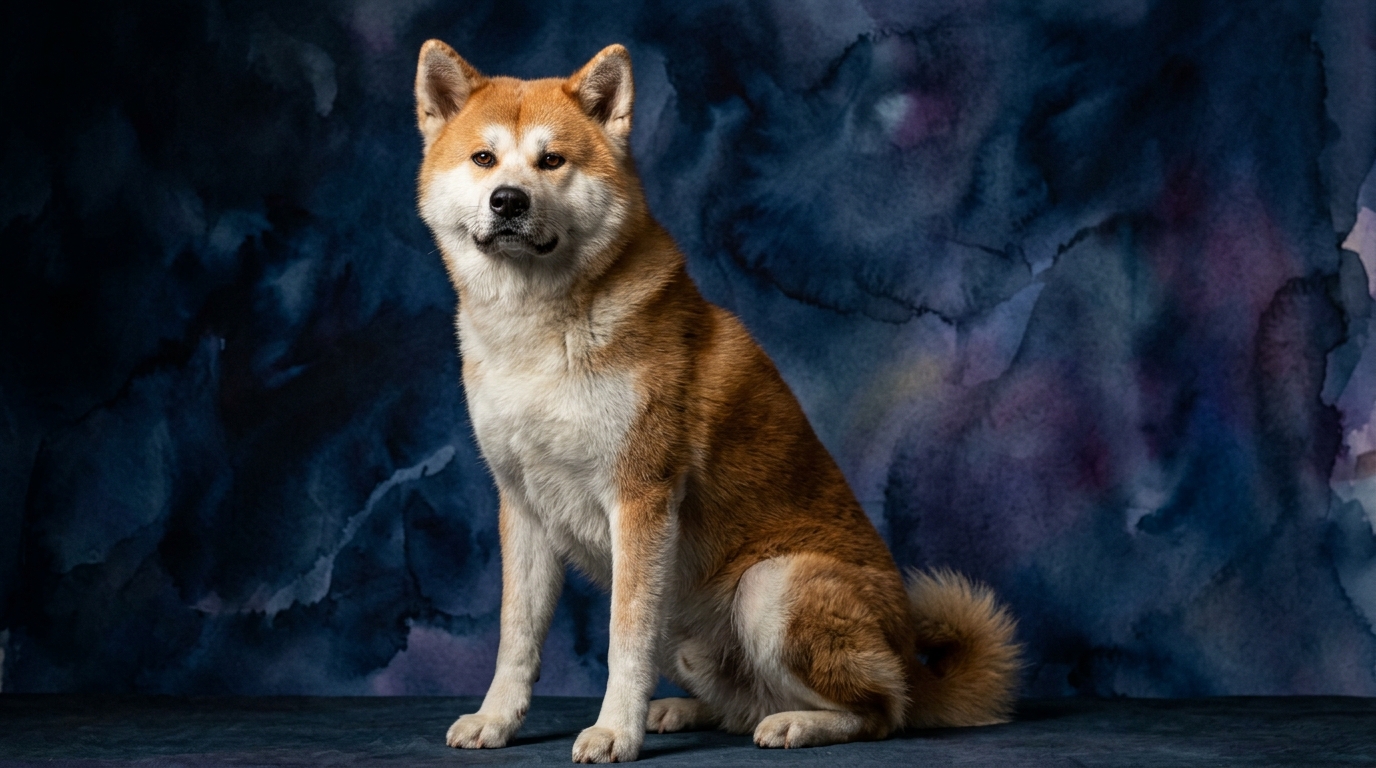

Side-by-Side IQ Profile
**Akita:**
**Problem Solving (3/5):** Akitas exhibit moderate independent problem-solving, often assessing situations and devising their own solutions rather than solely relying on human direction. This can manifest as cleverness in navigating obstacles or strategizing to achieve a desired outcome.
**Training Speed (2/5):** Their training speed score suggests a deliberate learning pace, often requiring more repetitions and consistent motivation. Akitas possess inherent independence, weighing commands against their own inclinations before complying.
**Social Intelligence (3/5):** A moderate level of social intelligence means Akitas form profound bonds with immediate family, understanding their dynamics. However, their reserved nature translates to less overt engagement with strangers, preferring observation.
**Instinctive Drive (5/5):** With a very strong instinctive drive, Akitas are deeply rooted in their heritage as guardians and hunters. These powerful innate behaviors, including territoriality and protection, significantly shape their actions and require consistent management.
**Memory (4/5):** Akitas possess a good capacity for memory, recalling training cues, past experiences, and specific individuals with clarity. This strong retention contributes to reliability once a behavior is learned, but also means they vividly remember negative interactions.
**Chinese Crested:**
**Problem Solving (3/5):** Chinese Cresteds also demonstrate a moderate ability to solve problems, often using their wits to navigate household challenges or cleverly solicit attention. They are adept at figuring out how to get to comfortable spots or manipulate situations.
**Training Speed (3/5):** Their training speed score indicates a moderate pace for learning, making them generally responsive and capable of picking up new commands with positive reinforcement. Their willingness to engage and desire for interaction facilitate a smoother training process.
**Social Intelligence (3/5):** Chinese Cresteds exhibit a moderate understanding of social cues, forming strong, affectionate bonds with their human families and displaying sensitivity to moods. They are typically attuned to household dynamics and enjoy being central to family activities.
**Instinctive Drive (3/5):** Possessing a moderate instinctive drive, the Chinese Crested’s innate behaviors lean more towards companionship and comfort rather than strong working roles. While they have curiosity, these instincts are generally less intense and more manageable than those in working breeds.
**Memory (3/5):** Chinese Cresteds have a moderate capacity for memory, allowing them to remember routines, learned behaviors, and familiar people. They can retain training over time and recognize regular visitors, contributing to consistent behavior within a stable environment.
Where Akita Wins Cognitively
The Akita's formidable cognitive strengths lie particularly in their instinctive drive and memory, areas where their ancestral purpose shines through. Their profound instinctive drive, rated 5/5, means they possess an unparalleled inherent awareness and motivation for guarding and protection. This isn't just a physical attribute; it's a cognitive framework that enables them to assess threats, establish boundaries, and act with a decisive self-reliance that few breeds can match, making them formidable protectors.
Furthermore, the Akita's superior memory, scoring 4/5, contributes significantly to their reliability and depth of character. They retain complex spatial information, remember specific training cues over extended periods, and hold onto past experiences – both positive and negative – with remarkable clarity. This cognitive faculty means an Akita learns deeply, building a robust internal map of their world and solidifying their understanding of commands, once truly ingrained, for a lifetime.
Where Chinese Crested Wins Cognitively
The Chinese Crested's cognitive profile reveals distinct advantages, particularly in their training speed and adaptable social engagement. With a training speed score of 3/5, they demonstrate a quicker receptiveness to learning new commands and a greater willingness to participate in cooperative training efforts compared to the Akita's more deliberate pace. This eagerness often stems from their strong desire for human interaction and approval, making them generally more pliable and rewarding in early obedience work.
Beyond specific training metrics, the Crested's overall moderate instinctive drive (3/5) allows for a more flexible cognitive approach to their environment. Unlike the Akita's powerful ingrained behaviors, the Crested is less burdened by strong territorial or protective impulses, enabling them to adapt more readily to varied social settings and household dynamics. Their cognitive energy is often directed towards forming close companion bonds and navigating their human-centric world with charming ingenuity, making them highly adaptable housemates.
Which is Easier to Train and Why
When evaluating ease of training, the Chinese Crested generally presents a more straightforward experience for most owners. Their training speed of 3/5 indicates a good aptitude for learning, coupled with a natural inclination to engage with their human companions. This willingness to cooperate, often motivated by positive reinforcement and a desire to please, means they typically pick up basic obedience commands more quickly and with fewer challenges. Their moderate instinctive drive (3/5) also means there are fewer deeply ingrained behaviors to redirect or manage, making them more adaptable to various training methods and environments.
Conversely, training an Akita, with its 2/5 training speed, requires a specific approach rooted in patience, consistency, and a deep understanding of their independent nature. Their formidable 5/5 instinctive drive means they possess strong opinions and a powerful sense of self-preservation or territoriality that can often override human directives. Akitas tend to question commands and require a compelling reason to comply, making early socialization and consistent, firm leadership essential to channel their innate drives constructively. Their excellent memory, while a cognitive strength, also means they vividly recall inconsistent training or negative experiences, which can complicate future learning.
Which Suits Active Owners vs Relaxed Owners
The Akita is unequivocally suited for active, experienced owners who embrace a lifestyle of engagement and structure. Their powerful instinctive drive (5/5) and robust physique demand consistent mental stimulation and physical exercise. These dogs thrive with owners committed to extensive, consistent training, providing outlets for their protective instincts through activities like advanced obedience, tracking, or simply long, purposeful walks. An Akita owner must be prepared to be a strong, consistent leader, understanding that this breed requires significant investment to channel their powerful cognitive and physical energies productively, preventing boredom and potential behavioral issues.
In contrast, the Chinese Crested aligns perfectly with more relaxed owners seeking an affectionate, less demanding companion. Their moderate instinctive drive (3/5) and smaller stature translate to lower exercise requirements, making them ideal for apartment living or owners with a less strenuous daily routine. While they enjoy play and short bursts of activity, their cognitive profile prioritizes comfort and close proximity to their human family. They are content to be lap dogs, enjoying quiet companionship and consistent routines, making them a wonderful choice for individuals or families who value a gentle, devoted presence without the need for intense physical or mental exertion.
The Verdict
For owners seeking a formidable, independent companion capable of deep loyalty and protective instincts, who are committed to extensive early socialization and consistent, firm training to channel their powerful drives, the Akita is a fitting choice.
For individuals or families desiring an affectionate, adaptable companion with moderate exercise needs, who will appreciate their gentle nature and willingness to engage in cooperative, positive reinforcement training, the Chinese Crested is an excellent match.
🧠 Find Your Pet's IQ Score
Our Pet IQ Lab assessment covers 25+ tests across 5 cognitive dimensions — personalized to your breed.
Take the Full IQ Test →Frequently Asked Questions
Do Akitas get along well with other pets?
Akitas possess a strong instinctive drive, including a potential prey drive and territoriality. Early, extensive socialization is critical for them to coexist peacefully with other pets, especially smaller ones, as their natural inclinations can be powerful.
Are Chinese Crested dogs prone to separation anxiety?
Chinese Crested dogs thrive on companionship and can develop separation anxiety if left alone for extended periods. Their social intelligence and desire for close proximity to their humans mean they prefer consistent interaction and may struggle with solitude.
How do their problem-solving abilities differ in daily life?
Both breeds score 3/5 in problem-solving, indicating a moderate capacity to figure things out. However, an Akita's solutions might involve independent action driven by instinct, like finding a way to patrol a perceived boundary, while a Chinese Crested might devise clever ways to get attention or access a comfortable spot.