Side-by-Side Cognitive Profiles
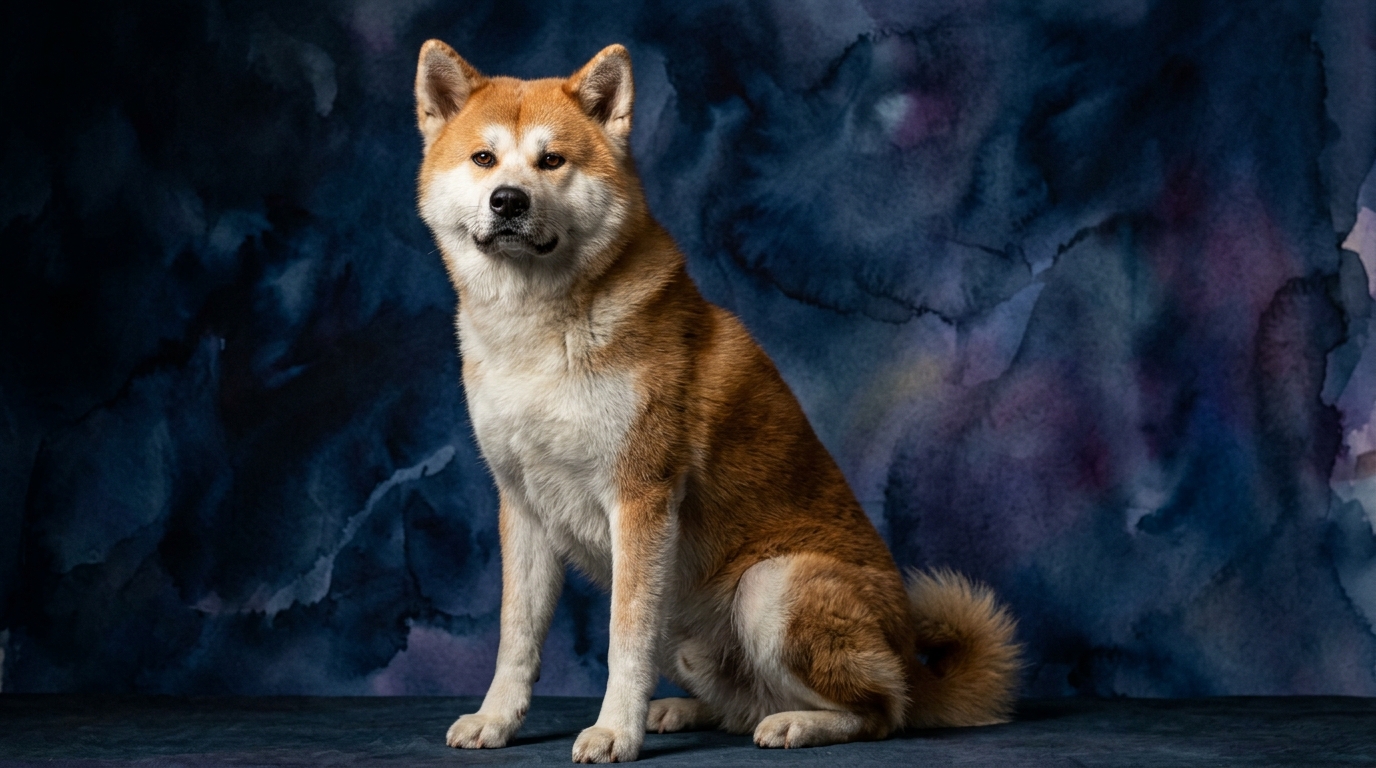
To understand the unique mental landscapes of the Akita and the Cirneco dell'Etna, we delve into five key cognitive dimensions. The Akita, classified as a Working breed and Coren-ranked at #54, possesses a Problem Solving score of 3/5, indicating competent adaptive skills though not necessarily a constant drive for novel solutions. Their Training Speed is 2/5, reflecting an independent spirit that requires patient, consistent motivation rather than eager compliance. Social Intelligence stands at 3/5, suggesting they can read social cues but often maintain a reserved demeanor, particularly with strangers. A prominent feature is their Instinctive Drive, scoring a commanding 5/5, pointing to deep-seated guarding and hunting behaviors. Finally, their Memory is strong at 4/5, allowing them to retain learned commands and experiences effectively.
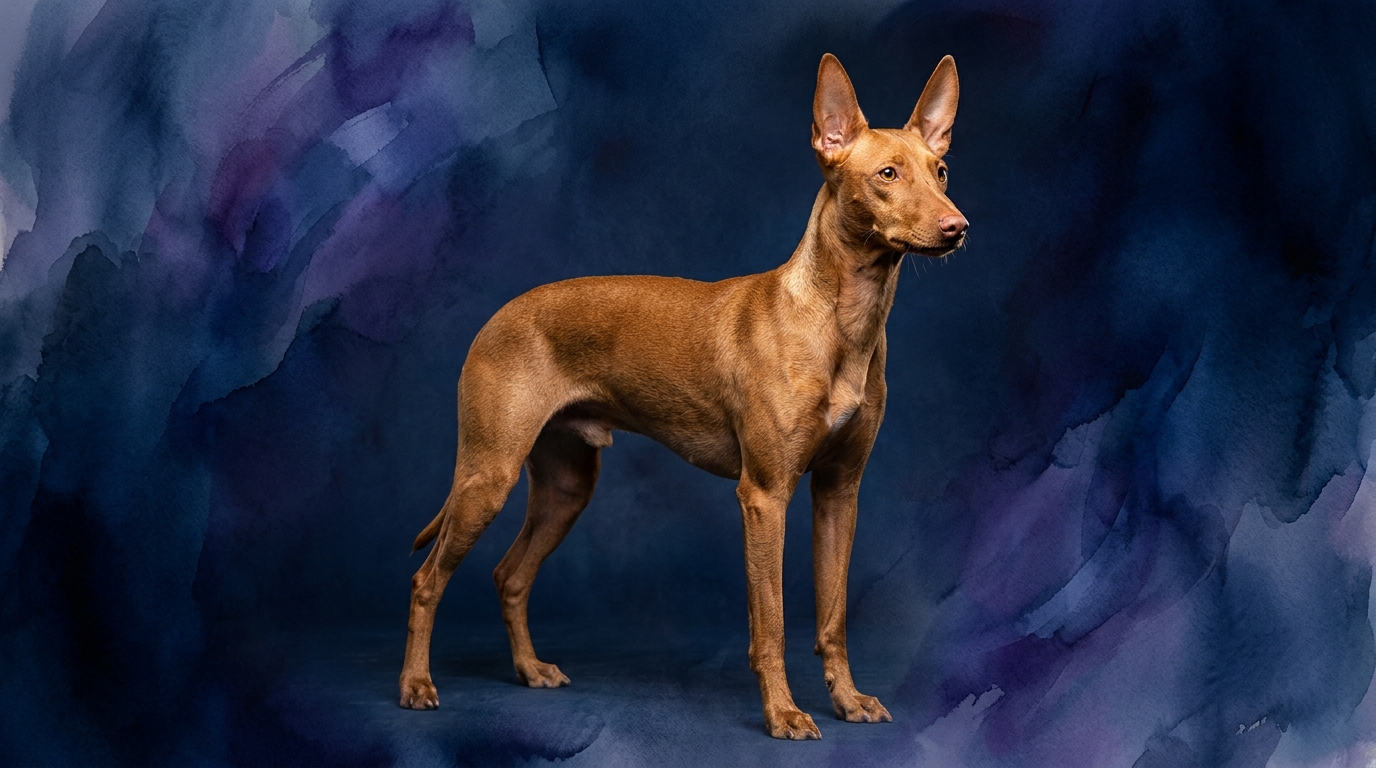
The Cirneco dell'Etna, a Hound breed not included in Coren's rankings, presents a slightly different cognitive tapestry. Their Problem Solving ability matches the Akita at 3/5, indicating practical resourcefulness, especially within their sighthound domain. Where they diverge is Training Speed, scoring 3/5, which suggests a more amenable disposition to learning new tasks compared to the Akita, though still possessing a sighthound's independent streak. Social Intelligence is also 3/5; they are generally affable but often prioritize their own interests or sensory input. Their Instinctive Drive is 3/5, primarily manifested as a strong prey drive, but it's less all-encompassing than the Akita's multifaceted instincts. Memory for the Cirneco dell'Etna is 3/5, signifying a solid but not exceptional capacity for recall and retention of experiences.
Where the Akita Demonstrates Cognitive Strengths
The Akita's cognitive architecture truly shines in two specific areas: Memory and Instinctive Drive. With a Memory score of 4/5, the Akita exhibits a superior capacity for retaining complex routines, understanding intricate household rules, and recalling past interactions or training cues over long periods. This robust memory contributes to their reliability once a command is truly ingrained, making them steadfast companions who rarely 'forget' what they've learned, whether it's the boundaries of their territory or a sequence of tricks. This enduring recall means that initial investment in training yields lasting results, fostering a deep, consistent understanding between dog and owner.
Furthermore, the Akita's Instinctive Drive, a formidable 5/5, is a profound cognitive asset when channeled appropriately. This isn't merely about raw instinct; it's about a deep-seated, unwavering commitment to their perceived roles, often involving protection or vigilance. This powerful drive translates into an exceptional ability to maintain focus on a task they deem important, whether it's guarding their family, patrolling their property, or even tracking. While it requires experienced guidance to manage, this intense drive underpins their renowned loyalty and purposeful demeanor, making them incredibly dedicated to their chosen 'work' and providing a sense of security that few other breeds can match.
Where the Cirneco dell'Etna Holds Cognitive Advantages
The Cirneco dell'Etna, while not boasting the same raw instinctive intensity as the Akita, presents distinct cognitive advantages, particularly in Training Speed. Scoring 3/5 in this dimension, the Cirneco is generally more receptive to learning new commands and behaviors with positive reinforcement. This means they are often quicker to pick up on cues and more willing to engage in training sessions, provided the methods are engaging and reward-based. Their slightly more pliable nature in a training context can make the initial stages of obedience work feel less like a negotiation and more like a collaborative effort, appealing to owners who seek a dog that responds with a bit more alacrity.
Another subtle cognitive edge for the Cirneco lies in the *nature* of its Instinctive Drive (3/5) compared to the Akita's (5/5). While both possess strong instincts, the Cirneco's primary drive is often focused on prey pursuit, which, while demanding, is arguably more singular and potentially easier to manage or mitigate in a domestic setting than the Akita's broader and more intense guarding instincts. This less overwhelming drive can result in a dog that is generally more adaptable to varied social situations and less prone to intense territoriality, making them cognitively more flexible in certain modern living environments. Their problem-solving (3/5) is particularly geared towards navigating complex terrains and outsmarting small game, a practical intelligence that makes them agile thinkers in dynamic outdoor settings.
Training Dynamics: Akita vs. Cirneco dell'Etna
When it comes to training, the cognitive profiles of these two breeds dictate vastly different approaches and expectations. The Akita, with a Training Speed of 2/5 and an Instinctive Drive of 5/5, presents a significant training challenge for many. Their independence means they don't inherently strive to please, instead evaluating commands based on their own perceived utility or interest. This can manifest as a deliberate 'Akita stare' where they consider if a command is worth their effort, rather than immediately complying. Successful Akita training requires immense patience, unwavering consistency, and creative motivation, often leveraging their strong memory (4/5) to build reliable habits over time. Owners must be prepared for a dog that learns, but on its own terms and timeline, demanding clear leadership and fair boundaries to manage their powerful natural drives.
The Cirneco dell'Etna, with a Training Speed of 3/5 and a less intense Instinctive Drive (3/5), is generally considered more tractable in training. While still possessing the sighthound's characteristic independence and a strong prey drive, they are often more responsive to positive reinforcement and less resistant to learning new tasks. Their problem-solving (3/5) and social intelligence (3/5) mean they can understand what is being asked of them and respond adequately, especially if the training is framed as a fun game or involves chasing. However, their memory (3/5) is not as robust as the Akita's, meaning consistent reinforcement is still crucial to prevent skills from fading. Owners will find the Cirneco eager to engage in short, stimulating sessions, but may need to work harder to maintain focus against environmental distractions like squirrels or blowing leaves.
Matching Breeds to Lifestyles: Active vs. Relaxed Owners
The cognitive and temperamental differences between the Akita and Cirneco dell'Etna make them suitable for distinct owner lifestyles. The Akita's profound Instinctive Drive (5/5) and reserved Social Intelligence (3/5) mean they thrive with experienced, patient, and consistent owners who understand and appreciate their independent, protective nature. They are not dogs for the faint of heart or those seeking a universally friendly, highly biddable companion. Ideal Akita owners are often those who lead a structured life, can provide ample mental and physical stimulation that respects their guarding instincts, and are comfortable with a dog that forms deep bonds with its family but remains aloof with strangers. They suit owners who value a majestic, self-assured presence and are prepared for the significant commitment required to manage their powerful physical and mental attributes.
Conversely, the Cirneco dell'Etna, with its moderate Instinctive Drive (3/5), quicker Training Speed (3/5), and agile problem-solving, is better suited for active owners who enjoy engaging with their dog in dynamic pursuits. These are not 'relaxed' dogs in the sense of being couch potatoes; they require regular opportunities to run, chase, and explore, satisfying their sighthound heritage. Owners who enjoy activities like lure coursing, agility, or long, secure off-leash runs will find a joyful partner in a Cirneco. While they are affectionate with their families, their independence means they are also content to entertain themselves, making them suitable for owners who appreciate a dog that can transition from energetic play to calm companionship, provided their exercise needs are met. They fit owners who seek a spirited, intelligent companion for an active, yet not overly demanding, lifestyle.
The Verdict
Choose an Akita if you are an experienced, patient owner seeking a deeply loyal and protective companion with a formidable presence and strong, purposeful instincts, prepared for consistent training and management.
Opt for a Cirneco dell'Etna if you are an active owner looking for an agile, spirited, and generally more biddable sighthound for dynamic activities, understanding their independent streak and strong prey drive.
🧠 Find Your Pet's IQ Score
Our Pet IQ Lab assessment covers 25+ tests across 5 cognitive dimensions — personalized to your breed.
Take the Full IQ Test →Frequently Asked Questions
Is an Akita's guarding instinct trainable?
An Akita's powerful instinctive drive (5/5) for guarding is inherent, not something to be 'trained out,' but rather managed and channeled. Early socialization and consistent, firm training can help an Akita discern appropriate protective behaviors, ensuring they are vigilant without being overly aggressive or fearful towards non-threats.
Do Cirneco dell'Etna dogs have good recall despite their sighthound nature?
While Cirneco dell'Etna dogs possess a strong prey drive and enjoy chasing, their 3/5 Training Speed means they can develop reliable recall with consistent, positive reinforcement training from a young age. However, owners must always be mindful of their instinctual desire to pursue moving objects, especially in unfenced areas, as even the best recall can be challenged by a strong lure.
Which breed is better for a multi-pet household?
The Akita's reserved social intelligence (3/5) and strong instinctive drive (5/5) often mean they prefer to be the sole canine or require careful, early socialization to coexist with other pets, especially those of the same sex. The Cirneco dell'Etna, while still independent, generally possesses a more adaptable social intelligence (3/5) and less intense guarding instincts, often making them a more suitable choice for multi-pet households, particularly if introduced thoughtfully.