Side-by-Side IQ Profile: Akita vs. Gordon Setter
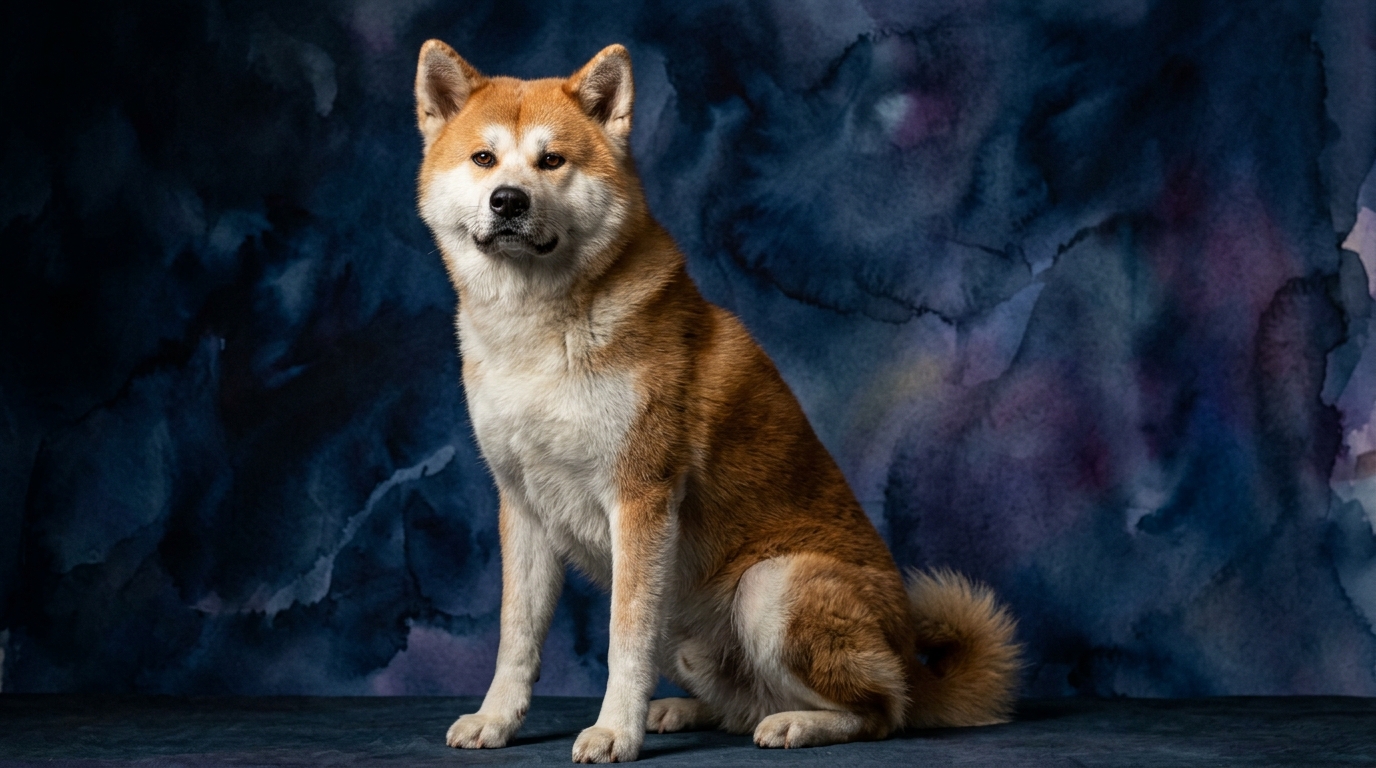
At The Cosmic Pet Pet IQ Lab, we delve beyond simple rankings to understand the nuanced cognitive landscape of each breed. For the Akita, a Working breed ranked #54 by Coren, its mental makeup is forged by centuries of guardianship and hunting large game. Its Problem Solving is rated 3/5, indicating a preference for established patterns over rapid novel solutions, often relying on direct action. Training Speed scores 2/5, reflecting a deep independence and a requirement for significant patience and consistency from its handler. Social Intelligence stands at 3/5, suggesting discerning bonds within its family unit and a reserved demeanor with strangers. A formidable Instinctive Drive of 5/5 highlights its unwavering commitment to perceived duties, whether guarding or pursuing prey. Finally, its Memory is a strong 4/5, allowing it to retain experiences, commands, and routines with clarity.
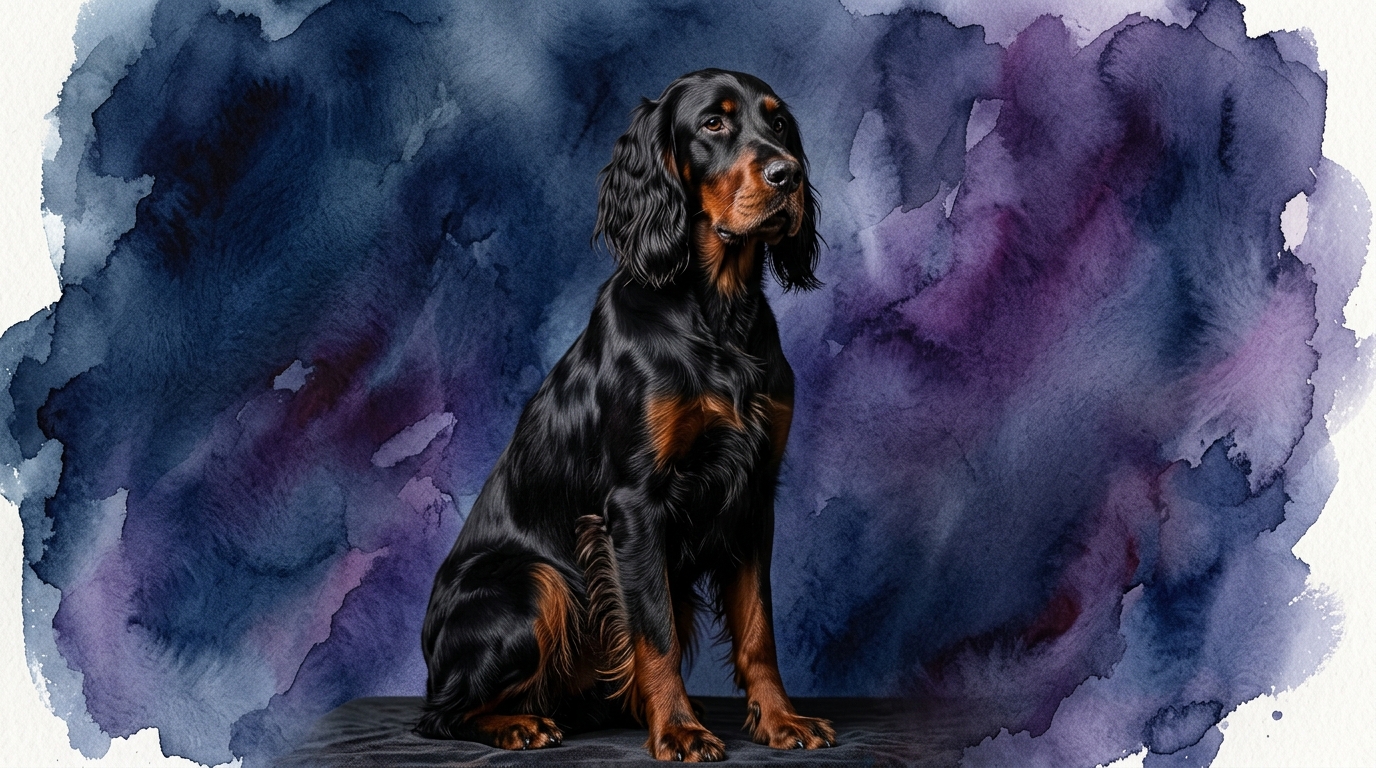
The Gordon Setter, a Sporting breed with a Coren rank of #39, exhibits a different set of cognitive strengths tailored for cooperative fieldwork. Its Problem Solving capability is rated 4/5, showing a greater aptitude for adapting to new situations and figuring out solutions through trial and error, particularly in task-oriented scenarios. Training Speed also scores 4/5, indicating a quicker grasp of new commands and a general eagerness to engage in learning alongside its handler. Its Social Intelligence, like the Akita, is 3/5, suggesting a good but not exceptional ability to read human cues, often being amiable but sensitive. The Instinctive Drive for the Gordon Setter is 3/5, present and focused on its pointing and retrieving heritage, yet more refined than the Akita's intense drive. A robust Memory of 4/5 ensures it consistently performs learned sequences and recalls past interactions, crucial for complex field work.
Where the Akita Wins Cognitively
The Akita’s most pronounced cognitive strength lies in its exceptional instinctive drive, scoring a perfect 5/5. This isn't just a physical attribute; it's a deep-seated mental framework that enables unwavering focus and commitment to its perceived duties, whether guarding a home or tracking game. This intense internal compass means an Akita will pursue a task with formidable resolve, often independently, making them reliable in situations demanding sustained, self-directed effort. Coupled with a robust 4/5 memory, this breed excels at recalling established boundaries, routines, and perceived threats, allowing them to consistently apply their strong instincts to protect their territory and family with singular devotion. Their memory ensures that once a pattern of behavior or a perceived threat is registered, it remains firmly imprinted, contributing to their steadfast, almost unyielding nature in their roles.
Where the Gordon Setter Wins Cognitively
Conversely, the Gordon Setter shines with a superior capacity for problem-solving and a faster training speed. Scoring 4/5 in problem-solving, this breed demonstrates a more agile and adaptive mind when faced with novel challenges. They are more inclined to experiment with different approaches to achieve a goal, rather than relying solely on brute force or ingrained patterns. This cognitive flexibility makes them adept at navigating complex environments, such as varied hunting terrains, and quickly adjusting their strategies. Their 4/5 training speed further highlights this mental agility; they process new commands and associate actions with outcomes more rapidly than the Akita. This quicker comprehension and willingness to engage in cooperative learning makes them highly receptive to instruction, allowing for the faster acquisition of a diverse repertoire of behaviors and skills.
Which is Easier to Train and Why
Based on their cognitive profiles, the Gordon Setter is demonstrably easier to train for the average owner. Their 4/5 training speed signifies a natural eagerness to learn and a quicker grasp of new commands. They are typically more attuned to their handler's cues and derive satisfaction from working cooperatively. This contrasts sharply with the Akita's 2/5 training speed, which reflects a profound independence and a tendency to evaluate commands before complying. An Akita's formidable 5/5 instinctive drive means they often have their own agenda, stemming from deep-seated guardian or prey instincts, which can override a handler's request if it conflicts with their internal priorities. Training an Akita demands immense patience, unwavering consistency, and a deep understanding of their independent spirit, often requiring motivation strategies that appeal to their self-interest rather than a desire to please. The Gordon Setter, with its more moderate instinctive drive (3/5) and higher willingness to engage, will generally respond to positive reinforcement methods with greater enthusiasm and faster progress.
Which Suits Active Owners vs. Relaxed Owners
The choice between an Akita and a Gordon Setter largely depends on an owner's lifestyle and their willingness to engage with specific cognitive demands. Active owners who enjoy extensive outdoor activities, particularly those involving tracking, retrieving, or long hikes, will find a compatible partner in the Gordon Setter. Their problem-solving acumen and moderate instinctive drive make them excellent companions for varied adventures, and their higher training speed means they can quickly learn the etiquette required for different environments. They thrive on mental and physical engagement, and a relaxed owner might find their need for activity challenging to meet. Conversely, the Akita, with its profound instinctive drive and lower training speed, is better suited for owners who appreciate a more independent, discerning companion and are prepared for a consistent, patient approach to training and socialization. While Akitas benefit from regular exercise, their cognitive profile doesn't demand the same high-intensity, cooperative engagement as a Setter. A more relaxed owner, who values a watchful, steadfast presence and is content with structured, routine activities, might find the Akita's temperament aligns better with their pace, provided they understand and respect the breed's need for consistent leadership and mental stimulation appropriate to its guardian nature.
The Verdict
Choose the Akita if you seek a vigilant, steadfast companion whose profound instinctive drive provides a powerful sense of purpose and protection, and you are prepared for a dedicated, patient training journey.
Opt for the Gordon Setter if you desire an agile, cooperative partner for active pursuits, appreciating a quicker learning curve and a more adaptable approach to problem-solving in varied environments.
🧠 Find Your Pet's IQ Score
Our Pet IQ Lab assessment covers 25+ tests across 5 cognitive dimensions — personalized to your breed.
Take the Full IQ Test →Frequently Asked Questions
Does the Akita's 5/5 instinctive drive make them difficult to live with?
The Akita's strong instinctive drive means they possess deep-seated behaviors related to guarding and prey, which require careful management and early socialization. While this drive contributes to their loyalty and protective nature, it also necessitates consistent training to channel these instincts appropriately and ensure they are well-adjusted in a domestic setting.
How does the Gordon Setter's Coren rank of #39 compare to the Akita's #54?
The Coren rank indicates a breed's working and obedience intelligence, with lower numbers suggesting quicker learning of new commands. The Gordon Setter's higher ranking at #39 suggests it learns new commands more readily than the Akita at #54, aligning with its faster training speed observed in our IQ profile.
Can an Akita be trained as effectively as a Gordon Setter?
Yes, an Akita can be trained effectively, but it requires a different approach and more patience due to its lower training speed and strong independent streak. While a Gordon Setter might learn a command in fewer repetitions, an Akita, once trained consistently, will remember it due to its strong memory, though its compliance might always be more discerning.