Side-by-Side Cognitive Profiles
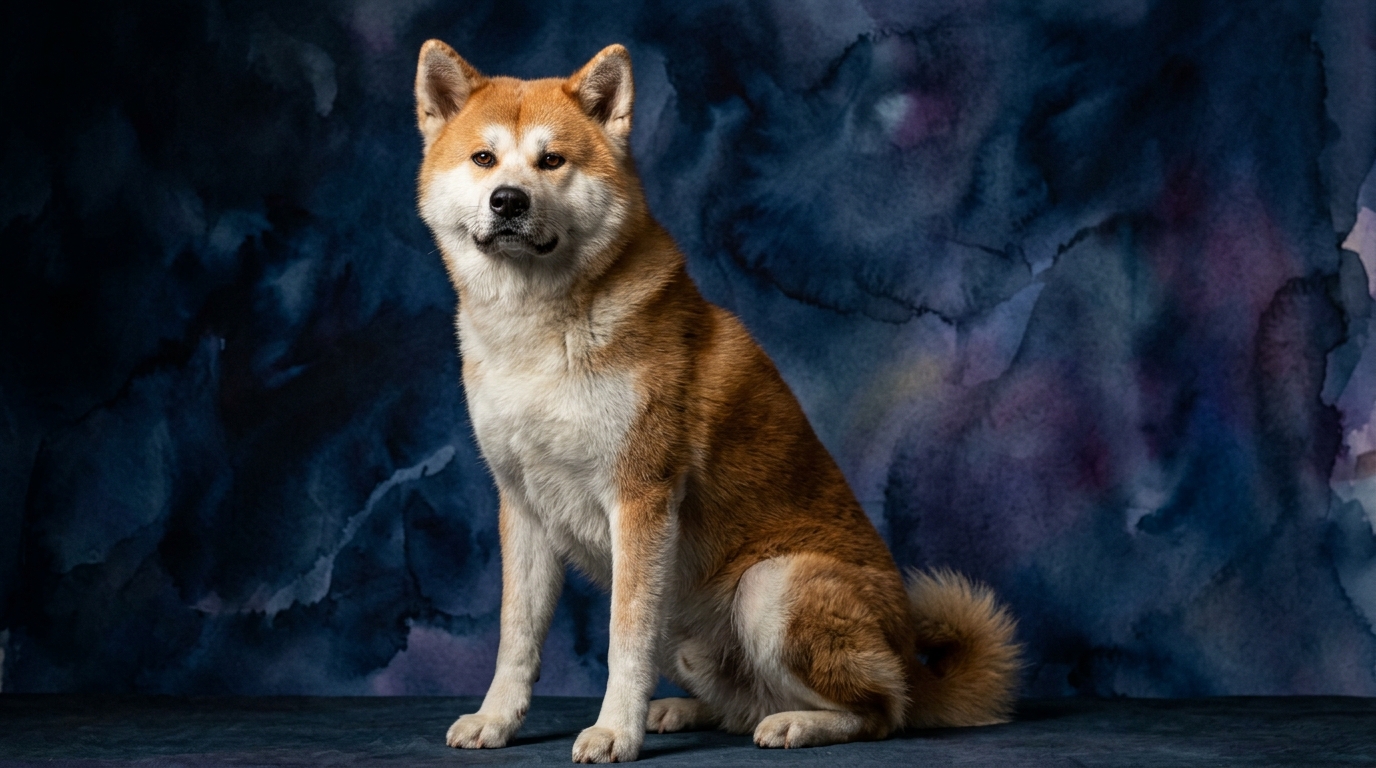
The Akita, with a Coren rank of 54, falls into the average working intelligence category, a placement that often reflects its independent spirit more than a lack of cognitive prowess. Its problem-solving ability, rated 3/5, signifies a dog capable of devising solutions, frequently through self-reliance rather than consistent human guidance. Training speed, at 2/5, indicates that Akita companions demand significant patience and consistent, engaging methods, as they are not inherently driven by a desire to please and may critically assess the value of a command. Their social intelligence, also 3/5, highlights their aptitude for understanding the dynamics within their immediate family unit, yet they can be reserved or indifferent towards strangers and other animals. A defining characteristic is their instinctive drive, rated 5/5, manifesting as profoundly ingrained protective and territorial instincts, which are central to their behavioral makeup. Finally, their memory, at 4/5, ensures they retain learned behaviors and experiences, both positive and negative, over extended periods, contributing to their consistent and often predictable character.
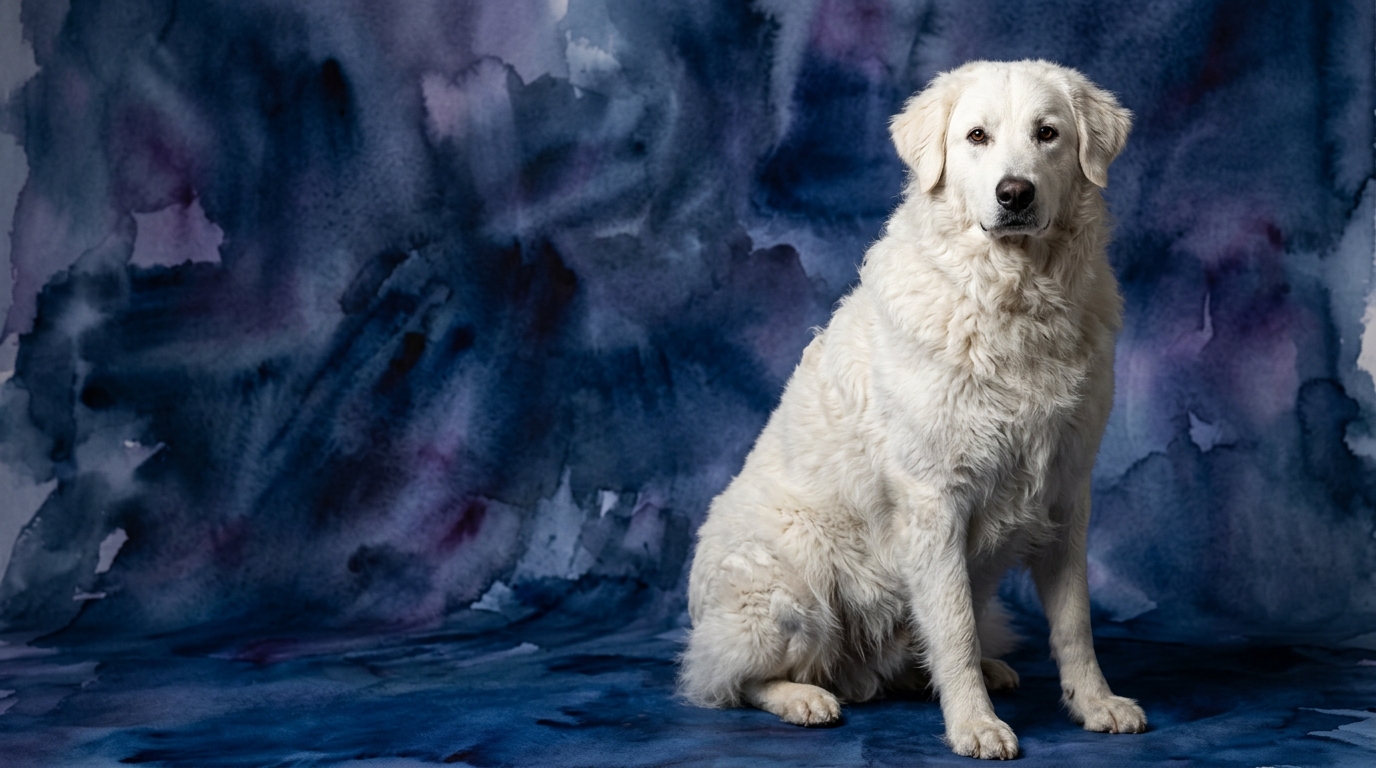
The Kuvasz, holding a Coren rank of 42, positions it higher than the Akita in working intelligence, suggesting a marginally quicker comprehension of new commands and a greater capacity for structured obedience. Its problem-solving score of 3/5 is on par with the Akita, underscoring a similar aptitude for independent thought, a trait historically vital in its role as a livestock guardian where self-sufficiency in threat assessment was paramount. The Kuvasz's training speed, at 3/5, points to a moderate learning pace; they are generally more receptive to instruction than the Akita, provided a strong, trusting bond is cultivated with their handler. Social intelligence, also 3/5, emphasizes their ability to perceive social nuances within their family and immediate environment, a critical skill for a discerning guardian. Their instinctive drive, rated 3/5, is robust but perhaps less overtly dominant than the Akita's, tending to manifest as a watchful, protective presence rather than an aggressive drive. Like the Akita, the Kuvasz also possesses a strong memory, rated 4/5, enabling them to effectively recall training, routines, and specific individuals or situations requiring their protective attention.
Where the Akita Demonstrates Cognitive Strengths
The Akita’s exceptional instinctive drive, scoring 5/5, translates into a profound vigilance and territoriality that is unmatched; their internal programming for protection is exceptionally robust. This isn't merely a physical trait but a cognitive prioritization of security, making them formidable independent decision-makers in guarding scenarios. Their solutions to perceived threats are often deeply rooted in this powerful internal compass. Furthermore, their superior memory, rated 4/5, combined with this intense drive, means they retain specific details about perceived threats or intruders, leading to highly consistent protective behavior. This deep cognitive recall aids them in remembering boundaries, past interactions, and who belongs within their established territory, reinforcing their role as an unwavering sentinel. This combination of powerful instinct and enduring memory creates a dog that is consistently alert and protective, acting on well-retained information about its environment and inhabitants.
Where the Kuvasz Demonstrates Cognitive Strengths
The Kuvasz’s higher Coren rank of 42, compared to the Akita’s 54, suggests a quicker understanding of new commands and a greater capacity for obedience, indicating a slightly more pliable cognitive framework for structured learning. This numerical difference is not trivial; it points to a dog that can process and respond to human instruction with marginally greater efficiency. Their training speed, rated 3/5, further supports this, indicating a greater openness to learning from human instruction than the Akita. This slight advantage in receptiveness can make a tangible difference in the pace of training and the breadth of commands a Kuvasz can master with less repetition, fostering a more collaborative learning environment. While their social intelligence is rated similarly, the Kuvasz's protective role often requires a nuanced understanding of its flock and environment, which manifests as a broad, vigilant awareness rather than the Akita's more intense, focused assessment of specific 'threats.' This broader cognitive scanning allows them to be effective guardians in a diverse range of situations.
Training Dynamics: Akita vs. Kuvasz
When it comes to ease of training, the Kuvasz generally presents a more receptive disposition. Its Coren rank of 42 and Training Speed of 3/5 indicate a learner that, while independent, is more inclined to cooperate with a trusted handler. They possess an underlying desire to please their human family, making them more amenable to consistent, positive reinforcement techniques. Kuvasz dogs respond well to established routines and clear expectations, often viewing training as a collaborative effort to fulfill their protective role. Their protective instincts are typically channeled through cooperation, making them adaptable to structured learning environments where they can apply their cognitive skills to serve their family.
The Akita, conversely, presents a more challenging training experience. With a Coren rank of 54 and a Training Speed of 2/5, they are characterized by a powerful independence and a tendency towards stubbornness. Their profound instinctive drive (5/5) often takes precedence over a desire for human approval, leading them to question the utility of commands if they don't perceive an immediate benefit. Training an Akita demands immense patience, unwavering consistency, and innovative techniques that make learning intrinsically rewarding for them, as they are less inclined to perform simply 'because you said so.' Their strong memory (4/5) also means they vividly recall negative training experiences or inconsistencies, which can make recovery and re-engagement in training more arduous. Akitas require an owner who understands and respects their strong will, turning training into a negotiation rather than a simple command-and-response.
Matching Breeds to Lifestyles: Active vs. Relaxed Owners
Both the Akita and Kuvasz are working breeds that demand significant engagement, albeit in distinct ways, making neither suitable for truly relaxed owners seeking a low-maintenance companion. An Akita suits owners who are actively involved in providing consistent mental stimulation and structured physical activity beyond casual walks. Their profound instinctive drive necessitates outlets, often best channeled through challenging obedience work, scent detection, or tasks that engage their natural guarding tendencies. They require an owner who is cognitively 'active' in understanding and managing their deep-seated drives and independent decision-making.
A Kuvasz, while also needing an active owner, thrives with individuals who can provide ample space for patrolling and exercise, aligning with their historical role as a livestock guardian. Their protective nature is best expressed when they have a 'territory' to oversee, which often translates into a more watchful, patrolling type of movement rather than high-intensity bursts. While mental engagement is crucial, their activity often revolves around surveying their environment and maintaining a vigilant presence. For an owner who might be slightly less 'hands-on' with daily rigorous training but can provide a secure property and consistent presence, a Kuvasz might adapt better than an Akita, whose strong will demands constant, active guidance and mental challenge.
The Verdict
Choose an Akita if you appreciate a dog with profound independent thought and a powerful, unwavering protective instinct, and are prepared for a consistent, patient training journey that respects their strong will.
Opt for a Kuvasz if you desire a perceptive guardian with a slightly more cooperative learning disposition, thriving in a role where they can survey and protect their family and property with a watchful presence.
🧠 Find Your Pet's IQ Score
Our Pet IQ Lab assessment covers 25+ tests across 5 cognitive dimensions — personalized to your breed.
Take the Full IQ Test →Frequently Asked Questions
Is the Akita or Kuvasz more prone to aggression?
Both breeds possess strong protective instincts that can be misconstrued as aggression if not properly managed and socialized. The Akita's higher instinctive drive (5/5) means its guarding tendencies are often more intense and direct, requiring careful handling, while the Kuvasz's protection (3/5) is typically more a watchful, discerning presence. Proper early socialization and consistent training are crucial for both to channel these drives appropriately, ensuring they are discerning guardians rather than reactive.
How do their memory capabilities impact daily life?
Both breeds have a strong memory (4/5), meaning they retain training, routines, and experiences effectively. For the Akita, this can mean remembering past negative encounters or training inconsistencies, making corrections difficult. For the Kuvasz, it reinforces their understanding of family members, perceived threats, and the boundaries of their protective duties, contributing to their consistent guardianship. This strong memory makes early positive experiences and consistent training paramount for both.
Can either breed live with other pets?
Living with other pets requires careful consideration and extensive early socialization for both breeds. The Akita's very high instinctive drive (5/5) and potential for prey drive can make interactions with smaller animals challenging, and they often prefer to be the sole canine. The Kuvasz, with a slightly lower instinctive drive (3/5), might tolerate other animals, especially if raised with them, but their guardian nature can still lead to dominance issues with unfamiliar dogs. Introducing either breed to an existing multi-pet household requires significant planning and supervision.