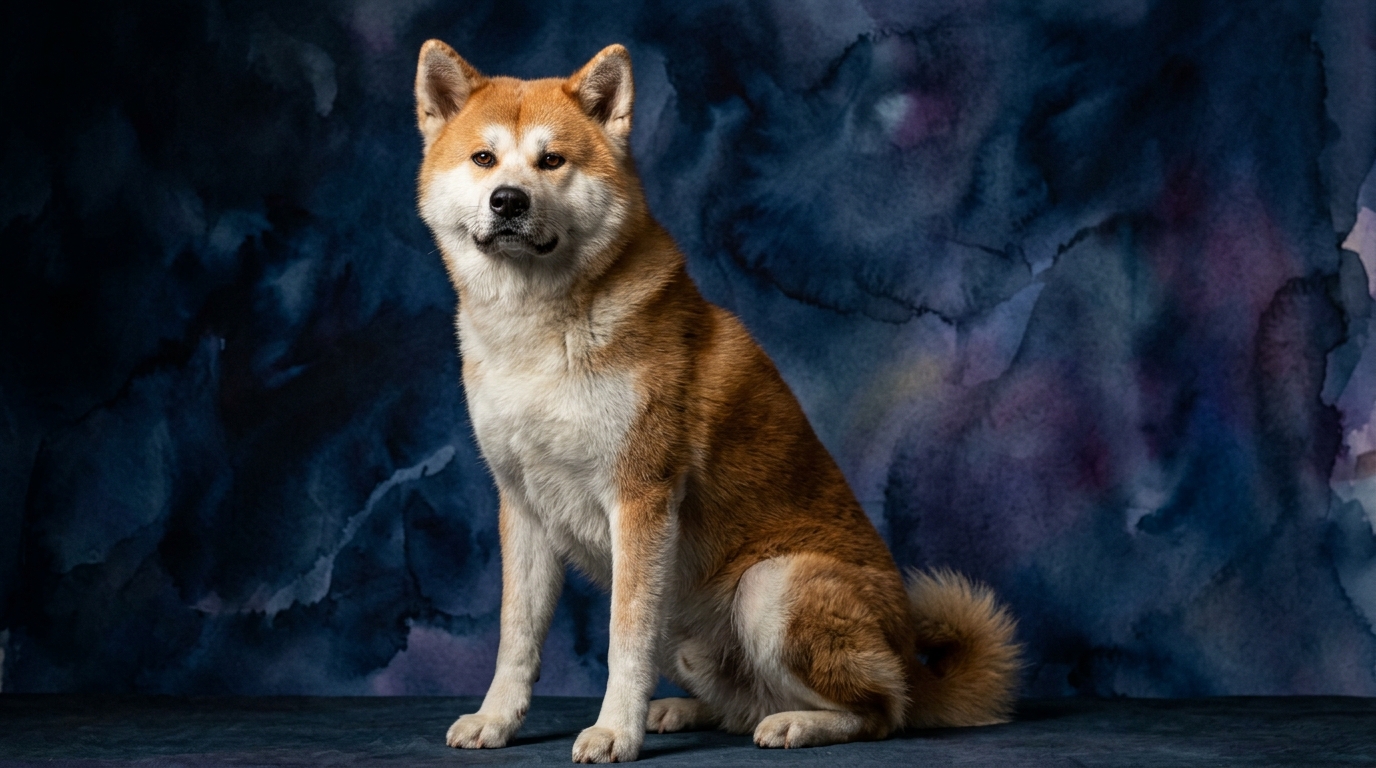

Side-by-Side Cognitive Profiles: Akita vs. Leonberger
Understanding a dog's cognitive makeup goes beyond simple obedience, delving into how they perceive, learn, and interact with the world. The Akita, originating from mountainous Japan, and the Leonberger, a majestic German breed, offer distinct blueprints in their cognitive strengths and approaches to life.
For the Akita, problem-solving registers at a 3 out of 5, indicating a capacity for intelligent solutions, often executed with a pronounced independent streak rather than an eagerness to please. Their training speed is a 2 out of 5, reflecting a need for consistent, patient instruction to overcome their self-assured nature. Social intelligence stands at 3 out of 5, meaning they grasp family dynamics deeply but can be reserved or even aloof with strangers and other animals. A powerful instinctive drive of 5 out of 5 underscores their strong guarding and prey instincts, demanding careful management. Finally, their memory is a robust 4 out of 5, ensuring they retain both learned behaviors and experiences vividly over time.
The Leonberger presents a slightly different cognitive picture, beginning with problem-solving at a 3 out of 5, where their approach is often more considered and aligned with human direction. Their training speed scores a 3 out of 5, suggesting they are generally more amenable to learning and respond well to positive reinforcement. Social intelligence also sits at a 3 out of 5, but for the Leonberger, this often translates to a broad tolerance and gentle demeanor, making them generally more adaptable in varied social settings. Their instinctive drive is a moderate 3 out of 5, indicating protective tendencies without the intense prey drive seen in some working breeds. Memory for the Leonberger is a solid 3 out of 5, allowing them to recall commands and routines reliably.
Where the Akita's Cognition Excels
The Akita's cognitive profile reveals several areas where their unique mental architecture shines, particularly for owners who appreciate a dog's profound independence and unwavering resolve. Their superior memory, rated at 4 out of 5 compared to the Leonberger's 3 out of 5, means an Akita will retain learned behaviors and experiences with remarkable clarity, forming deep-seated connections to training, people, and places. This strong memory can be a double-edged sword, making early positive experiences crucial, as negative ones are also not easily forgotten.
Furthermore, the Akita's instinctive drive, a powerful 5 out of 5, while demanding, represents a peak of focused purpose. This drive translates into an unparalleled tenacity and an inherent understanding of their role, whether as a guardian or a devoted companion, often expressed through a deep-seated vigilance and a readiness to act on their perceptions. Their independent problem-solving, though sometimes perceived as stubbornness in training, is a testament to their capacity for self-reliance; an Akita isn't just following orders but often evaluating situations and making their own judgments, a trait that can be invaluable in certain protective scenarios. This cognitive independence means they aren't just reacting, but actively processing and often preempting situations based on their strong instincts and memory.
Where the Leonberger's Cognition Stands Out
The Leonberger's cognitive strengths lean towards a more cooperative and adaptable mental framework, making them particularly appealing for those seeking a harmonious family companion. Their training speed, at 3 out of 5 compared to the Akita's 2 out of 5, highlights a greater readiness to engage with instruction and a generally more eager-to-please disposition. This quicker learning curve means they often pick up new commands and routines with fewer repetitions, fostering a smoother training experience.
While both breeds score 3 out of 5 in social intelligence, the Leonberger’s manifestation typically involves a broader, more tolerant social approach. They tend to be more accepting of new people and other animals when properly socialized, demonstrating a gentle curiosity rather than the Akita's inherent reservation. This makes them generally more versatile in diverse social environments, from dog parks to family gatherings. Moreover, their moderated instinctive drive of 3 out of 5, as opposed to the Akita’s 5 out of 5, means their protective instincts are present but less overwhelming. This translates to fewer challenges related to prey drive or intense guarding behaviors, allowing for a more relaxed integration into a typical family setting without constant vigilance over their inherent drives. Their problem-solving, also a 3 out of 5, is often applied in a way that seeks resolution in cooperation with their human companions, rather than through independent, sometimes defiant, means.
Ease of Training: Behavioral Differences Compared
When it comes to ease of training, the Leonberger generally presents a more straightforward path for most owners due to several key cognitive differences. Their training speed of 3 out of 5, coupled with a naturally more biddable temperament, means they are typically more responsive to commands and more eager to participate in training sessions. Leonbergers often thrive on positive reinforcement, viewing training as a cooperative activity that strengthens their bond with their human. They are less likely to challenge authority or question the purpose of a command, making consistency more rewarding for both dog and owner.
In contrast, the Akita's training speed of 2 out of 5 reflects their profound independence and often strong-willed nature. An Akita might understand a command but choose not to comply if they don't perceive it as beneficial or necessary, or if their deep-seated instincts override the instruction. Their remarkable memory (4/5) means that any negative or inconsistent training experiences can become firmly ingrained, making corrections or re-training more challenging. For instance, if an Akita learns that a particular command can be ignored without immediate consequence, that pattern of behavior can be difficult to undo. Managing the Akita's high instinctive drive (5/5), which includes strong prey and guarding tendencies, also adds a layer of complexity to their training, requiring diligent socialization and consistent boundary setting from an early age to ensure safe and appropriate behavior in varied environments. The Leonberger's more moderate instinctive drive (3/5) generally simplifies this aspect of training, as there are fewer powerful innate behaviors to manage or redirect.
Matching Breeds to Owner Lifestyles: Active vs. Relaxed
The suitability of an Akita or a Leonberger for active versus relaxed owners hinges less on sheer physical exercise needs—both are large, robust breeds requiring regular activity—and more on the type of mental engagement and behavioral management an owner is prepared to provide.
Active owners, particularly those who enjoy structured training, consistent leadership, and mentally stimulating challenges, might find the Akita a profoundly rewarding companion. An Akita thrives with an owner who understands their independent nature and can channel their high instinctive drive (5/5) into productive outlets, such as advanced obedience, tracking, or protection work, rather than just physical exercise. These dogs need an owner who can consistently reinforce boundaries and provide clear, confident guidance to manage their strong will and protective instincts. The Akita’s problem-solving (3/5) often manifests as independent thought, requiring an owner who appreciates this self-reliance and can work with it rather than against it. They are not dogs for casual obedience; they demand an engaged, knowledgeable handler ready for a lifelong commitment to their unique cognitive landscape.
Conversely, the Leonberger often suits owners who, while active, appreciate a more relaxed and cooperative companion. Their moderate instinctive drive (3/5) and higher training speed (3/5) make them generally more adaptable to a variety of family lifestyles, including those with a less rigid training regimen. A Leonberger still needs regular exercise and mental stimulation to prevent boredom, but their eager-to-please nature means they are often content with daily walks, playtime in the yard, and family outings rather than intense, specialized work. They are more forgiving of minor inconsistencies in training and generally possess a more laid-back demeanor once their needs are met. Owners who prefer a gentle giant that integrates smoothly into family life, requiring consistent but less intensely challenging guidance, will likely find the Leonberger an ideal match. Their social intelligence (3/5), leaning towards broad acceptance, also makes them more suitable for owners who frequently host guests or visit public places.
The Verdict
For owners seeking a profoundly loyal, independent, and protective companion who are prepared for consistent, patient training and management of strong natural instincts, the Akita thrives with clear leadership and a defined role, forming an unbreakable bond with those who earn their respect.
For families desiring a gentle, devoted giant who is generally more adaptable, eager to please, and suited to a variety of social situations, the Leonberger offers a warm, tolerant presence that integrates smoothly into a loving home, provided they receive early socialization and consistent, positive guidance.
🧠 Find Your Pet's IQ Score
Our Pet IQ Lab assessment covers 25+ tests across 5 cognitive dimensions — personalized to your breed.
Take the Full IQ Test →Frequently Asked Questions
Is an Akita hard to train?
An Akita can be challenging to train due to their strong independence and self-assured nature, reflected in their 2/5 training speed. They require consistent, patient, and positive reinforcement from an experienced owner who understands their need for clear leadership and purpose.
Are Leonbergers good with other pets?
Leonbergers generally exhibit good social intelligence and a tolerant nature, making them often suitable for homes with other pets when properly socialized from a young age. Their moderate instinctive drive means they are less prone to intense prey drive compared to some other working breeds.
Which breed is better for first-time dog owners?
The Leonberger is generally a more suitable choice for first-time dog owners due to their higher training speed and more biddable temperament. Their eager-to-please nature and moderate instinctive drive make them more forgiving and easier to manage than the Akita's independent and strong-willed personality.