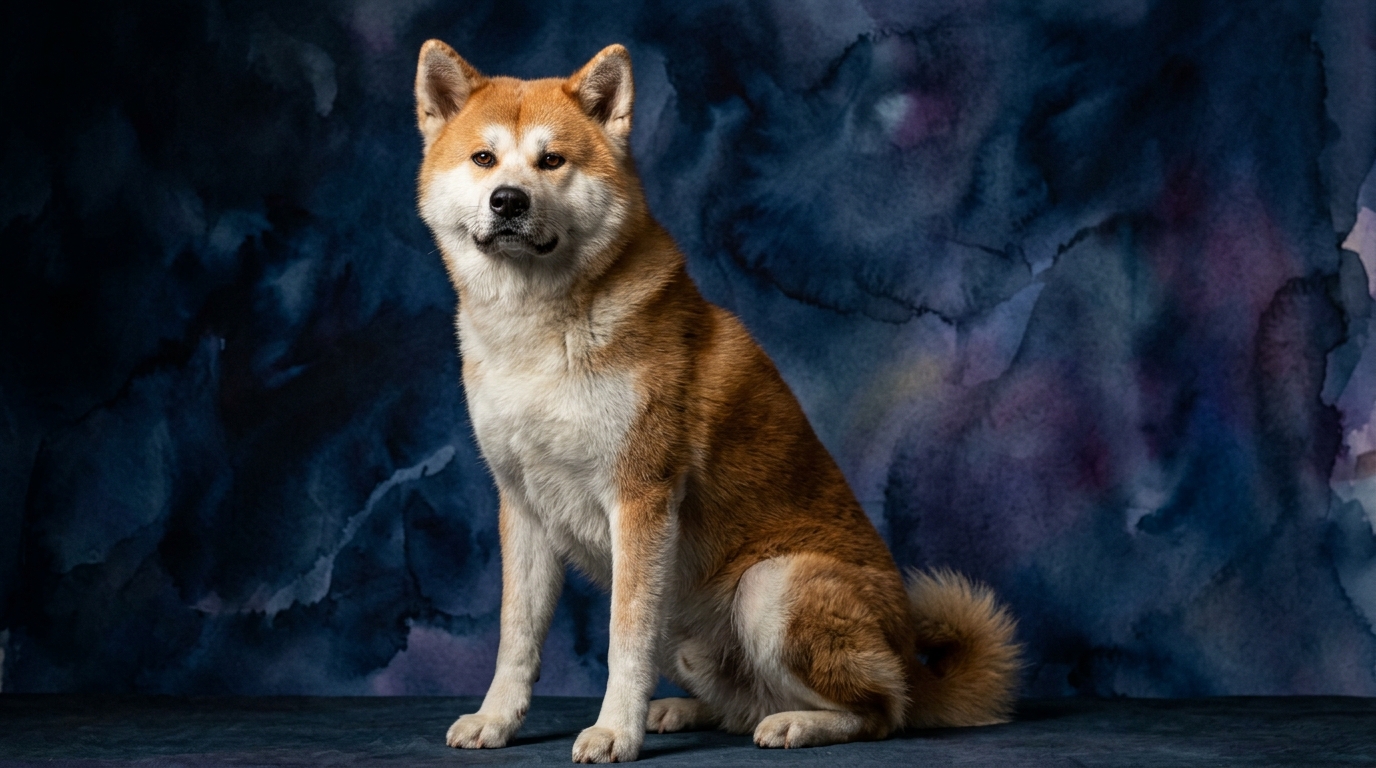

Side-by-Side IQ Profile: Akita vs. Manchester Terrier
**Akita (Working Group, Coren Rank #54):** The Akita demonstrates moderate ingenuity in navigating new challenges (Problem Solving 3/5). They possess the capacity to analyze situations and devise solutions, particularly when motivated by a clear objective or threat, often relying on their strong protective instincts to guide their choices. Their independent nature means Akitas generally require more repetitions and consistent, patient reinforcement during training (Training Speed 2/5); they aren't quick to adopt new commands and often weigh the perceived value of compliance. Akitas exhibit a moderate degree of social awareness (Social Intelligence 3/5); while deeply loyal to their immediate family, they are often reserved and discerning with strangers and other animals, preferring a select social circle. This breed possesses an exceptionally strong instinctive drive (Instinctive Drive 5/5), particularly in guarding, hunting, and protection, shaping much of their behavior and decision-making. Lastly, Akitas have a robust memory (Memory 4/5), recalling experiences, training, and social interactions with significant retention, contributing to their consistency.
**Manchester Terrier (Terrier Group, Not Coren-Ranked):** The Manchester Terrier shares a similar problem-solving capacity with the Akita, showing moderate cleverness (Problem Solving 3/5). They are adept at figuring out how to achieve their goals, often employing their terrier tenacity and resourcefulness to overcome obstacles, especially if it involves chasing or exploring. With a slightly higher training speed (Training Speed 3/5), Manchester Terriers typically pick up new commands and routines more readily than Akitas; their eagerness to engage and their desire for interaction can make them more receptive to learning. Like the Akita, Manchester Terriers also display moderate social intelligence (Social Intelligence 3/5); they are affectionate with their families and can be outgoing, but their terrier nature can lead to selectivity with other dogs and a cautiousness with unfamiliar people. Their instinctive drive (Instinctive Drive 3/5), while present, is moderate compared to the Akita; as terriers, they possess a defined prey drive and a propensity for digging and chasing, but these drives are typically less overwhelming. Manchester Terriers have a moderate memory capacity (Memory 3/5), recalling training and routines effectively, though perhaps not with the same depth or long-term retention as an Akita.
Where the Akita Wins Cognitively
The Akita's cognitive profile truly shines in its profound instinctive drive and superior memory. Their 5/5 instinctive drive means they possess an unparalleled inherent aptitude for guarding and protection, making them acutely aware of their surroundings and any perceived threats. This deep-seated cognitive program allows them to assess situations for danger and react with decisive, often independent, action, requiring minimal instruction for these roles. Complementing this is their 4/5 memory, which ensures that lessons, both positive and negative, are deeply ingrained. An Akita remembers specific commands, past experiences, and social dynamics with remarkable clarity. This strong recall makes them consistent in established routines and reliable in remembering who belongs, further solidifying their role as a steadfast protector. These combined strengths allow them to operate with a sophisticated, self-directed competence.
Where the Manchester Terrier Wins Cognitively
The Manchester Terrier demonstrates a distinct cognitive advantage in training speed, rating 3/5 compared to the Akita's 2/5. This higher receptiveness translates directly into a more fluid and engaging learning process, as Manchester Terriers tend to grasp new concepts and commands with fewer repetitions. Their moderate instinctive drive (3/5) also plays a role here; while they certainly possess a terrier's zest for life and an inclination to chase, these drives are generally less overwhelming than the Akita's intense protective instincts. This balance allows them to focus more readily on human instruction without being as intensely consumed by intrinsic motivations. Consequently, a Manchester Terrier is often more amenable to redirection and can transition between tasks more smoothly, making initial training stages less demanding and more rewarding for owners seeking quicker results and greater versatility.
Which Is Easier to Train and Why
Based on their cognitive profiles, the Manchester Terrier is generally easier to train than the Akita. The Manchester Terrier's training speed of 3/5 indicates a quicker uptake of commands and a greater willingness to engage in structured learning sessions. Their inherent enthusiasm and desire to please, coupled with a moderate instinctive drive, allow them to focus on the handler with fewer distractions. They are more likely to respond positively to varied training methods and can progress through obedience levels at a more rapid pace, requiring fewer repetitions for commands like "stay."
Conversely, the Akita's training speed of 2/5 reflects a more independent and discerning approach to learning. Their robust 5/5 instinctive drive for guarding often means they prioritize their own assessment of a situation over immediate compliance, especially if they perceive a conflict. An Akita might understand a command but choose not to execute it if it doesn't align with their internal logic or perceived priority. This requires a trainer to be exceptionally patient, consistent, and creative in demonstrating the value of compliance, often employing high-value rewards and building trust over a longer period. Their execution of learned behaviors can be contingent on their mood and perceived worth of the task.
Cognitive Profiles and Owner Lifestyles
Understanding the cognitive blueprints of these two breeds helps align them with appropriate owner lifestyles. The Akita, with its profound instinctive drive (5/5) and strong memory (4/5), thrives with owners prepared for consistent, highly engaged management. Their territorial instincts and protective nature mean they require an owner who actively manages their environment, social interactions, and reinforces boundaries with unwavering consistency. While they enjoy regular, moderate exercise, their cognitive needs lean towards mental stimulation that respects their independent decision-making and provides a clear, stable hierarchy. An Akita suits an owner who is assertive, patient, and committed to a long-term relationship built on trust and mutual respect, valuing a dog that thinks for itself and acts as a steadfast guardian.
The Manchester Terrier, with its moderate instinctive drive (3/5) and higher training speed (3/5), is generally better suited for owners who enjoy a more interactive and adaptable companion. Their terrier energy means they require consistent physical activity, but their cognitive profile makes them more amenable to structured training and participation in dog sports like agility or obedience. They suit active owners who want to engage their dog in various activities and appreciate a quicker response to commands. While they possess a terrier's independent streak, their overall cognitive makeup allows for greater flexibility in training and a more straightforward integration into diverse household routines. They are a good fit for owners seeking an energetic, responsive companion who enjoys learning new things and can adapt more readily to different social settings, provided their moderate prey drive is managed.
The Verdict
Choose an Akita if you seek a deeply loyal, independent guardian with a formidable memory and strong protective instincts, and you are prepared for consistent, patient management of its self-assured nature.
Opt for a Manchester Terrier if you desire a spirited, adaptable companion who is quicker to train, enjoys interactive activities, and offers a balance of terrier tenacity and responsiveness.
🧠 Find Your Pet's IQ Score
Our Pet IQ Lab assessment covers 25+ tests across 5 cognitive dimensions — personalized to your breed.
Take the Full IQ Test →Frequently Asked Questions
Is the Akita truly difficult to train?
The Akita isn't necessarily difficult, but their independent nature and strong instinctive drive mean they require more patience and consistency in training. They learn at a slower pace and often need to perceive the value of a command before complying, prioritizing their own judgment in situations.
How does the Manchester Terrier's instinctive drive manifest?
The Manchester Terrier's moderate instinctive drive primarily manifests as a keen prey drive, leading to an inclination for chasing small animals and digging. While present, these drives are generally more manageable and less intense than the Akita's profound guarding instincts, allowing for easier redirection during training.
Can a Manchester Terrier live in an apartment?
Yes, a Manchester Terrier can thrive in an apartment if their exercise and mental stimulation needs are consistently met. Their moderate size and adaptability, combined with their higher training speed, make them suitable for urban living, provided they receive daily walks, playtime, and engaging activities to channel their energy.