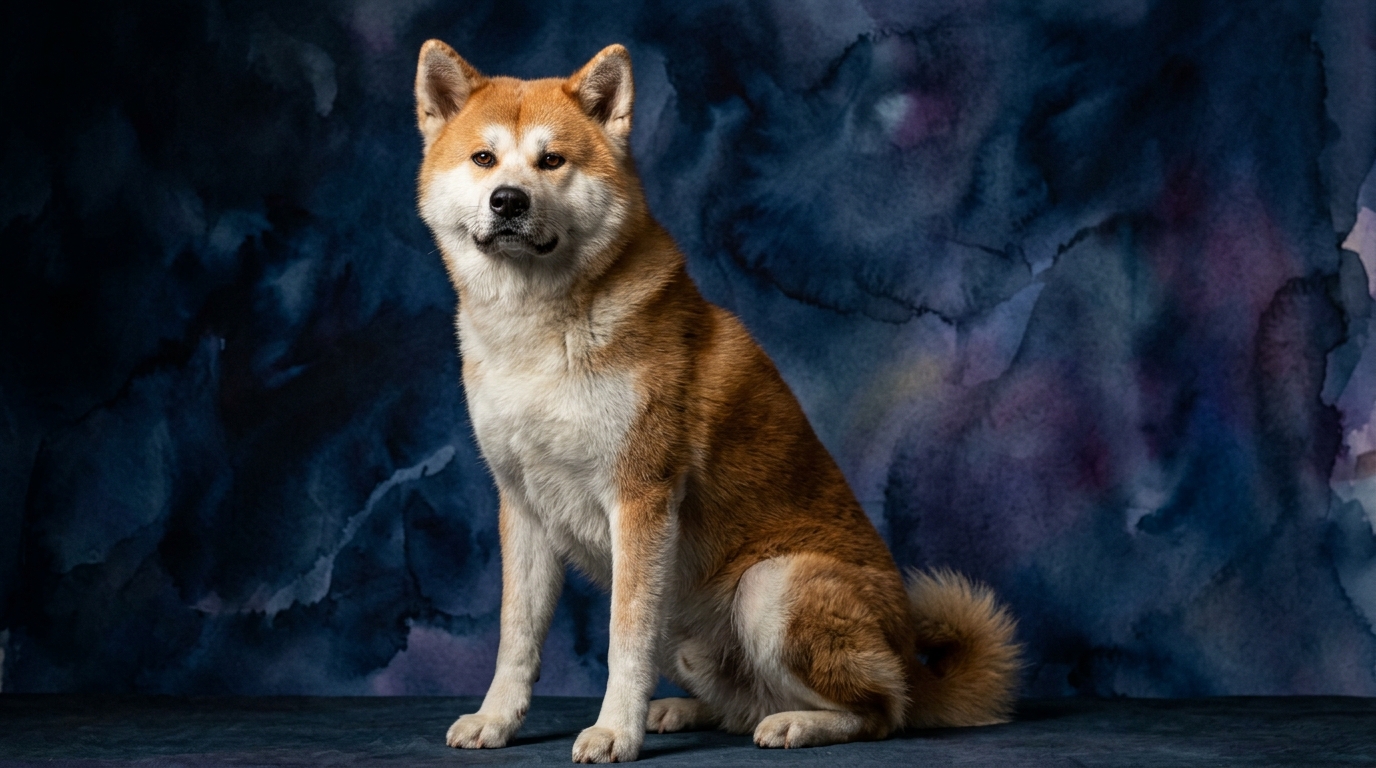

Side-by-Side IQ Profile: Akita vs. Mastiff
At The Cosmic Pet Pet IQ Lab, we dissect canine cognition across five key dimensions. Understanding these specific scores helps illuminate the unique mental landscapes of the Akita and the Mastiff.
Problem Solving (Akita 3/5, Mastiff 3/5): This dimension assesses a dog's ability to navigate novel situations or overcome obstacles without direct human intervention. Both the Akita and the Mastiff score a moderate 3 out of 5, indicating they possess a functional capacity for independent thought. An Akita might quickly devise a plan to access a desired item, leveraging its memory of past solutions. A Mastiff approaches puzzles with a more deliberate, observational strategy before acting, less driven by immediate high-energy impulse.
Training Speed (Akita 2/5, Mastiff 3/5): Training speed measures how quickly a dog grasps and consistently performs new commands or routines. The Akita’s 2/5 score reflects its need for significant repetition and a clear, perceived benefit for compliance, often acting on its own logic rather than rote instruction. The Mastiff’s 3/5 score indicates a quicker grasp of new commands, showing a greater willingness to engage in structured learning and respond to positive reinforcement, making initial training stages smoother.
Social Intelligence (Akita 3/5, Mastiff 3/5): This dimension reflects a dog's ability to understand and respond appropriately to human social cues, emotional states, and complex social interactions. Both breeds score 3/5, signifying a solid understanding of human social cues and emotions, though without excessive outward demonstration. An Akita subtly observes its family's moods, reacting with nuanced behavioral shifts. A Mastiff similarly processes human intentions, expressing understanding through calm, deliberate actions, providing comfort or guarding as deemed necessary.
Instinctive Drive (Akita 5/5, Mastiff 3/5): Instinctive drive measures the strength of innate, breed-specific behaviors such as guarding, prey drive, or territoriality. The Akita’s formidable 5/5 score highlights a profound, ingrained drive for protection and territoriality, meaning they are highly self-motivated to act on these impulses. The Mastiff’s 3/5, while still indicating strong guardian instincts, expresses these with more restraint and less immediate intensity, often waiting for clearer triggers before acting.
Memory (Akita 4/5, Mastiff 3/5): Memory gauges a dog's capacity to recall past experiences, learned commands, and associations over time. The Akita’s 4/5 score signifies impressive recall of training, routines, and specific events, both positive and negative, contributing to consistency but also potential for long-held grudges. The Mastiff’s 3/5 provides reliable memory for daily routines and learned commands, though perhaps without the same depth for nuanced events as the Akita.
Where the Akita Wins Cognitively
The Akita's cognitive advantages are most evident in its supreme instinctive drive (5/5) and robust memory (4/5). This powerful drive translates into an unmatched self-reliance and initiative, making them exceptional at tasks demanding independent decision-making and vigilant protection without constant human oversight. Their strong memory ensures that once a behavior or boundary is learned, it is retained with remarkable consistency, fostering deep-seated understanding. This ability to vividly recall past experiences, both good and bad, allows for complex adaptive learning and shapes their future responses profoundly.
Where the Mastiff Wins Cognitively
The Mastiff distinguishes itself with a higher training speed (3/5) and a more moderate instinctive drive (3/5). This combination makes them generally more amenable to structured learning, readily picking up new commands and routines with greater cooperation than the Akita. Their less overwhelming instinctive impulses mean they are more receptive to human direction, allowing for a more flexible and adaptable training experience. This cognitive profile makes the Mastiff particularly well-suited for owners who value a dog that integrates smoothly into household routines and responds consistently to taught behaviors, without the strong independent streak of an Akita.
Which is Easier to Train and Why?
The Mastiff generally proves easier to train due to its higher training speed (3/5) and more moderate instinctive drive (3/5). They often display a greater willingness to please and absorb new commands with fewer repetitions, making traditional positive reinforcement highly effective. Their less intense natural drives mean they are less likely to act on independent impulses conflicting with training goals, fostering better compliance. Conversely, the Akita's lower training speed (2/5) and exceptionally high instinctive drive (5/5) demand significant patience. Akitas require a clear rationale for compliance, often prioritizing their own logic, and their strong innate urges necessitate a partnership approach to training that guides rather than dictates.
Which Suits Active Owners vs. Relaxed Owners?
The Akita, with its formidable 5/5 instinctive drive and 4/5 memory, thrives with active owners who provide consistent mental engagement and structure to channel their strong inherent motivations. These dogs require a "job" or purpose, whether guarding or advanced obedience, to prevent self-directed, undesirable behaviors. Owners must commit to regular training, puzzle activities, and opportunities for independent thought. In contrast, the Mastiff, with its 3/5 instinctive drive and 3/5 memory, suits more relaxed owners. While still needing exercise and mental stimulation, their needs are less intense. Their higher training speed and cooperative nature make them adaptable to consistent, yet less demanding, routines, providing a loyal, steadfast presence without constantly seeking high-intensity engagement.
The Verdict
Choose an Akita if you are an experienced owner seeking an independent, highly perceptive guardian with a formidable memory, ready to invest deeply in consistent, engaging training that respects their strong instinctive drives.
Opt for a Mastiff if you desire a gentle giant with a steady temperament, appreciating a cooperative training partner and a loyal, calm presence that integrates smoothly into a consistent home environment.
🧠 Find Your Pet's IQ Score
Our Pet IQ Lab assessment covers 25+ tests across 5 cognitive dimensions — personalized to your breed.
Take the Full IQ Test →Frequently Asked Questions
Do Akitas exhibit stubbornness due to their cognitive profile?
Akitas are often perceived as stubborn, which stems from their strong instinctive drive (5/5) and lower training speed (2/5). They are highly independent thinkers who need to understand the purpose or benefit of a command, rather than blindly complying, requiring patient and consistent training.
How does the Mastiff's social intelligence impact its interaction with strangers?
The Mastiff's social intelligence (3/5), combined with its guardian instincts, means they are typically reserved with strangers. They will observe new people carefully, assessing intentions, and are unlikely to be immediately friendly or outgoing, preferring to remain watchful and calm.
Can a Mastiff be trained for complex tasks despite its moderate memory score?
Yes, a Mastiff can certainly be trained for complex tasks. While their memory score of 3/5 is reliable, their higher training speed (3/5) allows them to efficiently pick up new information, and consistent practice will solidify complex sequences, making them capable of various advanced commands or roles.