Side-by-Side Cognitive Profile
The Cosmic Pet Pet IQ Lab's data provides a detailed look into the distinct cognitive landscapes of the Akita and Miniature Poodle, highlighting their core intellectual attributes.
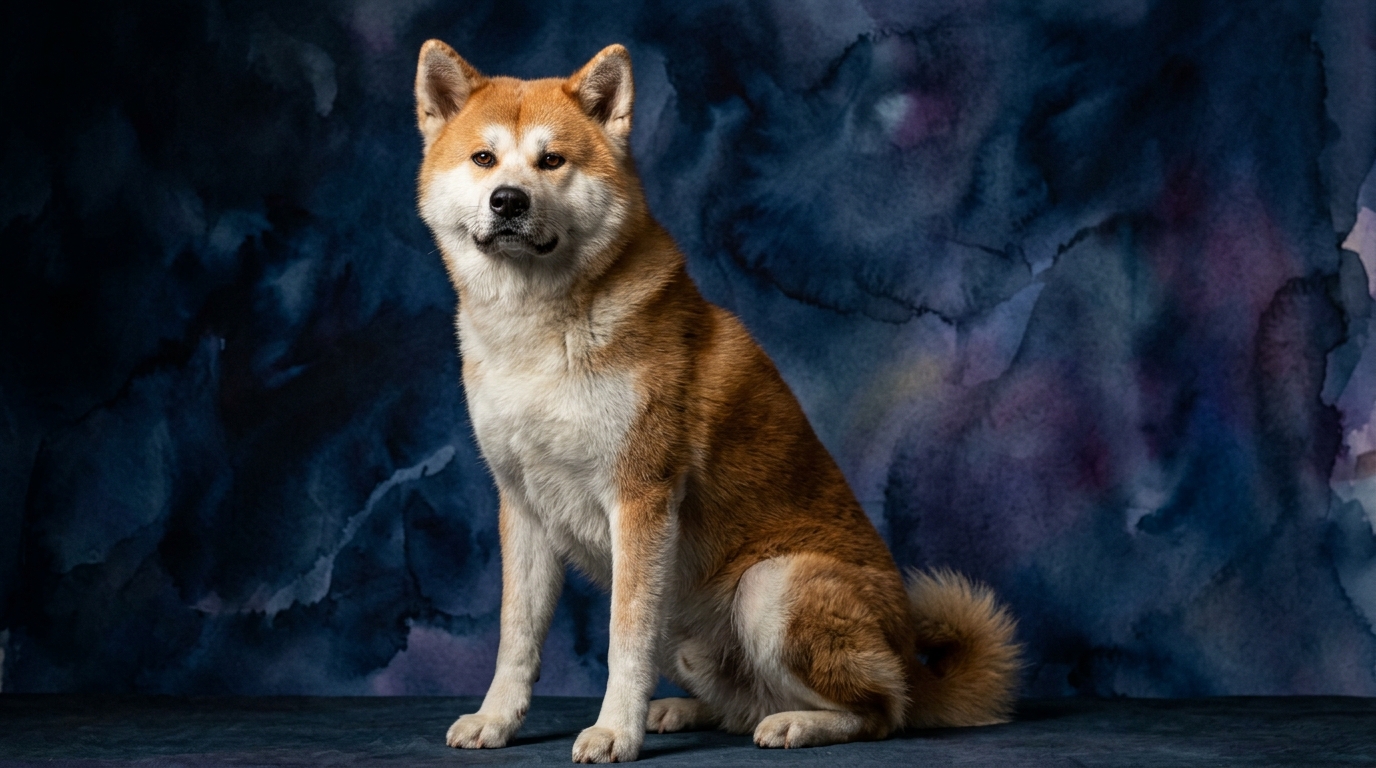
**Akita (Coren Rank #54, Working Group)**: This breed exhibits a unique blend of independence and loyalty, reflected in their cognitive scores. Their Problem Solving is rated 3/5, indicating a methodical approach to familiar challenges, but less spontaneous innovation for novel ones. Training Speed is 2/5, suggesting that learning new commands requires significant patience and consistent motivation due to their self-reliant nature. Social Intelligence stands at 3/5, signifying a discerning social circle and deep bonds with trusted individuals, but often reservedness towards strangers. Where they truly excel is in Instinctive Drive, scoring 5/5, showcasing profound guarding instincts and territorial awareness. Their Memory is also robust at 4/5, ensuring long-term retention of routines and experiences.
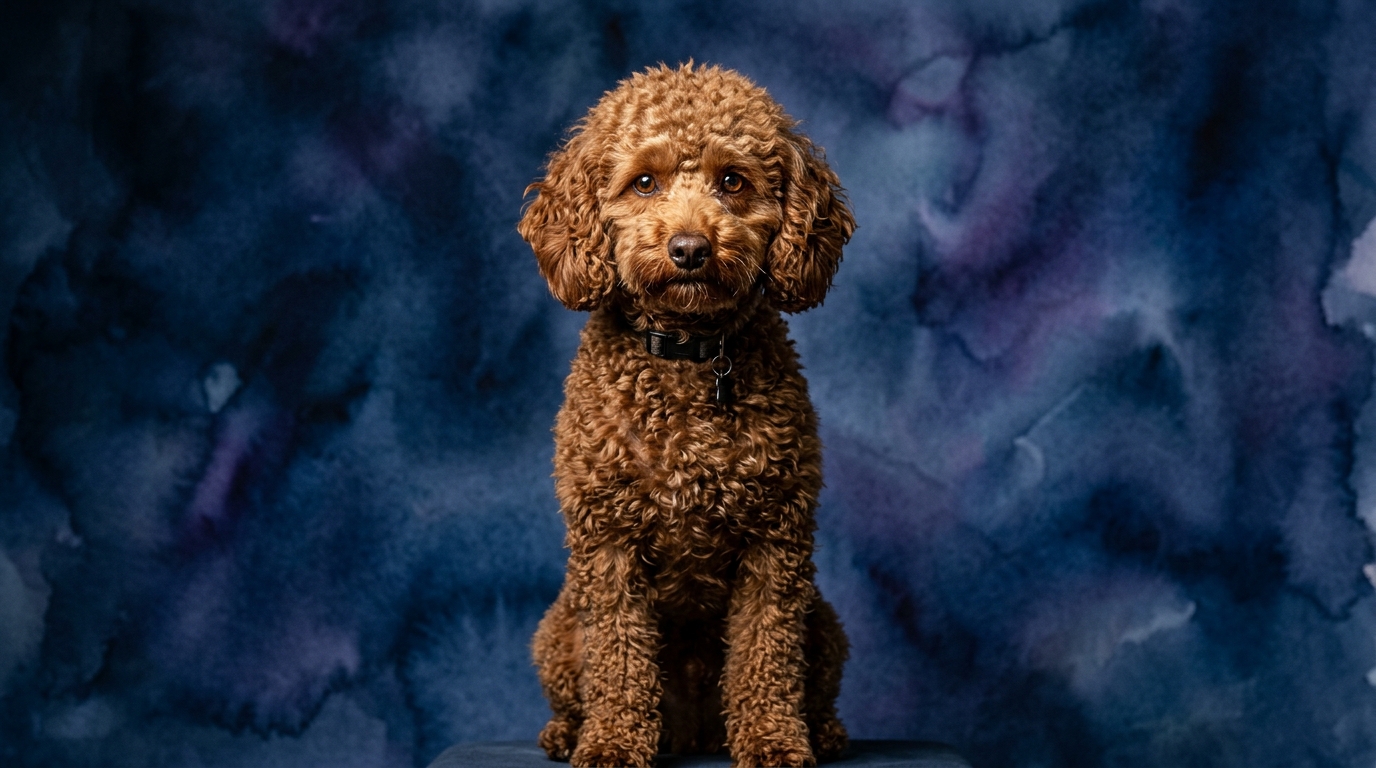
**Miniature Poodle (Coren Rank #2, Non-Sporting Group)**: In stark contrast, the Miniature Poodle presents a profile of exceptional adaptability and quick learning. Their Problem Solving is a perfect 5/5, demonstrating an innate ability to analyze new situations and devise creative solutions with remarkable agility. Training Speed is also 5/5, meaning they grasp new commands and concepts with extraordinary rapidity, often requiring minimal repetitions. Social Intelligence is 3/5, indicating an amiable nature and sensitivity to human emotions, though perhaps without the Akita's intense social selectivity. Instinctive Drive is a balanced 3/5, retaining some natural retrieving and companionship urges but not the intense guarding of the Akita. Finally, their Memory is an outstanding 5/5, supporting their rapid learning and retention of vast repertoires of information.
Where the Akita Wins Cognitively
The Akita's cognitive strengths are profoundly rooted in their instinctive drive and robust memory, particularly concerning their protective role. Their 5/5 instinctive drive means they possess an unparalleled, innate ability to assess and respond to environmental changes, acting as vigilant guardians without explicit instruction. This translates to an acute awareness of their surroundings and a natural discernment of potential threats, making them formidable protectors. Furthermore, their 4/5 memory ensures that once they learn a territorial boundary, a specific family member's routine, or a past negative experience, this information is deeply ingrained, fostering consistent, reliable behaviors and a strong sense of their domain. They excel at maintaining order and security within their perceived territory.
Where the Miniature Poodle Wins Cognitively
The Miniature Poodle's cognitive superiority lies in their exceptional problem-solving abilities and lightning-fast training speed. Scoring 5/5 in both, they exhibit a remarkable capacity for abstraction and rapid learning. A Poodle can quickly analyze a novel puzzle or a complex sequence of commands, then adapt their approach to achieve the desired outcome with minimal guidance. Their strong memory (5/5) further amplifies this, allowing them to not only acquire new skills rapidly but also retain and apply a vast array of learned behaviors and concepts over extended periods. This makes them extraordinarily versatile and capable of excelling in diverse mental challenges and learning environments.
Which is Easier to Train and Why
Undoubtedly, the Miniature Poodle is significantly easier to train than the Akita, a difference directly attributable to their respective "training speed" and "problem-solving" scores. The Poodle's 5/5 training speed means they eagerly absorb new commands, often understanding a cue after just a few repetitions and readily offering desired behaviors. Their intrinsic desire to engage with and please their handler, coupled with their cognitive flexibility, makes them highly biddable and a joy to teach. In contrast, the Akita's 2/5 training speed reflects their independent nature and lower intrinsic motivation to comply simply for compliance's sake. They require profound patience, consistent motivation, and a clear understanding of the value proposition for them. An Akita might understand a command but choose not to execute it if they don't see the immediate benefit, whereas a Poodle typically delights in the interaction of learning and performing.
Which Suits Active Owners vs. Relaxed Owners
For active owners who thrive on mental stimulation and enjoy teaching complex skills, the Miniature Poodle is an ideal match. Their keen problem-solving and rapid training speed make them excellent partners for dog sports like agility, advanced obedience, or even trick training, requiring owners to be actively engaged in their cognitive development. Conversely, for owners who appreciate a more self-reliant companion and are prepared to provide consistent, calm guidance rather than intense daily training sessions, the Akita might be a better fit. While they still require activity, their cognitive independence means they don't constantly demand novel mental challenges in the same way, suiting a more relaxed, but still responsible, owner who values their instinctual capabilities and quiet loyalty.
The Verdict
Choose an Akita if you value an independent, profoundly loyal guardian with strong instincts and a deliberate approach to life, and are prepared for consistent, patient training.
Opt for a Miniature Poodle if you seek a highly adaptable, rapidly trainable companion eager for mental challenges and a close partnership in learning and activity.
🧠 Find Your Pet's IQ Score
Our Pet IQ Lab assessment covers 25+ tests across 5 cognitive dimensions — personalized to your breed.
Take the Full IQ Test →Frequently Asked Questions
Does a higher Coren rank mean a dog is 'smarter'?
Stanley Coren's ranking primarily assesses 'working and obedience intelligence,' focusing on a dog's ability to learn and obey commands quickly. It doesn't encompass all facets of canine cognition, such as problem-solving in novel situations or instinctive drives, which are equally important for a dog's overall functionality and well-being.
Can an Akita be trained for complex tasks despite their lower training speed?
Absolutely, Akitas can learn complex tasks, but it demands significantly more time, patience, and motivational consistency from the trainer. Their strong memory means learned behaviors stick once established, but the initial acquisition phase is slower and requires a deeper understanding of their independent nature.
Do Miniature Poodles require constant mental stimulation?
Yes, due to their exceptional problem-solving and memory, Miniature Poodles thrive on regular mental engagement. Without sufficient outlets for their cognitive abilities, they can become bored and potentially develop undesirable behaviors, making puzzle toys, interactive games, and consistent training sessions crucial for their contentment.