
Side-by-Side Cognitive Profiles
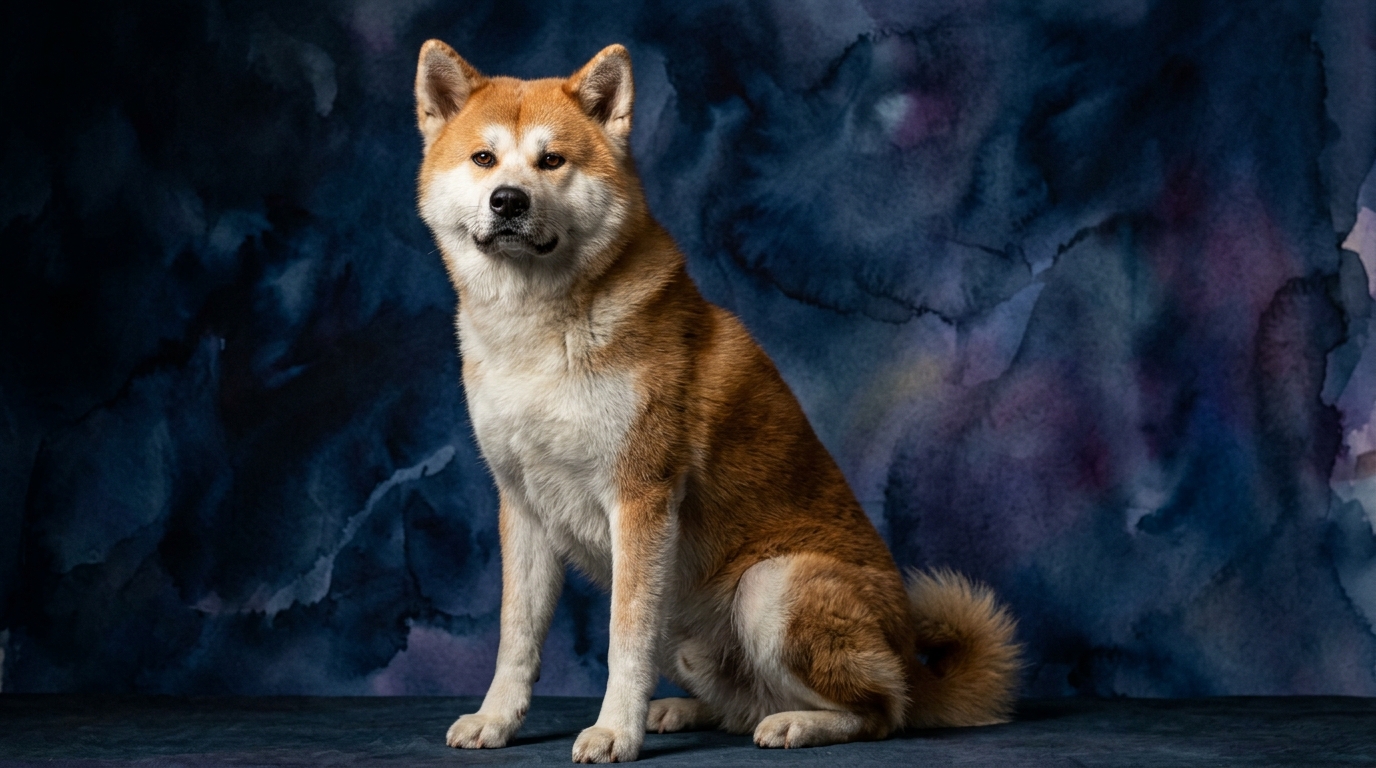
The Cosmic Pet Pet IQ Lab employs a five-dimensional framework to assess canine cognition, allowing for a granular understanding beyond simple 'smart' labels. For the Akita, a working breed with a Coren rank of #54, its profile is distinct: Problem Solving 3/5, Training Speed 2/5, Social Intelligence 3/5, Instinctive Drive 5/5, and Memory 4/5. This paints a picture of a discerning and capable, though independent, thinker.
In contrast, the Norfolk Terrier, a terrier breed without a specific Coren ranking, presents a different cognitive landscape. Its IQ scores are: Problem Solving 3/5, Training Speed 3/5, Social Intelligence 3/5, Instinctive Drive 3/5, and Memory 3/5. This profile suggests a balanced and adaptable intellect, differing from the Akita's specialized strengths.
Delving into the Akita's specifics, its Problem Solving at 3/5 indicates an ability to navigate complex situations, often with a self-directed approach, figuring out tasks like opening gates or locating hidden items. However, its Training Speed of 2/5 highlights a need for considerable patience and engaging methods, as their independent spirit means they require more repetitions to solidify new commands. Social Intelligence at 3/5 reflects a capacity to understand family dynamics, yet they often maintain a reserved demeanor with strangers. Their Instinctive Drive, a powerful 5/5, encompasses a profound prey drive and protective instincts, making them acutely aware of their surroundings. Finally, Memory at 4/5 signifies a strong recall for past experiences and learned behaviors, both positive and negative.
The Norfolk Terrier's Problem Solving, also at 3/5, demonstrates competence in overcoming environmental challenges, often utilizing their keen senses for tasks like burrowing or retrieving. Their Training Speed of 3/5 suggests a more moderate pace for learning new commands, responding well to positive reinforcement despite occasional terrier tenacity. Social Intelligence, 3/5, indicates they are generally amiable and integrate smoothly into family life, reading human cues effectively. An Instinctive Drive of 3/5 points to a moderate prey drive, particularly for small vermin, which is often channeled into playful pursuits rather than intense guarding. Their Memory, 3/5, ensures they recall commands and routines reliably, though perhaps not with the Akita's depth.
Where the Akita Excels Cognitively
The Akita’s cognitive profile reveals two areas where it distinctively outshines the Norfolk Terrier. Firstly, its Memory score of 4/5 compared to the Norfolk's 3/5 signifies a more robust and enduring recall. This means Akitas are more likely to retain complex sequences of events, specific training cues, and detailed past interactions over extended periods, even after significant breaks. This superior memory contributes to their reliability in established routines and their capacity to learn from both positive and negative experiences with lasting impact, shaping their future responses.
Secondly, the Akita's Instinctive Drive, scoring a powerful 5/5 against the Norfolk's 3/5, represents a heightened state of environmental awareness and readiness to act. This isn't merely about a strong prey drive; it encompasses their exceptional guarding instincts, their profound sensitivity to changes in their territory, and an acute perception of their surroundings. This intense drive translates into a keenly observant and situationally aware companion, making them formidable protectors and attentive partners, albeit ones requiring thoughtful management.
Where the Norfolk Terrier Shines Cognitively
The Norfolk Terrier demonstrates its own unique cognitive strengths, particularly in its Training Speed, where it scores 3/5 compared to the Akita's 2/5. This indicates a quicker uptake of new commands and routines, often attributed to a slightly higher eagerness to engage with their owner and a less pronounced independent streak. While they can exhibit typical terrier stubbornness, their desire for interaction and positive reinforcement usually leads to more efficient learning and fewer repetitions needed during initial training phases.
Beyond the numerical scores, the Norfolk Terrier often displays greater adaptability in novel social settings. While both breeds score 3/5 in Social Intelligence, the Norfolk’s generally more outgoing and less reserved disposition translates to greater ease in forming connections beyond their immediate family. They tend to integrate more readily into new social environments, indicating a cognitive flexibility in social engagement that allows them to adjust to new people and situations with less reservation than the more discerning Akita.
Ease of Training: Behavioral Differences
When considering ease of training, the Norfolk Terrier generally presents a smoother experience for owners. Its higher Training Speed of 3/5 compared to the Akita's 2/5 suggests that Norfolk Terriers grasp new commands and routines more readily. This is often rooted in their slightly higher eagerness to engage with their owner and a less pronounced independent streak. While they possess the characteristic terrier determination, their desire for interaction and positive reinforcement often outweighs it, leading to quicker learning and fewer repetitions required to solidify new behaviors.
The Akita's lower training speed is a direct reflection of its profound independence and discerning nature. They do not inherently possess a strong drive to please in the same way some other breeds do; instead, they meticulously weigh the perceived value of a command against their own inclinations. This behavioral trait means that trainers must be exceptionally patient, consistent, and creative in their motivation tactics, often needing to establish a deep, respectful bond before significant progress can be made. Their strong memory (4/5) means they remember what they’ve learned, but their initial willingness to learn a new command requires a specific approach that acknowledges their self-assured temperament.
Matching Breeds to Lifestyles: Active vs. Relaxed Owners
For owners with an active lifestyle, the Akita is often a more suitable companion. Its powerful Instinctive Drive (5/5) and need for structured mental and physical engagement mean it thrives with consistent exercise, advanced training, and clear leadership. Owners who enjoy long hikes, engage in working disciplines, or appreciate a canine partner with a substantial presence and a need for purpose will find the Akita a fulfilling match. Their physical stamina and mental acuity demand an owner who can consistently channel their natural guarding and hunting instincts into productive outlets, preventing boredom and potential behavioral challenges.
Conversely, the Norfolk Terrier generally aligns better with owners seeking a more relaxed lifestyle. While they still require daily walks and engaging playtime, their moderate Instinctive Drive (3/5) and amiable social intelligence mean they are content with regular, but not necessarily intense, activity. They flourish when they are a central part of family life without demanding constant, high-octane engagement or specialized working tasks. Their cheerful disposition and adaptability make them delightful companions for individuals or families who appreciate a loyal presence and structured play over extensive, demanding physical feats.
The Verdict
If you are an experienced owner seeking a loyal, discerning companion with a powerful presence and are prepared for a significant commitment to consistent training and socialization, the Akita could be your match. Their deep memory and strong instincts make them profound partners for those who appreciate their independent spirit.
Opt for the Norfolk Terrier if you desire a cheerful, adaptable companion who integrates well into family life and responds readily to training, without the demands of a high-drive working breed. Their moderate needs and amiable disposition make them a delightful choice for many households.
🧠 Find Your Pet's IQ Score
Our Pet IQ Lab assessment covers 25+ tests across 5 cognitive dimensions — personalized to your breed.
Take the Full IQ Test →Frequently Asked Questions
Do Akitas remember past negative experiences?
Yes, Akitas, with their 4/5 memory, are quite capable of recalling past negative interactions or experiences, which can influence their future behavior and trust levels with individuals or in certain situations. It underscores the importance of positive early socialization and consistent, fair handling.
Are Norfolk Terriers good at learning tricks?
Norfolk Terriers, with their 3/5 training speed and problem-solving abilities, can be quite good at learning tricks, especially if taught with positive reinforcement and made into a fun game. Their moderate drive and desire to engage with their owners make them receptive to such activities.
How does Akita's instinctive drive influence daily life?
The Akita's 5/5 instinctive drive means they are acutely aware of their surroundings, often exhibiting strong guarding tendencies and a pronounced prey drive. This requires secure fencing, careful management around smaller animals, and consistent training to channel these powerful natural behaviors appropriately and safely.