Side-by-Side Cognitive Profiles: Akita vs. Puli
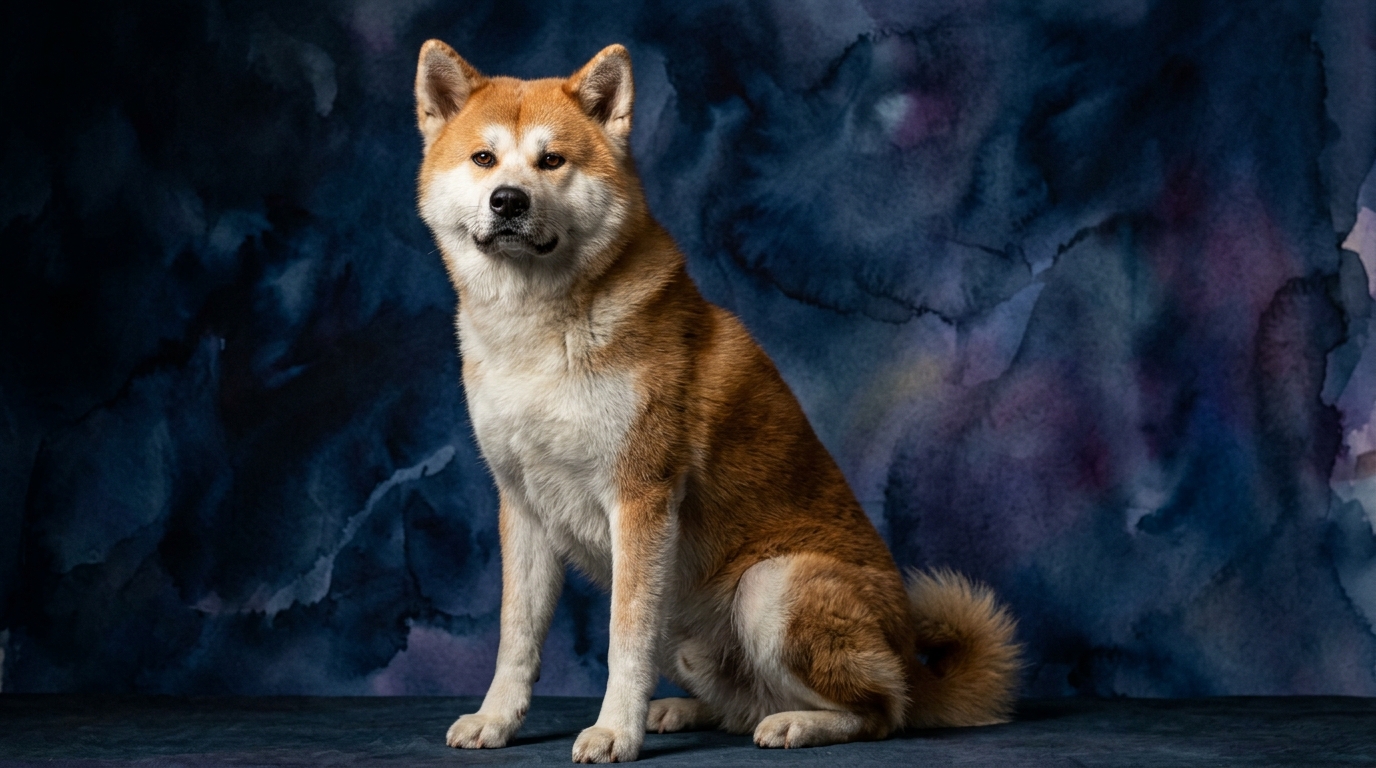
The Cosmic Pet Pet IQ Lab categorizes canine intelligence across five key dimensions, providing a nuanced view beyond simple obedience. For the Akita, a Working breed with a Coren rank of #54, its cognitive blueprint highlights independence. Its Problem Solving score of 3/5 indicates a capacity for moderate, often self-reliant solutions, while a Training Speed of 2/5 reflects a deliberate, sometimes resistant approach to learning new commands. Social Intelligence sits at 3/5, suggesting a selective engagement with others, often preferring its immediate family. The Akita’s Instinctive Drive is exceptionally robust at 5/5, pointing to a strong natural inclination for guarding and protection, and its Memory is solid at 4/5, enabling it to retain routines and experiences effectively.
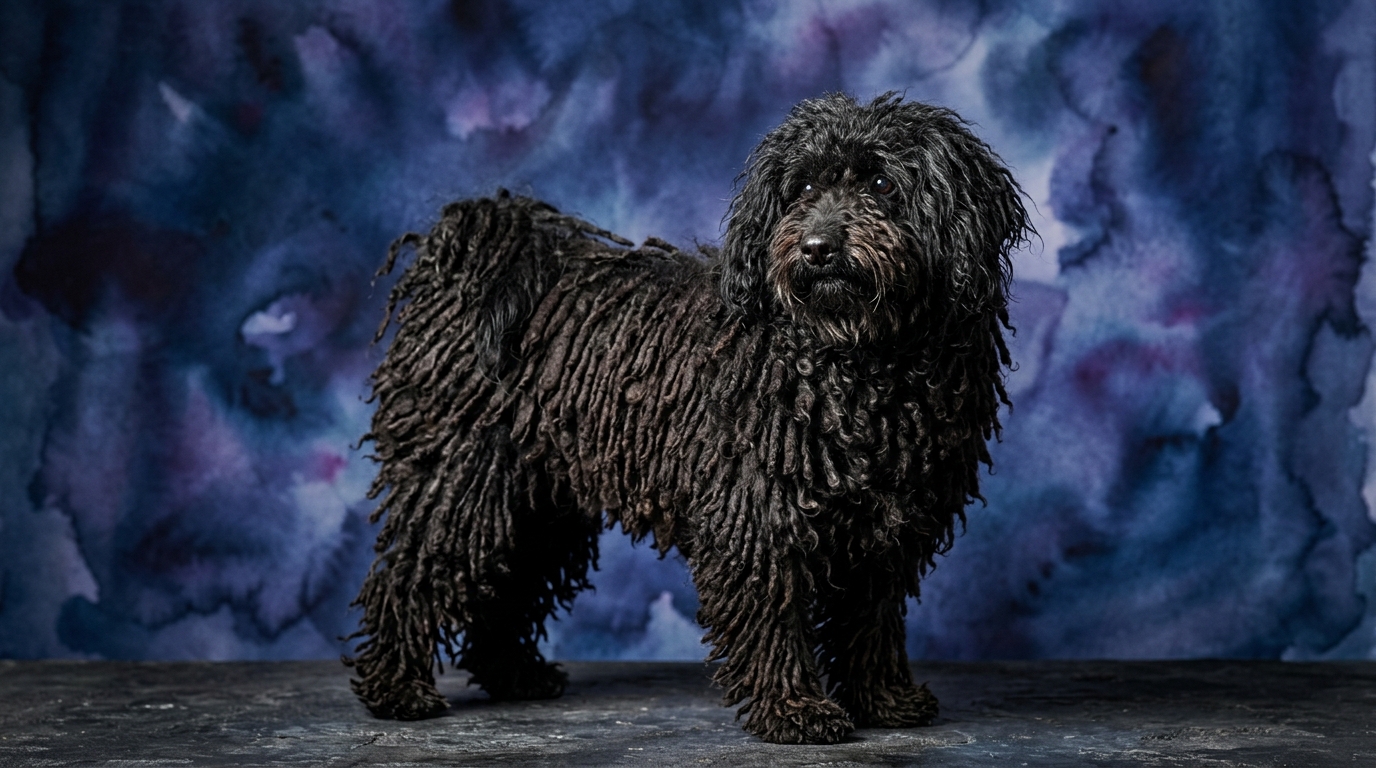
In contrast, the Puli, a Herding breed ranked #25 by Coren, demonstrates a more agile and cooperative cognitive profile. Its Problem Solving score of 4/5 signifies a strong ability to navigate complex situations, often involving dynamic variables, which is crucial for flock management. Training Speed for the Puli is an impressive 4/5, indicating a quick grasp of new concepts and commands, eager to engage in structured learning. Its Social Intelligence, like the Akita, is 3/5, suggesting a balanced but not overly effusive social disposition. The Puli’s Instinctive Drive is moderate at 3/5, primarily focused on herding and control rather than protection, and its Memory matches the Akita’s at 4/5, allowing for excellent recall of learned behaviors and spatial understanding.
Where the Akita's Cognition Excels
The Akita’s cognitive strengths are most apparent in areas demanding self-sufficiency and an unwavering commitment to its primary role. Its Instinctive Drive, rated 5/5, is a dominant feature of its intelligence, manifesting as an exceptional, innate capacity for guardianship. This drive isn't merely physical; it involves a cognitive assessment of its territory and family, leading to proactive protective behaviors without constant human direction. An Akita will independently survey its surroundings, making judgments about potential threats based on its deep-seated instincts and observations. This isn't about blind aggression but a calculated, inherent understanding of its protective duties.
Furthermore, the Akita's Memory, scoring 4/5, plays a crucial role in reinforcing its guarding capabilities and establishing deep bonds within its chosen family. It remembers specific individuals, past interactions, and established routines with remarkable clarity. This strong memory allows the Akita to differentiate between familiar and unfamiliar, friend and potential foe, and to recall specific training cues or boundaries, even if it chooses to acknowledge them on its own terms. While its problem-solving might be moderate, its application of remembered information within its strong instinctive framework makes it uniquely adept at independent vigilance.
Where the Puli's Cognition Shines
The Puli’s cognitive prowess lies in its adaptive problem-solving and rapid learning, direct reflections of its herding heritage. With a Problem Solving score of 4/5, the Puli excels at dynamic, fluid challenges, such as maneuvering livestock through complex terrain or reacting to unpredictable animal movements. This isn't just about following commands; it involves making quick, intelligent decisions in real-time, often anticipating outcomes and adjusting its strategy on the fly. This sophisticated problem-solving ability extends beyond herding to other activities, making them adept at agility courses or complex scent work, where independent thought is rewarded.
The Puli’s Training Speed, also rated 4/5, is another significant cognitive advantage. This rapid acquisition of new skills is rooted in its historical role requiring immediate responsiveness to handler cues and a willingness to cooperate. They quickly associate verbal commands or hand signals with desired actions, making them highly receptive to structured training. This quick learning curve means a Puli can master a wide repertoire of behaviors efficiently, allowing for advanced training in various disciplines. Their memory, also 4/5, complements this speed, ensuring that once a skill is learned, it is retained effectively over time, ready for application.
Trainability: Akita's Deliberation vs. Puli's Eagerness
When comparing ease of training, the Puli clearly holds an advantage due to its higher Training Speed (4/5) and Problem Solving (4/5) scores. Pulis, bred for cooperative work with shepherds, possess an inherent desire to understand and execute human directives. Their quick cognitive processing allows them to make strong associations between commands and actions rapidly. For instance, teaching a Puli a new trick might involve only a few repetitions, as they actively try to figure out what is being asked of them and are motivated by the successful completion of the task, seeking that collaborative engagement.
The Akita, with its Training Speed of 2/5 and Problem Solving of 3/5, presents a different training dynamic. Akitas are independent thinkers, often questioning the necessity or logic behind a command before complying. This isn't a lack of understanding, but rather a strong sense of self-will and a preference for independent action. Teaching an Akita requires immense patience, consistency, and finding motivations that resonate with its specific drives. While a Puli might readily perform a 'stay' for a treat, an Akita might first assess the environmental context, decide if staying is truly beneficial to its perceived role, and then, perhaps, comply. They learn, but at their own pace and often require more convincing that the behavior is worthwhile.
Matching Cognitive Profiles to Owner Lifestyles
The Akita’s cognitive makeup, characterized by strong instinctive drives and deliberate problem-solving, is best suited for owners who appreciate a dog with a profound sense of purpose and independence. These are individuals who are prepared to respect an Akita's self-assured nature and invest in consistent, positive reinforcement training that acknowledges its independent decision-making. Relaxed owners, perhaps those who desire a calm, watchful presence and are not seeking an overly biddable companion for complex obedience trials, might find the Akita's steady, protective demeanor a good fit. They thrive with owners who provide clear structure and firm, yet gentle, leadership, understanding that compliance comes from earned respect, not eager submission.
Conversely, the Puli's agile problem-solving and high training speed make it an excellent companion for active owners who enjoy engaging in various dog sports and advanced training. Owners who are keen on activities like agility, obedience, rally, or even competitive herding will find the Puli's eagerness to learn and quick cognitive uptake incredibly rewarding. Their capacity for dynamic problem-solving means they excel in environments that offer mental stimulation and opportunities to work collaboratively. These dogs require owners who can match their mental energy and provide consistent outlets for their intelligent drives, making them less suited for purely relaxed lifestyles where their minds might become understimulated.
The Verdict
Choose an Akita if you seek a dignified, independent guardian with a powerful protective instinct and are prepared for a deliberate, respect-based training approach.
Choose a Puli if you desire an agile, quick-witted partner for dynamic activities and enjoy engaging in complex, cooperative training sessions.
🧠 Find Your Pet's IQ Score
Our Pet IQ Lab assessment covers 25+ tests across 5 cognitive dimensions — personalized to your breed.
Take the Full IQ Test →Frequently Asked Questions
Which breed is better for a first-time dog owner?
Due to its higher Training Speed and cooperative nature, the Puli is generally a more forgiving and adaptable choice for a first-time dog owner willing to commit to mental stimulation. The Akita’s strong independence and deliberate training approach can be challenging for inexperienced handlers.
Do Akitas or Pulis need more mental exercise?
Both breeds benefit from mental stimulation, but in different ways. Pulis require consistent mental challenges through training, puzzles, and interactive play to satisfy their agile problem-solving minds. Akitas benefit from consistent routines, clear boundaries, and opportunities to exercise their protective instincts, which is a form of mental engagement for them.
How do their social intelligence scores impact interactions?
Both breeds score 3/5 in Social Intelligence, meaning they are balanced but not universally outgoing. Akitas tend to be more reserved with strangers and other animals, forming deep bonds with their immediate family. Pulis can be more open to meeting new people and dogs, especially if socialized early, but still retain a level of discernment in their interactions.