
Side-by-Side Cognitive Profiles: Akita vs. Russian Toy
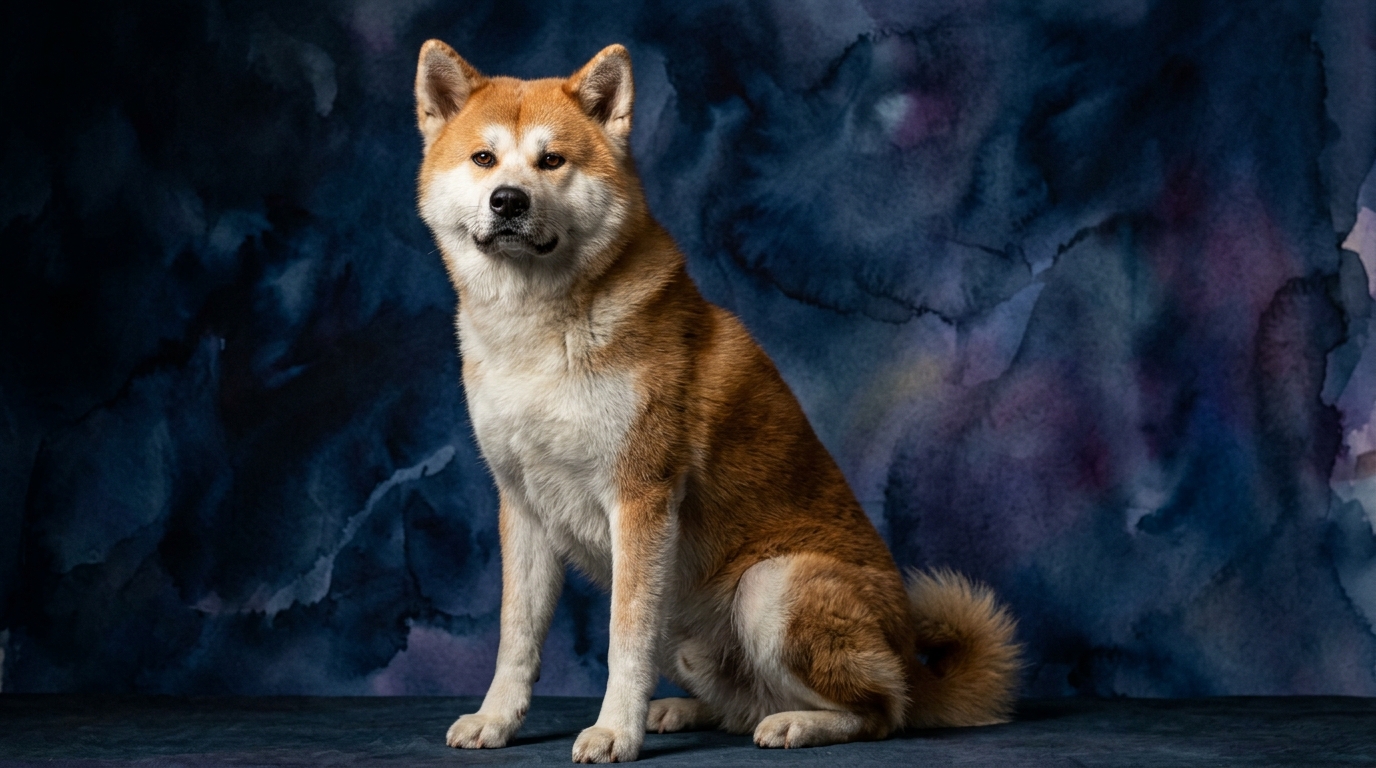
The Akita, a working breed ranked #54 by Coren, presents a cognitive profile shaped by its heritage as a powerful hunter and guardian. Its Problem Solving is rated 3/5, indicating a moderate ability to independently navigate novel challenges, often with a self-reliant approach. Training Speed is 2/5, reflecting a deliberate, often selective engagement with commands, requiring patience and consistency. Social Intelligence stands at 3/5, meaning they can interpret cues but maintain a reserved demeanor, forming deep bonds with their inner circle while being wary of outsiders. A defining characteristic is their Instinctive Drive at 5/5, a potent force influencing their protective and territorial behaviors. Finally, their Memory is strong at 4/5, allowing for excellent retention of experiences and learned behaviors, both positive and negative.
The Russian Toy, a charming toy breed not Coren-ranked, offers a different set of cognitive strengths. Its Problem Solving is also 3/5, demonstrating an equal capacity to figure out solutions within their environment, though often applied to more domestic scenarios. Training Speed is 3/5, suggesting a more moderate and generally quicker acquisition of new commands compared to the Akita, often spurred by a desire to please. Social Intelligence matches at 3/5, indicating an ability to read human emotions and intentions, typically with a more openly affectionate, though sometimes reserved, interaction style. Their Instinctive Drive is a moderate 3/5, present but less intense than in working breeds, manifesting in playfulness and companion-oriented behaviors rather than strong guarding or hunting. Memory is 3/5, allowing them to recall routines and training adequately, contributing to their adaptability as companions.
Where the Akita Wins Cognitively
The Akita's superior instinctive drive, rated at a powerful 5/5, marks a significant cognitive advantage in specific contexts. This isn't merely about physical strength but reflects a profound, innate understanding and readiness for specific tasks like guarding and protection. Their cognitive processing is heavily influenced by this drive, enabling them to assess threats and react with decisive, instinct-driven actions, a level of inherent commitment not typically found in the Russian Toy. Furthermore, their memory score of 4/5 means they retain complex information and experiences with remarkable fidelity. This allows them to build a comprehensive mental map of their environment, remember past interactions with precision, and learn from a wider array of experiences, contributing to their consistent temperament and reliability in predictable situations, far surpassing the Russian Toy's moderate memory.
Where the Russian Toy Wins Cognitively
While both breeds share a 3/5 problem-solving score, the Russian Toy exhibits a subtle cognitive edge in adaptability within domestic settings, often applying their problem-solving skills to navigate a human-centric environment with charming ingenuity. Their moderate training speed of 3/5, compared to the Akita's 2/5, indicates a greater willingness to engage in structured learning and a quicker acquisition of new commands, making them more amenable to varied training regimens. This higher training aptitude is a clear cognitive win, suggesting a more open mental framework for absorbing human instruction. Additionally, their generally lower instinctive drive (3/5) means their cognitive resources are less consumed by powerful primal urges, allowing for a more focused engagement in social learning and domestic cooperation compared to the Akita's intense drives.
Trainability: Which is Easier and Why?
Between these two, the Russian Toy is generally easier to train, primarily due to their higher training speed and more moderate instinctive drives. A Russian Toy's 3/5 training speed suggests they absorb new commands and routines more readily, often motivated by positive reinforcement and a desire to interact with their owners. Their behavioral responses are typically less rooted in deep-seated, independent decision-making, making them more pliable. In contrast, the Akita's 2/5 training speed is a direct reflection of their independent nature and powerful instincts. An Akita processes commands through the lens of their strong will and inherent purpose, often requiring trainers to convince them of the command's value rather than simply presenting it. Their strong instinctive drive (5/5) means that activities like recall, especially if a prey animal is involved, require extensive, consistent work to override their natural inclinations, a challenge far less pronounced with the Russian Toy.
Matching Canine Cognition to Owner Lifestyles
For active owners seeking a canine partner with a robust mental and physical presence, the Akita is a compelling choice, provided 'active' translates to consistent engagement and leadership rather than just physical exertion. Owners who thrive on structure, understand the nuances of a powerful working breed's mindset, and are prepared to channel a 5/5 instinctive drive into constructive activities like protection training or advanced obedience will find the Akita rewarding. Their deep memory (4/5) means they remember lessons and bonds, requiring long-term commitment. Owners need to be prepared for the cognitive demands of managing a dog with such strong predispositions, offering mental stimulation that respects their independent decision-making and guardian instincts.
Conversely, the Russian Toy is better suited for relaxed owners who appreciate a companion with a moderate energy level and a more straightforward approach to learning. Their 3/5 instinctive drive and training speed make them adaptable to varied lifestyles, from quiet evenings to gentle strolls, without the intense mental demands of managing a working dog's strong predispositions. Owners seeking a charming, responsive companion without the necessity of managing profound innate drives will find the Russian Toy a delightful fit. Their social intelligence allows them to integrate smoothly into family life, making them excellent companions for those desiring a less demanding cognitive partnership.
The Verdict
Choose an Akita if you are an experienced owner prepared for a strong-willed, loyal guardian with exceptional memory and powerful instincts, capable of providing consistent, firm, and positive leadership. This breed thrives with owners who understand their need for purpose and structure, channeling their formidable cognitive strengths into meaningful roles.
Opt for a Russian Toy if you desire a responsive, affectionate companion that is generally easier to train and adapts well to a variety of home environments, offering moderate cognitive challenges. They are ideal for owners who appreciate a charming dog with a balanced temperament, without the intense demands of managing a working breed’s deep-seated drives.
🧠 Find Your Pet's IQ Score
Our Pet IQ Lab assessment covers 25+ tests across 5 cognitive dimensions — personalized to your breed.
Take the Full IQ Test →Frequently Asked Questions
How does Coren rank #54 for Akita impact its intelligence comparison with the unranked Russian Toy?
Coren's ranking primarily assesses 'working intelligence' or obedience, indicating how quickly a breed learns and obeys commands. An Akita at #54 suggests it requires more repetitions to learn new commands than higher-ranked breeds. The Russian Toy being unranked means it wasn't part of Coren's specific study, but its individual IQ scores provide direct insight into its capabilities.
Does the Akita's high instinctive drive make it difficult to live with?
The Akita's 5/5 instinctive drive means it possesses strong natural tendencies for guarding and prey pursuit, which can be challenging if not properly managed. With consistent training, early socialization, and an owner who understands how to channel these drives constructively, Akitas can be well-adjusted companions. It's about management and understanding, not inherent difficulty.
Are Russian Toys suitable for first-time dog owners given their moderate IQ scores?
Yes, Russian Toys can be suitable for first-time dog owners, particularly those seeking a smaller, adaptable companion. Their moderate training speed and instinctive drive make them generally more manageable than breeds with very strong independent streaks. However, like any breed, they benefit from consistent positive reinforcement training and early socialization to thrive.