Side-by-Side IQ Profile: Akita vs. Saluki
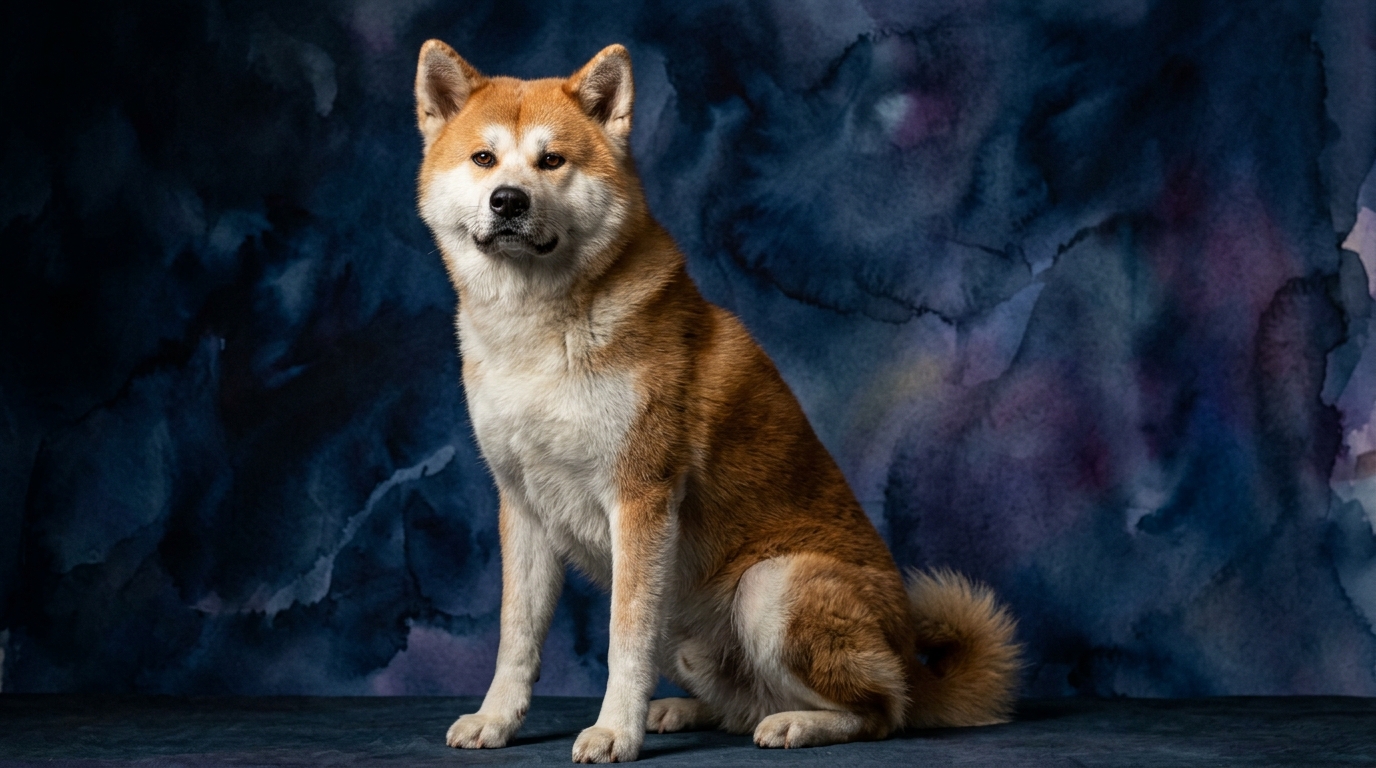
The Akita, ranked #54 by Coren, presents a cognitive profile shaped by its working heritage, emphasizing independence and protection. Its Problem Solving score of 3/5 indicates a capacity for independent thought, often leading to self-determined solutions rather than immediate human instruction. Training Speed at 2/5 reflects a strong-willed nature, requiring patient and consistent methods to encourage cooperation. Social Intelligence, also 3/5, points to deep bonds with its inner circle but a reserved demeanor with strangers. A standout is its Instinctive Drive at 5/5, showcasing powerful guarding and prey drives. Finally, Memory at 4/5 means Akitas retain experiences and learned behaviors with impressive clarity.
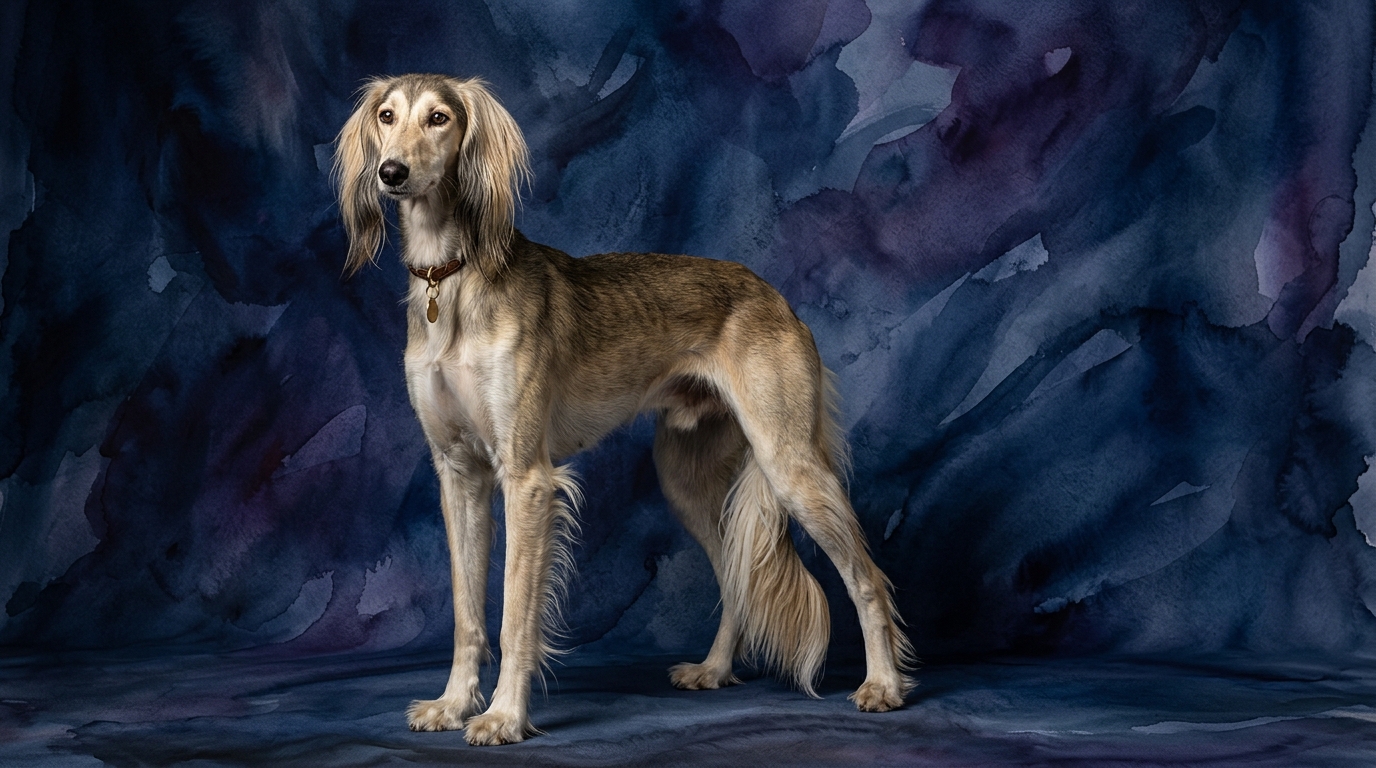
The Saluki, unranked by Coren but with its own distinct cognitive makeup, demonstrates an intelligence finely tuned for its sighthound role. Its Problem Solving score of 3/5 suggests resourcefulness, particularly when motivated by chase or reward, often utilizing its keen senses. Training Speed at 3/5 indicates a slightly quicker uptake of commands compared to the Akita, though still requiring engaging and non-repetitive approaches to maintain interest. Social Intelligence is 3/5, similar to the Akita, fostering affection with its family while often appearing reserved or shy with outsiders. Its Instinctive Drive is 3/5, primarily focused on the pursuit of visual stimuli, a specialized but less pervasive drive than the Akita's. Memory for the Saluki is 3/5, capable of recalling routines but potentially needing more consistent reinforcement over time.
Where the Akita Wins Cognitively
The Akita’s most prominent cognitive advantage lies in its profound instinctive drive (5/5) and robust memory (4/5), a combination that fosters exceptional self-reliance and situational awareness. An Akita’s powerful guarding instinct means it's continuously processing its environment for perceived threats, making independent decisions about surveillance and protection without explicit direction. This deeply ingrained drive is consistently active. Furthermore, their superior memory enables them to recall past encounters, individuals, and routines with striking clarity, influencing future responses and solidifying their bond within a trusted family unit. This strong recall extends to their territory and perceived responsibilities, fostering a consistent and predictable approach to their role in the household.
Where the Saluki Wins Cognitively
The Saluki's cognitive edge surfaces in its slightly more adaptable training speed (3/5) and its specialized instinctive drive (3/5) for pursuit. While both breeds score similarly in problem-solving and social intelligence, the Saluki's quicker uptake in training means it can be guided through new tasks with a bit more fluidity, provided the method is engaging and respects their sighthound independence. Their primary instinctive drive, while not as multifaceted as the Akita's, is exquisitely refined for visual tracking and speed. This allows them to process and react to distant movement with incredible precision and focus, a cognitive specialization that sets them apart in their particular field of activity, making them unparalleled in a chase scenario.
Which Is Easier to Train and Why
When evaluating ease of training, the Saluki presents a marginally more amenable canvas compared to the Akita. The Saluki's training speed of 3/5 suggests a dog that can learn commands with fair consistency, responding well to positive reinforcement and methods that capitalize on their chase drive. Their sighthound nature means they might be distracted by movement, but they are generally less inclined to challenge authority purely out of independence once a respectful bond is established. They thrive on short, engaging sessions that tap into their natural curiosity and athleticism, making training feel more like a game than a chore.
The Akita, with a training speed of 2/5, demands a significantly more patient and strategic approach. Their strong will and inherent independence mean they often weigh commands against their own perceived needs or instincts, rather than offering immediate compliance. Training an Akita is less about quick obedience and more about building a deep, respectful partnership where the dog chooses to cooperate. This requires extensive early socialization, consistent boundaries, and highly motivating rewards to overcome their natural inclination to self-govern, making them a more challenging prospect for novice trainers who may not be prepared for their independent streak.
Which Suits Active Owners vs. Relaxed Owners
For active owners seeking a dog with a purpose, the Akita aligns well with a lifestyle that appreciates a devoted, protective companion. Their powerful instinctive drive (5/5) means they thrive with consistent roles and mental engagement that taps into their natural guarding and observation tendencies. While they enjoy vigorous exercise, their activity is often interspersed with periods of watchful calm. An Akita owner needs to be active in training, socialization, and providing a structured environment where the dog feels secure in its role, rather than necessarily engaging in constant high-intensity physical output. They are companions for those who understand and respect their independent yet loyal nature.
The Saluki, while possessing a moderate instinctive drive (3/5), requires owners who can accommodate bursts of extreme physical activity. Their sighthound heritage means they need opportunities for full-speed sprints in secure, expansive areas to satisfy their innate desire to run. After these exhilarating outlets, Salukis are often content to relax, making them suitable for owners who might not be constantly "on the go" but can reliably provide dedicated periods for high-energy exercise. They fit a relaxed home environment, provided their specific exercise needs are met with enthusiasm and consistency, allowing them to alternate between explosive energy and serene repose.
The Verdict
Choose the Akita if you are an experienced dog owner seeking a profoundly loyal, protective companion who values independence and will invest heavily in consistent training and socialization to forge a deep, respectful partnership.
Opt for the Saluki if you appreciate an elegant, somewhat reserved companion who thrives on dedicated opportunities for explosive sprints in safe, open spaces, and whose training benefits from engaging methods that respect their sighthound sensibilities.
🧠 Find Your Pet's IQ Score
Our Pet IQ Lab assessment covers 25+ tests across 5 cognitive dimensions — personalized to your breed.
Take the Full IQ Test →Frequently Asked Questions
Is an Akita or Saluki better for a family with children?
An Akita, with its strong guarding instincts and reserved nature, requires careful socialization and supervision around children, especially those outside its immediate family. A Saluki, while generally gentle, can be shy and may prefer a quieter environment, making either breed suitable only for families who understand their specific needs and can manage interactions thoughtfully and consistently.
Do Akita or Saluki dogs require a lot of grooming?
Akitas have a dense double coat that sheds seasonally and requires regular brushing, especially during shedding periods, to maintain its health and minimize loose fur. Salukis, with their fine, silky coat (feathered or smooth), generally require less intensive grooming, primarily occasional brushing to prevent tangles and keep their coat lustrous, making them somewhat lower maintenance in this regard.
What are the key differences in exercise needs between these two breeds?
Akitas need regular, moderate exercise that includes walks and opportunities for mental stimulation, often preferring structured activities over free-form running. Salukis, conversely, require intense bursts of high-speed running in securely fenced areas to satisfy their sighthound instincts, though they are generally quite calm indoors after these sessions, making their exercise needs very specific.