Side-by-Side Cognitive Profiles
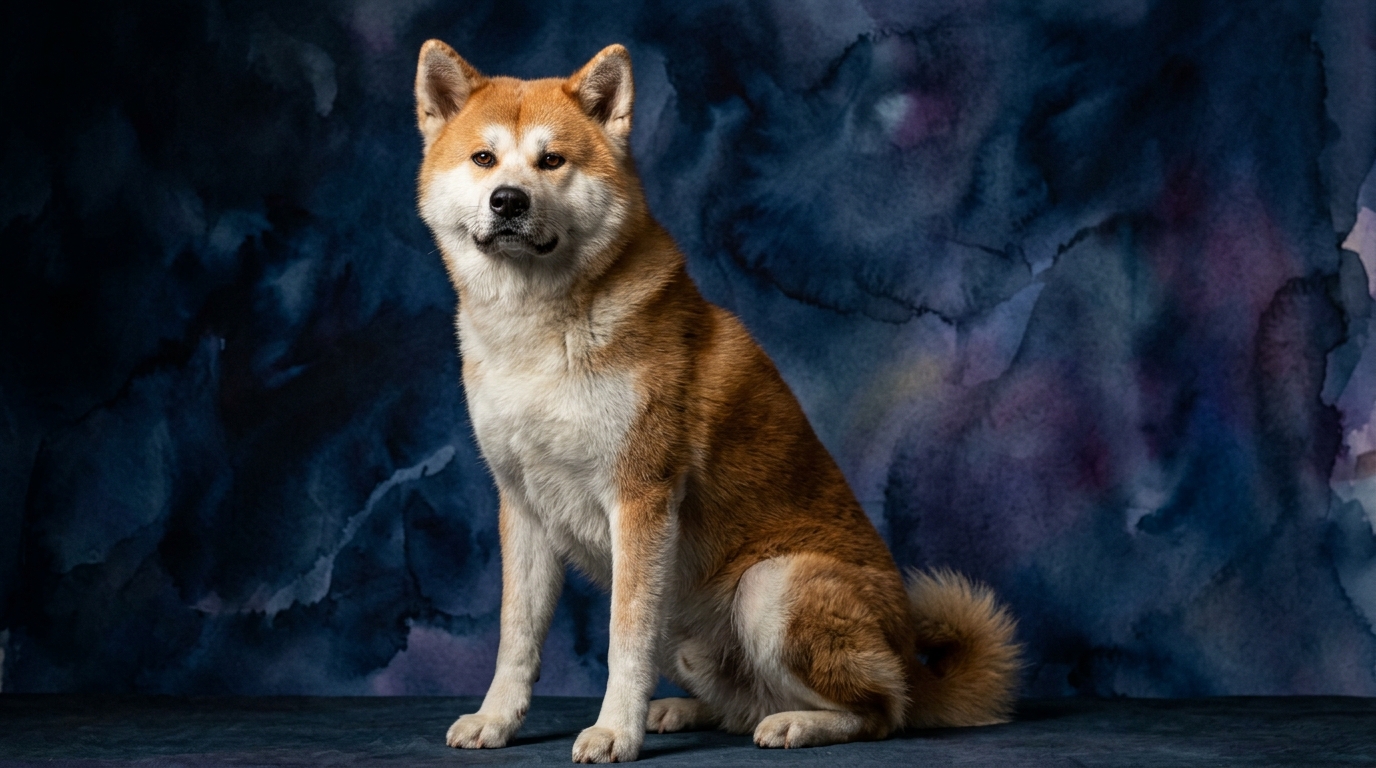
At The Cosmic Pet Pet IQ Lab, we evaluate canine intelligence across five key dimensions, offering a nuanced view beyond simple rankings. The Akita, a breed often revered for its dignified presence, ranks #54 in the Coren intelligence hierarchy, reflecting a specific set of cognitive strengths. Its Problem Solving is rated 3/5, indicating a capacity for independent thought and strategic action, often solving dilemmas in ways that benefit their perceived territory or family, though not always aligning with human expectations. Training Speed for the Akita stands at 2/5; they are not quick to adopt new commands, requiring patience and a deep understanding of their independent spirit. Social Intelligence is 3/5, as they form profound bonds with their inner circle but maintain a reserved, almost aloof, demeanor towards outsiders. Instinc tive Drive is a formidable 5/5, characterized by powerful guarding and protective behaviors, along with a strong prey drive. Finally, their Memory is 4/5, allowing them to retain experiences and learned behaviors over long periods, making both positive and negative lessons deeply ingrained.
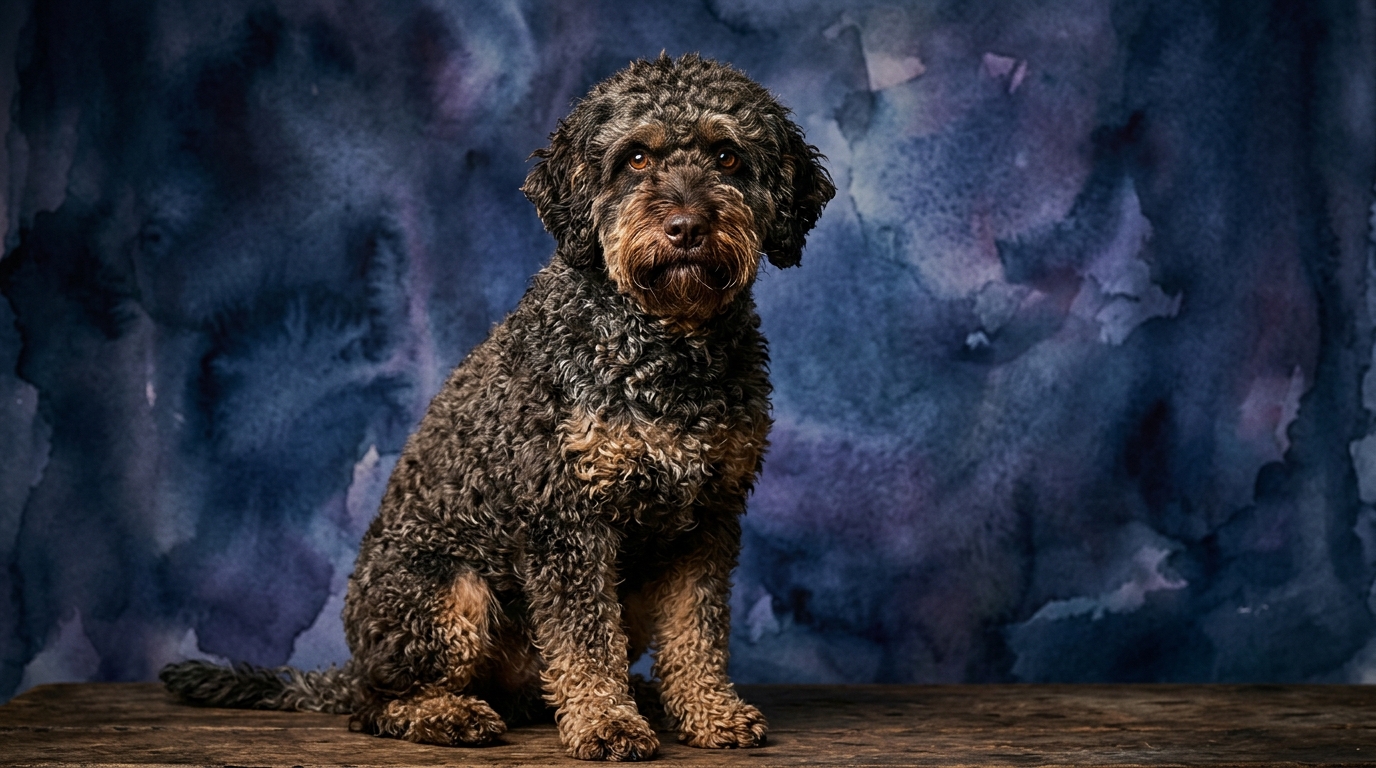
The Spanish Water Dog, a vibrant member of the Herding Group, does not appear on the Coren ranking, yet possesses a distinct and equally compelling cognitive blueprint. Their Problem Solving is also 3/5, showcasing resourcefulness, particularly when engaged in tasks reminiscent of their herding or water-retrieval heritage, adept at navigating complex environments or figuring out how to achieve a desired outcome. Training Speed is 3/5; they generally respond well to consistent, engaging instruction, picking up commands at a moderate pace, especially when motivated by their desire to work alongside their human. Social Intelligence is 3/5, marked by strong attachments to their immediate human family, often displaying a lively and affectionate nature, but can exhibit caution or reservation with unfamiliar people or situations without proper early socialization. Their Instinc tive Drive is 3/5, reflecting a moderate herding instinct—often seen in their tendency to gather family members—along with a natural affinity for water and retrieving. Their Memory is 3/5, indicating a solid ability to recall commands and routines, retaining a good repertoire of skills, though perhaps not with the same deep-seated, long-term retention as the Akita's experiential memory.
Where the Akita Excels Cognitively
The Akita’s cognitive strengths are deeply rooted in its heritage as a guard and companion. Their superior Memory, rated 4/5, means they retain detailed recollections of their environment, people, and past events with remarkable precision. This translates to an unwavering understanding of household routines and territory boundaries, making them exceptionally reliable sentinels who remember every visitor and every perceived anomaly. This enduring memory also means that once a behavior is learned, or a relationship established, it tends to be permanent. Furthermore, their Instinc tive Drive of 5/5 is a clear cognitive win for specific roles; this isn't merely about physical prowess but an inherent, sophisticated understanding of protection and defense. An Akita's problem-solving, though rated 3/5, often manifests as independent, strategic assessment of threats, making decisions based on their deep-seated protective instincts rather than waiting for human command, particularly in situations they perceive as critical. They process information through the lens of guardianship, prioritizing the safety of their family and domain above all else.
Where the Spanish Water Dog Shines Cognitively
The Spanish Water Dog's cognitive advantages lie in their adaptability and balanced drives, making them versatile learners. Their Training Speed, rated 3/5, while not the fastest, is a notable advantage over the Akita, indicating a generally more biddable and responsive temperament. This willingness to engage and learn makes them more amenable to diverse training methodologies and activities, from obedience to advanced dog sports. Their Problem Solving, also 3/5, often presents as a practical, task-oriented intelligence; they are adept at figuring out how to achieve specific goals, whether it's retrieving a difficult object or navigating an agility course. This cognitive flexibility, coupled with a moderate Instinc tive Drive of 3/5, allows them to channel their energy into constructive activities without the intense, singular focus of a high-drive guardian. They can pivot between tasks and learn new roles with greater ease, leveraging their natural curiosity and desire for engagement. Their intelligence is geared towards active participation and partnership.
Training Dynamics: Akita vs. Spanish Water Dog
When it comes to ease of training, the differences between these two breeds become quite pronounced, stemming directly from their core behavioral traits. The Akita, with its 2/5 Training Speed and powerful 5/5 Instinctive Drive, presents a significant challenge for novice trainers. Their independent nature means they are not inherently eager to please and will often weigh a command against their own assessment of the situation. Training an Akita is less about immediate compliance and more about establishing a deep, respectful partnership based on trust and consistent, positive reinforcement. They respond poorly to harsh methods, often becoming stubborn or resistant. For example, teaching a 'recall' to an Akita requires understanding their strong prey drive and territorial instincts; they may choose to ignore a command if they perceive a more compelling environmental stimulus or a threat to their perceived domain. Their memory means they remember every interaction, so negative experiences can be deeply detrimental to future training.
In contrast, the Spanish Water Dog, with a 3/5 Training Speed and a more balanced 3/5 Instinctive Drive, is generally considered easier to train. They possess a natural biddability and a desire to work alongside their human companions, making them more responsive to commands and more enthusiastic about learning new skills. Their herding background means they thrive on purpose and engagement, making them excellent candidates for various dog sports and advanced obedience. However, their intelligence and energy mean they require consistent mental stimulation; a bored Spanish Water Dog can become resourceful in undesirable ways, such as creating their own 'fun' through digging or chewing. While they are more forgiving of training mistakes than Akitas, their sensitivity means they also respond best to positive, reward-based methods. An owner can expect a Spanish Water Dog to pick up a new trick or command within a few sessions, provided the training is engaging and consistent, a stark contrast to the Akita's more deliberate learning pace.
Matching Breeds to Lifestyles: Active vs. Relaxed Owners
The ideal owner for an Akita is someone who understands and respects a breed built for independence and guardianship, rather than constant activity. While Akitas require consistent mental engagement through training and regular physical exercise to maintain their well-being, they are not typically 'go-go-go' dogs. They can be content with quiet companionship once their needs are met, often enjoying relaxed evenings with their family. However, their strong will and protective nature mean they are not suited for overly relaxed owners who might neglect consistent leadership or socialization. They need an owner who can confidently manage their powerful presence and provide a structured environment, ensuring their guarding instincts are channeled appropriately without becoming problematic. They thrive with owners who appreciate a dog that thinks for itself and offers a profound, dignified loyalty.
The Spanish Water Dog, on the other hand, is unequivocally a breed for active owners. Their strong working drive and abundant energy mean they thrive on significant daily physical and mental exercise. This isn't just about walks; they excel in dog sports like agility, dock diving, and herding trials, and require owners who are committed to engaging them in these types of activities. A relaxed owner who cannot provide multiple hours of stimulating activity each day will likely find a Spanish Water Dog to be a challenging companion, prone to boredom-induced behaviors. They need an owner who is as enthusiastic about outdoor adventures, training, and structured play as they are. This breed suits individuals or families who embrace an active lifestyle and want a canine partner to share in their adventures, rather than a more sedate companion.
The Verdict
Choose an Akita if you seek a profoundly loyal, dignified guardian, prepared for dedicated, patient training and confident in managing a powerful, independent, and reserved companion.
Opt for a Spanish Water Dog if you are an active individual or family desiring an engaging, versatile working dog for sports, outdoor adventures, and consistent mental stimulation.
🧠 Find Your Pet's IQ Score
Our Pet IQ Lab assessment covers 25+ tests across 5 cognitive dimensions — personalized to your breed.
Take the Full IQ Test →Frequently Asked Questions
Are Akitas good family dogs?
Akitas can be deeply loyal and affectionate with their immediate family, forming strong bonds, but their powerful protective instincts and tendency to be reserved with strangers mean they require careful socialization and supervision, especially around children and other pets. They thrive in homes that understand their independent nature and can provide consistent, firm leadership from an early age.
What kind of exercise does a Spanish Water Dog need?
Spanish Water Dogs are energetic and require substantial daily exercise, including vigorous walks, runs, swimming, or engaging in dog sports like agility and dock diving for at least 60-90 minutes. They also benefit greatly from mental stimulation through training sessions, puzzle toys, and interactive games to satisfy their working drive and prevent boredom.
How do their protective instincts compare?
The Akita possesses a formidable, inherent protective drive, often acting as a vigilant sentinel for their home and family, which requires careful management and socialization from a young age. The Spanish Water Dog has a moderate protective instinct, tending to be watchful and alert to their surroundings, but is generally less intensely territorial or overtly defensive than the Akita, though they will certainly alert to perceived threats.