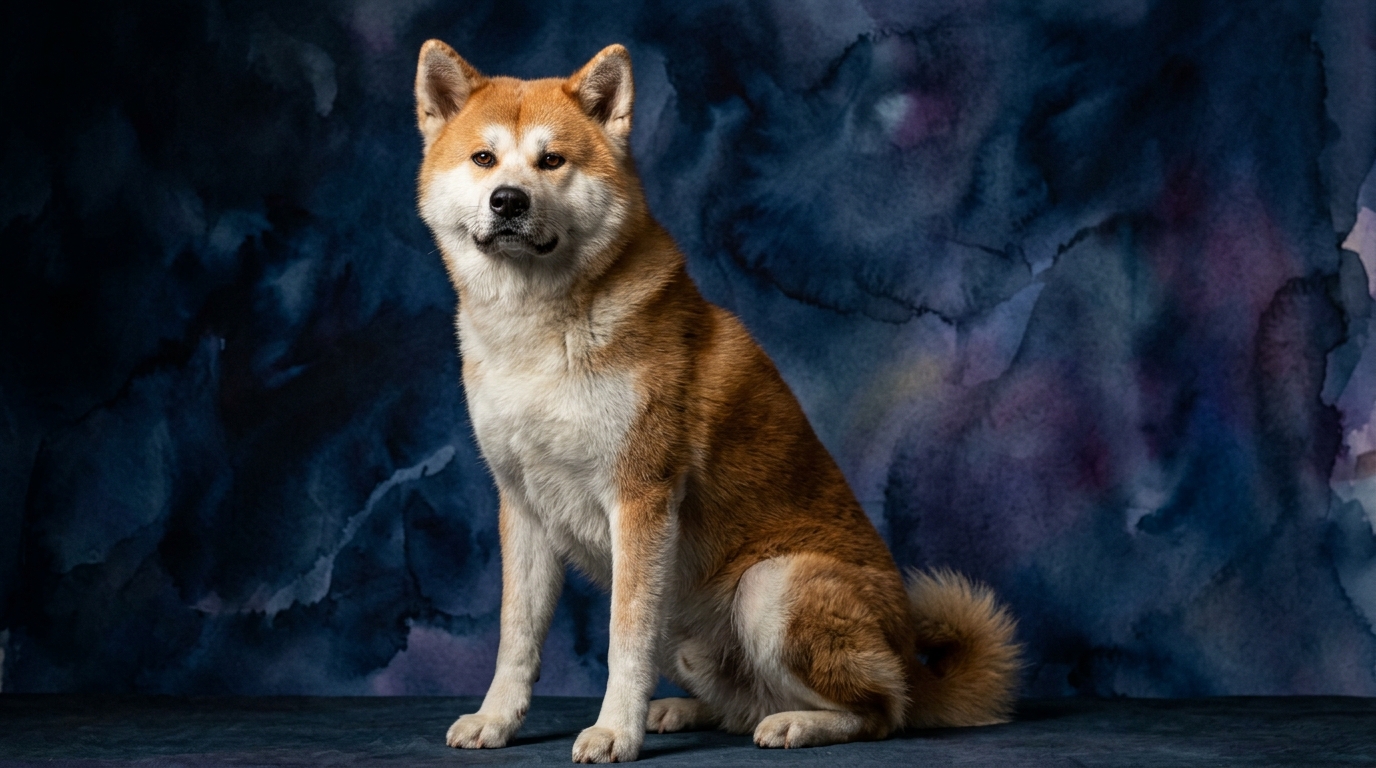
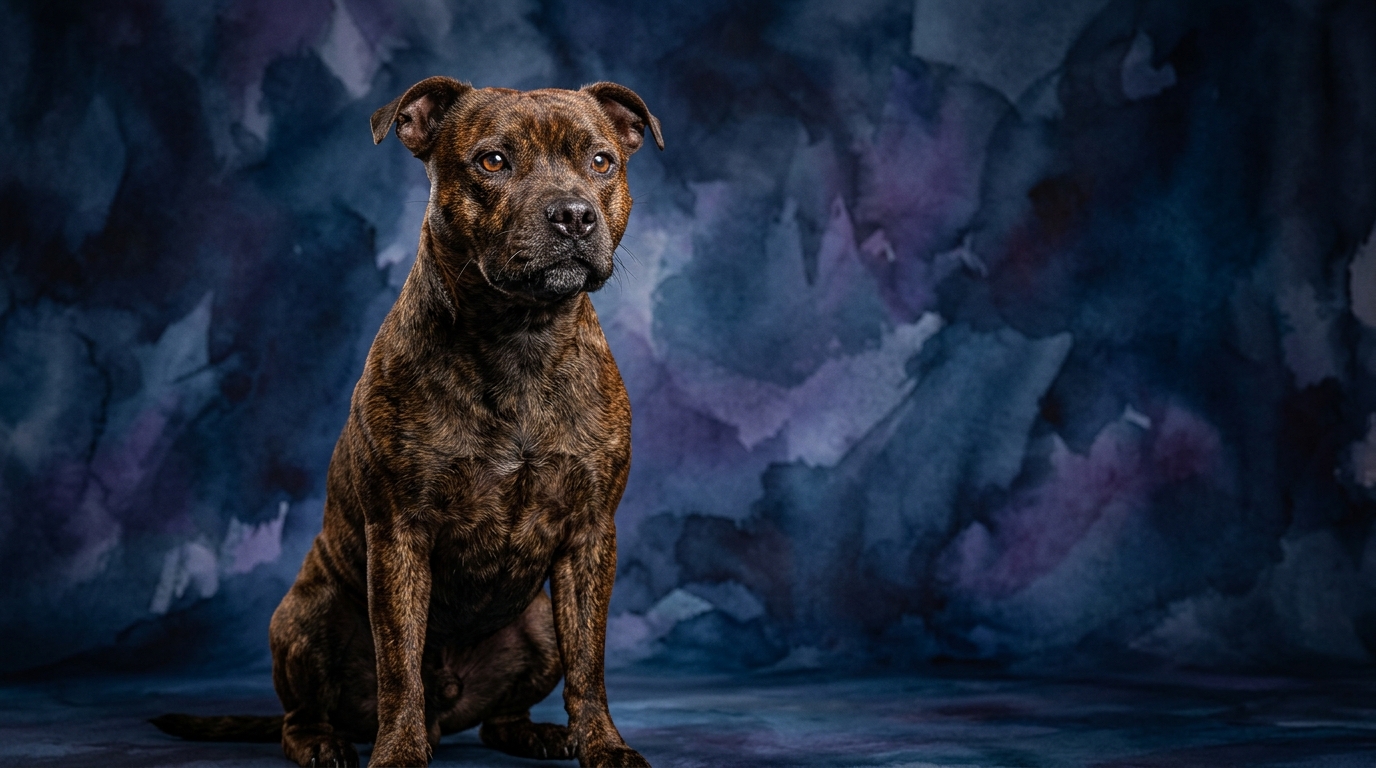
Side-by-Side Cognitive Profiles: Akita vs. Staffordshire Bull Terrier
The Akita, a Working breed, presents a unique cognitive blueprint. Their problem-solving ability scores a 3 out of 5, indicating they can navigate complex situations and figure out solutions, though perhaps not always with immediate enthusiasm. Training speed is rated 2 out of 5, reflecting a tendency towards independence and a need for highly engaging methods to secure consistent compliance. Social intelligence, at 3 out of 5, suggests they are discerning in their interactions, forming deep bonds but often reserved with strangers. Their instinctive drive is a robust 5 out of 5, manifesting as powerful guarding instincts, strong territoriality, and a keen awareness of their environment. Finally, Akita memory is a formidable 4 out of 5, meaning they retain information, routines, and experiences for extended periods, contributing to their reliability and consistency.
In contrast, the Staffordshire Bull Terrier, a Terrier breed, offers a different set of cognitive strengths. Their problem-solving ability also scores 3 out of 5, showing they are capable of figuring out puzzles or novel situations with a moderate degree of persistence. Where they diverge notably is in training speed, scoring 3 out of 5, which suggests a greater willingness to learn and respond to commands compared to the Akita. Social intelligence is also 3 out of 5, indicating they are generally adaptable in social settings and form strong attachments to their human families. Their instinctive drive is a balanced 3 out of 5, present but typically less overwhelming than the Akita's, often manifesting as a playful prey drive or a desire for interaction rather than intense guarding. Staffordshire Bull Terrier memory stands at 3 out of 5, meaning they remember commands and routines well, though perhaps not with the Akita's exceptional detail or long-term recall.
Where the Akita Wins Cognitively
The Akita's primary cognitive advantages lie in its exceptional instinctive drive and superior memory. With an instinctive drive score of 5 out of 5, Akitas possess an unparalleled innate ability for vigilance and protection. This translates into a profound awareness of their surroundings, an acute sense for potential threats, and a powerful, instinctual response to safeguard their family and territory. Owners will observe this as a dog who is naturally attuned to changes in their environment, often anticipating situations before their human companions do, making them incredibly effective, albeit independent, guardians.
Furthermore, the Akita's memory, rated at 4 out of 5, is a significant cognitive asset. This strong recall means they not only learn specific commands and routines but also retain complex environmental layouts, remember specific individuals or past events with clarity, and integrate experiences into their behavioral patterns over long durations. This memory allows them to build a comprehensive understanding of their world and their role within it, contributing to their steadfast nature, but also meaning they remember inconsistencies or negative experiences keenly, necessitating consistent and positive handling from puppyhood.
Where the Staffordshire Bull Terrier Wins Cognitively
The Staffordshire Bull Terrier shines cognitively in its slightly quicker training speed and more manageable instinctive drive. Scoring 3 out of 5 for training speed, compared to the Akita’s 2 out of 5, Staffies generally exhibit a more eager disposition to grasp new commands and repeat desired actions. This often stems from their strong desire to please their primary human and their generally more interactive nature, making them more receptive to positive reinforcement and structured learning sessions. Their willingness to engage and cooperate often translates into a more straightforward training experience for owners, particularly in basic obedience.
Additionally, the Staffy's instinctive drive, rated at a balanced 3 out of 5, offers a cognitive advantage in terms of adaptability. While they possess natural terrier tenacity and a playful drive, these instincts are typically less intense and all-consuming than the Akita's powerful guarding impulses. This moderate drive means their natural urges are less likely to override learned behaviors or social protocols, making them generally more flexible in various social environments and less prone to independent decision-making based purely on instinct. This allows for easier integration into diverse family lifestyles and social settings.
Training Dynamics: Akita vs. Staffordshire Bull Terrier
When it comes to ease of training, the Staffordshire Bull Terrier generally presents a more accessible experience for most owners compared to the Akita. The Akita’s training speed of 2 out of 5, coupled with its powerful instinctive drive (5/5), results in a dog that often learns commands but chooses when to comply. Their independent nature means they can become bored with repetitive drills and may require highly creative, motivating, and patient training techniques to ensure consistency. Owners must establish clear leadership and provide compelling reasons for the Akita to engage, as their inherent self-reliance often means they prioritize their own judgment over immediate human instruction, especially if they perceive a task as unnecessary.
Conversely, the Staffordshire Bull Terrier's training speed of 3 out of 5 and moderate instinctive drive (3/5) contribute to a dog that is typically more eager to please and receptive to instruction. Staffies thrive on interaction with their humans and often view training as a fun, bonding activity. Their focus on their handler and their lower propensity for strong-willed independence during training sessions mean they are generally quicker to pick up new behaviors and more reliable in their responses. While they still require consistency and positive reinforcement, their inherent willingness to engage and cooperate makes the training journey often smoother and more rewarding for novice and experienced owners alike.
Matching Breeds to Lifestyles: Active vs. Relaxed Owners
The Akita is best suited for owners who are active in a structured, purposeful manner and understand the demands of a dog with profound independence and strong instincts. They require consistent mental stimulation that respects their self-reliant nature, perhaps through advanced obedience, scent work, or guarding tasks that channel their 5/5 instinctive drive. These dogs thrive with owners who provide clear leadership and engage them in activities that challenge their 4/5 memory and moderate problem-solving, rather than just aimless physical exertion. An Akita owner must be prepared to invest significant time in consistent, respectful training and socialization to manage their powerful natural tendencies, ensuring their independence doesn't become resistance.
The Staffordshire Bull Terrier, with its balanced drives and greater enthusiasm for interaction, is more adaptable to a wider range of active and moderately relaxed owners. They thrive on interactive play, regular walks, and activities that involve their family, benefiting from owners who enjoy shared experiences. Their moderate instinctive drive (3/5) and problem-solving ability (3/5) mean they enjoy engaging in puzzles and learning new tricks, but their primary fulfillment comes from companionship and being part of the family's daily rhythm. They are less about intense, solitary work and more about shared adventures, making them an excellent fit for owners who want an engaged, affectionate companion for family outings and consistent, but not necessarily rigorous, activity.
The Verdict
Choose an Akita if you are an experienced owner seeking a vigilant protector with a profound memory and independent spirit, willing to invest in consistent, respectful training to channel their powerful instinctive drives and discerning social intelligence.
Opt for a Staffordshire Bull Terrier if you desire an eager, adaptable companion who thrives on interactive training and family activities, appreciating their balanced drives and willingness to engage as a devoted member of the household.
🧠 Find Your Pet's IQ Score
Our Pet IQ Lab assessment covers 25+ tests across 5 cognitive dimensions — personalized to your breed.
Take the Full IQ Test →Frequently Asked Questions
Is an Akita hard to live with due to its independence?
The Akita's independence stems from its strong instinctive drive and moderate social intelligence, meaning they form deep bonds but often prefer to make their own decisions. This requires an owner who can consistently provide clear leadership and channel their natural guarding instincts through training, rather than expecting constant, unquestioning obedience.
Do Staffordshire Bull Terriers struggle with problem-solving tasks?
Staffordshire Bull Terriers possess a moderate problem-solving ability (3/5), indicating they can figure out puzzles or navigate new situations with some persistence. While not known for complex strategic thinking, they are generally adaptable and can learn to overcome challenges through trial and error or with guidance, often motivated by treats or interaction.
How does the Akita's memory impact daily life?
The Akita's strong memory (4/5) means they remember routines, commands, and past interactions vividly, which can be beneficial for consistent training and recall. However, it also means they remember negative experiences or inconsistencies, making early socialization and positive reinforcement crucial for their development and long-term behavior.